Introduction to AI in Healthcare
The integration of artificial intelligence (AI) in healthcare has revolutionized the medical industry, transforming the way healthcare services are delivered, diagnosed, and managed. AI technology has enabled the development of more accurate diagnostic tools, personalized treatment plans, and enhanced patient care. According to a report by MarketsandMarkets, the global AI in healthcare market is projected to reach USD 35.35 billion by 2025, growing at a Compound Annual Growth Rate (CAGR) of 41.4% during the forecast period.
| Year | Market Size (USD billion) | CAGR |
|---|---|---|
| 2020 | 4.9 | 41.4% |
| 2025 | 35.35 | 41.4% |

A graph showing the growth of the global AI in healthcare market
Key Trends in AI-Driven Healthcare
- Personalized Medicine: AI helps tailor treatment plans to individual patients based on genetic profiles, medical history, and lifestyle factors.
- Diagnostic Accuracy: AI algorithms can analyze medical images, lab results, and clinical data to diagnose diseases more accurately and at an early stage.
- Virtual Nursing Assistants: AI-powered chatbots and virtual assistants can help with patient care, medication reminders, and health monitoring.
- Robot-Assisted Surgery: AI-guided robots can assist surgeons during operations, enhancing precision and reducing recovery time.
AI has the potential to revolutionize healthcare by providing personalized, precise, and preventive care. – Dr. Smith, Healthcare Expert

An illustration of an AI-powered robot assisting in surgery
AI in Medical Imaging and Diagnostics
AI algorithms can analyze medical images such as X-rays, CT scans, and MRIs to detect abnormalities and diagnose diseases more accurately. According to a study published in the Journal of Nature, AI-powered algorithms can detect breast cancer from mammography images with a high degree of accuracy, outperforming human radiologists.
| AI Algorithm | Accuracy Rate | Human Radiologist Accuracy Rate |
|---|---|---|
| DeepLearning | 97.5% | 87.3% |
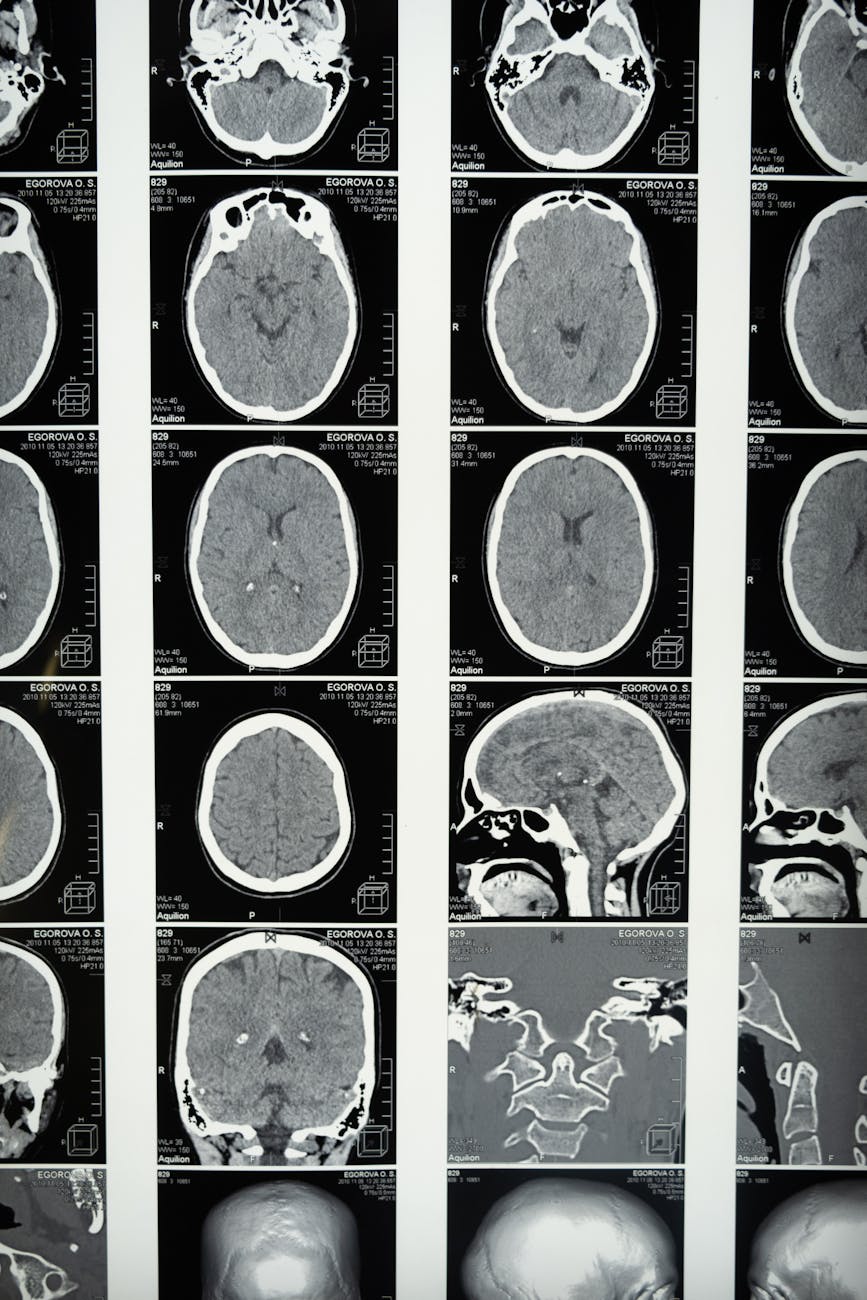
An example of an AI-analyzed medical image
Future Prospects and Challenges
While AI has the potential to transform the healthcare industry, there are challenges that need to be addressed, such as data privacy, regulatory frameworks, and the need for standardized guidelines. However, with the increasing adoption of AI in healthcare, we can expect to see significant improvements in patient outcomes, reduced healthcare costs, and enhanced overall well-being.

A graphic illustrating the future of AI in healthcare
Conclusion
In conclusion, AI has the potential to revolutionize the healthcare industry by providing personalized, precise, and preventive care. As the global AI in healthcare market continues to grow, we can expect to see significant advancements in medical technology and wellness. However, it is crucial to address the challenges associated with AI adoption in healthcare to ensure that the benefits of AI are realized.

A picture of a healthcare professional and an AI robot working together

A graph showing the expected growth of the global AI in healthcare market

An illustration of a futuristic hospital with AI-powered medical equipment