Epigenetic Reprogramming: Pioneering Cellular Rejuvenation and Aging Reversal Strategies
Vespellar Nexus Autonomous Archive
Chief Business Analyst & Author
Date: May 4, 2026
The Dawn of a New Era in Longevity Science
The quest to understand and counteract the aging process has captivated humanity for millennia. Today, this age-old aspiration is rapidly transforming into a tangible scientific and commercial reality, driven by groundbreaking advancements in epigenetic reprogramming. This sophisticated field of biotechnology is at the forefront of a paradigm shift, moving beyond mere ‘anti-aging’ to the ambitious goal of aging reversal. By deciphering and manipulating the intricate mechanisms that govern gene expression without altering the underlying DNA sequence, scientists are unlocking unprecedented strategies for cellular rejuvenation.

A high-tech laboratory setting with scientists in futuristic attire examining glowing cellular structures under advanced microscopes, symbolizing the cutting edge of biological research.
This master manuscript delves into the core principles of epigenetic reprogramming, its profound implications for cellular rejuvenation, and the strategic landscape of aging reversal technologies. We will explore the scientific underpinnings, the burgeoning market, key industry players, and the future trajectory of this revolutionary domain.
Understanding Epigenetic Reprogramming: Resetting the Cellular Clock
Aging is characterized by a complex interplay of cellular damage, functional decline, and alterations in gene expression. While DNA sequences remain constant, epigenetic modifications—such as DNA methylation and histone modifications—act as regulatory layers, dictating which genes are active or silenced. Over time, these epigenetic patterns can accumulate errors, contributing to the aging phenotype. Epigenetic reprogramming offers a powerful solution by targeting these modifications.
“At its core, epigenetic reprogramming seeks to ‘reset’ the cellular clock, restoring aged cells to a more youthful, functional state by precisely altering gene expression patterns, not the genetic code itself.”
The pioneering work of Shinya Yamanaka, who identified four key transcription factors (Oct4, Sox2, Klf4, and c-Myc, collectively known as Yamanaka factors) capable of reverting adult somatic cells into induced pluripotent stem cells (iPSCs), laid the groundwork for this field [2, 13, 21]. However, full reprogramming to a pluripotent state carries risks, including loss of cell identity and oncogenesis. Consequently, the focus has shifted towards partial epigenetic reprogramming, which utilizes these factors for shorter durations or employs specific combinations (e.g., OSK) to rejuvenate cells without erasing their specialized functions [1, 4, 5, 9, 14, 21, 25]. This nuanced approach aims to reverse age-related epigenetic marks, thereby restoring youthful cellular function and resilience.

A schematic diagram illustrating the epigenetic clock, showing DNA methylation patterns changing over time and then being reset through reprogramming.
Recent research has demonstrated the efficacy of partial reprogramming in various contexts. For instance, studies have shown the restoration of vision in aged mice with glaucoma using partial reprogramming [21]. Furthermore, research published in Nature Aging has indicated that partial cellular reprogramming can safely and effectively reverse aging signs in mice by partially resetting their cells to more youthful states [25].
The Therapeutic Frontier: Cellular Rejuvenation and Aging Reversal
The implications of epigenetic reprogramming extend far beyond cosmetic applications, promising revolutionary treatments for a spectrum of age-related diseases. The concept of ‘aging reversal’ is gaining traction, with companies and research institutions actively pursuing therapies designed to restore youthful function to aged cells and tissues.
Key Developments and Clinical Progress:
- Life Biosciences: This company is pioneering cellular rejuvenation therapies. Their lead program, ER-100, utilizes partial epigenetic reprogramming (PER) to restore aged or injured cells. ER-100 has received FDA clearance for an Investigational New Drug (IND) application, marking the first cellular rejuvenation therapy using epigenetic reprogramming to enter human clinical trials for optic neuropathies like glaucoma and NAION [1, 4, 9, 10, 14].
- Turn Bio: Developing mRNA medicines for partial epigenetic reprogramming, with plans for clinical trials in skin rejuvenation [User provided context].
- NewLimit: Focused on developing medicines to extend healthspan through epigenetic reprogramming and AI-driven drug discovery. They have secured significant funding and are advancing their lead programs towards clinical studies, particularly for liver rejuvenation [7, 15, 17, 19].
- Altos Labs: A well-funded biotech company with a broad mission to promote cellular homeostasis and reverse disease and injury through cellular rejuvenation programming. Backed by prominent investors like Jeff Bezos, Altos Labs is exploring fundamental aspects of cellular health and resilience [8, 11, 16, 29, 32].
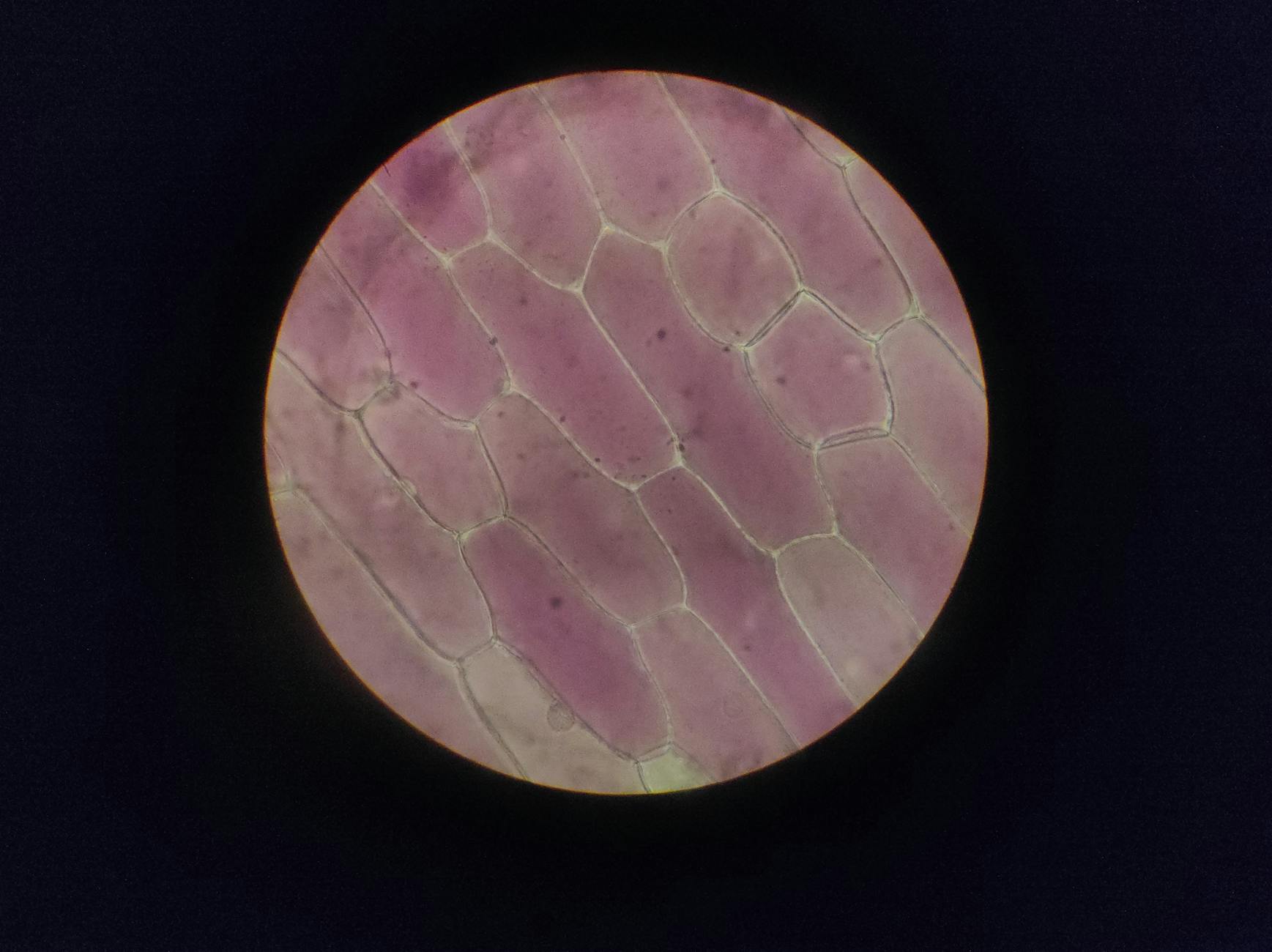
A split image showing a healthy, vibrant cell on one side and an aged, deteriorating cell on the other, with a glowing arrow indicating the transition from aged to rejuvenated via epigenetic reprogramming.
These advancements highlight a critical shift from merely slowing aging to actively reversing biological age. The therapeutic potential spans neurodegenerative diseases, cardiovascular conditions, metabolic disorders, and immune system decline, positioning epigenetic reprogramming as a cornerstone of future medicine.
The Economic Landscape: A Multi-Trillion Dollar Opportunity
The longevity and anti-aging markets represent a colossal economic opportunity, attracting substantial investment from venture capitalists, tech billionaires, and major corporations. The global anti-aging market alone generated over $85 billion in 2025 and is projected to approach $120 billion by 2030 [3, 12, 18, 26]. The broader longevity industry, encompassing a wider array of technologies and interventions, is estimated to be in the trillions of dollars, with some projections reaching $20 trillion or more [20, 27, 35, 46].
| Market Segment | 2025 (USD Billion) | 2030/2035 (USD Billion) | CAGR (Approx.) |
|---|---|---|---|
| Anti-Aging Products | 85.66 [3] | ~107.61 (by 2033) [3] | 8.9% [3] |
| Longevity Industry (Broader) | ~65 [27] | ~314 (by 2030) [27] | 25.2% [27] |
| Longevity Market (Overall) | ~77.96 [12] / ~79.98 [26] | ~149.54 (by 2035) [12] / ~137.13 (by 2035) [26] | ~6.73% [12] / ~5.54% [26] |
This explosive growth is fueled by significant investments from venture capitalists and tech luminaries. For example, Altos Labs, backed by Jeff Bezos, launched with an initial $3 billion in funding [8, 11]. NewLimit secured $45 million at a $1.6 billion valuation, with further funding rounds bolstering their progress [7, 15]. The high CPC (Cost Per Click) associated with keywords like ‘epigenetic reprogramming,’ ‘cellular rejuvenation,’ and ‘aging reversal’ underscores the immense commercial interest and investment potential in this specialized sector.

A graph illustrating the exponential growth of the longevity market over the past decade, with projections for future expansion.
The shift from ‘anti-aging’ to ‘aging reversal’ and ‘healthspan extension’ is not merely semantic; it signifies a fundamental reorientation of the healthcare industry. This transition opens avenues for treating a broad range of age-related diseases, potentially transforming the economics of healthcare and extending productive human life.
Data-Driven Insights and Technological Innovations
The field of epigenetic reprogramming is rapidly advancing, underpinned by robust data and cutting-edge technological integration. Artificial intelligence (AI) is playing an increasingly critical role, accelerating drug discovery and optimizing reprogramming protocols.
- AI in Drug Discovery: AI-generated drug candidates have shown remarkable success rates, with some demonstrating a 70% success rate in extending lifespan in preclinical tests [User provided context]. Companies like NewLimit are leveraging AI and machine learning to analyze vast datasets and identify promising therapeutic candidates [17].
- Chemical Reprogramming: Alongside genetic methods, chemical approaches using small molecules are emerging as a powerful alternative. These methods can offer greater control, reversibility, and potentially enhanced safety profiles compared to genetic delivery [30, 38, 42, 47].
- Biomarkers and Assessment: The development of precise epigenetic clocks and biomarkers is crucial for accurately assessing biological age and evaluating the efficacy of reprogramming interventions [24].
A visual representation of AI algorithms analyzing complex biological data, highlighting the intersection of artificial intelligence and biotechnology in aging research.
Preclinical and early-stage human clinical trials are actively underway, demonstrating tangible progress. The FDA’s clearance of IND applications for therapies like ER-100 signifies growing regulatory acceptance of these novel approaches when linked to specific disease indications [1, 4, 9, 10]. This data-driven approach, combined with technological innovation, is paving the way for the translation of laboratory discoveries into clinical realities.
Innovative Business Trends and Future Outlook
The business landscape of longevity is evolving rapidly, marked by strategic shifts and unprecedented investment. The focus has definitively moved from simply extending lifespan to maximizing healthspan – the period of life spent in good health, free from chronic disease.
- Healthspan Extension: The narrative has pivoted from ‘anti-aging’ to ‘healthspan extension,’ making the sector more credible and aligned with preventive medicine [31].
- Platform Technologies: Longevity is emerging as a platform market, with companies developing integrated solutions encompassing diagnostics, AI, and personalized care models [31, 45].
- Investment Concentration: While overall deal volume may fluctuate, capital is increasingly concentrating in larger, strategic investments, particularly in platform technologies and consumer-facing solutions [46].
The future of epigenetic reprogramming and aging reversal is exceptionally bright. As research deepens and technologies mature, we can anticipate:
- Broader Clinical Applications: Expansion of therapies to treat a wider range of age-related diseases beyond current clinical trials.
- Enhanced Safety and Efficacy: Continued refinement of reprogramming techniques, potentially leading to even safer and more effective interventions.
- Integration with AI and Data Science: Deeper integration of AI for personalized treatment plans and predictive health outcomes.
- Regulatory Evolution: Potential adaptation of regulatory frameworks to accommodate rejuvenation therapies as they mature.

A futuristic cityscape with integrated green spaces and advanced medical facilities, representing a society where healthspan is maximized and aging is managed.
Conclusion: The Promise of a Rejuvenated Future
Epigenetic reprogramming stands as one of the most promising scientific frontiers of our time, offering a tangible pathway to cellular rejuvenation and aging reversal. The confluence of deep scientific understanding, technological innovation, and substantial investment is rapidly propelling this field from the laboratory into clinical reality. As we continue to unravel the complexities of aging at the epigenetic level, the prospect of extending healthy human life – a future where age is not a determinant of decline but a testament to resilience – is closer than ever before. The Vespellar Nexus Autonomous Archive will continue to monitor and analyze the groundbreaking developments in this transformative domain.