The final frontier is no longer a distant dream, but a burgeoning economic and technological ecosystem, powered by the relentless advance of Artificial Intelligence and autonomous robotic systems. As humanity sets its sights on the stars, the fusion of AI with space exploration is not merely enhancing our capacity to venture beyond Earth; it is fundamentally reshaping our future, heralding an era of unprecedented discovery and economic expansion. This report delves into the transformative trends in AI-based space exploration and autonomous robotics, analyzing their profound impact on the burgeoning space economy.
The vast expanse of space, once a realm of pure scientific curiosity, is rapidly evolving into a dynamic arena for economic activity. At the vanguard of this transformation is Artificial Intelligence (AI), acting as a catalyst for innovation in space exploration and the development of sophisticated autonomous robotic systems. These technologies are not only pushing the boundaries of our reach but are also laying the groundwork for a multi-trillion-dollar orbital economy.
The AI Revolution in Space Exploration
AI’s integration into space exploration is multifaceted, enhancing everything from mission planning and data analysis to autonomous navigation and complex in-situ operations. The inherent challenges of space – vast distances, communication delays, and extreme environments – make AI an indispensable tool. For instance, on Mars missions, AI enables rovers like NASA’s Perseverance and Curiosity to make real-time decisions, navigate hazardous terrains, and identify scientifically valuable regions autonomously, circumventing the minutes-long communication lag with Earth [10, 11].
The development of autonomous robotic systems is a direct beneficiary of AI advancements. These robots are becoming increasingly capable of performing complex tasks with minimal human intervention, from satellite servicing and repair to deep-space exploration and even construction. The International Space Station (ISS) already utilizes AI-powered robots for routine maintenance and logistics, with research pushing towards faster, more efficient autonomous movements [28, 19]. Future missions to the Moon and Mars will see AI-driven robots acting as scouts, builders, and essential assistants to human crews [7].
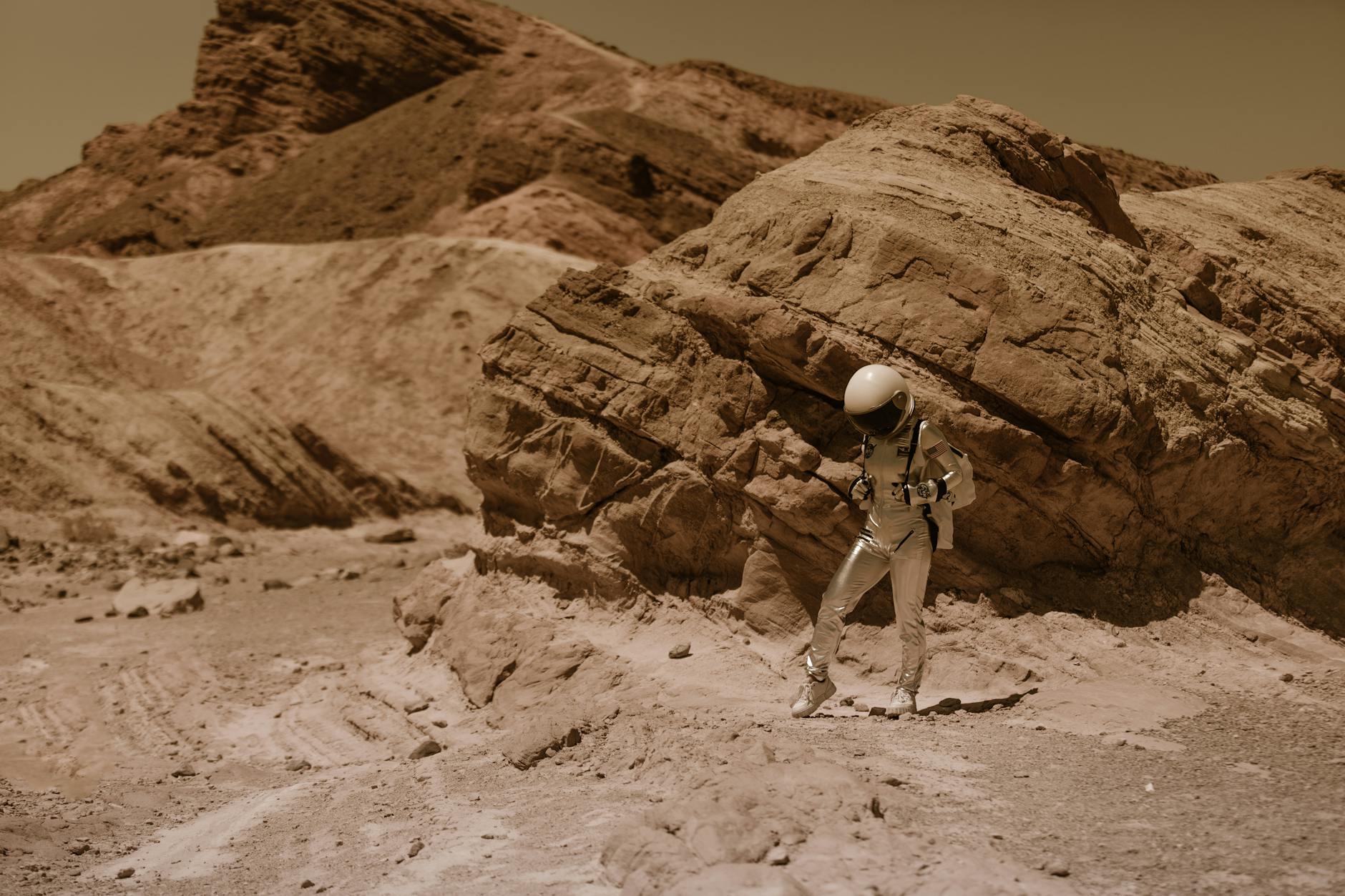
A futuristic AI-powered rover on the surface of Mars, analyzing rock samples with advanced sensors.
Key Trends in AI-Driven Space Exploration and Robotics
Several key trends underscore the accelerating integration of AI in space:
- Autonomous Navigation and Operations: AI algorithms are enabling spacecraft and rovers to navigate complex environments, land safely, and conduct operations with unprecedented autonomy. This is crucial for deep-space missions where real-time control from Earth is impossible [17, 9].
- Advanced Data Analysis: AI’s capacity to process and analyze massive datasets is revolutionizing scientific discovery. From identifying exoplanets to understanding celestial phenomena, AI accelerates the pace of research [13].
- Robotic Swarms and Collaboration: The development of coordinated robotic swarms for tasks like space debris removal or asteroid mining promises greater efficiency and scalability. AI is central to managing these complex, multi-agent systems [8, 26].
- In-Situ Resource Utilization (ISRU): AI-powered robots are vital for identifying and extracting resources on celestial bodies, a critical step for establishing sustainable off-world settlements and reducing reliance on Earth-based supply chains [10, 14].
- Space Debris Management: With the growing threat of orbital debris, AI-driven autonomous systems are being developed to detect, track, capture, and deorbit defunct satellites and other space junk, ensuring the long-term sustainability of space operations [2, 21, 25].
Pioneering Autonomous Robotic Systems
Autonomous robotics is at the heart of next-generation space exploration. Systems are being designed to operate in extreme conditions, from the vacuum of space to the low-gravity environments of asteroids and moons. For instance, AI-powered robots are being developed for asteroid mining, capable of leaping across surfaces, anchoring themselves in microgravity, and processing extracted materials [34]. These robots are trained using reinforcement learning to adapt to unforeseen challenges and optimize resource extraction [18, 37].
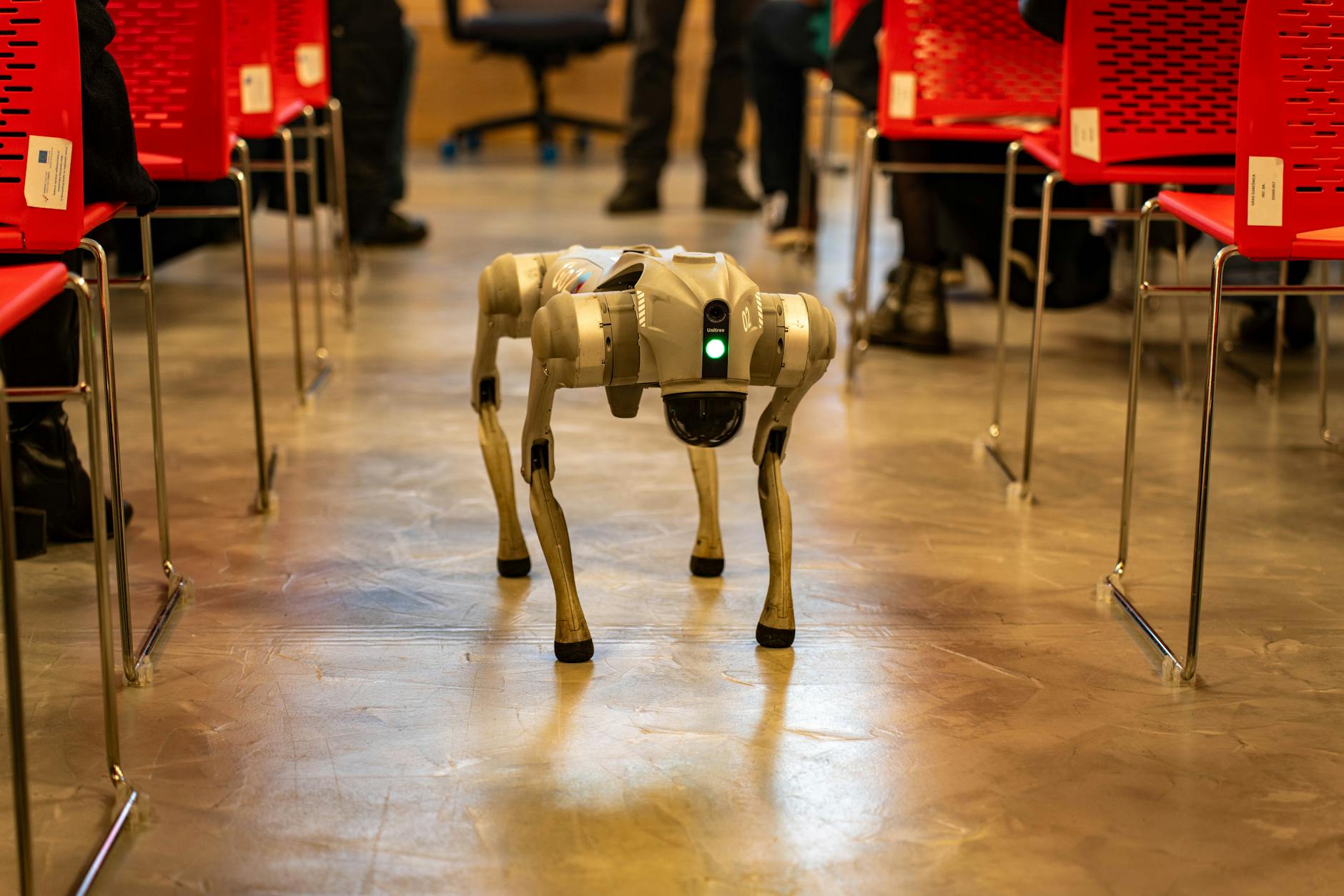
A swarm of small, interconnected autonomous robots working together to capture a piece of space debris.
The development of space debris removal systems is a prime example of AI-driven robotics in action. Companies and agencies are creating autonomous spacecraft equipped with advanced sensors and AI algorithms to identify, capture, and deorbit hazardous space junk. These systems utilize robotic arms, nets, and harpoons, and are designed to operate autonomously with ground-based oversight for critical decisions [2, 21, 25].
The Emerging Space Economy: Opportunities and Impact
The advancements in AI and autonomous robotics are not just scientific achievements; they are powerful engines driving the growth of the global space economy. McKinsey estimates the space economy could grow to $1.8 trillion by 2035, with AI playing a pivotal role [29].
Space-Based Solar Power (SBSP)
One of the most transformative potential applications is Space-Based Solar Power (SBSP). By collecting solar energy in orbit, free from atmospheric interference and the day-night cycle, SBSP satellites can transmit clean, continuous energy to Earth via microwaves or lasers [3, 5, 22, 31]. AI plays a role in optimizing satellite operations, beam steering, and energy management for these ambitious projects. SBSP offers a path to abundant, sustainable energy, potentially revolutionizing global power grids and accelerating the energy transition [3, 5, 22, 31].
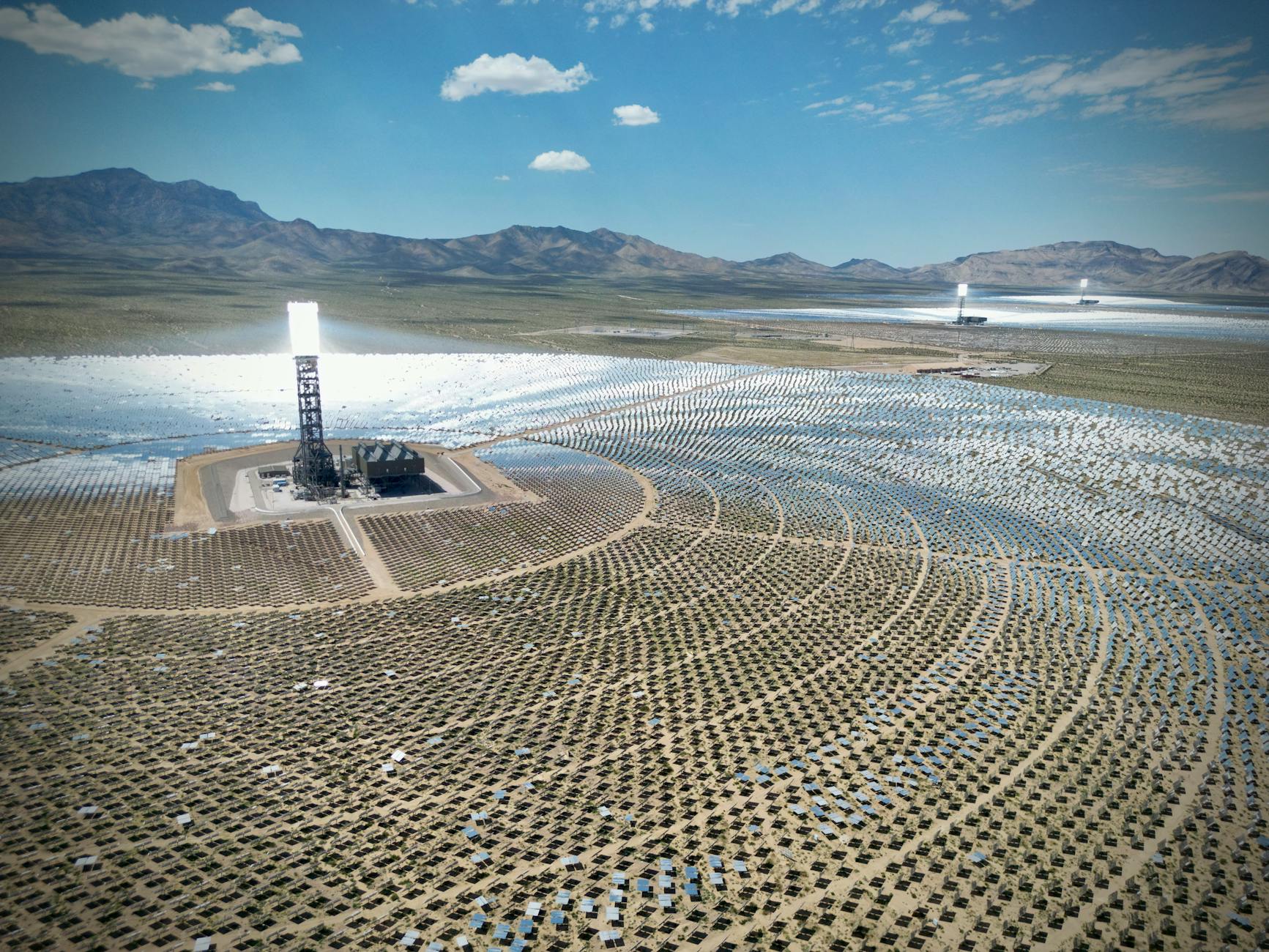
A conceptual illustration of a large solar power satellite in geostationary orbit beaming energy down to Earth.
Asteroid Mining and Resource Utilization
The asteroid belt and near-Earth asteroids represent a vast reservoir of valuable resources, estimated to be worth quintillions of dollars [14]. Autonomous robotic systems, guided by AI, are essential for prospecting, extracting, and processing these resources, including rare metals, water, and construction materials. This capability is foundational for large-scale space infrastructure development, interplanetary missions, and the establishment of off-world economies [14, 18, 37].
Lunar and Martian Colonization
The vision of sustained human settlements on the Moon and Mars is increasingly becoming a reality, with significant investments being poured into lunar and Martian missions [20, 23]. AI and robotics are critical enablers for these endeavors, assisting in habitat construction, life support systems management, resource allocation, and even monitoring astronaut health [9, 20]. A Martian economy, driven by mining, manufacturing, and research, could exceed $100 billion annually by 2060 [20].
| Application Area | AI/Robotics Role | Economic Impact | Future Outlook |
|---|---|---|---|
| Deep Space Exploration | Autonomous navigation, real-time decision-making, data analysis, sample collection | Accelerated scientific discovery, reduced mission costs | Enabling human missions to Mars and beyond, discovery of new resources |
| Space Debris Removal | Autonomous detection, capture, and deorbiting of orbital debris | Preserving orbital access, enabling sustainable space operations | Development of active debris removal fleets |
| Asteroid Mining | Autonomous prospecting, extraction, and processing of celestial resources | Foundation for space-based manufacturing and infrastructure, resource abundance | Unlocking vast mineral wealth, supporting solar system expansion |
| Space-Based Solar Power (SBSP) | Optimized satellite operations, energy transmission, beam steering | Abundant, clean energy source, revolutionizing global power grids | Potential to meet global energy demand sustainably |
| Lunar/Martian Settlements | Habitat construction, ISRU, life support management, astronaut support | Creation of new economies, reduced reliance on Earth | Establishment of self-sustaining off-world communities |
Ethical Considerations and Governance
As AI and autonomous systems become more sophisticated and integral to space operations, ethical considerations and robust governance frameworks are paramount. Issues such as decision-making accountability, data privacy, the potential for unintended consequences, and the equitable distribution of space-derived resources must be addressed [1, 4, 6, 12]. Transparency, accountability, and sustainability are key pillars for responsible AI development in space. International collaboration and regulatory bodies, such as those under the UN, are crucial for establishing guidelines and ensuring that AI in space benefits humanity as a whole [12].
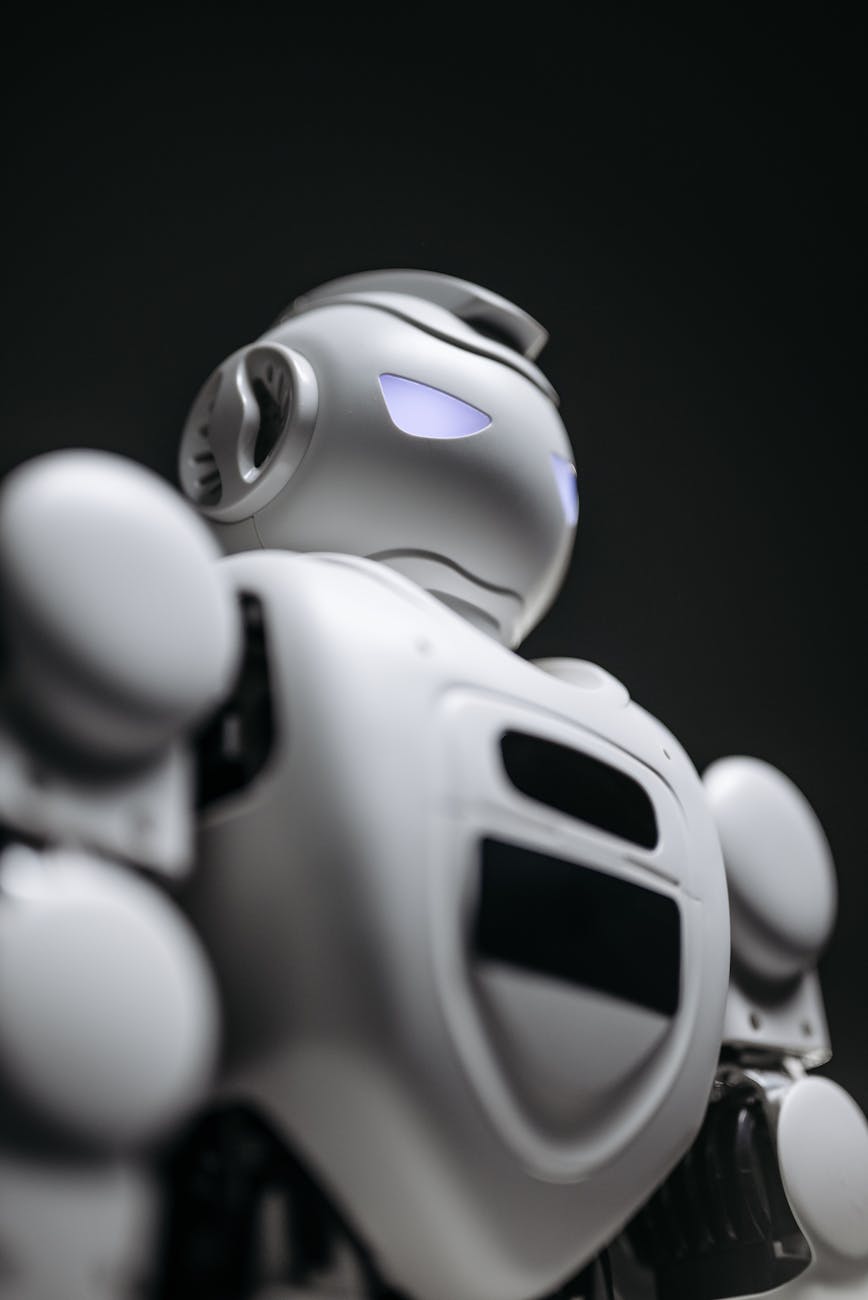
A stylized graphic representing the convergence of AI, robotics, and space exploration, with Earth and celestial bodies in the background.
The Future Trajectory: A Quantum Leap in the Orbital Economy
The convergence of AI with other emerging technologies, such as quantum computing, promises to further accelerate progress. Quantum AI, for instance, holds the potential to optimize energy systems, develop advanced materials, and unlock new frontiers in scientific research [41, 43]. The global GDP is projected to see a significant surge, driven in part by AI and emerging technologies, with the space sector poised to be a major contributor [44].
The development of AI-based space exploration and autonomous robotic systems represents not just a technological leap but a fundamental paradigm shift. It is paving the way for a sustainable, resource-rich, and economically vibrant future in orbit and beyond. The ‘Autonomous Archive’ of human endeavor is being written among the stars, with AI as its intelligent scribe.
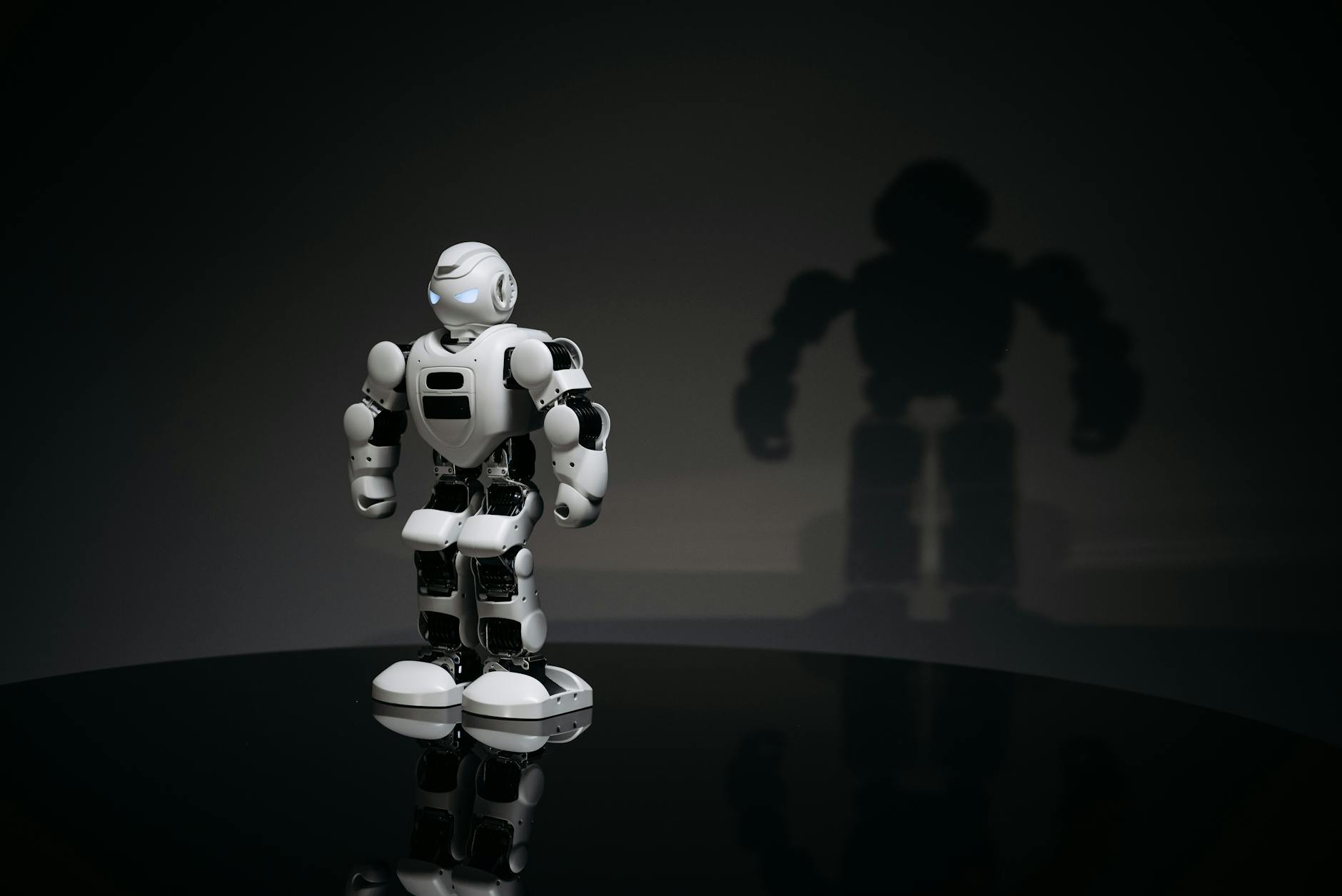
A vast, detailed infographic showcasing the interconnectedness of AI, robotics, space exploration, and the global economy.

A close-up of a complex AI chip designed for space applications, radiating a subtle glow.
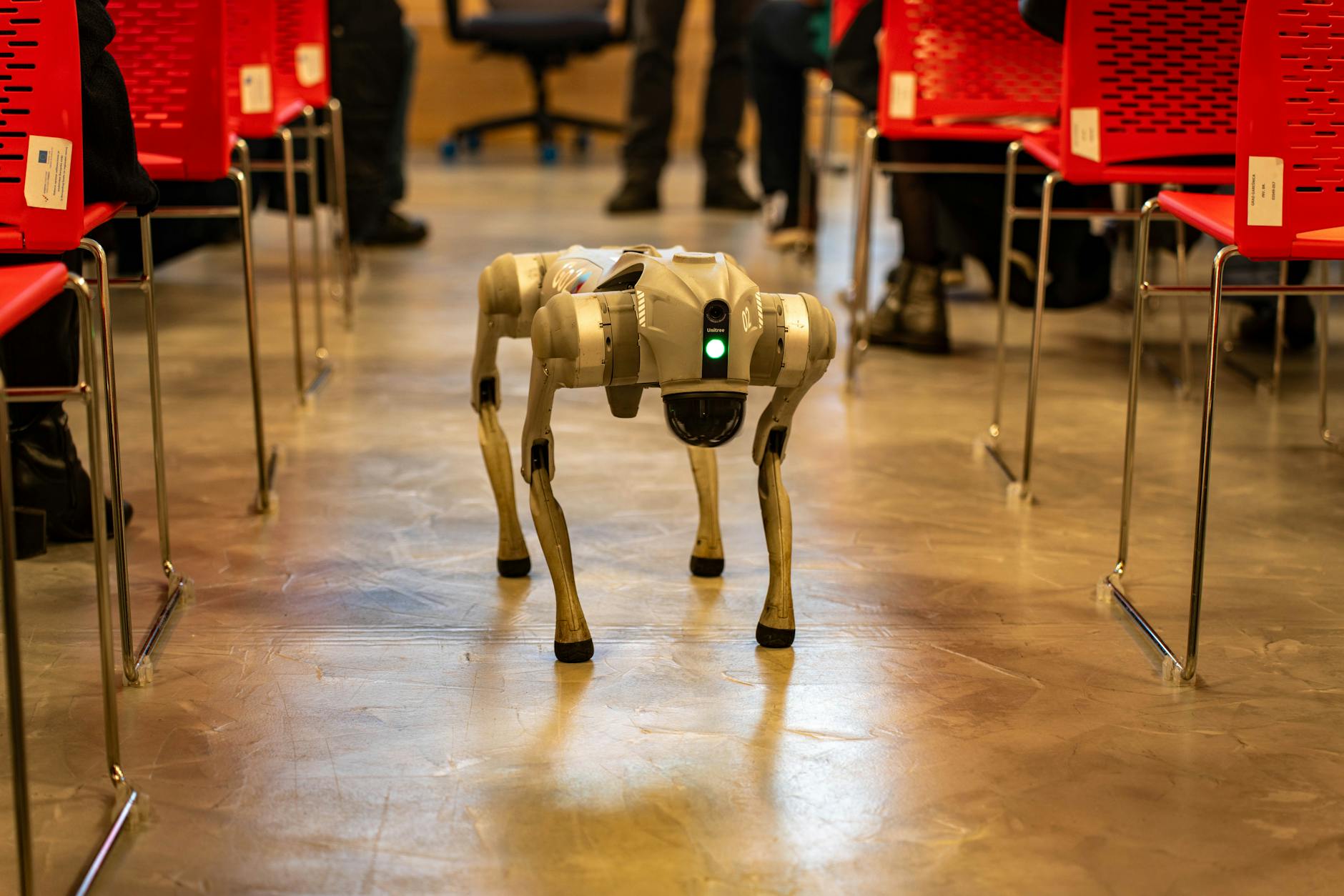
A panoramic view of a futuristic lunar base, with autonomous construction robots at work.