Fortifying the Digital Frontier: Advanced Strategies for Cyber-Physical System Resilience in Operational Technology and Industrial Control Systems
In an era defined by rapid technological advancement and increasing interconnectedness, the security of Operational Technology (OT) and Industrial Control Systems (ICS) has ascended to a critical global imperative. These systems, the digital backbone of our essential industries – from energy and manufacturing to transportation and healthcare – are increasingly becoming targets for sophisticated cyber threats. The convergence of Information Technology (IT) and OT, while promising efficiency gains, has also expanded the attack surface, making the protection and resilience of Cyber-Physical Systems (CPS) paramount. This master manuscript delves into advanced strategies for safeguarding these vital infrastructures, ensuring their robust operation against an ever-evolving threat landscape.

A futuristic cityscape at night, with glowing data streams connecting skyscrapers, symbolizing interconnected industrial systems under cyber threat.
The Evolving Threat Landscape for OT/ICS
The nature of cyber threats targeting OT and ICS is multifaceted and dynamic. Beyond traditional IT-focused malware, attackers are now developing sophisticated tools and techniques specifically designed to disrupt physical processes. These include:
- Advanced Persistent Threats (APTs): Nation-state actors and organized crime groups are increasingly targeting critical infrastructure with long-term, stealthy attacks aimed at espionage, disruption, or even destruction.
- Ransomware Evolution: While historically focused on IT systems, ransomware is now being adapted to target OT environments, with the potential to halt production lines and cripple essential services.
- Supply Chain Attacks: Compromising software or hardware components during the manufacturing or distribution process allows attackers to embed malicious code that can activate later, affecting a wide range of systems.
- Exploitation of Legacy Systems: Many OT/ICS environments rely on outdated hardware and software that are no longer supported by vendors, making them inherently vulnerable to known exploits.
- IoT and IIoT Incursions: The proliferation of Industrial Internet of Things (IIoT) devices, often deployed without adequate security measures, creates new entry points for attackers into the core OT network.
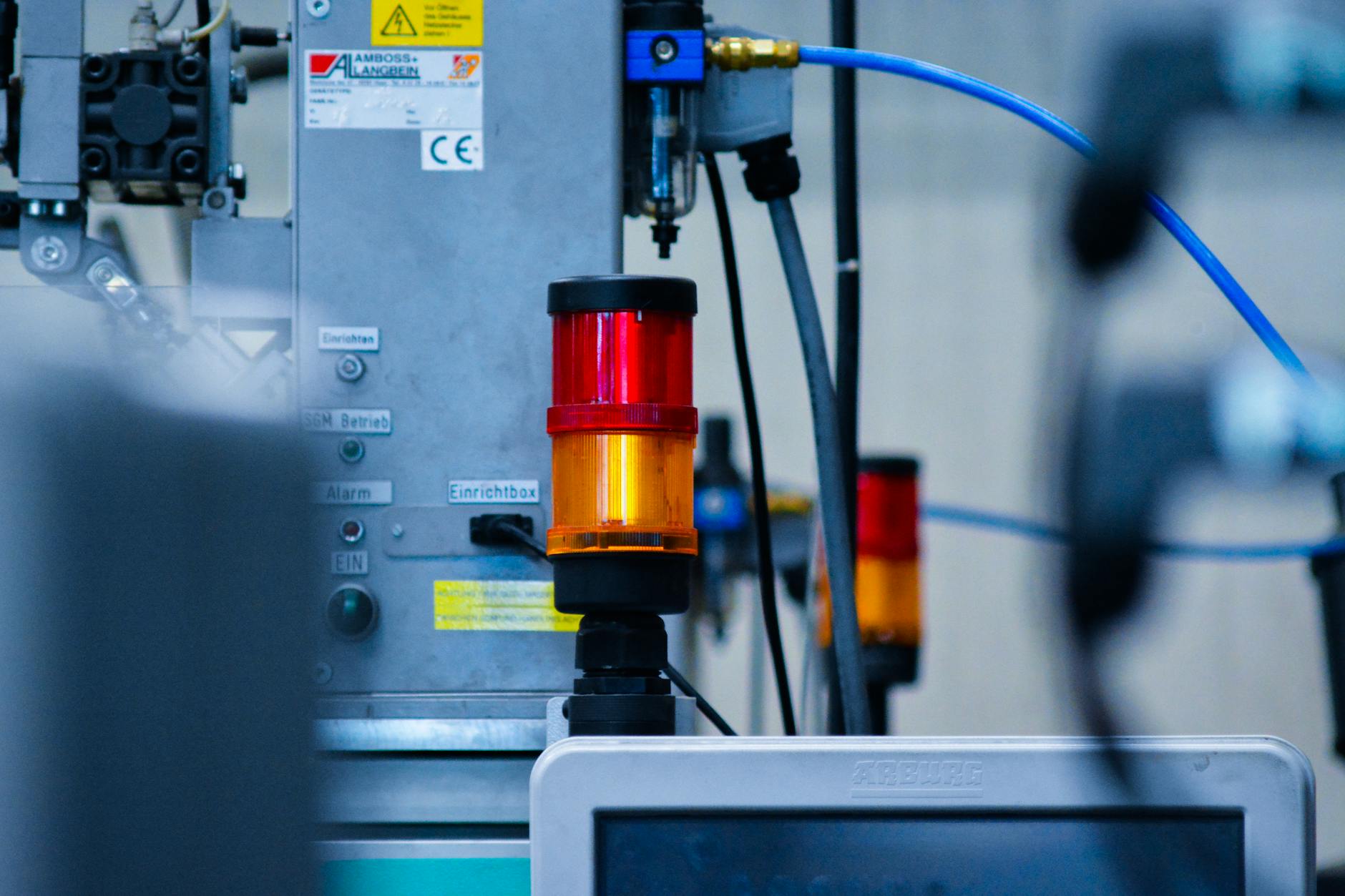
A complex network diagram showing interconnected industrial sensors and control units, with red warning indicators highlighting vulnerabilities.
Understanding Cyber-Physical Systems (CPS) in OT/ICS
Cyber-Physical Systems represent the intricate integration of computation, networking, and physical processes. In the context of OT/ICS, CPS are the systems that monitor and control physical entities, such as power grids, manufacturing robots, autonomous vehicles, and medical devices. The failure or compromise of these systems can have immediate and severe real-world consequences, ranging from economic losses to loss of life.
“The integrity of our industrial foundations hinges on the security of their digital nervous systems. Protecting CPS in OT/ICS is not merely a technical challenge; it is a geopolitical and societal imperative.”
Pillar 1: Proactive Defense and Threat Prevention
A robust defense strategy begins with anticipating and preventing threats before they can impact operations. This involves a multi-layered approach:
1. Network Segmentation and Micro-segmentation
Isolating critical OT networks from IT networks and further segmenting them into smaller, manageable zones is crucial. Micro-segmentation takes this a step further by enforcing granular security policies between individual workloads or devices, limiting the lateral movement of threats.
2. Identity and Access Management (IAM) for OT
Implementing stringent IAM policies, including multi-factor authentication (MFA) and the principle of least privilege, is vital. For OT environments, this often requires specialized solutions that can integrate with legacy systems and operational workflows.
3. Secure Development Lifecycle (SDL) for OT/IIoT Devices
Integrating security considerations from the earliest stages of design and development for all OT and IIoT components is essential. This includes threat modeling, secure coding practices, and rigorous testing.
4. Vulnerability Management and Patching
While patching OT systems can be challenging due to operational continuity requirements, a systematic approach is necessary. This involves continuous asset inventory, risk-based vulnerability assessment, and carefully planned patching or mitigation strategies. For systems where patching is not feasible, compensating controls must be implemented.
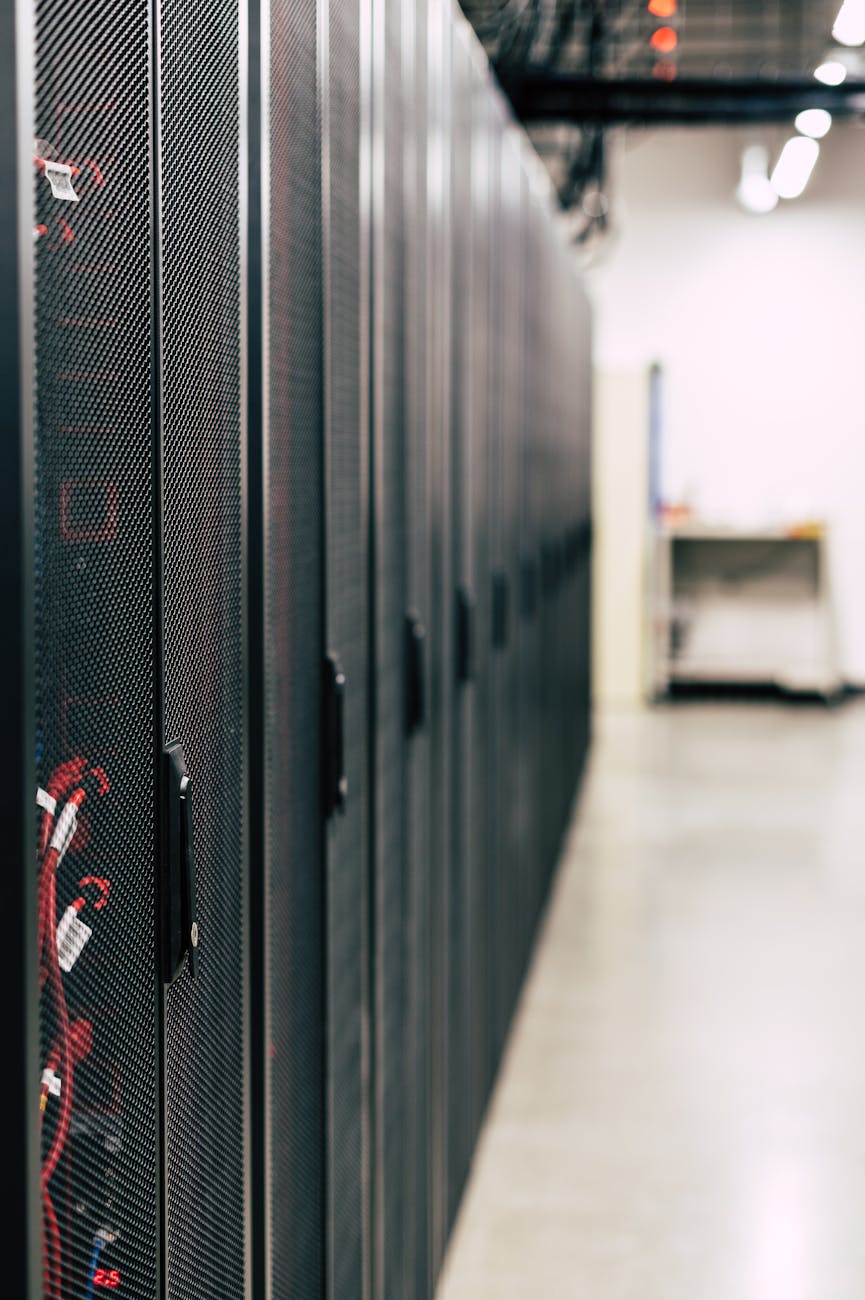
A split image showing a secure server room on one side and a manufacturing plant floor on the other, connected by a secure data conduit.
Pillar 2: Enhanced Detection and Rapid Response
Even the most robust defenses can be breached. Therefore, the ability to detect intrusions quickly and respond effectively is critical for minimizing damage.
1. OT-Specific Intrusion Detection and Prevention Systems (IDPS)
Traditional IT-based IDPS may not be sufficient for OT environments. Specialized solutions that understand OT protocols (e.g., Modbus, DNP3, Profinet) and can detect anomalies indicative of industrial cyberattacks are necessary.
2. Security Information and Event Management (SIEM) and Security Orchestration, Automation, and Response (SOAR)
Aggregating and analyzing security logs from both IT and OT systems in a unified SIEM platform provides better visibility. Integrating SIEM with SOAR capabilities allows for the automation of incident response workflows, significantly reducing reaction times.
3. Threat Intelligence Integration
Leveraging global threat intelligence feeds tailored to OT/ICS threats enables organizations to proactively identify and defend against emerging attack vectors and indicators of compromise.
4. Incident Response Planning and Drills
Developing comprehensive incident response plans specifically for OT/ICS scenarios, and conducting regular tabletop exercises and simulations, ensures that teams are prepared to act decisively when an incident occurs.
Pillar 3: Building System Resilience and Recovery
Beyond defense and detection, ensuring that systems can withstand and recover from attacks is fundamental to long-term operational continuity.
1. Redundancy and Failover Mechanisms
Implementing redundant components and automated failover systems for critical OT infrastructure ensures that if one part of the system fails or is compromised, operations can seamlessly transition to a backup system.
2. Robust Backup and Recovery Strategies
Regular, secure, and tested backups of critical system configurations, software, and data are essential. This includes air-gapped backups that are physically isolated from the network to prevent ransomware from encrypting them.
3. System Hardening and Configuration Management
Continuously hardening OT systems by disabling unnecessary services, configuring secure settings, and maintaining strict configuration management helps reduce the attack surface and ensures systems operate as intended.
4. Physical Security Integration
Cybersecurity for CPS cannot be separated from physical security. Protecting control centers, remote sites, and critical hardware components from unauthorized physical access is a crucial layer of defense.
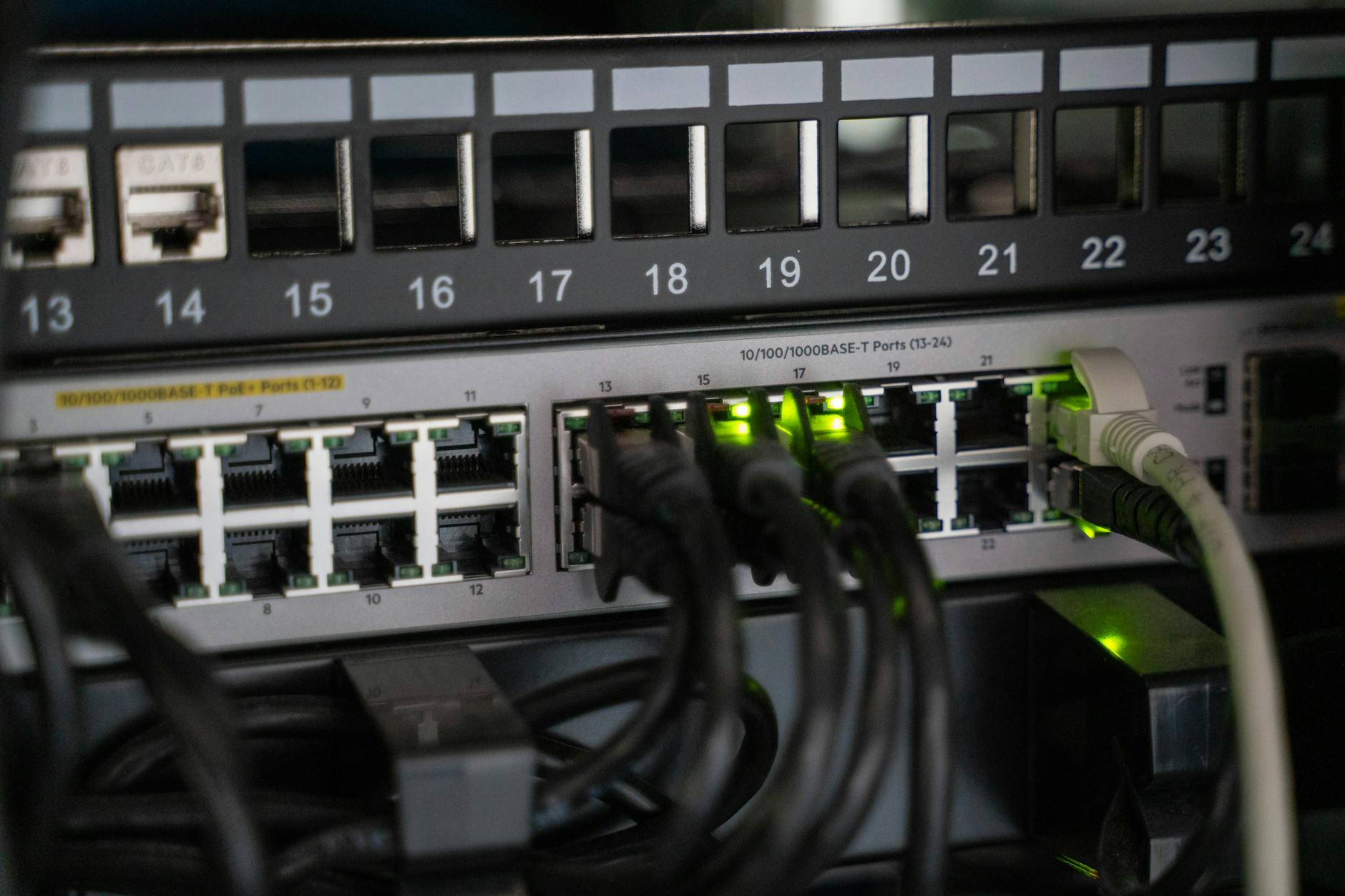
A schematic diagram illustrating a resilient industrial network with multiple redundant pathways and failover nodes.
Case Study: Securing the Smart Grid
The global transition towards renewable energy sources, heavily reliant on grid-scale long-duration energy storage and smart grid technologies, presents unique cybersecurity challenges. These systems, characterized by distributed assets, complex interdependencies, and the need for real-time control, are prime targets. A leading energy provider implemented a comprehensive CPS protection strategy, including:
- Network Segmentation: Strict separation of SCADA networks from corporate IT networks, with unidirectional gateways for data flow where feasible.
- Endpoint Security: Deployment of OT-aware endpoint detection and response (EDR) solutions on critical control servers and workstations.
- Behavioral Analytics: Utilization of AI-powered behavioral analytics to detect anomalous communication patterns between grid components, identifying potential threats that bypass signature-based detection.
- Incident Response Playbooks: Development of specific playbooks for common grid disruption scenarios, such as cyber-attacks on substations or communication failures.
The result was a significant reduction in detected security incidents and a marked improvement in the grid’s ability to withstand and recover from simulated cyber-attacks, ensuring reliable energy delivery.
| Technology Category | Description | Primary Benefit |
|---|---|---|
| Network Segmentation & Firewalls | Isolating critical assets and controlling traffic flow between network zones. | Limits threat lateral movement. |
| Intrusion Detection/Prevention Systems (IDPS) | Monitoring network traffic for malicious activity and preventing attacks. | Early threat detection and blocking. |
| Identity & Access Management (IAM) | Ensuring only authorized users and systems can access resources. | Prevents unauthorized access and privilege escalation. |
| Vulnerability Management Tools | Identifying and prioritizing system weaknesses. | Informs patching and mitigation efforts. |
| SIEM/SOAR Platforms | Centralized logging, event correlation, and automated response. | Enhanced visibility and faster incident response. |
| Asset Inventory & Configuration Management | Maintaining an accurate record of all connected devices and their configurations. | Foundation for all security controls. |
The Future of CPS Security in OT/ICS
The landscape of CPS security is continuously evolving, driven by advancements in AI, quantum computing, and the increasing complexity of industrial systems. Emerging trends and future considerations include:
- AI and Machine Learning for Predictive Security: AI will play an even greater role in predicting potential threats and vulnerabilities before they are exploited, moving beyond reactive detection.
- Quantum-Resistant Cryptography: As quantum computing capabilities advance, the need for quantum-resistant cryptographic algorithms to protect sensitive OT data will become critical.
- Digital Twins for Resilience Testing: Creating virtual replicas of physical systems (digital twins) will allow for more sophisticated testing of security measures and resilience strategies in a risk-free environment.
- Zero Trust Architecture in OT: Extending Zero Trust principles to OT environments, where trust is never assumed and always verified, will be crucial for securing highly distributed and interconnected systems.
- International Collaboration and Standards: Greater international cooperation on cybersecurity standards, threat intelligence sharing, and incident response will be essential for defending global critical infrastructure.

A holographic interface displaying complex data visualizations of a secure industrial network, with AI-driven threat predictions.
Conclusion: A Continuous Journey of Fortification
Protecting Cyber-Physical Systems within OT and ICS is not a one-time project but a continuous journey of adaptation, vigilance, and innovation. The strategies outlined – proactive defense, enhanced detection and response, and robust resilience – form the bedrock of a secure operational future. As industries embrace digital transformation, prioritizing the cybersecurity of CPS is paramount to ensuring the safety, reliability, and continued progress of our interconnected world. The Vespellar Nexus remains committed to illuminating these critical pathways, ensuring that the autonomous archives of our industrial future are built on foundations of unshakable security and resilience.
An abstract representation of a secure digital fortress with glowing shields protecting critical infrastructure icons.
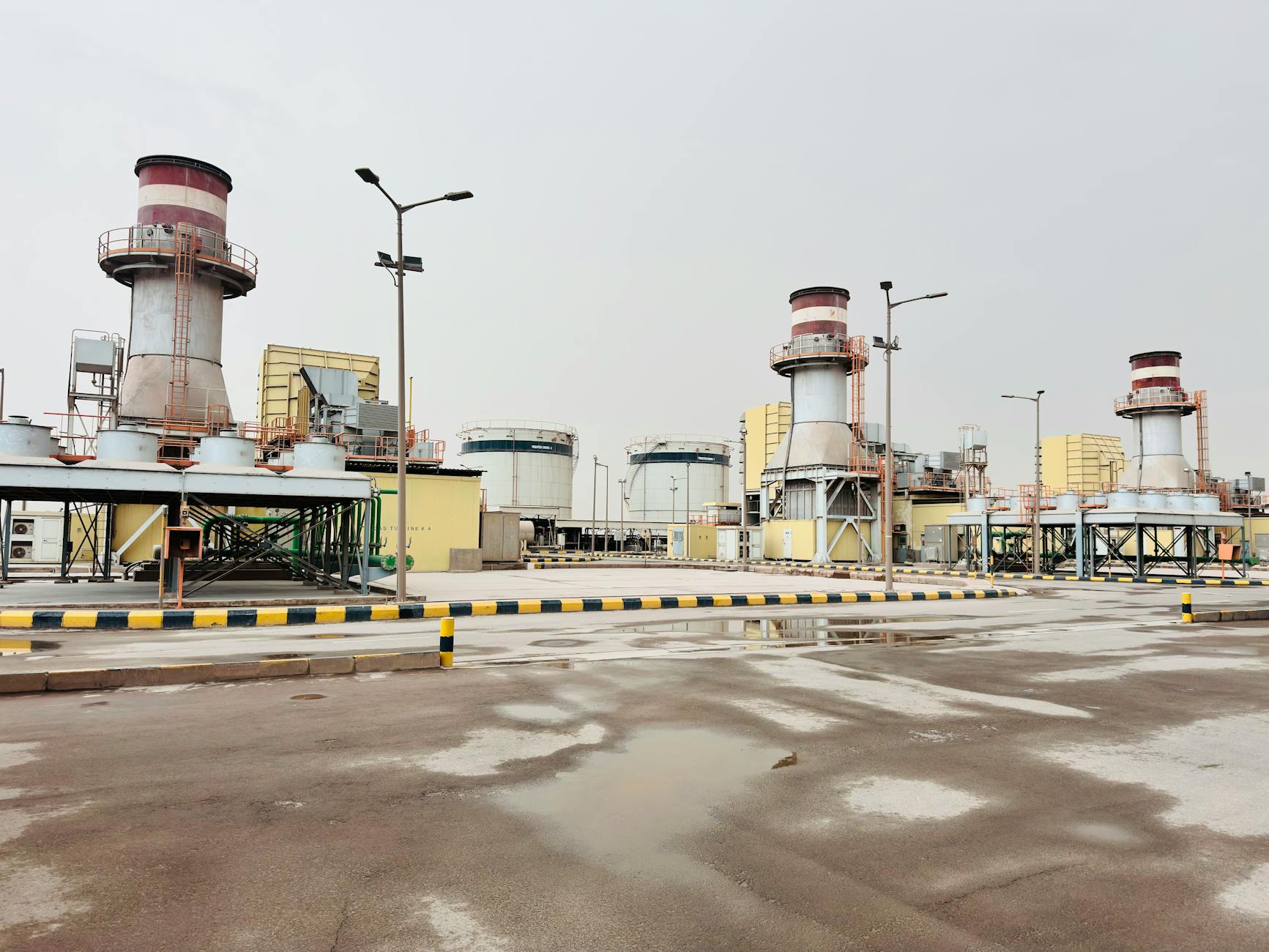
A montage of diverse industrial settings (power plant, factory, autonomous vehicle) seamlessly integrated with digital security elements.
A close-up of a secure data chip with intricate circuitry, symbolizing the high-tech nature of modern industrial security.