AI-Powered Drug Discovery and Repurposing: Unlocking the Future of Healthcare Innovation
In the relentless pursuit of medical breakthroughs, the healthcare industry stands at a pivotal juncture. The advent of Artificial Intelligence (AI) is not merely an incremental advancement; it represents a paradigm shift, fundamentally reshaping the landscape of drug discovery and development. This transformative technology is accelerating the identification of novel therapeutic candidates and breathing new life into existing pharmaceuticals through drug repurposing, heralding an era of unprecedented innovation in healthcare.
The Unprecedented Potential of AI in Drug Discovery
The traditional drug discovery process is notoriously long, arduous, and expensive, often spanning over a decade and costing billions of dollars. A vast majority of drug candidates fail to reach the market due to efficacy or safety concerns. AI, with its remarkable ability to process and analyze colossal datasets, is poised to revolutionize this paradigm.
Accelerating Target Identification and Validation
AI algorithms can sift through vast repositories of biological, chemical, and clinical data, identifying potential drug targets with unparalleled speed and accuracy. By analyzing complex biological pathways, genetic mutations, and disease mechanisms, AI can pinpoint novel targets that human researchers might overlook. This significantly reduces the time and resources required in the initial stages of discovery.
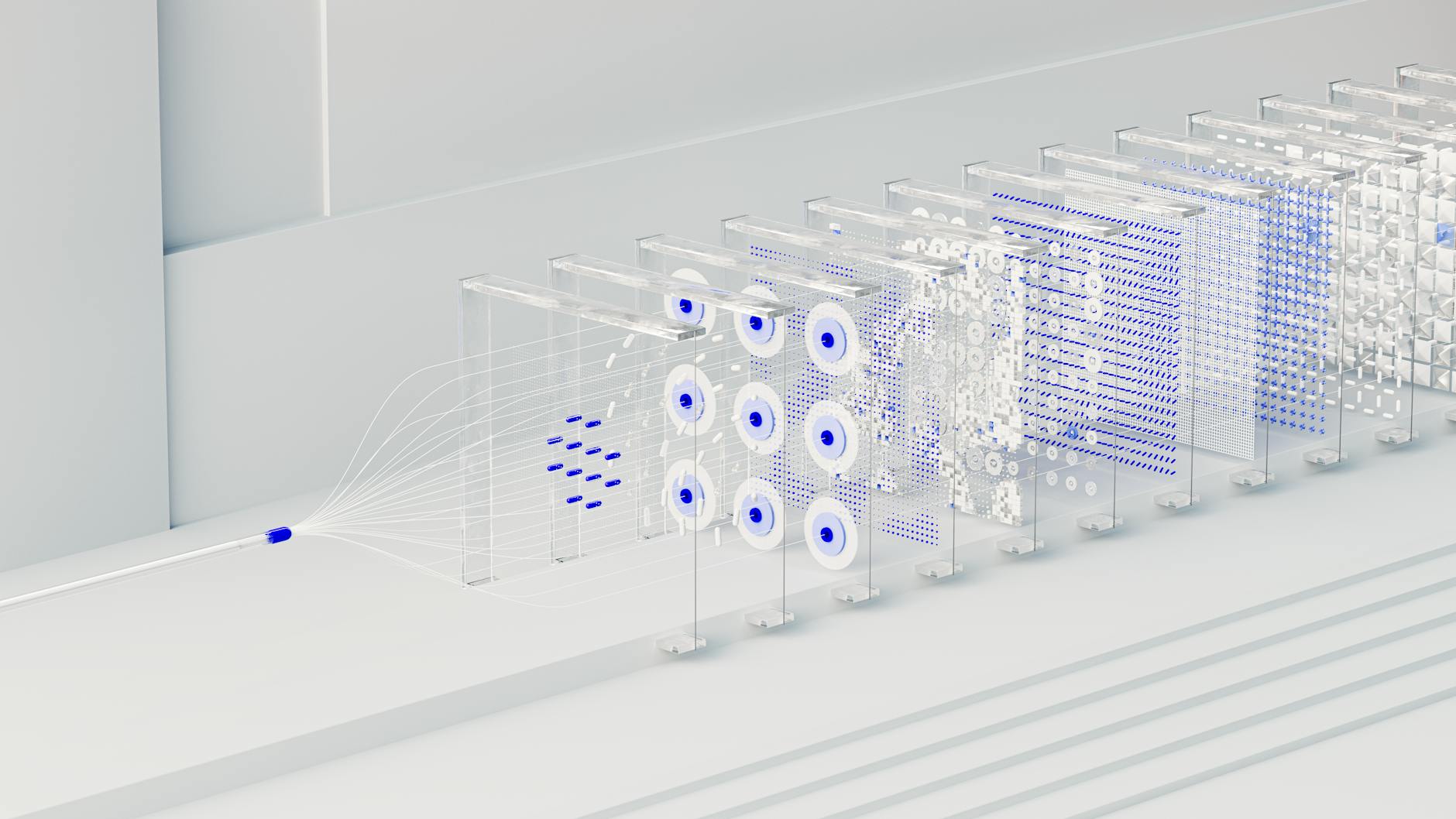
A futuristic laboratory scene with holographic displays showing complex molecular structures and data streams, with AI algorithms visually represented as glowing neural networks.
De Novo Drug Design and Optimization
Generative AI models, a subset of AI, are capable of designing entirely new molecular structures with desired properties. These models can learn the fundamental rules of chemistry and pharmacology to propose novel drug candidates optimized for specific targets and therapeutic outcomes. This capability moves beyond merely screening existing compounds to creating bespoke solutions for unmet medical needs.
| AI Application | Impact on Drug Discovery | Key Technologies |
|---|---|---|
| Target Identification | Faster and more accurate identification of disease-related biological targets. | Machine Learning, Deep Learning, Natural Language Processing (NLP) |
| Lead Optimization | Designing novel molecules with improved efficacy, safety, and pharmacokinetic profiles. | Generative Adversarial Networks (GANs), Reinforcement Learning |
| Predictive Modeling | Forecasting drug efficacy, toxicity, and patient response. | Supervised Learning, Ensemble Methods |
| Clinical Trial Design | Optimizing patient stratification and trial protocols for higher success rates. | Predictive Analytics, Simulation |
Predicting Efficacy and Toxicity
AI models can predict the potential efficacy and toxicity of drug candidates early in the development pipeline. By analyzing data from preclinical studies, in vitro assays, and even real-world patient data, AI can identify compounds likely to fail due to adverse effects, thereby saving significant resources and preventing potential harm to patients. This predictive power is a cornerstone of modern, efficient drug development.
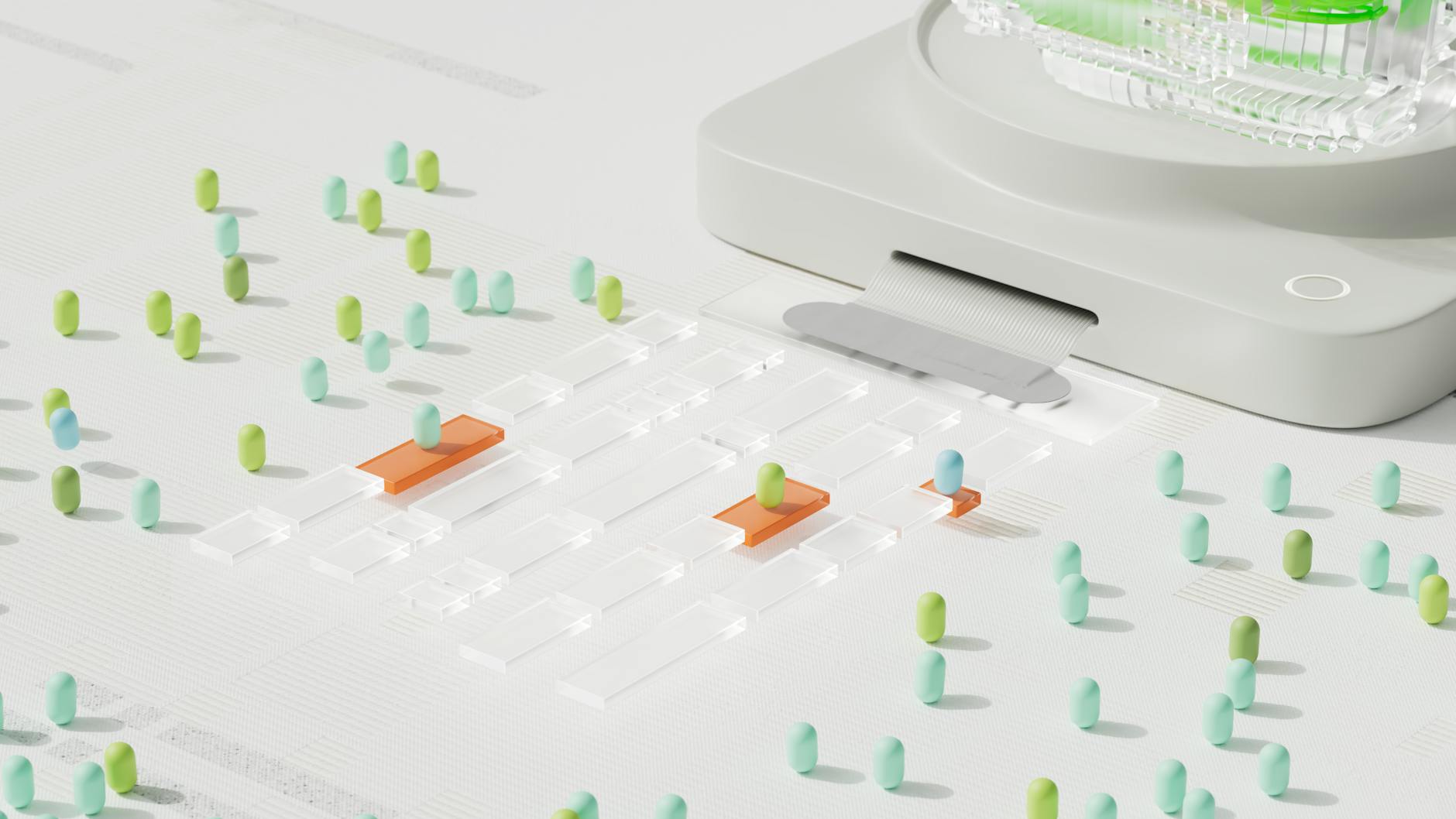
A split screen showing a molecule on one side and a simulated biological interaction on the other, with AI-generated probability scores for efficacy and toxicity.
The Power of Drug Repurposing with AI
Drug repurposing, also known as drug repositioning or drug redevelopment, involves identifying new therapeutic uses for existing drugs that have already been approved or have undergone clinical testing. This strategy offers a faster, cheaper, and less risky pathway to new treatments compared to developing entirely new drugs.
Leveraging Existing Data for New Discoveries
AI is exceptionally adept at analyzing vast datasets of drug information, patient records, scientific literature, and clinical trial results. By identifying hidden patterns and connections between existing drugs and various diseases, AI can uncover novel therapeutic applications for approved medications. This is particularly valuable for rare diseases or conditions with limited treatment options.
“AI has the remarkable ability to connect disparate pieces of information, revealing therapeutic opportunities that would remain invisible through traditional research methods.”
– Dr. Evelyn Reed, Chief AI Strategist, Vespellar Nexus Labs
Accelerating Clinical Trials for Repurposed Drugs
Once a potential repurposing candidate is identified, AI can further assist in designing and optimizing clinical trials. By analyzing patient data and disease characteristics, AI can help identify suitable patient populations, predict treatment responses, and refine trial protocols, thereby accelerating the path to regulatory approval and patient access.
A flowchart illustrating the drug repurposing process, highlighting AI’s role in data analysis, target identification, and clinical trial optimization.
Case Studies: AI in Action
Case Study 1: AI in Oncology
In the fight against cancer, AI has shown immense promise. Companies are using AI to identify novel targets for cancer therapies, design personalized treatment regimens based on a patient’s genetic profile, and predict response to immunotherapy. For instance, AI platforms have been instrumental in identifying existing drugs that could be repurposed to treat specific types of cancer, significantly shortening the development timeline.
Case Study 2: Combating Infectious Diseases
The COVID-19 pandemic underscored the urgent need for rapid drug development. AI played a crucial role in identifying potential antiviral compounds and predicting their efficacy. Furthermore, AI algorithms were employed to screen existing drugs for repurposing as treatments for COVID-19, with some promising candidates emerging from these analyses.
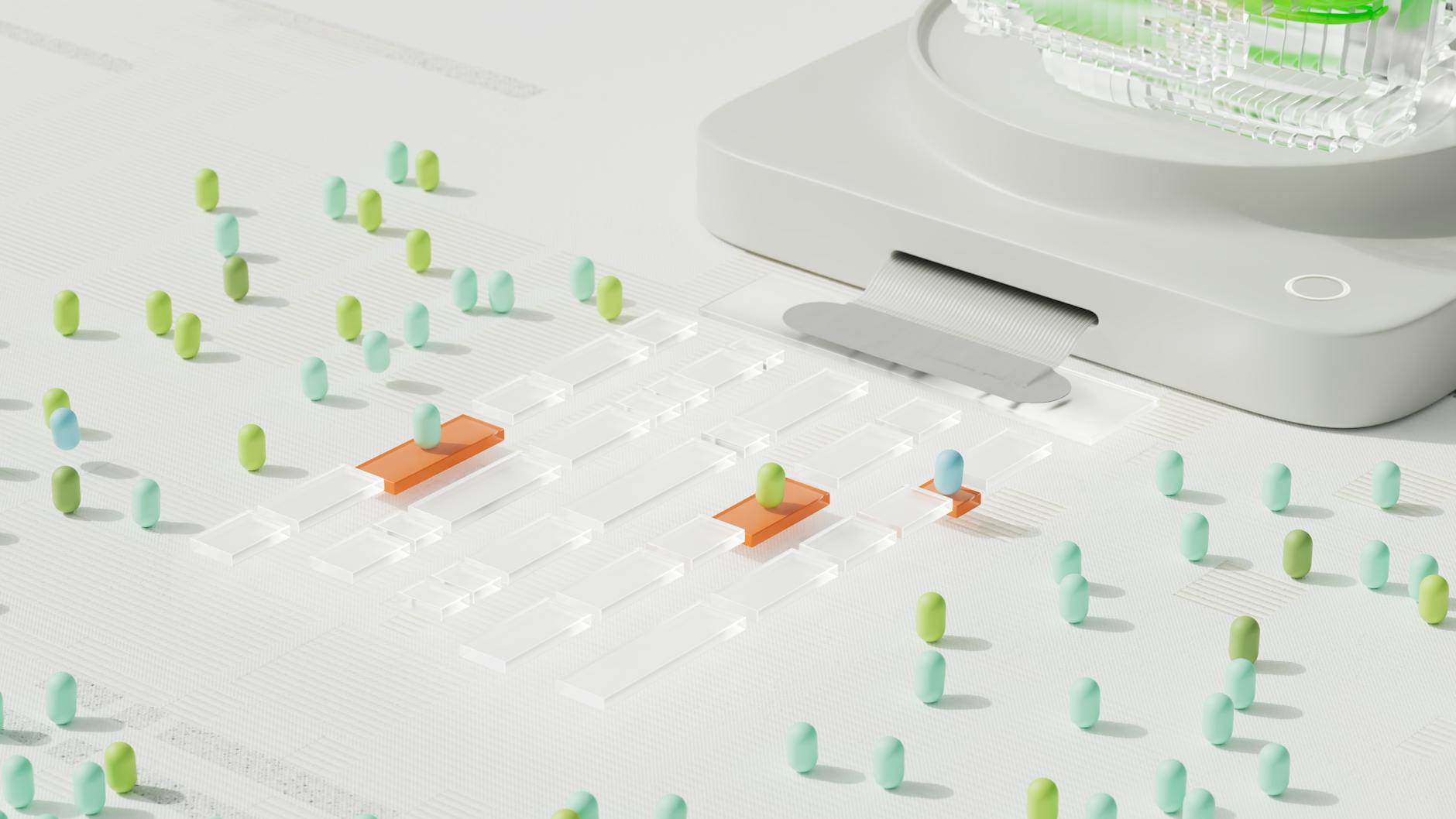
A visual representation of AI analyzing vast genomic data to identify potential drug targets for a specific disease, with glowing nodes and connections.
Challenges and Ethical Considerations
Despite the transformative potential, the integration of AI in drug discovery and repurposing is not without its challenges. These include:
- Data Quality and Accessibility: AI models are only as good as the data they are trained on. Ensuring the quality, completeness, and accessibility of diverse datasets is crucial.
- Regulatory Hurdles: Regulatory bodies are still adapting to AI-driven drug development, requiring new frameworks for validation and approval.
- Ethical Governance: As AI models become more sophisticated, questions surrounding data privacy, algorithmic bias, and the ethical implications of AI-driven healthcare decisions become paramount. The development of robust ethical governance frameworks is essential to ensure responsible AI deployment.
- Interpretability: Understanding *why* an AI model makes a particular prediction (the ‘black box’ problem) is critical for scientific validation and regulatory acceptance.
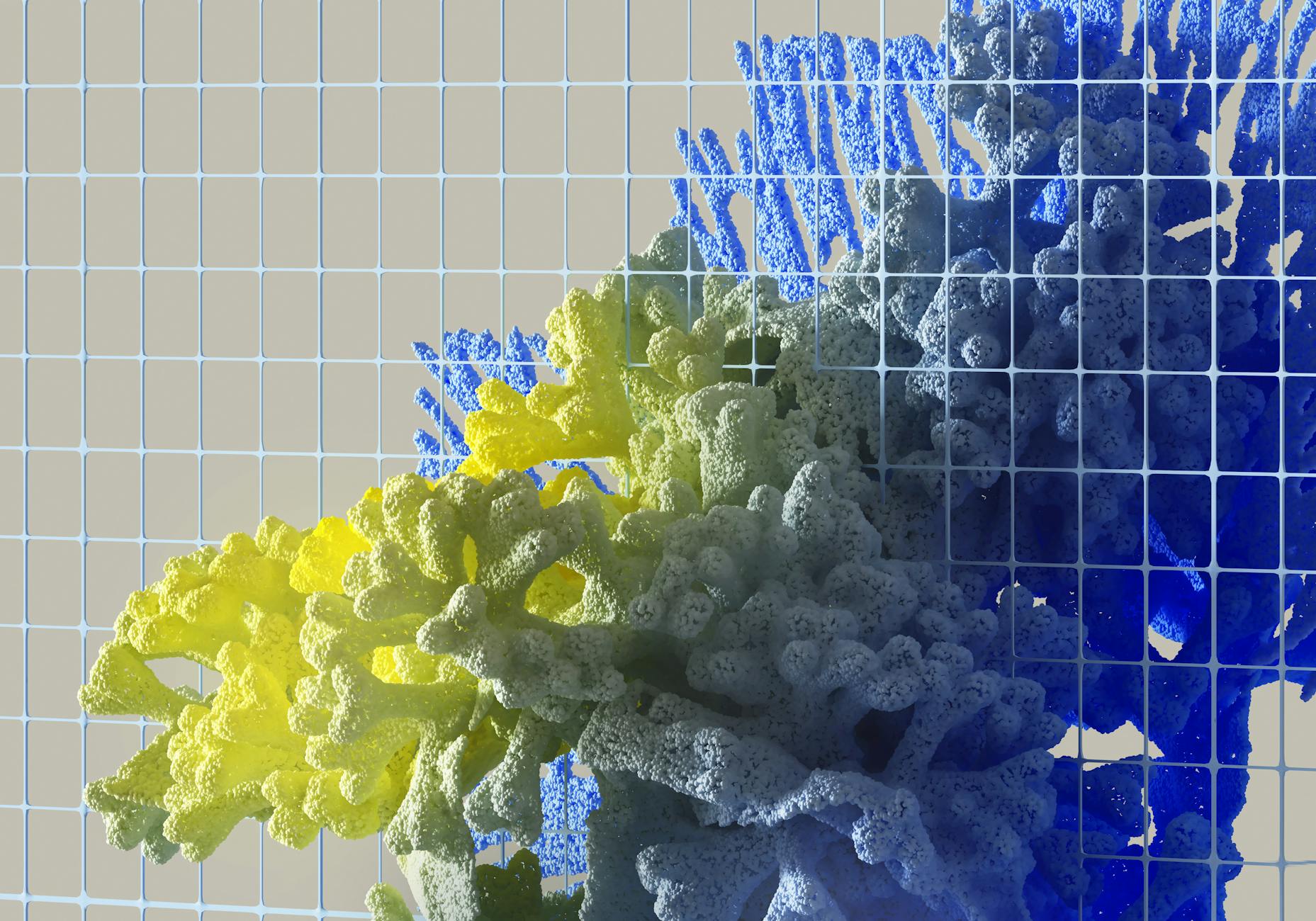
A stylized graphic representing the complex interplay between AI, data, ethics, and regulation in drug development.
The Future of Healthcare: An AI-Augmented Reality
The integration of AI into drug discovery and repurposing is not a distant dream but a rapidly unfolding reality. As AI technologies continue to evolve, we can anticipate even more profound impacts:
- Hyper-Personalized Medicine: AI will enable the development of highly personalized therapies tailored to an individual’s unique genetic makeup, lifestyle, and disease profile.
- Predictive Health: AI will shift the focus from treating illness to preventing it, by predicting disease risk and intervening proactively.
- Democratization of Healthcare: AI-powered tools could potentially make advanced diagnostics and personalized treatments more accessible and affordable globally.
The journey of AI in healthcare is a testament to human ingenuity, pushing the boundaries of what’s possible. By embracing these advanced strategies, we are not just developing new drugs; we are forging a future where healthcare is more precise, accessible, and effective for all.

A panoramic view of a technologically advanced city with integrated healthcare systems, symbolizing the future of AI-driven wellness.
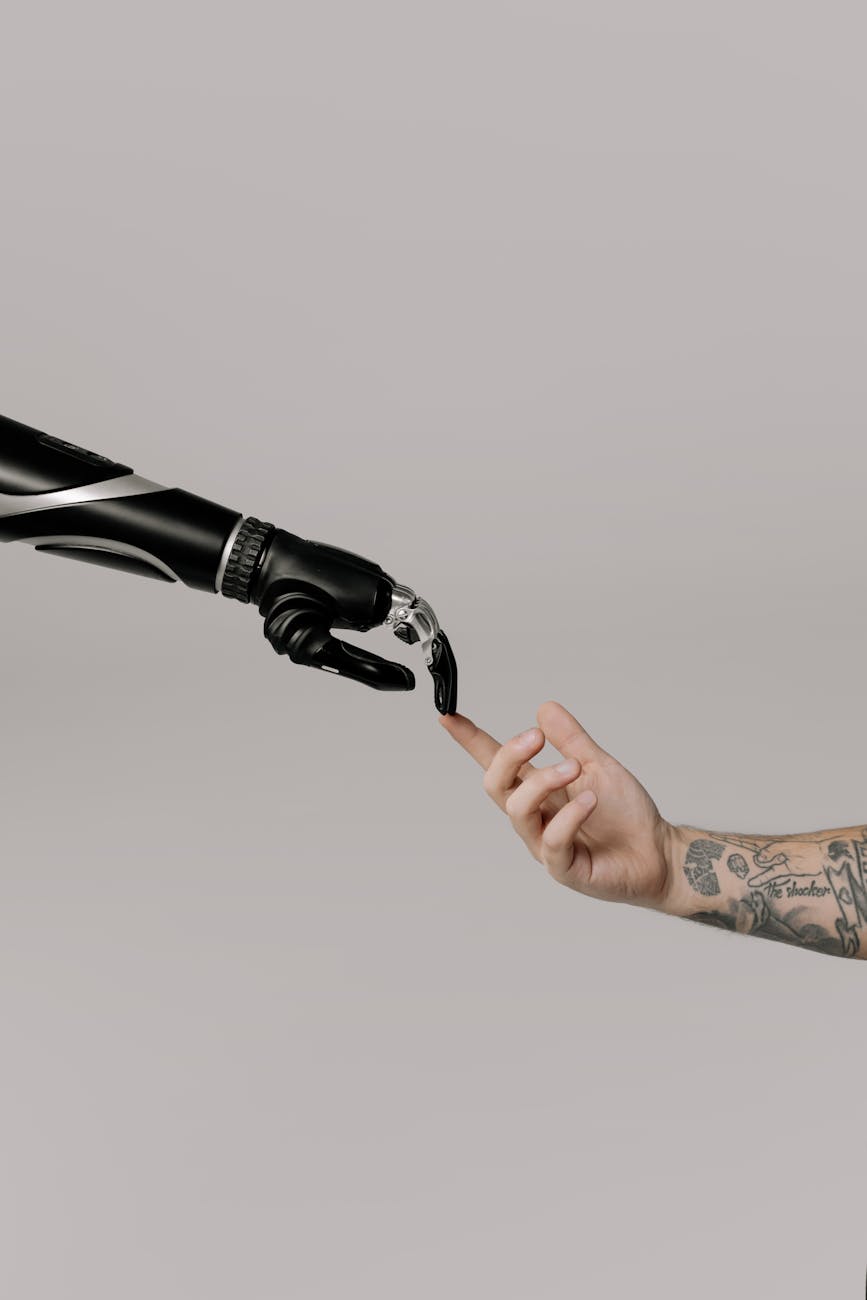
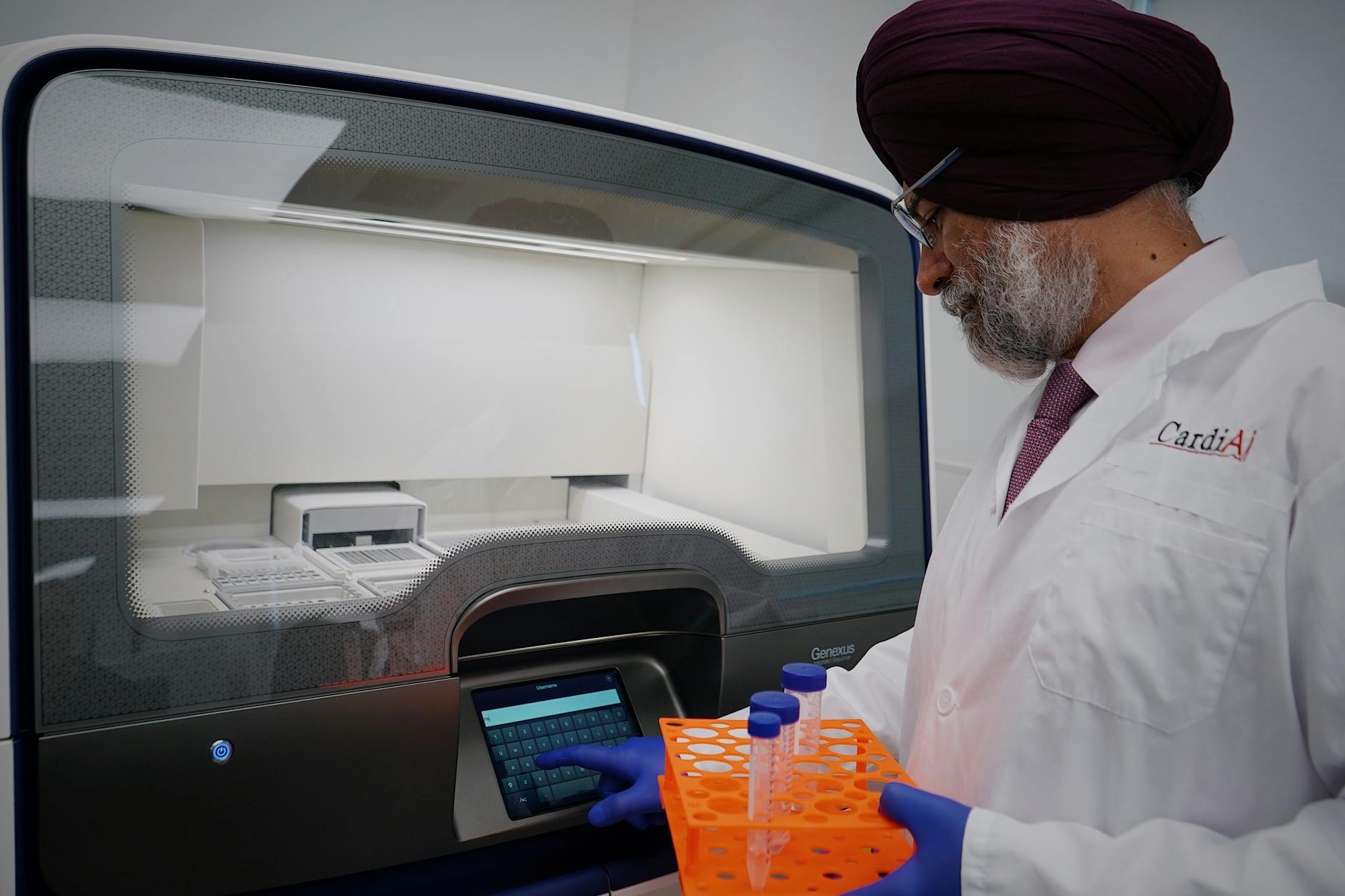
A close-up of a human hand interacting with a holographic AI interface displaying molecular data, representing the synergy between human expertise and artificial intelligence.
Conclusion
AI-powered drug discovery and repurposing represent a monumental leap forward in our quest for better health outcomes. By harnessing the computational power and analytical capabilities of AI, we are accelerating innovation, reducing costs, and ultimately, bringing life-saving therapies to patients faster than ever before. This symbiotic relationship between human intelligence and artificial intelligence is the key to unlocking the full potential of the future of healthcare.