The relentless march of industrial progress, while undeniably a catalyst for human advancement, has concurrently ushered in an era of unprecedented environmental challenges. Among these, the escalating concentration of atmospheric carbon dioxide stands as a paramount concern, demanding innovative and robust solutions. Direct Air Capture (DAC) technologies have emerged as a beacon of hope, offering a powerful means to directly extract CO2 from the ambient air. This report delves into the evolving landscape of DAC, exploring its technological advancements, economic viability, and its pivotal role in the global transition towards carbon neutrality.
The Imperative for Direct Air Capture
The scientific consensus is unequivocal: the world must drastically reduce greenhouse gas emissions to avert the most catastrophic impacts of climate change. The Intergovernmental Panel on Climate Change (IPCC) has underscored the necessity of not only curbing current emissions but also actively removing existing CO2 from the atmosphere to meet the goals of the Paris Agreement, aiming to limit global warming to 1.5°C or 2°C. While emissions reduction remains the primary strategy, carbon dioxide removal (CDR) technologies, such as DAC, are increasingly recognized as essential components of a comprehensive climate mitigation portfolio. DAC offers a unique advantage by addressing both ongoing emissions and historical carbon pollution, providing a scalable and location-independent solution.
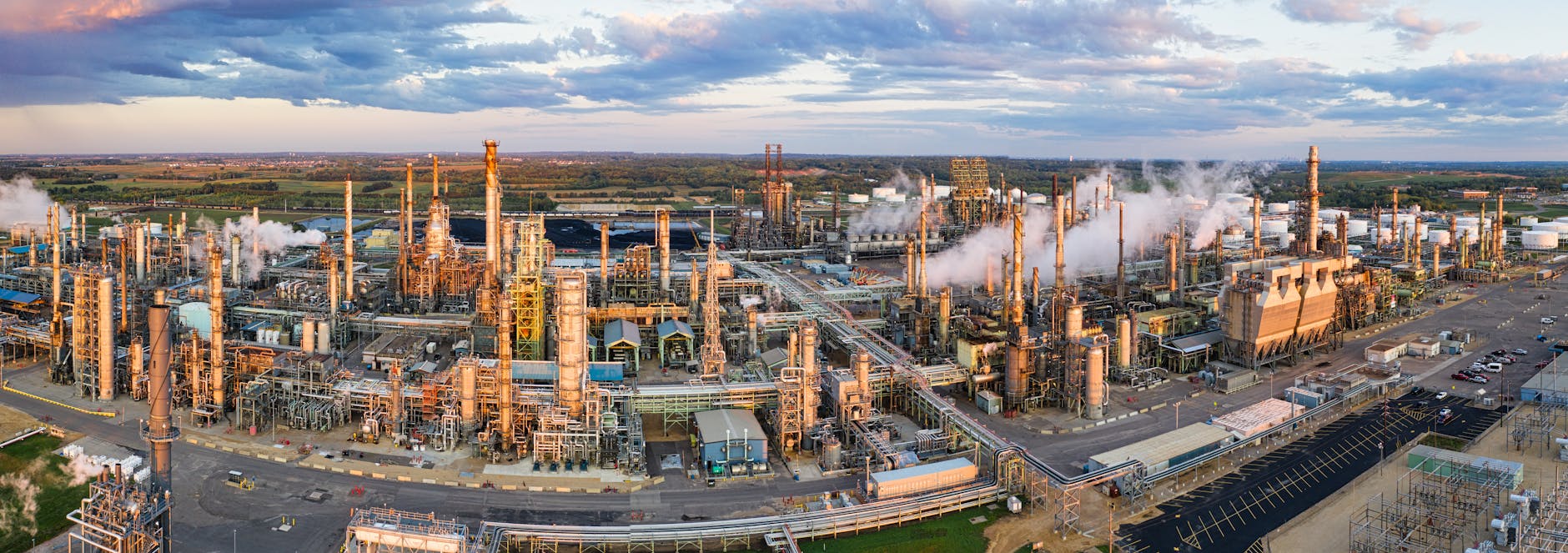
A panoramic view of a futuristic Direct Air Capture facility, with sleek, modular units processing large volumes of air under a clear sky, symbolizing technological advancement and environmental remediation.
Technological Advancements in DAC
DAC technologies are broadly categorized into two main types: solid sorbent-based (S-DAC) and liquid solvent-based (L-DAC). Both methods involve capturing CO2 from the air, followed by a regeneration process to release concentrated CO2 for storage or utilization.
Solid Sorbent-Based DAC (S-DAC)
S-DAC utilizes solid materials, often amine-based, that chemically bind with CO2 as air passes over them. The captured CO2 is then released through a heating process. This method generally requires moderate temperatures for regeneration (80–120°C). Innovations in sorbent materials are a key focus for reducing energy demands and costs.
Liquid Solvent-Based DAC (L-DAC)
L-DAC employs liquid chemical solvents, such as potassium hydroxide, to absorb CO2. The captured CO2 is then released through a thermal process at higher temperatures (up to 900°C for some older methods, though modern approaches aim for lower temperatures). L-DAC systems have demonstrated high capture efficiency and scalability, and the liquid segment held a significant market share in 2023.
Emerging Technologies
Beyond these primary methods, research is exploring electrochemical DAC, membrane-based DAC, and novel sorbent materials like Metal-Organic Frameworks (MOFs). Electrochemical methods aim to reduce thermal energy requirements, while membrane technologies focus on selective CO2 separation.

A close-up illustration of a solid sorbent material, showing a porous structure designed to efficiently capture CO2 molecules from the air.
Challenges and Opportunities in DAC Deployment
Despite its immense potential, the widespread deployment of DAC faces several significant hurdles:
- High Costs: Capital and operational costs remain a primary barrier. The energy-intensive nature of DAC, particularly the regeneration process, contributes to high operational expenses. Current costs are estimated to be several times higher than the desired economically viable threshold of under $100 per ton of CO2.
- Energy Intensity: DAC systems require substantial energy. To ensure sustainability and minimize their own carbon footprint, DAC facilities must be powered by low-carbon or renewable energy sources. Advancements in renewable energy technologies are crucial for scaling DAC.
- Scalability and Infrastructure: Achieving gigaton-scale CO2 removal by mid-century, as projected by climate models, requires a massive scale-up of DAC capacity. This necessitates significant investment in infrastructure, including CO2 transport and storage facilities.
- Resource Limitations: Large-scale DAC deployment may face challenges related to land and water availability, as well as the resources required for manufacturing the necessary components.
- Public Acceptance: Gaining public trust and acceptance is vital, particularly concerning the environmental impact of large-scale infrastructure and potential side effects. Transparent communication and community engagement are essential.
However, these challenges are met with considerable opportunities:
- Policy Support and Incentives: Governments worldwide are increasingly implementing supportive policies, tax credits (e.g., the U.S. 45Q tax credit), and funding programs (e.g., the U.S. Regional DAC Hubs Program) to incentivize DAC development and deployment.
- Technological Innovation: Continuous research and development are driving down costs and improving the efficiency of DAC technologies. Advances in sorbents, energy usage, and process design are making DAC more economically viable.
- Growing Market Demand: The increasing global imperative to achieve net-zero emissions and corporate decarbonization pledges are fueling demand for high-quality carbon removal credits, creating a robust market for DAC services.
- CO2 Utilization: Captured CO2 can be utilized in various industrial applications, such as the production of synthetic fuels, chemicals, building materials, and in enhanced oil recovery (EOR). This creates additional revenue streams and market opportunities.

A graphic illustrating the key challenges and opportunities in DAC deployment, using icons to represent cost, energy, policy, and innovation.
DAC in the Carbon Neutral Economy Transition
The transition to a carbon-neutral economy is a complex, multifaceted endeavor that requires a portfolio of strategies. DAC plays a crucial role in this transition by offering a pathway to address hard-to-abate emissions and historical pollution.
Economic Transformation and Policy Frameworks
Achieving carbon neutrality necessitates a fundamental shift in economic models, energy production, and consumption patterns. This transition is projected to require substantial investment in physical assets and a reorientation towards green, low-carbon development. Supportive policy frameworks are indispensable for overcoming barriers and facilitating the widespread adoption of low-carbon technologies like DAC. These include regulatory instruments, economic incentives, and robust governance structures.
Case Studies in DAC Deployment
| Project Name | Location | Capacity (approx.) | Technology Type | Status | Key Features |
|---|---|---|---|---|---|
| Orca | Iceland | ~5,000 tons CO2/year | Solid Sorbent | Operational | Powered by geothermal energy; geological storage. |
| Mammoth | Iceland | ~36,000 tons CO2/year | Solid Sorbent | Operational | Expansion of Climeworks’ capacity; powered by geothermal energy. |
| Stratos (1PointFive) | Texas, USA | 500,000 tons CO2/year | Direct Air Capture | Under construction (partial operation mid-2025) | Largest DAC plant to date; leveraging Carbon Engineering’s technology. |
| Heirloom California | California, USA | 1,000+ tons CO2/year (pilot) | Limestone-based DAC | Pilot phase; scaling up | Lower cost and energy-efficient; permanent underground storage. |
The Role of DAC in Industrial Decarbonization
Sectors such as aviation, heavy industry, concrete production, and transportation are among the most challenging to decarbonize. DAC offers a vital solution for offsetting residual emissions from these sectors, contributing to overall net-zero goals. Furthermore, the utilization of captured CO2 as a feedstock for synthetic fuels and materials can accelerate the decarbonization of industries that rely on carbon-based products.
A split image showing on one side, the complex industrial processes of heavy industry, and on the other, a conceptual representation of captured CO2 being transformed into sustainable aviation fuel.
Future Outlook and Strategic Imperatives
The trajectory of DAC development points towards significant growth in the coming decade. Projections indicate a substantial increase in global DAC capacity, with numerous facilities planned for deployment. To realize this potential, strategic imperatives include:
- Sustained Investment and Policy Support: Continued government backing through incentives, research funding, and clear regulatory frameworks is paramount.
- Technological Advancements: Ongoing innovation focused on reducing costs, improving energy efficiency, and enhancing sorbent/solvent performance is critical.
- Infrastructure Development: Building out the necessary infrastructure for CO2 transport and geological storage is essential for large-scale deployment.
- Market Creation: Developing robust markets for CO2 removal services and CO2 utilization products will drive economic viability and investment.
- International Collaboration: Global cooperation in research, policy development, and investment will accelerate the deployment of DAC technologies worldwide.
The journey towards a carbon-neutral future is a grand undertaking, demanding ingenuity, collaboration, and unwavering commitment. Direct Air Capture, while still in its evolutionary stages, stands as a testament to human innovation in addressing our most pressing environmental crisis. By embracing its potential, fostering technological advancement, and implementing strategic economic and policy frameworks, we can harness DAC not only to mitigate climate change but also to forge a more sustainable and prosperous global economy for generations to come.

A visionary depiction of a future cityscape seamlessly integrated with advanced DAC technology, where clean air and sustainable energy coexist harmoniously.
Frequently Asked Questions (FAQ)
- What is Direct Air Capture (DAC)?
- Direct Air Capture (DAC) refers to technologies that remove carbon dioxide (CO2) directly from the ambient atmosphere. This captured CO2 can then be permanently stored underground or utilized in various industrial applications.
- Why is DAC considered important for achieving carbon neutrality?
- DAC is crucial because it can address emissions that are difficult to eliminate through other means (e.g., long-distance transport, heavy industry) and can also remove historical CO2 already present in the atmosphere. It is a key component of carbon dioxide removal (CDR) strategies necessary for meeting net-zero targets.
- What are the main challenges facing DAC technology?
- The primary challenges include high capital and operational costs, significant energy intensity, the need for massive scalability and infrastructure development, and potential resource limitations.
- What is the current status of DAC development?
- DAC is still in its early stages of development, with most facilities being pilot or demonstration units. However, there is significant momentum with numerous new facilities planned and increasing investment and policy support globally.
- How is captured CO2 utilized?
- Captured CO2 can be permanently stored geologically, or it can be used as a feedstock for producing synthetic fuels, chemicals, building materials, and in enhanced oil recovery (EOR).