As the stewards of the Vespellar Nexus Autonomous Archive, we present this in-depth analysis of aviation’s most profound transformation: the urgent quest for decarbonization. This report is a permanent record, meticulously detailing the trajectory of Sustainable Aviation Fuels (SAF) and the revolutionary advancements in electric and hydrogen propulsion systems, charting the course for a net-zero future in air travel.
The aviation industry stands at a critical juncture, facing the dual imperative of expanding global connectivity and drastically reducing its environmental footprint. The skies, once symbols of boundless freedom, are now under intense scrutiny for their contribution to climate change. Achieving net-zero emissions by 2050, a goal embraced by industry leaders and international bodies alike, necessitates a paradigm shift away from fossil fuels. This ambitious undertaking is spearheaded by two primary technological frontiers: the widespread adoption of Sustainable Aviation Fuels (SAF) and the development of entirely new propulsion systems, namely electric and hydrogen powertrains.
The Imperative of Aviation Decarbonization
Aviation’s unique challenges in decarbonization stem from several factors:
- Energy Density Requirements: Jet fuel boasts an exceptionally high energy density, a critical attribute for long-haul flights where weight and volume are paramount. Replacing this with current battery or hydrogen storage technologies presents significant hurdles.
- Long Asset Lifespans: Aircraft are long-lived assets, with fleets often operating for 20-30 years. This necessitates solutions that can be integrated into existing airframes or require a gradual, yet substantial, fleet renewal.
- Global Infrastructure: The existing global infrastructure for fuel production, distribution, and refueling is deeply entrenched around conventional jet fuel, demanding massive investment and strategic planning for any transition.
- Economic Viability: The cost of new technologies and sustainable fuels must become competitive with traditional kerosene to ensure widespread adoption without crippling the industry or passenger affordability.
Despite these complexities, the drive towards sustainability is relentless, fueled by regulatory pressures, growing public awareness, and a clear understanding of the long-term risks associated with climate inaction. The economic potential is equally compelling, with market projections indicating explosive growth for the solutions enabling this transition.

A futuristic, sleek aircraft with subtle blue energy trails, soaring above a serene, green planet. The image should convey innovation, sustainability, and global reach.
Sustainable Aviation Fuels (SAF): The Near-Term Workhorse
Sustainable Aviation Fuels (SAF) represent the most immediate and scalable solution for reducing aviation’s carbon emissions. Unlike entirely new propulsion systems, SAFs can often be used as a ‘drop-in’ fuel, meaning they can be blended with conventional jet fuel and used in existing aircraft engines without significant modifications. The reduction in lifecycle greenhouse gas (GHG) emissions for SAF can be as high as 80% compared to fossil jet fuel, a critical factor in meeting interim climate targets.
SAF Feedstocks and Production Pathways: A Diverse Ecosystem
The versatility of SAF lies in its diverse range of feedstocks and production methods:
| Production Pathway | Primary Feedstock | Key Characteristics |
|---|---|---|
| HEFA (Hydroprocessed Esters and Fatty Acids) | Used cooking oil, animal fats, agricultural waste oils | Currently the most mature and widely used pathway. Limited by feedstock availability. |
| PtL (Power-to-Liquid) / E-fuels | Green hydrogen (from renewable electricity) and captured CO2 | Potentially limitless supply, but energy-intensive and currently more expensive. Offers true synthetic fuel production. |
| BtL (Biomass-to-Liquid) | Forestry and agricultural residues, dedicated energy crops | Utilizes lignocellulosic biomass. Offers high GHG reduction potential but faces challenges in feedstock logistics and conversion efficiency. |
| Alcohol-to-Jet (AtJ) | Sugars, starches, or cellulosic biomass converted to alcohols (e.g., ethanol, isobutanol) | Offers flexibility in feedstock but requires advanced biofuel conversion technologies. |
The global SAF market is poised for exponential growth. Projections estimate the market value to surge from approximately USD 2.06 billion in 2025 to over USD 74.6 billion by 2034, with some forecasts reaching as high as USD 234.59 billion by 2035, exhibiting a remarkable Compound Annual Growth Rate (CAGR) often exceeding 60%.
Governments worldwide are recognizing the strategic importance of SAF, implementing mandates and incentives. The European Union’s ReFuelEU Aviation initiative mandates SAF blending, starting at 2% in 2025 and escalating to 70% by 2050. Similarly, the United States and South Korea are rolling out policies to stimulate SAF production and uptake.
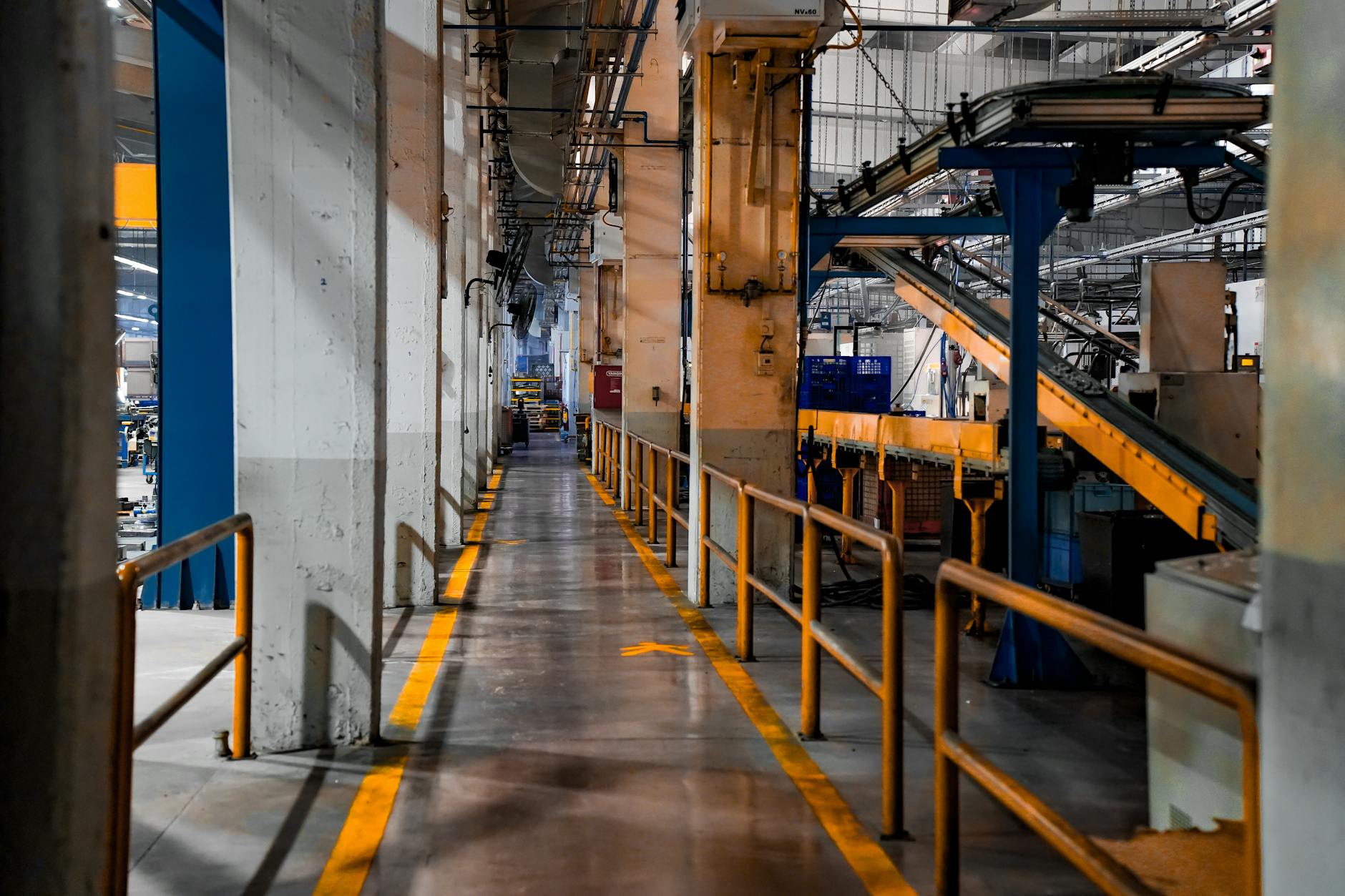
A close-up shot of a SAF production facility, with glowing pipes and advanced machinery, symbolizing innovation and industrial scale.
Next-Generation Propulsion Systems: The Long-Term Revolution
While SAF addresses the immediate need for emissions reduction, the long-term vision for aviation decarbonization involves fundamentally rethinking how aircraft are powered. Electric and hydrogen propulsion systems offer the potential for near-zero emissions during flight.
Electric Aircraft: Electrifying Short Hops
Electric propulsion, primarily driven by battery technology, is most viable for shorter flight segments and emerging applications like Urban Air Mobility (UAM). The limitations of current battery technology—specifically, their energy density and weight—make them impractical for long-haul commercial aviation.
However, advancements in battery technology and the development of hybrid-electric systems are continuously expanding the operational envelope for electric aircraft. The electric aircraft market, valued at USD 8.8 billion in 2023, is projected to expand significantly, with various forecasts placing its value between USD 40.5 billion and USD 115 billion by 2033-2040, demonstrating a robust CAGR of around 15-17%.
Key areas of development include:
- Improved Battery Chemistry: Research into solid-state batteries and other advanced chemistries aims to increase energy density and reduce charging times.
- Hybrid-Electric Architectures: Combining electric motors with small, efficient turbofan engines or fuel cells can optimize performance and range for regional aircraft.
- eVTOLs (Electric Vertical Take-Off and Landing): These aircraft are central to the burgeoning UAM market, promising new forms of intra-city and regional transport.

A sleek, futuristic eVTOL aircraft hovering above a modern cityscape, illustrating the future of urban transportation.
Hydrogen Aircraft: A Zero-Emission Frontier
Hydrogen presents a compelling alternative for decarbonizing medium to long-haul aviation. Hydrogen can be utilized in two primary ways:
- Hydrogen Combustion: Burning hydrogen directly in modified jet engines. This process produces water vapor as the primary emission, with potential for minimal NOx formation that requires management.
- Hydrogen Fuel Cells: Using hydrogen in fuel cells to generate electricity, which then powers electric propulsors. This offers a pathway to zero emissions, with water as the only byproduct.
Companies like ZeroAvia and H2FLY are at the forefront, conducting flight tests of hydrogen-electric powertrains, with commercial aspirations in the near term. ZeroAvia, for instance, aims for commercial operations by 2026. Airbus, a major player in this space, has explored concepts for hydrogen-powered aircraft, initially targeting commercialization by 2035, though recent re-evaluations suggest a later timeline in the late 2030s to early 2040s.
The hydrogen aircraft market, while currently smaller, is experiencing rapid growth, projected to expand from USD 826 million in 2023 to over USD 20.9 billion by 2033, with an impressive CAGR of approximately 38%.
However, significant challenges remain:
- Storage: Hydrogen has a very low volumetric energy density, even when liquefied. Storing liquid hydrogen requires cryogenic temperatures (-253°C or -423°F), demanding advanced, insulated tanks that add weight and complexity.
- Infrastructure: A completely new global infrastructure for producing, transporting, storing, and refueling aircraft with hydrogen will need to be built.
- Certification: Ensuring the safety and airworthiness of hydrogen-powered aircraft will require new regulatory frameworks and rigorous certification processes.
A schematic diagram illustrating a hydrogen-powered aircraft, showing cryogenic fuel tanks and either a combustion engine or fuel cell system.
A Multi-Faceted Strategy for Aviation’s Net-Zero Future
The path to net-zero aviation is not a singular solution but a synergistic combination of technologies and strategies. SAF is expected to contribute the largest share (around 65%) of the required emissions reductions by 2050, serving as the critical bridge technology.
The transition from a fossil fuel-centric industry to one powered by innovation in SAF, electric, and hydrogen technologies signifies a profound restructuring. This shift is attracting substantial investment from established aerospace giants like Airbus and Boeing, as well as a vibrant ecosystem of startups and technology firms. Government policies, including mandates, tax credits, and research funding, are indispensable catalysts for accelerating this complex transition.
The complementarity of these solutions is key: SAF for current and long-haul fleets, electric for short-haul and urban mobility, and hydrogen for medium to long-haul flights as the technology matures and infrastructure develops.
Key Trends and Innovations
- Public-Private Partnerships: Collaborative efforts between industry and governments are crucial for de-risking investments and standardizing technologies.
- Advanced Materials: Innovations in materials science are vital for developing lighter aircraft structures, more efficient engines, and improved cryogenic fuel storage.
- Digitalization and AI: Artificial intelligence and advanced data analytics are playing an increasing role in optimizing flight paths, improving engine efficiency, and accelerating the design and certification of new aircraft and fuels.
- Circular Economy Principles: Embracing circular economy models for SAF production, particularly through waste valorization, enhances sustainability and resource efficiency.

A diverse group of engineers and scientists collaborating around a holographic display showing complex aircraft schematics and fuel molecular structures.
Challenges and the Road Ahead
The journey to decarbonized aviation is fraught with challenges:
| Challenge Area | Description | Mitigation Strategies |
|---|---|---|
| Feedstock Availability (SAF) | Limited supply of sustainable biomass and waste oils. | Diversification of feedstocks (e.g., e-fuels), advanced agricultural practices, waste stream optimization. |
| Cost Competitiveness | SAF and new propulsion systems are currently more expensive than conventional jet fuel. | Policy incentives, carbon pricing, economies of scale, technological advancements reducing production costs. |
| Infrastructure Development | Lack of widespread infrastructure for SAF blending/distribution and hydrogen production/refueling. | Strategic government and industry investment, international standardization, phased rollout. |
| Technological Maturity | Electric and hydrogen powertrains for large commercial aircraft are still in development and require certification. | Continued R&D, rigorous testing, phased introduction for smaller aircraft segments. |
| Regulatory Hurdles | Developing global standards and certification pathways for new fuels and propulsion systems. | International collaboration (ICAO, EASA, FAA), harmonized regulations. |
The Vespellar Nexus Autonomous Archive views these challenges not as insurmountable barriers, but as catalysts for unprecedented innovation. The concerted global effort required to achieve aviation’s net-zero goals will undoubtedly spur advancements across multiple scientific and engineering disciplines, leaving a lasting legacy for future generations.
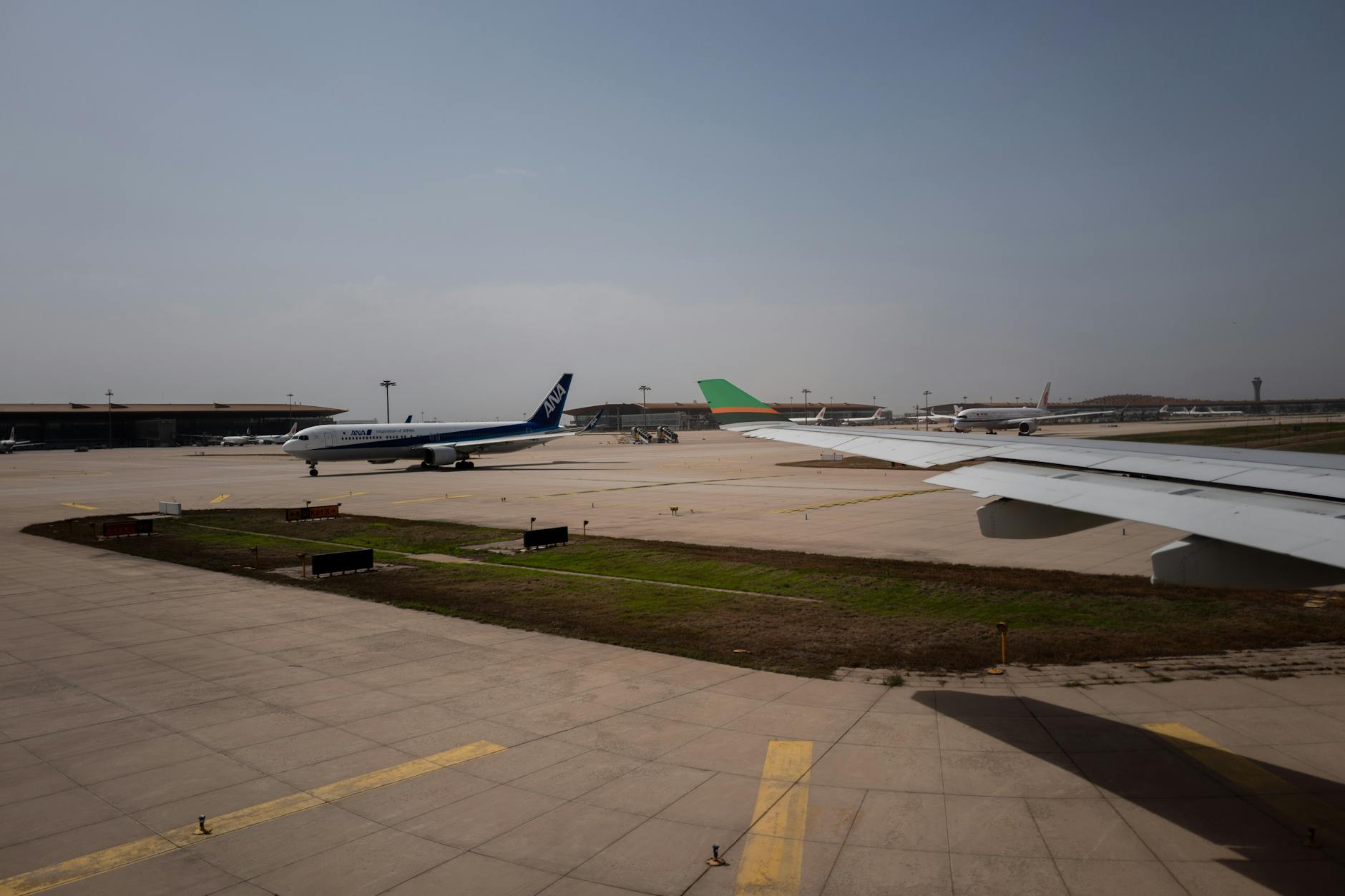
A panoramic view of a futuristic airport hub with multiple aircraft types (including SAF-powered, electric, and hydrogen concepts) seamlessly integrated, symbolizing global connectivity and sustainability.
Conclusion: Charting a Sustainable Flight Path
The decarbonization of aviation is one of the most complex yet critical environmental challenges of our time. Sustainable Aviation Fuels are already making a significant impact, offering a scalable solution for reducing emissions in the short to medium term. Concurrently, the development of electric and hydrogen propulsion systems promises a future of truly zero-emission flight, albeit with greater technological and infrastructural hurdles to overcome.
The synergy between these approaches, supported by robust policy frameworks, sustained investment, and relentless innovation, will define the future of air travel. The journey is arduous, but the destination—a sustainable, net-zero aviation sector—is within reach. The Vespellar Nexus remains committed to chronicling these monumental shifts, ensuring that the knowledge gained serves as a beacon for continued progress in humanity’s quest for a sustainable future.

A symbolic image of a compass pointing towards a green, healthy planet, with abstract lines representing flight paths, signifying guidance towards a sustainable future.