“The advent of Artificial Intelligence is not merely an incremental upgrade; it is a fundamental paradigm shift, poised to redefine the very fabric of industrial competitiveness.”
In the relentless pursuit of industrial ascendancy, the strategic integration of Artificial Intelligence (AI) into the domains of next-generation materials development and manufacturing process innovation has emerged as the preeminent imperative. This is not a future vision, but a present reality, where AI acts as the catalyst for unprecedented advancements, driving efficiency, sustainability, and a formidable competitive edge. As a chief business analyst and writer deeply embedded in the global market landscape, I present this master manuscript, a testament to the transformative power of AI, designed to illuminate the path forward for industries striving to secure their leadership in the coming epoch.
The landscape of global industry is in a state of perpetual flux, characterized by escalating demands for performance, sustainability, and bespoke solutions. Traditional, often serendipitous, approaches to materials discovery and manufacturing are no longer sufficient to meet these challenges. AI, with its unparalleled capacity for data analysis, pattern recognition, and predictive modeling, offers a revolutionary pathway. It transcends human limitations in processing vast datasets, accelerating research cycles, and optimizing intricate manufacturing processes with a precision and speed previously unimaginable.

A futuristic laboratory with holographic displays showcasing molecular structures and AI algorithms analyzing material properties.
The AI-Driven Revolution in Materials Science
The development of novel materials has historically been a painstaking, iterative process. AI is fundamentally altering this trajectory. Machine learning (ML) algorithms, drawing upon extensive datasets of existing materials and their properties, can now predict potential new materials with remarkable accuracy and speed [1]. This data-driven approach, grounded in theoretical calculations and high-throughput computing, significantly enhances the pace of research and development while concurrently reducing costs [1].
Key AI Applications in Materials Development:
- Accelerated Discovery and Design: AI algorithms can screen millions of potential material compositions, identifying those with desired properties for specific applications [1, 19, 21]. Generative AI models can even create novel molecular structures and synthesis pathways tailored for specific needs [19].
- Predictive Property Modeling: ML models analyze descriptors – numerical representations of material characteristics – to predict physical, chemical, or functional properties, bypassing the need for extensive empirical testing [1].
- Sustainable Materials Innovation: AI is pivotal in identifying and designing sustainable materials crucial for renewable energy, environmental mitigation, and circular economy principles [9, 12, 14, 27, 30]. This includes materials for catalysis, CO₂ capture, energy storage, and water purification [9].
- Quantum Materials Synthesis: AI is being employed to automate and refine the fabrication of quantum materials, critical for quantum computing and communications, by guiding the precise growth of materials at the atomic level [34].
The convergence of AI with computational materials science, including methods like density functional theory (DFT) and molecular dynamics, creates a powerful synergy [43, 45]. This hybrid approach allows for the exploration of vast chemical spaces and the generation of novel materials for next-generation energy technologies, such as batteries, catalysts, photovoltaics, and thermoelectrics [30].

A split image showing traditional laboratory experiments on one side and an AI-driven simulation predicting material properties on the other.
Transforming Manufacturing Processes with AI
Beyond material discovery, AI is revolutionizing manufacturing processes, making them smarter, more efficient, and more sustainable. The concept of the “smart factory” or “Industry 4.0” is increasingly realized through the integration of AI technologies across the entire value chain [2, 3, 4].
AI’s Impact on Manufacturing Operations:
- Predictive Maintenance: AI algorithms analyze sensor data to predict equipment failures before they occur, minimizing costly downtime and optimizing maintenance schedules [2, 4].
- Quality Control and Assurance: Computer vision systems powered by AI can identify defects and anomalies in real-time, ensuring higher product quality and reducing waste [2, 4].
- Process Optimization: AI optimizes production schedules, energy consumption, and resource allocation, leading to significant cost reductions and improved operational efficiency [2, 11]. Digital twins—virtual replicas of physical systems—allow for risk-free testing and optimization of manufacturing processes [2, 10, 11].
- Supply Chain Management: AI analyzes vast datasets to forecast demand, optimize inventory, and automate order fulfillment, creating more resilient and efficient supply chains [2, 3, 11].
- Mass Customization: AI enables manufacturers to offer personalized products at scale, adapting designs in real-time based on customer feedback and preferences [11].
- Sustainable Manufacturing: AI contributes to environmental sustainability by optimizing energy use, reducing material waste, and enabling leaner, more cost-effective operations [2, 4, 10].
The integration of AI into manufacturing is not just about automation; it’s about enabling smarter, data-driven decisions at every level of operation [3]. Companies are leveraging AI to enhance agility, respond rapidly to market changes, and maintain consistent quality, all while minimizing their environmental footprint [10].
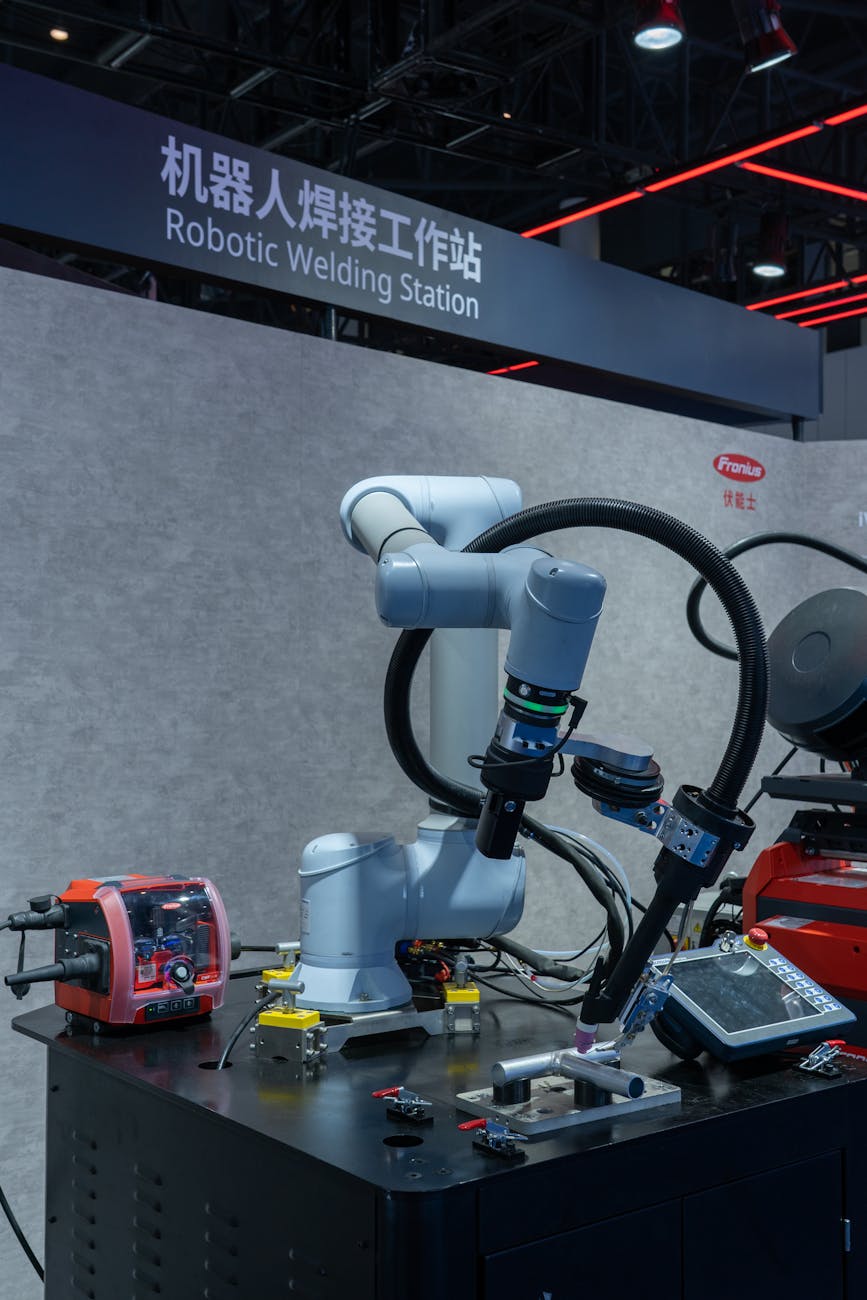
A robotic arm precisely assembling a complex electronic component on a highly automated production line.
Strategic Imperatives for Industrial Competitiveness
To harness the full potential of AI in materials and manufacturing, a strategic and holistic approach is paramount. This involves not only technological adoption but also a fundamental shift in organizational culture and operational paradigms.
Key Strategies for Success:
- Data Infrastructure and Governance: Establishing robust data collection, management, and governance frameworks is foundational. AI models thrive on high-quality, well-curated data [1, 45]. Standardized data-sharing frameworks are crucial for fostering collaboration and accelerating AI workflows [21].
- Talent Development and Upskilling: The integration of AI necessitates a workforce equipped with new skills. Investment in training and upskilling programs is essential to bridge the skills gap and foster a culture of human-AI collaboration [11, 13].
- Ethical AI Implementation: As AI becomes more pervasive, addressing concerns related to bias, transparency, and accountability is critical. Developing ethical frameworks ensures responsible AI deployment that aligns with societal values [21].
- Cross-Disciplinary Collaboration: The complex challenges addressed by AI in materials science and manufacturing require seamless collaboration between domain experts, data scientists, engineers, and AI specialists [1, 12, 15, 43].
- Agile Adoption and Iterative Development: A phased approach to AI adoption, focusing on pilot projects and iterative development, allows organizations to learn, adapt, and scale effectively [2, 16].
- Focus on Sustainability: Embedding sustainability as a core objective in AI-driven materials and manufacturing strategies aligns with global environmental goals and enhances long-term competitiveness [2, 4, 9, 10, 12, 30].
Case Studies: Realizing AI’s Potential
The transformative impact of AI is best illustrated through concrete examples:
| Industry/Application | AI-Driven Innovation | Impact |
|---|---|---|
| Materials Science | AI-guided discovery of novel catalysts for sustainable energy technologies [9, 30]. | Accelerated development, reduced environmental footprint, enhanced performance. |
| Biopharmaceuticals | AI-powered drug discovery and development, identifying senolytic compounds for longevity [6, 28, 38, 41]. | Shorter development timelines, reduced costs, increased success rates, potential for extending healthspan [6, 8]. |
| Manufacturing | Predictive maintenance and AI-optimized production lines in smart factories [2, 5]. | Reduced downtime, increased efficiency, cost savings, enhanced quality [2, 5, 11]. |
| Aviation | AI-driven optimization of Sustainable Aviation Fuel (SAF) production and flight operations [24, 26, 29, 37]. | Reduced emissions, improved fuel efficiency, cost-effectiveness, accelerated decarbonization [24, 26, 37]. |
| Quantum Technologies | AI-assisted fabrication of quantum materials for computing and communication [34, 44]. | Enabling development of advanced quantum hardware and secure communication networks. |
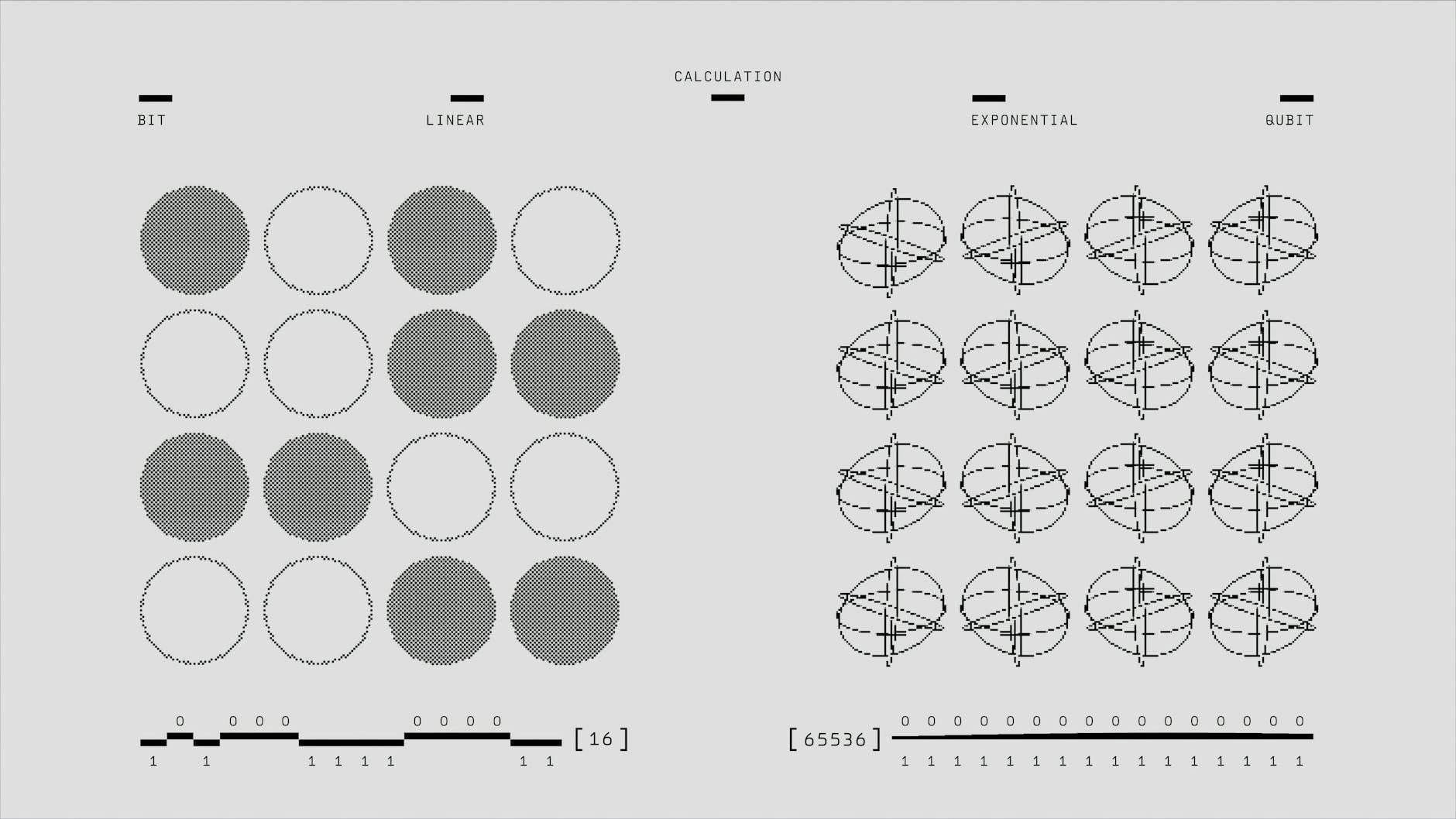
A network diagram illustrating the interconnectedness of AI, materials science, manufacturing, and quantum computing.
The Future Horizon: AI as an Autonomous Partner
The trajectory of AI in materials development and manufacturing points towards an era where AI transitions from a tool to an autonomous partner. “Self-driving laboratories” and closed-loop AI systems are emerging, capable of designing, experimenting, and refining materials with minimal human intervention [9, 20, 23, 30, 31]. This represents a fundamental acceleration of the scientific method, moving from sequential processes to continuous optimization cycles [30].
Furthermore, the convergence of AI with quantum computing promises to unlock computational capabilities that can simulate complex molecular interactions with unprecedented accuracy. This synergy is poised to revolutionize fields such as drug discovery, materials science, and energy research, enabling breakthroughs that were once confined to the realm of theoretical possibility [39, 42].
The integration of AI into biopharmaceutical operations, including drug discovery and clinical trials, is projected to generate billions of dollars annually, driven by innovations in drug development, precision medicine, and optimized operations [8, 25]. Similarly, the AI in manufacturing market is expected to reach tens of billions of dollars by 2030, underscoring its profound economic impact [10].

A conceptual visualization of a self-driving laboratory with robotic arms and AI interfaces.
Conclusion: Embracing the AI-Powered Future
The strategic deployment of AI in next-generation materials development and manufacturing process innovation is not merely an option; it is an existential necessity for industries aiming to thrive in the 21st century. By embracing AI, organizations can unlock new frontiers in material discovery, optimize production with unparalleled efficiency, champion sustainability, and ultimately secure a decisive competitive advantage on the global stage. The “Autonomous Archive” of industrial progress is being written, and AI is its most powerful scribe. Those who hesitate risk being relegated to the footnotes of history.
Vespellar Nexus Insight: The true measure of AI integration lies not just in its adoption, but in its strategic deployment to solve the most complex challenges, fostering an ecosystem of continuous innovation and sustainable growth. The future belongs to those who dare to engineer it with intelligence.