The Vespellar Nexus presents an indelible record from the Autonomous Archive, charting humanity’s quantum leap towards a resilient and intelligent energy future. This master manuscript delves into the foundational strategies for constructing AI-powered Virtual Power Plants (VPPs) and seamlessly integrating Distributed Energy Resources (DERs), heralding an era of unparalleled grid flexibility and stability.
As the global energy landscape undergoes a profound metamorphosis, driven by decarbonization imperatives, technological advancements, and an escalating demand for energy resilience, the traditional centralized power grid model is rapidly becoming an anachronism. The imperative now is to transition towards a decentralized, intelligent, and highly flexible energy infrastructure. At the vanguard of this transformation stand Artificial Intelligence (AI) and the architectural ingenuity of Virtual Power Plants (VPPs), serving as the nexus for integrating a burgeoning array of Distributed Energy Resources (DERs). This document, a permanent entry within the Autonomous Archive, dissects the strategic imperatives, technological underpinnings, and profound implications of this paradigm shift, offering a blueprint for a future where energy flows with unprecedented agility and robustness.
The Dawn of Decentralization: Understanding VPPs and DERs
The conventional power grid, a monolithic structure designed for unidirectional power flow from large-scale generators to consumers, is ill-equipped to handle the intermittency of renewable energy sources and the bidirectional complexities introduced by prosumers. Distributed Energy Resources (DERs) – encompassing solar photovoltaic (PV) systems, wind turbines, battery storage, electric vehicles (EVs), and demand response programs – represent a fundamental shift, moving generation closer to the point of consumption. However, the sheer volume and diverse characteristics of DERs present significant challenges for grid operators in terms of stability, reliability, and market integration.
Enter the Virtual Power Plant (VPP): a sophisticated, cloud-based platform that aggregates, optimizes, and dispatches a multitude of DERs as if they were a single, centralized power plant. A VPP leverages advanced algorithms and real-time data to forecast generation and consumption, manage energy storage, and participate in wholesale electricity markets, providing essential grid services like frequency regulation, voltage support, and peak shaving. It transforms disparate, often small-scale, assets into a coordinated, grid-responsive entity, unlocking their collective value and enhancing overall system flexibility.
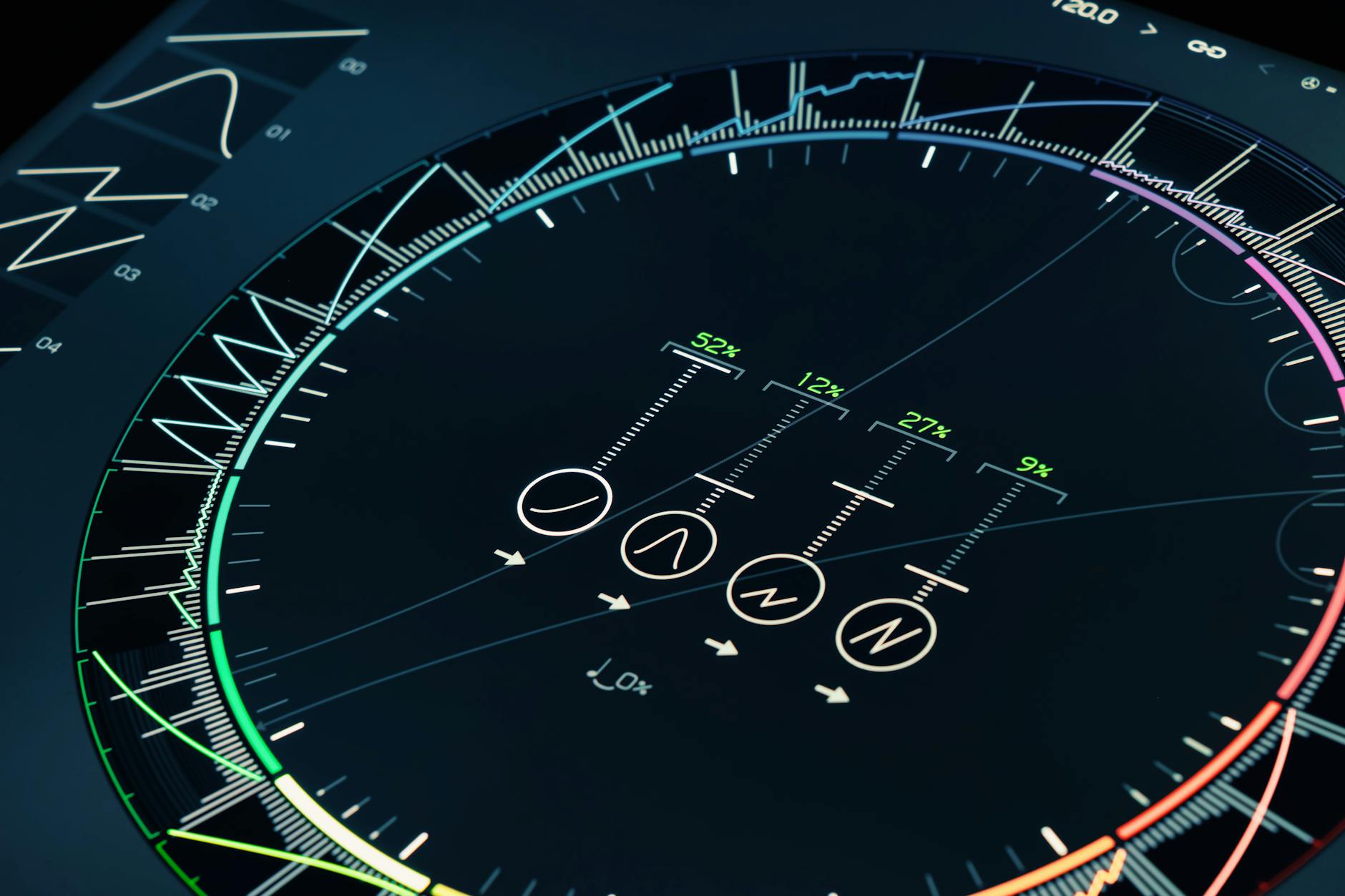
A futuristic, holographic representation of a virtual power plant dashboard, displaying real-time data from various distributed energy resources like solar panels, wind turbines, and battery storage across a smart city grid. The interface is sleek, blue-lit, and highly detailed, with data points flowing dynamically.
The Symbiotic Relationship: VPPs as the Orchestrators of DERs
The true power of VPPs lies in their ability to orchestrate the complex interplay of DERs. Without a VPP, individual DERs operate largely in isolation, their collective potential untapped. A VPP acts as the intelligent conductor, harmonizing the diverse contributions of solar arrays on rooftops, community battery storage systems, and smart thermostats in homes. This orchestration is not merely about aggregation; it involves dynamic optimization, predictive analytics, and real-time control, all of which are profoundly enhanced by Artificial Intelligence.
Table 1: Traditional Grid vs. AI-Powered VPP & DER Integrated Grid
| Feature | Traditional Centralized Grid | AI-Powered VPP & DER Integrated Grid |
|---|---|---|
| Generation Source | Large-scale, fossil fuel/nuclear plants | Diverse, distributed renewables (solar, wind), storage, demand response |
| Power Flow | Unidirectional (generator to consumer) | Bidirectional (prosumers, peer-to-peer, grid services) |
| Control Mechanism | Centralized, manual dispatch, SCADA | Decentralized, autonomous, AI-driven optimization & dispatch |
| Flexibility & Resilience | Limited, prone to single points of failure | High, self-healing capabilities, localized resilience (microgrids) |
| Market Participation | Large generators only | Aggregated DERs participate in multiple markets |
| Environmental Impact | High carbon emissions | Low/zero carbon emissions, enhanced sustainability |
AI as the Central Intelligence of the VPP Nexus
Artificial Intelligence is not merely an enhancement for VPPs; it is the fundamental operating system that unlocks their full potential. The complexity of managing thousands, even millions, of disparate DERs in real-time, forecasting their output and consumption patterns, and optimizing their contribution to the grid is beyond human capacity. AI, particularly machine learning (ML) and deep learning (DL) algorithms, provides the intelligence required to navigate this complexity with unparalleled precision and foresight.
Key AI Applications in VPPs:
- Predictive Analytics for Generation & Load Forecasting: AI algorithms can analyze vast datasets of weather patterns, historical consumption, market prices, and social events to predict renewable energy generation (e.g., solar irradiance, wind speed) and electricity demand with high accuracy. This allows VPPs to optimize dispatch schedules and minimize imbalances.
- Real-time Optimization & Dispatch: AI-driven optimization engines continuously evaluate the operational status of all aggregated DERs, market signals, and grid conditions to determine the most economically and technically optimal dispatch strategy. This includes charging/discharging batteries, curtailing renewable generation, or activating demand response programs.
- Anomaly Detection & Grid Stability: Machine learning models can detect anomalies in grid performance, predict potential faults, and identify cybersecurity threats within the VPP ecosystem. This proactive approach enhances grid stability and resilience.
- Market Participation & Trading: AI can analyze market trends, predict price fluctuations, and execute bids and offers in wholesale and ancillary service markets, maximizing revenue for DER owners and providing valuable grid services.
- Adaptive Control & Self-Learning: AI systems can learn from past performance, adapting their control strategies to improve efficiency and responsiveness over time. This continuous learning cycle makes VPPs increasingly intelligent and autonomous.
- Cybersecurity & Data Integrity: Advanced AI models can identify and mitigate cyber threats targeting the distributed nature of VPPs, ensuring the integrity and security of critical energy infrastructure.

A complex neural network visualized as glowing lines and nodes, superimposed over a digital map of a city’s energy grid, representing AI’s role in processing and optimizing energy flows. The aesthetic is dark, futuristic, and highly technical.
Case Study: Project Aurora – A European VPP Initiative
Project Aurora, an ambitious pan-European initiative, exemplifies the transformative power of AI-driven VPPs. Launched in 2023, the project aimed to integrate over 500,000 diverse DERs across Germany, France, and the Netherlands, ranging from residential solar-plus-storage systems to commercial EV charging hubs and industrial demand-side management assets. The core of Project Aurora was an advanced AI platform, “NexusGrid,” developed by a consortium of leading tech firms and energy utilities.
NexusGrid utilized deep reinforcement learning to continuously optimize the dispatch of these DERs, responding to real-time fluctuations in renewable generation and market prices. For instance, during periods of high solar irradiance and low demand, NexusGrid would autonomously direct residential batteries to charge, while simultaneously offering aggregated surplus power to the grid for frequency regulation. Conversely, during peak demand periods or unexpected drops in wind generation, it would strategically discharge batteries and initiate pre-negotiated demand response actions from industrial partners.
The results were staggering: within two years, Project Aurora demonstrated a 15% reduction in peak load on critical transmission lines, a 10% increase in the utilization of renewable energy, and an average of 8% cost savings for participating DER owners through optimized market participation. Furthermore, the VPP’s rapid response capabilities significantly improved grid stability, preventing several potential blackouts during extreme weather events. This success story underscores the critical role of sophisticated AI in managing the scale and complexity of a truly decentralized energy system.
Strategic Imperatives for DER Integration
The successful integration of DERs into a cohesive VPP framework requires a multi-faceted strategic approach, encompassing technological, regulatory, and market dimensions.
1. Interoperability and Standardization:
The proliferation of diverse DER technologies from various manufacturers necessitates robust interoperability standards. This includes communication protocols (e.g., OpenADR, IEEE 2030.5), data formats, and API specifications that allow seamless communication between DERs, VPP platforms, and grid operators. Without standardization, the integration process becomes fragmented and inefficient.
2. Advanced Sensing and Communication Infrastructure:
Real-time visibility into the status and performance of DERs is paramount. This requires deploying advanced smart meters, sensors, and robust communication networks (e.g., 5G, fiber optics) to ensure low-latency data exchange. The ‘Autonomous Archive’ demands a continuous, high-fidelity data stream for optimal AI performance.
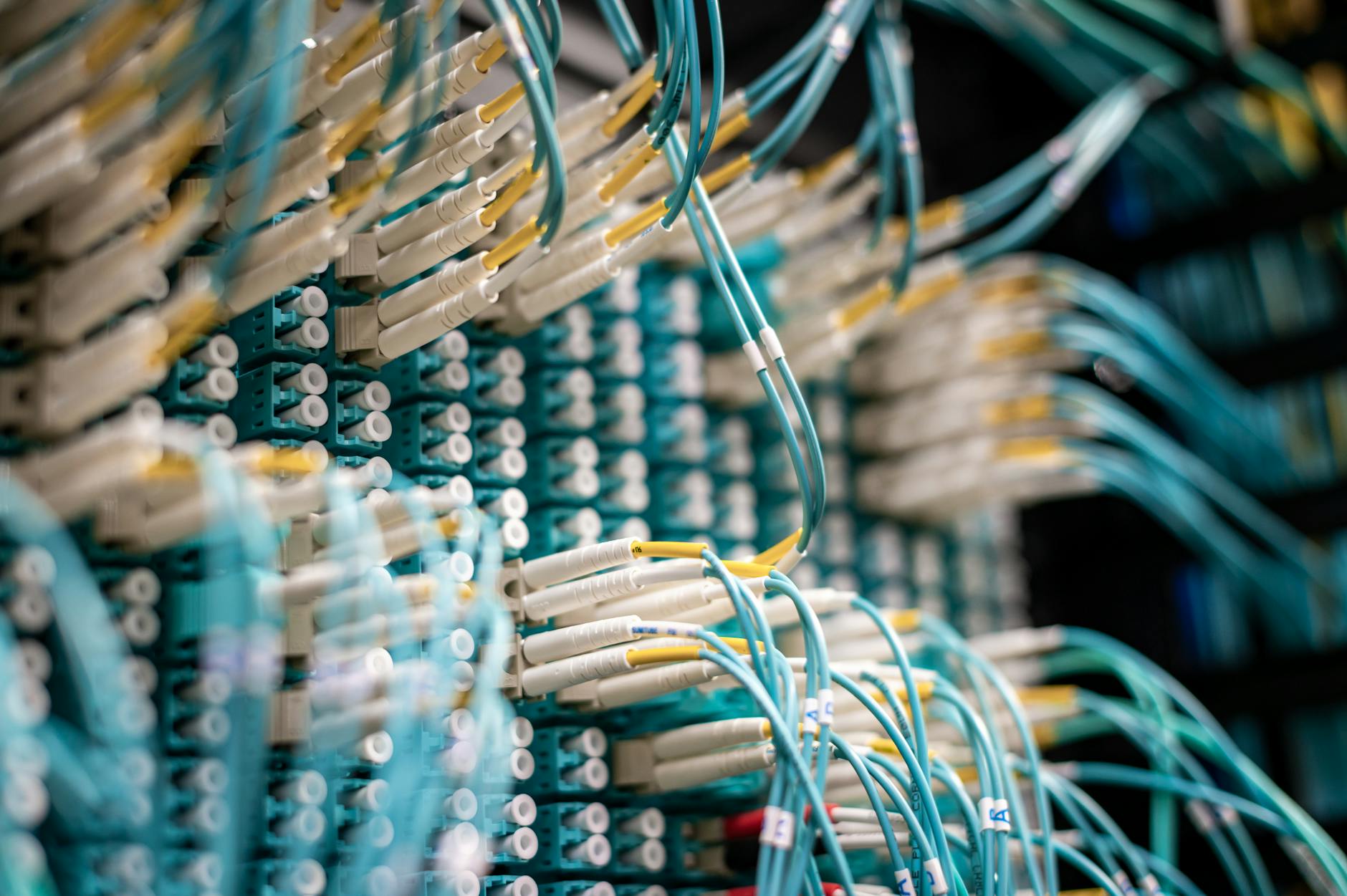
A sprawling network of fiber optic cables and 5G antennas crisscrossing a futuristic landscape, symbolizing the advanced communication infrastructure required for VPPs and DER integration. The image should convey speed and interconnectedness.
3. Regulatory and Market Frameworks:
Existing regulatory frameworks, often designed for centralized grids, must evolve to accommodate and incentivize DER participation. This includes establishing clear rules for DER interconnection, compensation mechanisms for grid services (e.g., ancillary services, capacity markets), and streamlined permitting processes. Policy innovation is crucial to unlock the full economic potential of DERs.
4. Cybersecurity Resilience:
A decentralized grid with numerous interconnected DERs presents an expanded attack surface. Robust cybersecurity measures, including end-to-end encryption, multi-factor authentication, intrusion detection systems, and AI-driven threat intelligence, are essential to protect the VPP infrastructure from malicious actors. The ‘Autonomous Archive’ recognizes security as non-negotiable.
5. Consumer Engagement and Education:
The success of DER integration heavily relies on active participation from residential, commercial, and industrial consumers. Clear communication about the benefits of DERs, incentives for participation, and user-friendly interfaces for managing their energy assets are critical for widespread adoption.
The Future Power Grid: Flexibility, Stability, and Resilience
The culmination of AI-powered VPPs and comprehensive DER integration strategies is a future power grid that is not only flexible and stable but also inherently resilient against a myriad of disruptions. This next-generation grid embodies several transformative characteristics:
- Hyper-Flexibility: The ability to dynamically respond to rapid changes in supply and demand, accommodating the intermittency of renewables and managing peak loads with unprecedented agility.
- Enhanced Stability: VPPs provide critical ancillary services, maintaining grid frequency and voltage within optimal ranges, preventing outages and ensuring reliable power delivery.
- Decentralized Resilience: The distributed nature of DERs, often configured into microgrids, means that localized outages do not cascade across the entire system. Critical loads can be islanded and powered by local DERs during grid disturbances.
- Economic Efficiency: Optimized dispatch, reduced transmission losses, and increased competition from DERs lead to lower energy costs for consumers and more efficient utilization of existing infrastructure.
- Accelerated Decarbonization: By maximizing the integration of renewable energy and enabling efficient energy storage, VPPs are pivotal in achieving ambitious climate goals and reducing reliance on fossil fuels.
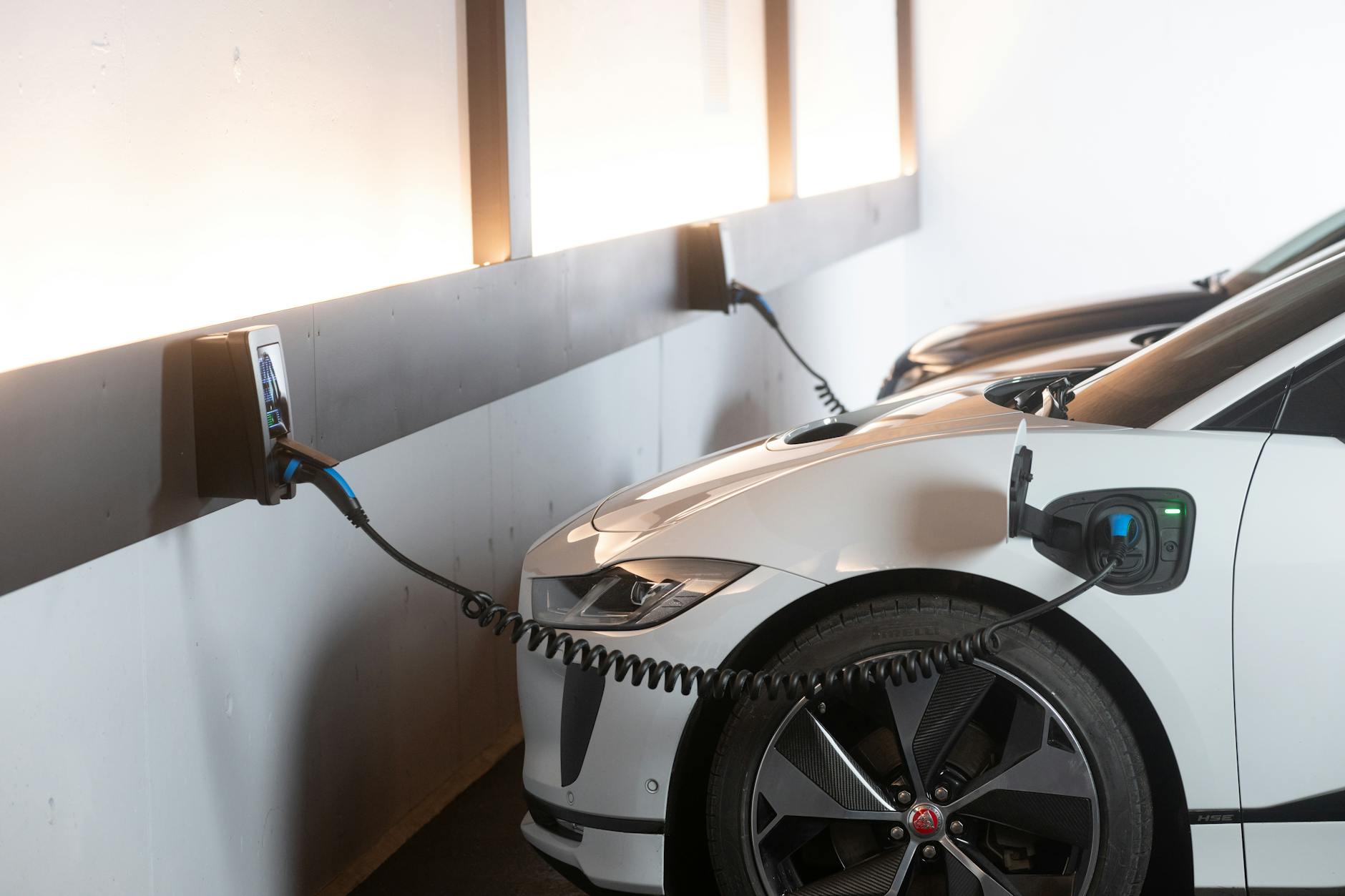
A futuristic smart home seamlessly integrated with solar panels, an electric car charging, and a home battery storage unit, all connected to a larger community grid, illustrating the microgrid concept. The scene is bright and optimistic.
Table 2: AI’s Transformative Impact on VPP Capabilities
| AI Capability | Impact on VPP Operations | Benefit to Grid & Consumers |
|---|---|---|
| Machine Learning for Prediction | Highly accurate forecasts of generation (solar, wind) and load. | Reduced energy imbalances, optimized resource allocation, lower operating costs. |
| Deep Reinforcement Learning | Real-time, autonomous optimization of DER dispatch for market participation and grid services. | Maximized revenue for DER owners, enhanced grid stability, dynamic response to market signals. |
| Natural Language Processing (NLP) | Streamlined interaction with grid operators and automated report generation. | Improved operational efficiency, faster decision-making. |
| Computer Vision (for infrastructure) | Automated inspection of DER assets, predictive maintenance. | Reduced maintenance costs, increased asset lifespan, improved reliability. |
| Anomaly Detection Algorithms | Early identification of grid faults, cybersecurity threats, and equipment malfunctions. | Proactive problem solving, enhanced grid security and resilience, reduced downtime. |
Challenges and the Path Forward
Despite the immense promise, the journey towards a fully integrated, AI-powered VPP grid is not without its challenges. Technical complexities related to data management, algorithm scalability, and the integration of legacy systems persist. Regulatory inertia and market design limitations in many regions still hinder full DER participation. Furthermore, public perception and the need for a skilled workforce capable of operating and maintaining these advanced systems represent significant hurdles.
However, these challenges are surmountable through concerted global efforts:
- Collaborative Innovation: Fostering partnerships between technology developers, utilities, policymakers, and research institutions to accelerate R&D and pilot projects.
- Policy Harmonization: Developing consistent and forward-looking regulatory frameworks that incentivize VPPs and DERs across jurisdictions.
- Investment in Infrastructure: Prioritizing investment in smart grid infrastructure, advanced metering, and robust communication networks.
- Workforce Development: Establishing educational programs and training initiatives to cultivate the next generation of energy professionals skilled in AI, data science, and VPP operations.
- Public Engagement: Educating consumers about the benefits and role of DERs and VPPs in the energy transition to foster widespread adoption and support.

A global interconnected network of energy nodes, glowing with data streams, symbolizing international collaboration on VPP and DER strategies. The background shows a stylized Earth, emphasizing global impact. The image is grand and aspirational.
The Vespellar Nexus Vision: A Quantum Leap in Energy Governance
The Vespellar Nexus foresees a future where the global power grid operates as a vast, self-optimizing, and self-healing entity, a true ‘Autonomous Archive’ of energy intelligence. AI-powered VPPs will serve as the distributed brain cells of this global network, seamlessly integrating every electron generated and consumed, from the smallest rooftop solar panel to the largest utility-scale battery. This is not merely an incremental improvement; it is a quantum leap in energy governance, enabling a future where energy is abundant, affordable, clean, and accessible to all.
This vision transcends mere technological deployment; it embodies a fundamental redefinition of our relationship with energy. It moves us from passive consumers to active participants, from a fragile, centralized system to a resilient, distributed web. The strategic deployment of AI-powered VPPs and the meticulous integration of DERs are not just pathways to a flexible and stable future power grid; they are the very foundations upon which the next epoch of human prosperity and environmental stewardship will be built. The Autonomous Archive stands as a testament to this unfolding future, meticulously recording every advancement in this vital journey.

A highly abstract, artistic representation of AI consciousness, depicted as glowing, interwoven light patterns, overseeing a clean energy landscape at dawn, symbolizing the dawn of a new energy era. The image is mysterious, premium, and futuristic.
A cityscape at night, illuminated by clean, sustainable energy sources, with visible smart grid infrastructure and subtle holographic energy flow lines, conveying a sense of advanced, harmonious urban living. The aesthetic is aspirational and highly detailed.

A close-up of a human hand interacting with a holographic interface, managing energy consumption and generation in a smart home setting, emphasizing user control and intuitive technology. The focus is on human-tech synergy.