The Quantum Leap: Optimizing Smart Factories and Dynamic Logistics with AI-Powered Autonomous Mobile Robots (AMRs)
Autonomous Archive Entry: In an era defined by hyper-connectivity and unprecedented automation, the integration of Artificial Intelligence (AI) into Autonomous Mobile Robots (AMRs) stands as a monumental leap forward. This master manuscript delves into the intricate strategies by which AI-powered AMRs are not merely enhancing but fundamentally redefining the operational paradigms of smart factories and dynamic logistics environments. Witness the genesis of a new industrial epoch, meticulously cataloged within the Vespellar Nexus.
The convergence of Artificial Intelligence (AI) and robotics has birthed a transformative technology: Autonomous Mobile Robots (AMRs). These sophisticated machines are rapidly becoming the lynchpin of future mobility and robotics, capturing intellectual curiosity and driving significant investment across global industries. AMRs are poised to revolutionize productivity, efficiency, and safety within smart factories and dynamic logistics, acting as a pivotal force in the next industrial evolution.
I. Unveiling the Exponential Growth: Market Dynamics and Investment Trajectories
The global AMR market is experiencing an explosive growth trajectory, signaling a profound shift in industrial automation. Projections indicate a remarkable expansion from an estimated $6.18 billion (approximately ₩8.5 trillion) in 2026 to a staggering $25.37 billion (approximately ₩34.8 trillion) by 2035, demonstrating a compound annual growth rate (CAGR) of 17.02%. Other analyses forecast an even more aggressive ascent, from $3.1 billion (approximately ₩4.2 trillion) in 2025 to $17 billion (approximately ₩23.3 trillion) by 2035, with a CAGR of 19.5%. Some optimistic outlooks even suggest a market size reaching $49 billion (approximately ₩67 trillion) by 2030.
This phenomenal growth is propelled by a confluence of macroeconomic and technological factors:
- Surging E-commerce and Smart Warehouse Demand: The relentless expansion of online retail necessitates highly efficient and automated warehousing solutions.
- Accelerated Industrial Automation Trends: Industries are increasingly adopting automation to enhance competitiveness and operational resilience.
- Fusion of AI and Robotics: Advanced AI capabilities are unlocking new levels of autonomy and intelligence in robotic systems.
- Rising Labor Costs and Workforce Shortages: AMRs offer a compelling solution to mitigate the impact of escalating labor expenses and a dwindling human workforce.
Notably, the logistics and warehousing sector commands the largest share of the AMR market. In 2024, logistics and warehouse robots emerged as the leading category among all service robots, with 102,925 units installed globally. The U.S. AMR market, specifically, is projected to exceed $814.5 million (approximately ₩1.1 trillion) by 2025, driven by efforts to address labor shortages, the rapid advancement of AI technology, substantial investments in smart manufacturing solutions, and the escalating demand for expedited delivery services.

A futuristic, high-angle shot of a sprawling smart factory floor, bathed in cool blue and white light, with multiple sleek AMRs seamlessly navigating complex pathways, carrying glowing cargo. The factory is clean, highly automated, and hints at advanced AI integration. Text overlays or holographic elements could show data streams.
Table 1: Global AMR Market Growth Projections
| Year | Projected Market Size (USD Billion) | CAGR (%) | Key Drivers |
|---|---|---|---|
| 2025 | 3.1 | – | E-commerce boom, initial automation adoption |
| 2026 | 6.18 | 17.02 (2026-2035) | Accelerated industrial automation, AI-robotics synergy |
| 2030 | 49.0 (optimistic) | – | Maturing AI, widespread adoption in logistics |
| 2035 | 17.0 / 25.37 | 19.5 (2025-2035) / 17.02 (2026-2035) | Advanced physical AI, labor shortage mitigation |
II. Architectural Prowess: Technical Insights and Innovative Frontiers
AMRs distinguish themselves from traditional Automated Guided Vehicles (AGVs) by their inherent autonomy and intelligence. While AGVs adhere to predefined paths, AMRs leverage AI and sophisticated sensor arrays to perceive their environment, dynamically avoid obstacles, and autonomously determine optimal routes. This capacity for real-time decision-making grants AMRs unparalleled flexibility and adaptability in dynamic operational settings.
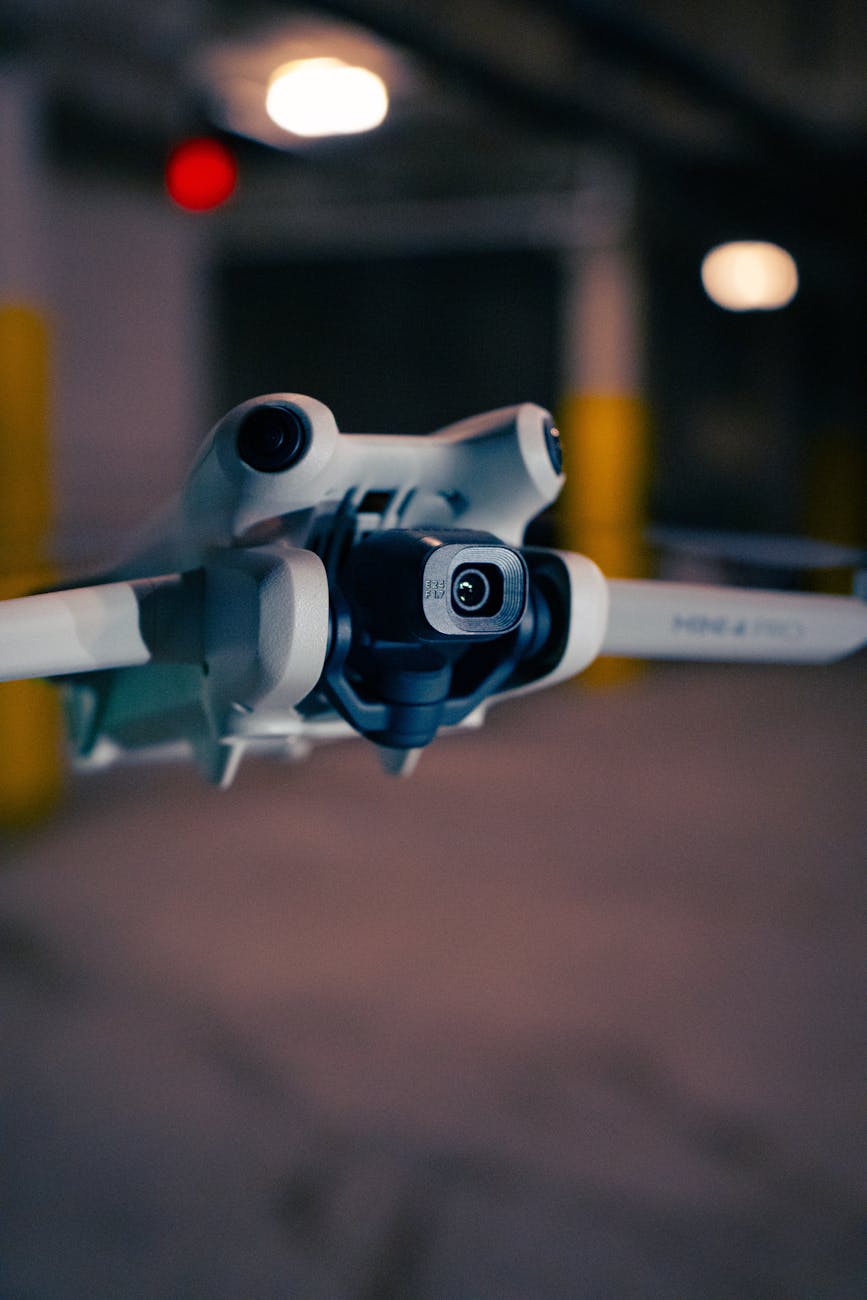
A close-up, stylized shot of an AMR’s sensor array, highlighting LiDAR, cameras, and ultrasonic sensors. The background is blurred, showing a factory floor or warehouse, emphasizing the robot’s perception capabilities. The image should have a high-tech, slightly abstract feel, perhaps with data points or light trails emanating from the sensors.
Key Technological Pillars:
- AI-Powered Navigation and Dynamic Path Optimization: AMRs utilize advanced AI navigation systems to construct detailed, real-time maps of their operational environments. This capability allows them to effortlessly traverse complex layouts, reducing reliance on fixed routes and enabling dynamic path optimization. Such adaptability ensures that robots can efficiently adjust to changing conditions, rerouting around unexpected obstructions or prioritizing urgent tasks. For instance, a research team at GIST developed Context-Nav, an AI robot navigation technology that enables robots to understand and locate objects in 3D space based on natural language descriptions, showcasing its broad applicability across various service robotics domains. Furthermore, MIT researchers have engineered a generative AI system capable of efficiently planning complex vision-based tasks, such as robot navigation and assembly, demonstrating nearly double the performance of conventional methods.
- Advanced Sensor Fusion Technology: The robust environmental perception of AMRs stems from the sophisticated fusion of diverse sensor technologies, including LiDAR, cameras, and ultrasonic sensors, combined with advanced machine learning algorithms. This multi-modal sensing allows AMRs to continuously learn and adapt to their surroundings, accurately perceiving their environment and proactively preventing collisions.
- Intelligent Fleet Orchestration and Collaborative Autonomy: Beyond optimizing individual robot performance, AI-driven swarm orchestration platforms elevate efficiency to a fleet-wide level, significantly increasing overall capacity. MIT researchers, for example, developed an AI system that combines deep reinforcement learning with traditional path planning algorithms to efficiently coordinate the movements of hundreds of robots within a logistics warehouse. This innovative system resulted in an approximate 25% improvement in package throughput per robot.
- Flexible Application and Scalability: A hallmark of AMR technology is its inherent flexibility. Equipped with onboard sensors and cameras, AMRs can identify their surroundings and navigate efficient paths without requiring permanent infrastructure modifications. This means that processes or equipment can be reconfigured without costly downtime or rewiring, allowing for seamless path adjustments and rapid adaptation to evolving production line demands.
III. Driving the Next Industrial Revolution: Innovative Business Trends
AMRs are not merely technological marvels; they are catalysts for transformative business trends across a spectrum of industries, including manufacturing, logistics, and healthcare.
Strategic Implementations:
- Smart Factory Realization: In manufacturing environments, AMRs automate a myriad of logistics tasks, from transporting raw materials and moving work-in-progress components to delivering finished goods and managing waste. This automation significantly boosts productivity and reduces labor costs. For example, Samsung Electronics has deployed AMRs in its semiconductor factories, achieving a 20% increase in productivity. Tesla has similarly automated internal logistics on its production lines, utilizing AI-powered real-time path optimization to accelerate parts supply speed by 25%. LG Electronics is also aggressively integrating logistics robots, including AMRs, into its expanding smart factory solutions, with plans to convert all 29 of its global factories into AI-powered facilities by 2030.
- Logistics Automation and Enhanced Efficiency: The burgeoning growth of e-commerce has created an urgent demand for efficient and flexible automation solutions in warehousing and logistics. AMRs are widely adopted in this context, performing tasks such as inventory management, order picking, and goods transportation with remarkable flexibility. Their seamless integration with Warehouse Management Systems (WMS) further amplifies operational productivity.
- Human-Robot Collaboration (HRC): AMRs excel at handling dangerous, repetitive, and ergonomically challenging transportation tasks, thereby freeing human employees to focus on higher-value, more complex work. This collaborative approach not only enhances overall safety but also optimizes human capital. The synergy between collaborative robots (cobots) and AMRs is expanding their application beyond simple material transfer to include assembly, inspection, and picking, thereby extending their reach across the entire manufacturing process.
- Robotics as a Service (RaaS) Model: To circumvent the substantial initial investment costs that often serve as a barrier for small and medium-sized enterprises (SMEs) in adopting robotics, the Robotics as a Service (RaaS) model is gaining significant traction. This subscription-based model democratizes automation, making advanced robotic solutions accessible and scalable for a broader range of businesses.
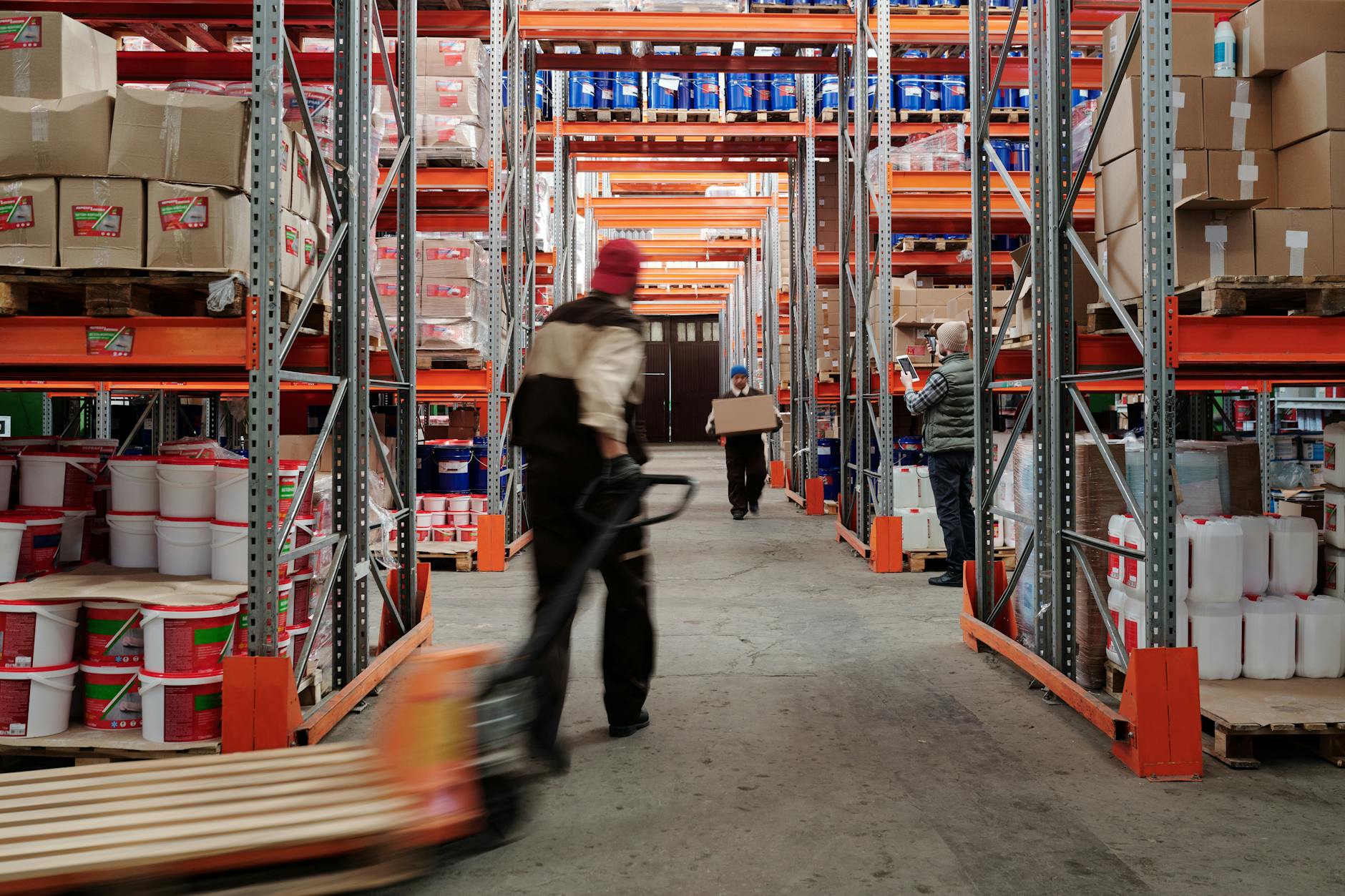
A vibrant, dynamic image showcasing human-robot collaboration in a warehouse. A human worker is interacting naturally with an AMR that is carrying a bin of goods, perhaps receiving instructions or handing over an item. The scene is well-lit, emphasizing safety and efficiency, with a futuristic yet practical aesthetic.
Table 2: Key AMR Applications and Benefits Across Industries
| Industry Sector | Primary AMR Applications | Core Benefits | Illustrative Case Study/Example |
|---|---|---|---|
| Manufacturing (Smart Factory) | Raw material transport, WIP movement, finished goods delivery, waste management | Increased productivity, reduced labor costs, optimized workflow, enhanced safety | Samsung Electronics: 20% productivity increase in semiconductor plants. Tesla: 25% faster parts supply through AI path optimization. |
| Logistics & Warehousing | Inventory management, order picking, goods sorting, last-mile delivery | Improved efficiency, faster fulfillment, reduced errors, scalable operations | E-commerce fulfillment centers utilizing AMRs for automated picking and sorting. |
| Healthcare | Medical supply delivery, linen transport, waste removal, patient meal delivery | Enhanced hygiene, reduced staff workload, faster response times, improved safety | Hospitals deploying AMRs to transport sensitive medical materials. |
| Retail | Shelf scanning, inventory auditing, in-store delivery, security monitoring | Optimized stock levels, improved customer experience, loss prevention | Retailers using AMRs for automated inventory checks and planogram compliance. |
A sleek, minimalist image of an AMR operating in a cleanroom or a high-tech manufacturing environment. The robot is precisely placing or picking up a component on a production line. The focus is on precision, automation, and the advanced manufacturing context, with a premium, almost sterile aesthetic.
IV. The Horizon of Autonomy: Future Outlook and Emerging Challenges
The trajectory of AI-powered AMRs points towards a future of unprecedented efficiency and automation. Advances in AI, machine learning, and automation technologies are set to further accelerate their growth across logistics, manufacturing, and warehousing sectors.
Navigating the Future Landscape:
Despite the immense potential, the path forward is not without its challenges:
- High Initial Investment and Maintenance Costs: The significant upfront capital expenditure and ongoing maintenance requirements can pose barriers to adoption, particularly for smaller enterprises.
- Diversity of Application-Specific Requirements: The varied and often unique demands of different industrial applications necessitate highly customized and adaptable AMR solutions, adding complexity to development and deployment.
Nevertheless, a paradigm shift towards ‘Physical AI’—where AI-driven robots are not merely theoretical constructs but tangible entities operating in real-world environments—will undeniably drive the sustained growth of the AMR industry. Governments and corporations globally, including South Korea, are actively investing in securing AI-based autonomous robot technologies and fostering robust industrial ecosystems. These concerted efforts are poised to significantly accelerate the commercialization and widespread adoption of AMRs.

A conceptual image representing ‘Physical AI’. A glowing, abstract neural network is overlaid onto a silhouette of an AMR moving through a dynamic factory setting, symbolizing the integration of advanced AI into physical robotics. The colors are vibrant, suggesting innovation and intelligence.
V. The Vespellar Nexus Perspective: Charting the Autonomous Future
The journey of AI-powered AMRs from conceptual innovation to indispensable operational assets is a testament to humanity’s relentless pursuit of efficiency and intelligence. As we gaze into the future, the ‘Autonomous Archive’ foresees a landscape where AMRs, augmented by increasingly sophisticated AI, will not only optimize existing processes but also unlock entirely new possibilities for industrial design, supply chain resilience, and human-machine symbiosis. The strategic integration of AMRs is no longer a competitive advantage but a foundational imperative for any entity aspiring to lead in the intelligent, autonomous era. The future is mobile, autonomous, and powered by AI, and its vanguard is already navigating our factories and logistics networks with unparalleled precision and foresight.

A panoramic, high-resolution shot of a fully automated logistics hub at night, seen from a slightly elevated perspective. Hundreds of AMRs, resembling glowing ants, are meticulously moving goods under the soft glow of smart lighting. The scene conveys a sense of complex, synchronized efficiency and futuristic scale.
A close-up, artistic shot of an AMR’s wheel or drive system, with subtle holographic elements showing data flow or energy. The background is blurred, focusing on the engineering and precision of the robot’s movement. The aesthetic is clean, industrial, and high-tech.
Frequently Asked Questions (FAQ)
- Q1: What is the primary difference between an AMR and an AGV?
- A1: The fundamental distinction lies in their navigation capabilities. AGVs (Automated Guided Vehicles) operate on fixed, predefined paths, typically guided by wires, magnetic strips, or sensors. In contrast, AMRs (Autonomous Mobile Robots) leverage AI, advanced sensors (LiDAR, cameras), and real-time mapping to understand their environment, dynamically avoid obstacles, and autonomously determine optimal routes without external guidance. This makes AMRs far more flexible and adaptable to dynamic environments.
- Q2: How do AMRs contribute to the concept of a ‘Smart Factory’?
- A2: AMRs are a cornerstone of smart factories by automating internal logistics, material handling, and transport tasks. They enhance productivity, reduce labor costs, optimize workflows, and improve safety by handling repetitive or hazardous tasks. Their ability to integrate with other smart factory systems (like WMS or MES) and adapt to changing production layouts makes them essential for achieving the flexibility and efficiency characteristic of smart manufacturing.
- Q3: What are the main drivers of the significant market growth projected for AMRs?
- A3: Several key factors are fueling the rapid growth of the AMR market. These include the explosive growth of e-commerce and the associated demand for smart warehousing solutions, the accelerating trend of industrial automation across various sectors, the continuous convergence and advancement of AI and robotics technologies, and the increasing pressure from rising labor costs and persistent labor shortages globally.
- Q4: What is the ‘Robotics as a Service (RaaS)’ model, and why is it important for AMR adoption?
- A4: Robotics as a Service (RaaS) is a business model where companies can subscribe to robotic services, paying a recurring fee (e.g., monthly) instead of making a large upfront capital investment to purchase robots. This model is crucial for democratizing automation, making advanced AMR technology accessible and affordable for small and medium-sized enterprises (SMEs) that might otherwise be deterred by high initial costs and maintenance overhead.
- Q5: What challenges must be overcome for broader AMR adoption?
- A5: Despite their advantages, AMRs face challenges such as high initial investment and ongoing maintenance costs, which can be a barrier for some organizations. Additionally, the diverse and specific requirements across different industries and applications necessitate highly customized solutions, adding complexity to development and deployment. Addressing these factors through innovations in cost-efficiency and flexible, modular designs will be critical for widespread adoption.