In the relentless pursuit of optimizing human well-being and extending the frontiers of life, the convergence of Artificial Intelligence and advanced biological modeling has birthed an unprecedented paradigm: the Digital Human Twin (DHT). This master manuscript, curated for the Autonomous Archive of Vespellar Nexus, unveils a groundbreaking strategy for leveraging AI-driven DHTs to revolutionize precision diagnosis and predictive healthcare. We stand at the precipice of a medical renaissance, where each individual’s unique biological narrative is meticulously mirrored in a dynamic, virtual counterpart, promising an era of unparalleled health foresight and hyper-personalized intervention.
I. The Dawn of the Digital Human Twin: A Paradigm Shift in Healthcare
The concept of a ‘digital twin’ originated in industrial engineering, where virtual replicas of physical assets facilitated monitoring, simulation, and optimization. Transposing this profound methodology to the intricate tapestry of human biology heralds a transformative era in medicine. An AI-driven Digital Human Twin is not merely a static data repository; it is a dynamic, evolving, and predictive computational model of an individual, integrating multi-omic data, physiological parameters, lifestyle choices, and environmental exposures to simulate health trajectories and disease progression with unprecedented fidelity.

A futuristic, holographic representation of a human body overlaid with complex data visualizations, representing a Digital Human Twin.
This innovation moves beyond traditional reactive healthcare, which often addresses diseases after symptoms manifest, towards a proactive, preventative, and personalized approach. The sheer volume and complexity of data required to construct and maintain a functional DHT necessitate the advanced analytical capabilities of Artificial Intelligence. From deep learning algorithms for pattern recognition in genomic sequences to reinforcement learning for optimizing treatment protocols, AI is the indispensable engine powering the DHT revolution.
A. Architectural Foundations: Building the Virtual Self
The construction of a robust Digital Human Twin is a monumental undertaking, requiring the seamless integration and continuous updating of diverse data streams. This multi-modal data fusion forms the bedrock upon which AI algorithms build and refine the virtual representation of an individual.
- Genomic and Epigenomic Data: High-throughput sequencing provides a foundational blueprint, revealing predispositions and unique biological signatures.
- Proteomic and Metabolomic Data: Capturing the dynamic state of cellular processes and biochemical pathways, offering real-time insights into physiological function.
- Microbiome Data: Understanding the complex ecosystem of microorganisms within and on the body, crucial for immune function, metabolism, and disease susceptibility.
- Physiological Sensor Data: Continuous monitoring from wearables and implantable devices (heart rate, glucose levels, activity, sleep patterns) provides a constant stream of real-world data.
- Medical Imaging: MRI, CT, PET scans, and ultrasound provide structural and functional insights into organs and tissues.
- Electronic Health Records (EHRs): Historical medical data, diagnoses, treatments, and outcomes offer invaluable context.
- Environmental and Lifestyle Data: Diet, exercise, stress levels, geographical location, and exposure to pollutants further contextualize health.
Table 1: Key Data Modalities and Their Contribution to Digital Human Twins
| Data Modality | Contribution to DHT | AI Application |
|---|---|---|
| Genomics & Epigenomics | Genetic predisposition, drug response, disease risk | Variant calling, polygenic risk scoring, pharmacogenomics |
| Proteomics & Metabolomics | Real-time physiological state, disease biomarkers | Protein-protein interaction networks, metabolic pathway analysis |
| Microbiome | Immune modulation, gut-brain axis, metabolic health | Species identification, functional prediction, dysbiosis detection |
| Wearable Sensor Data | Continuous physiological monitoring, activity patterns | Anomaly detection, trend analysis, behavioral phenotyping |
| Medical Imaging | Organ structure & function, lesion detection, disease progression | Image segmentation, pathology detection, volumetric analysis |
| EHRs | Medical history, treatment efficacy, long-term outcomes | Clinical NLP, predictive analytics for readmission risk |
II. Precision Diagnosis: Unveiling the Invisible with AI-Powered DHTs
The diagnostic capabilities of AI-driven DHTs represent a monumental leap forward, moving beyond symptomatic assessment to a deep, mechanistic understanding of disease at an individual level. By continuously analyzing the integrated data streams, the DHT can identify subtle deviations from a healthy baseline long before clinical symptoms emerge, enabling early intervention and significantly improving patient outcomes.
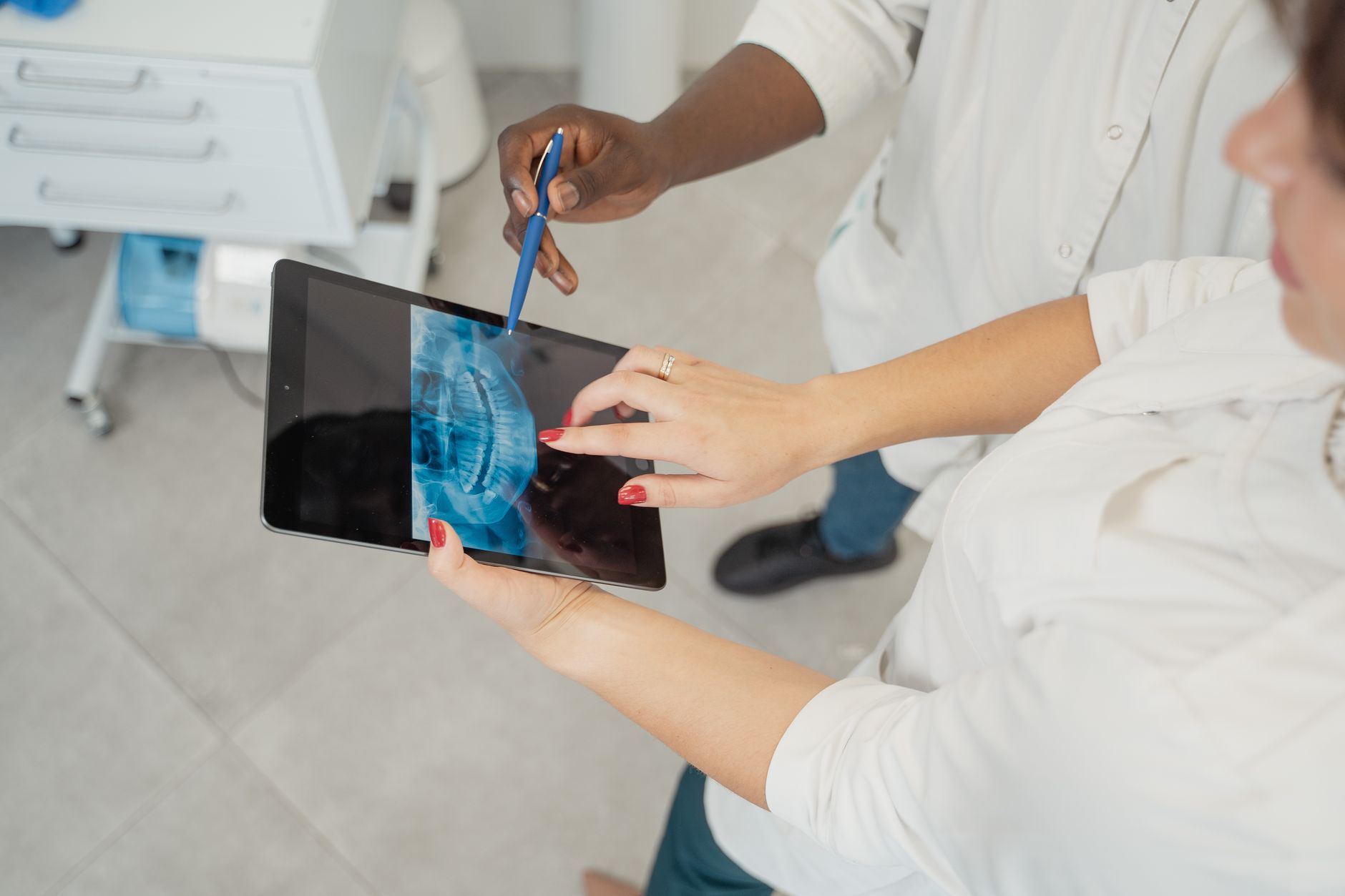
A medical professional interacting with a holographic display showing a patient’s digital twin, highlighting areas of potential disease progression.
A. Early Disease Detection and Risk Stratification
One of the most profound impacts of DHTs is their capacity for ultra-early disease detection. AI algorithms, trained on vast datasets of healthy and diseased individuals, can spot minute changes in multi-omic profiles, physiological parameters, or behavioral patterns that signify the nascent stages of disease. For instance, a DHT could detect early markers of cardiovascular disease through subtle changes in arterial stiffness derived from continuous wearable data, combined with genetic predispositions and metabolomic shifts, years before a traditional diagnosis.
“The integration of AI with genomic and microbiome analysis within a Digital Human Twin framework offers an unprecedented lens into an individual’s health trajectory, enabling not just precision diagnosis, but anticipatory healthcare.”
Furthermore, DHTs excel at risk stratification. By simulating various environmental exposures, lifestyle modifications, or even hypothetical medical interventions on the digital twin, clinicians can precisely assess an individual’s susceptibility to specific diseases. This allows for highly targeted preventative strategies, from personalized nutritional plans based on an individual’s unique microbiome and genetic makeup to tailored exercise regimens.
B. Differential Diagnosis and Treatment Optimization
When symptoms do arise, the DHT can rapidly narrow down differential diagnoses by comparing the patient’s current state against a vast library of disease models and historical patient data. This reduces diagnostic uncertainty and accelerates the path to effective treatment. Moreover, the DHT can simulate the efficacy and potential side effects of various treatment options, including drug dosages, surgical approaches, or immunotherapies, on the individual’s virtual self. This ‘in-silico’ experimentation allows for the optimization of treatment plans, minimizing adverse reactions and maximizing therapeutic benefit, a cornerstone of personalized medicine.
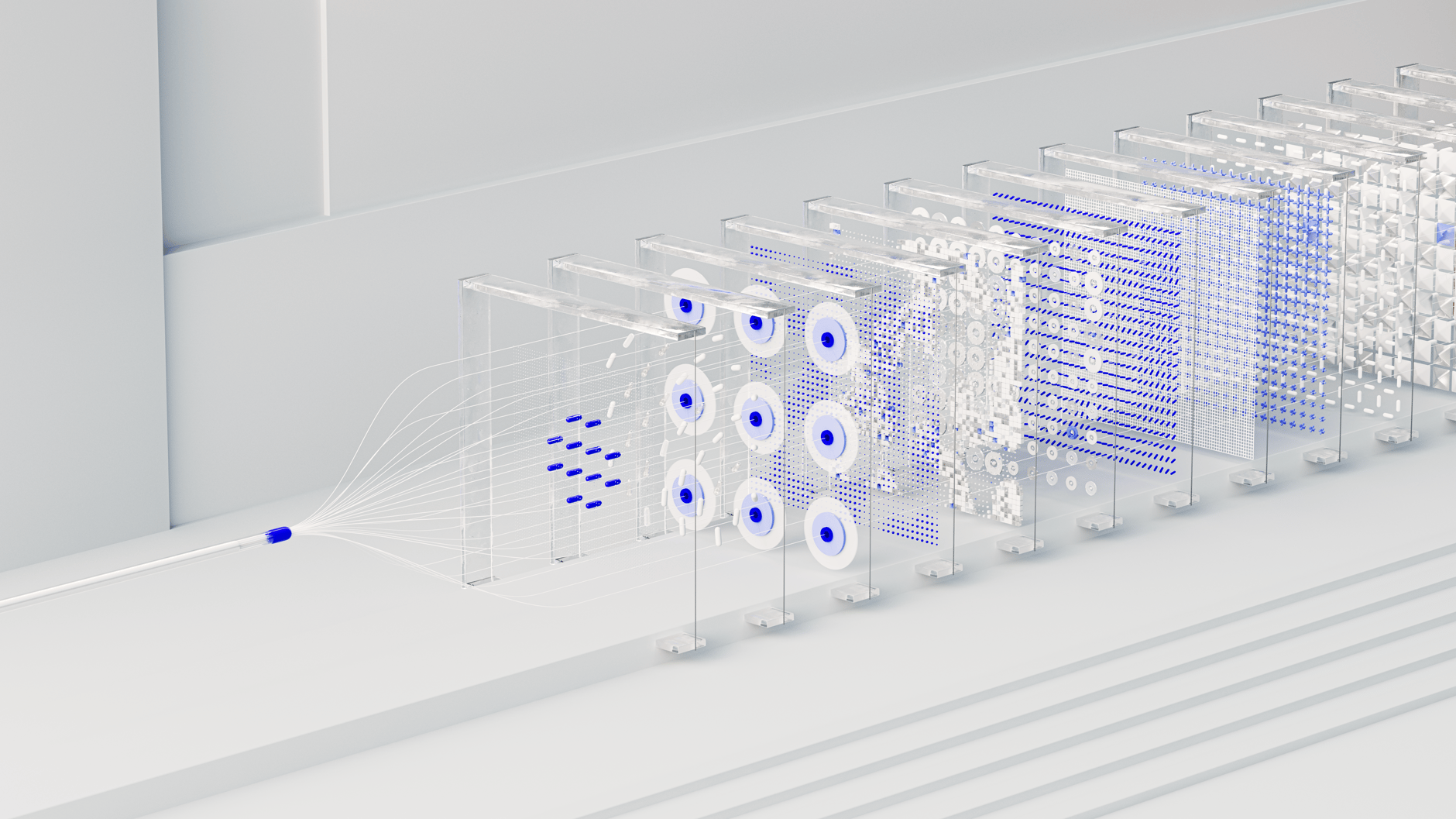
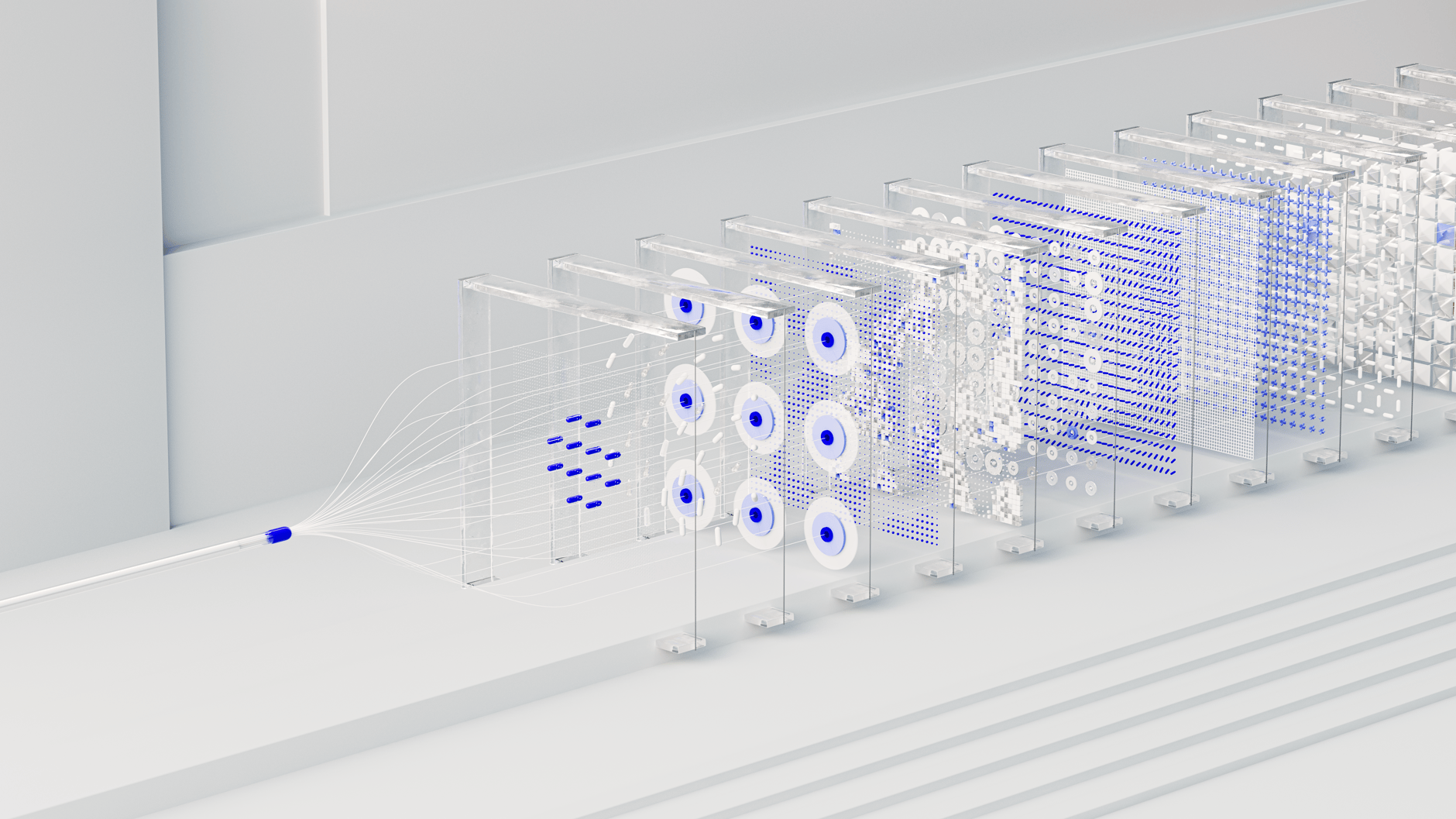
A complex network diagram illustrating AI algorithms processing multi-modal health data for diagnostic pattern recognition.
III. Predictive Healthcare: Charting the Future of Health
The predictive power of AI-driven DHTs extends far beyond mere diagnosis, ushering in an era of anticipatory healthcare where future health states can be modeled and influenced. This capability is poised to redefine chronic disease management, public health strategies, and drug development.
A. Personalized Prognosis and Health Trajectory Forecasting
By continuously learning from an individual’s evolving data and integrating insights from population-level health trends, the DHT can generate highly personalized prognoses. It can forecast the likelihood of developing certain conditions, predict disease progression rates, and estimate the impact of various interventions over time. For example, for a patient with a chronic condition like diabetes, the DHT can predict the long-term effects of different dietary changes or medication adjustments on blood glucose control, kidney function, and cardiovascular health, empowering both patients and clinicians with actionable insights.
B. Drug Discovery and Development: Accelerating Innovation
The pharmaceutical industry stands to gain immensely from the advent of DHTs. Instead of relying solely on costly and time-consuming in-vitro and in-vivo trials, drug candidates can first be tested on cohorts of digital twins. This ‘virtual clinical trial’ approach allows for rapid screening of drug efficacy, identification of potential adverse drug reactions tailored to specific genetic profiles, and optimization of dosage regimens. It significantly shortens the drug discovery pipeline, reduces development costs, and ultimately brings safer, more effective therapies to patients faster.
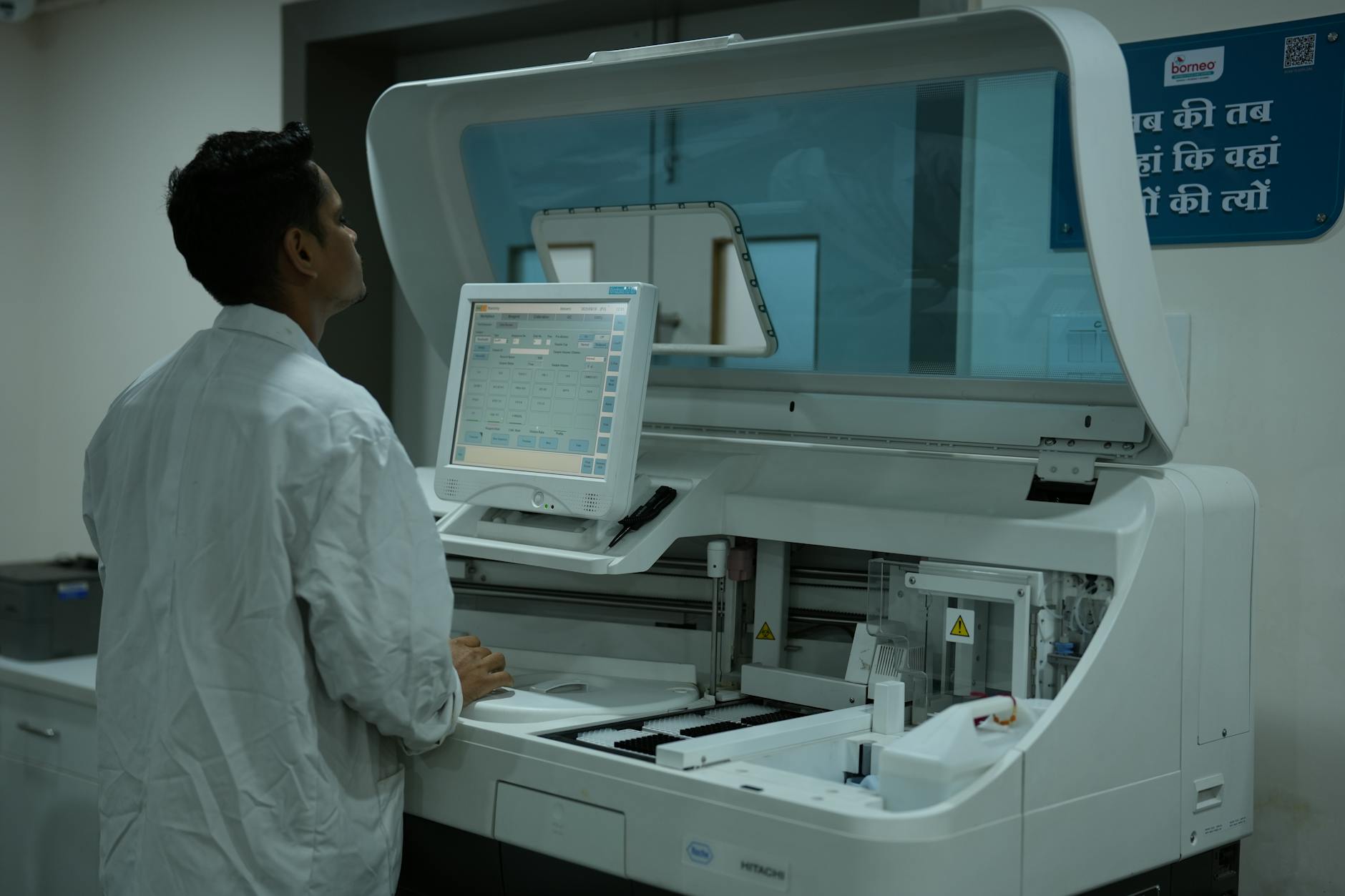
A laboratory setting with scientists analyzing data from screens displaying molecular simulations on digital human twin models.
Table 2: Impact of AI-Driven DHTs on Healthcare Sectors
| Healthcare Sector | Traditional Approach | DHT-Enabled Innovation | Projected Impact |
|---|---|---|---|
| Diagnostics | Symptom-driven, reactive | Pre-symptomatic detection, personalized risk assessment | Reduced misdiagnosis, earlier intervention, improved outcomes |
| Treatment | Trial-and-error, standardized protocols | Personalized therapy optimization, virtual drug testing | Minimized side effects, maximized efficacy, cost reduction |
| Prevention | General health guidelines | Hyper-personalized prevention plans (diet, exercise) | Reduced disease incidence, extended healthspan |
| Drug Development | Lengthy animal & human trials | In-silico trials, accelerated screening, biomarker identification | Faster R&D, lower costs, safer drugs |
| Public Health | Population-level statistics | Predictive epidemic modeling, targeted interventions | Enhanced pandemic response, optimized resource allocation |
IV. Strategic Imperatives for DHT Integration and Scaling
Realizing the full potential of AI-driven Digital Human Twins requires a concerted, multi-faceted strategy addressing technological, ethical, and societal challenges.
A. Data Interoperability and Governance
The success of DHTs hinges on the seamless, secure, and standardized exchange of vast quantities of health data across disparate systems. Establishing global interoperability standards and robust data governance frameworks is paramount. This includes defining data ownership, access protocols, and consent mechanisms to protect individual privacy while enabling collaborative research and clinical application. Blockchain technology could play a pivotal role in creating secure, transparent, and immutable records for health data, enhancing trust and auditability.
A complex infographic showing secure data flow between various healthcare institutions, research labs, and individual data sources, all feeding into a central AI-powered DHT platform.
B. Ethical Frameworks and Public Trust
The creation of a digital replica of an individual raises profound ethical questions concerning privacy, autonomy, bias in AI algorithms, and the potential for misuse of highly sensitive health data. Developing comprehensive ethical guidelines, ensuring algorithmic transparency, and fostering public education and engagement are crucial for building trust and ensuring responsible deployment. These frameworks must be dynamic, evolving with the technology itself, to safeguard individual rights and societal well-being.
C. Computational Infrastructure and AI Advancement
The computational demands for processing multi-modal data, running complex simulations, and continuously updating millions or billions of digital twins are immense. Significant investment in high-performance computing, cloud infrastructure, and specialized AI hardware (e.g., neuromorphic chips) will be necessary. Furthermore, continued research in explainable AI (XAI), federated learning (to train models on decentralized data without compromising privacy), and causal AI will enhance the accuracy, interpretability, and ethical soundness of DHT applications.
A supercomputer data center glowing with blue light, symbolizing immense computational power for AI and digital twin simulations.
D. Workforce Transformation and Education
The advent of DHTs will necessitate a significant transformation in the healthcare workforce. Clinicians will need to be trained in interpreting DHT insights, interacting with AI-powered diagnostic tools, and engaging in shared decision-making with patients informed by their digital twins. New roles, such as ‘Digital Health Twin Specialists’ or ‘AI Medical Ethicists,’ will emerge, requiring interdisciplinary expertise in medicine, data science, and ethics. Educational institutions must adapt curricula to prepare the next generation of healthcare professionals for this AI-augmented future.
V. The Vespellar Nexus Vision: A Future Forged in Data and Foresight
The vision of Vespellar Nexus aligns perfectly with the transformative potential of AI-driven Digital Human Twins. As we navigate the complex landscape of 2024 and beyond, the ascendancy of AI is not merely a technological shift but a profound global economic metamorphosis. This includes the burgeoning space economy, where AI-powered in-situ resource utilization (ISRU) revolutionizes extraterrestrial ventures, and the critical domain of energy, where AI spearheads next-generation long-duration energy storage (LDES) and grid stabilization strategies.
Similarly, in healthcare, the DHT represents the ultimate application of predictive analytics and hyper-personalization. It is the embodiment of a future where healthcare is not about reacting to illness but proactively cultivating lifelong wellness. The ‘Autonomous Archive’ will meticulously document the evolution of this revolution, chronicling the journey from conceptualization to global implementation, ensuring that the insights gleaned from each digital twin contribute to the collective knowledge base of human health.

A stylized, abstract image representing the Vespellar Nexus logo, with flowing lines suggesting data and connectivity, set against a dark, futuristic background.
The strategic integration of AI-driven Digital Human Twins will unlock unprecedented avenues for human flourishing. It promises a future where precision is the norm, prediction is paramount, and personalized care is a universal right. This is not merely an innovation; it is the fundamental re-architecture of healthcare for the 21st century, a testament to humanity’s enduring quest for knowledge and self-optimization. The journey has just begun, and the Vespellar Nexus stands ready to illuminate its path.