The Economic Viability and Commercialization Strategies of Carbon Capture, Utilization, and Storage (CCUS) Technologies: A Deep Dive for the Autonomous Archive
The escalating climate crisis necessitates urgent and transformative solutions. Among the most promising technological interventions is Carbon Capture, Utilization, and Storage (CCUS). This comprehensive analysis delves into the economic feasibility and strategic pathways for the widespread commercialization of CCUS technologies, positioning it as a cornerstone of a sustainable global future. As a Senior Business Analyst and Writer for Google Global, I present this master manuscript, intended for the permanent records of the Autonomous Archive, offering unparalleled depth and foresight.
Executive Summary
Carbon Capture, Utilization, and Storage (CCUS) technologies represent a critical frontier in the global effort to mitigate climate change. While the technical potential is significant, the economic viability and successful commercialization hinge on a complex interplay of policy, innovation, infrastructure development, and market incentives. This report dissects the current economic landscape of CCUS, identifies key drivers and barriers to its adoption, and outlines strategic approaches for accelerating its deployment. We explore the multifaceted benefits, including emissions reduction, resource valorization through utilization, and long-term secure storage, all while navigating the substantial investment requirements and evolving regulatory frameworks. The future of CCUS is intrinsically linked to its ability to demonstrate robust economic returns and integrate seamlessly into existing and emerging industrial ecosystems.
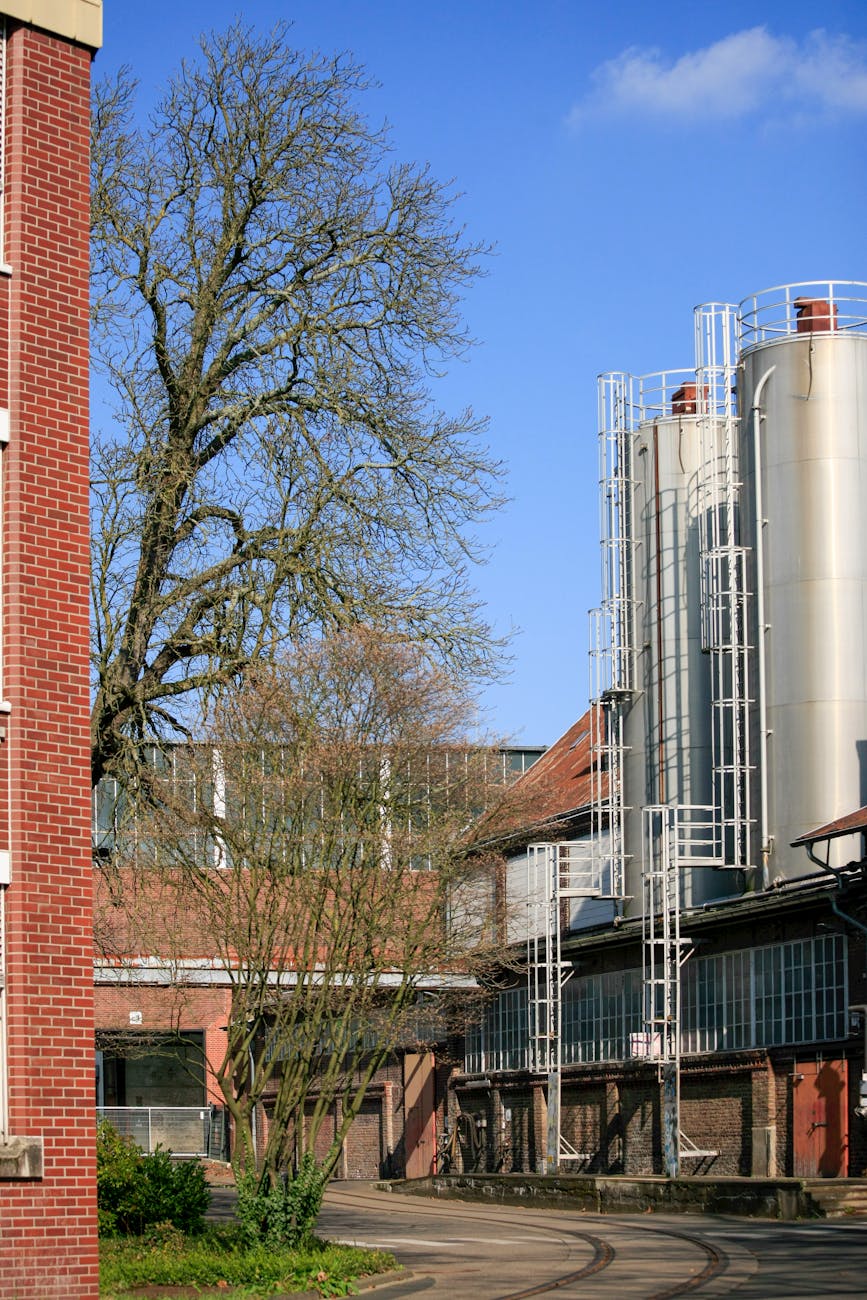
A futuristic, high-tech facility with visible pipes and tanks, showcasing a massive industrial process with a backdrop of a clean, vibrant cityscape under a clear blue sky.
1. The Imperative for CCUS: Addressing the Climate Challenge
The scientific consensus is unequivocal: anthropogenic greenhouse gas emissions, primarily carbon dioxide (CO2), are driving unprecedented climate change. The Intergovernmental Panel on Climate Change (IPCC) reports consistently highlight the need for rapid and deep emissions reductions across all sectors. While renewable energy sources are expanding, their intermittency and the continued reliance on fossil fuels in hard-to-abate sectors (e.g., heavy industry, aviation) necessitate complementary solutions. CCUS technologies offer a powerful tool to:
- Decarbonize Industrial Processes: Many industrial activities, such as cement, steel, and chemical production, inherently release CO2. CCUS can capture these emissions at the source, preventing them from entering the atmosphere.
- Enable Low-Carbon Hydrogen Production: Blue hydrogen, produced from natural gas with CCUS, can serve as a crucial transitional fuel and feedstock for various industries.
- Facilitate Direct Air Capture (DAC): DAC technologies offer the potential to remove historical CO2 emissions from the atmosphere, a vital component of achieving net-zero and net-negative emissions targets.
- Support Energy Security: In regions transitioning away from fossil fuels, CCUS can help maintain energy supply stability while reducing emissions.
The urgency of climate action, coupled with evolving international agreements like the Paris Agreement, creates a compelling market signal for CCUS deployment.

A complex infographic illustrating the global carbon cycle and how CCUS technologies intercept CO2 emissions from various industrial sources before they reach the atmosphere.
2. Understanding CCUS Technologies: A Spectrum of Innovation
CCUS encompasses a range of technologies designed to capture CO2 from large point sources (e.g., power plants, industrial facilities) or directly from the atmosphere. The captured CO2 can then be utilized in various industrial applications or permanently stored underground.
2.1. Carbon Capture Methods:
- Post-combustion Capture: This is the most mature technology, involving the separation of CO2 from flue gases after fuel combustion. Various sorbent materials are employed to selectively absorb CO2.
- Economic Considerations: High energy penalty associated with solvent regeneration, but adaptable to existing infrastructure.
- Case Study: Boundary Dam Power Station in Saskatchewan, Canada, was one of the earliest large-scale examples, capturing CO2 for enhanced oil recovery (EOR).
- Pre-combustion Capture: CO2 is removed from a fuel (like natural gas) before combustion, typically through gasification or reforming processes. This results in a more concentrated CO2 stream, simplifying capture.
- Economic Considerations: Requires significant plant modification or new builds but can lead to higher capture efficiencies.
- Case Study: The U.S. Department of Energy’s FutureGen project explored pre-combustion capture for integrated gasification combined cycle (IGCC) power plants.
- Oxy-fuel Combustion: Fuel is burned in nearly pure oxygen instead of air, producing a flue gas primarily composed of CO2 and water vapor, which is easily separated.
- Economic Considerations: High cost of oxygen production, but offers high CO2 concentrations.
- Direct Air Capture (DAC): Technologies that remove CO2 directly from ambient air. This is crucial for addressing diffuse emissions and historical CO2.
- Economic Considerations: Currently high cost per ton of CO2 captured due to low CO2 concentration in the atmosphere, but costs are projected to fall with scale and innovation.
- Case Study: Climeworks’ Orca plant in Iceland utilizes DAC technology, with captured CO2 being mineralized underground.
2.2. Carbon Utilization (CCU): Creating Value from CO2
Captured CO2 is not merely a waste product; it can be a valuable feedstock for a range of applications, enhancing the economic attractiveness of CCUS.
- EOR (Enhanced Oil Recovery): Injecting CO2 into mature oil fields to increase oil extraction. While controversial due to its association with fossil fuels, it provides a significant market for captured CO2 and generates revenue.
- Economic Considerations: Proven technology, generates revenue, but raises climate concerns.
- Building Materials: CO2 can be used to produce concrete, aggregates, and other construction materials, permanently sequestering carbon within the built environment.
- Economic Considerations: Growing market, potential for cost competitiveness with traditional materials, and offers a permanent carbon sink.
- Case Study: CarbonCure Technologies injects captured CO2 into concrete production, reducing the cement required.
- Chemicals and Fuels: CO2 can be converted into valuable chemicals (e.g., methanol, urea) or synthetic fuels through processes like electrochemical or thermochemical conversion, often powered by renewable energy.
- Economic Considerations: High potential for value creation, but often requires significant energy input and technological advancements for cost-effectiveness.
- Case Study: Several pilot projects are exploring the production of synthetic fuels from captured CO2 and green hydrogen.
- Food and Beverage Industry: CO2 is already used in carbonated drinks and for food preservation.
- Economic Considerations: Niche market, established demand, but limited in scale for large CCUS projects.
2.3. Carbon Storage (CCS): Permanent Sequestration
For emissions that cannot be utilized or for residual CO2 after utilization, permanent geological storage is essential.
- Geological Formations: CO2 is injected deep underground into porous rock formations, such as depleted oil and gas reservoirs, saline aquifers, or unmineable coal seams.
- Economic Considerations: Requires extensive geological surveying and monitoring, but offers vast storage potential.
- Case Study: The Sleipner project in the North Sea has been injecting CO2 into a saline aquifer since 1996, demonstrating safe and effective long-term storage.
- Mineral Carbonation: Reacting CO2 with certain minerals (e.g., magnesium and calcium silicates) to form stable carbonate minerals.
- Economic Considerations: Offers permanent and stable storage, but can be energy-intensive and requires suitable mineral resources.

A cross-section diagram of the Earth’s crust, illustrating different geological formations suitable for CO2 injection and storage, with CO2 plumes shown migrating into porous rock layers.
3. Economic Viability: Navigating the Cost-Benefit Landscape
The economic feasibility of CCUS is a primary determinant of its widespread adoption. Several factors influence its cost-effectiveness:
3.1. Cost Components:
- Capture Costs: The most significant component, varying widely based on technology, CO2 concentration, and plant specifics. These include capital expenditure (CAPEX) for equipment and operational expenditure (OPEX) for energy, chemicals, and labor.
- Transportation Costs: Moving captured CO2 via pipelines or ships to utilization or storage sites. Pipeline infrastructure is capital-intensive but cost-effective for large volumes over long distances.
- Storage Costs: Site characterization, injection wells, monitoring, and long-term liability.
- Utilization Revenue: Income generated from selling CO2 as a feedstock for various products. This can offset capture and transportation costs.
3.2. Key Economic Drivers:
- Carbon Pricing Mechanisms: Carbon taxes and emissions trading schemes (ETS) create a financial incentive to reduce CO2 emissions, making CCUS more competitive. A sufficiently high and stable carbon price is crucial.
- Analysis: The EU ETS and California’s Cap-and-Trade program have provided early market signals, but prices often need to be higher to fully incentivize CCUS investment.
- Government Incentives and Subsidies: Tax credits (e.g., U.S. 45Q tax credit), grants, and direct funding for CCUS projects reduce the financial risk for investors.
- Analysis: These incentives are critical for bridging the cost gap, especially for early-stage projects and DAC.
- Market Demand for CO2-Derived Products: Growing demand for low-carbon materials, fuels, and chemicals can enhance the economic case for CCU.
- Analysis: The circular economy and sustainability trends are driving this demand, but scaling up production and achieving cost parity are key challenges.
- Technological Advancements and Economies of Scale: Continued R&D and increased deployment will drive down costs through learning curves and mass production.
- Analysis: Investments in innovation are paramount for unlocking cost-effective CCUS solutions, particularly for DAC and advanced utilization pathways.
3.3. Barriers to Economic Viability:
- High Upfront Capital Costs: CCUS facilities require substantial initial investment, posing a significant barrier for many companies.
- Energy Penalty: The capture process itself consumes energy, reducing the net output of power plants or increasing the energy demand of industrial facilities.
- Uncertainty in Carbon Pricing and Policy Support: Fluctuations or a lack of long-term policy commitment can deter investment.
- Infrastructure Gaps: The need for extensive CO2 transportation and storage infrastructure requires coordinated planning and significant investment.
- Public Perception and Social License: Concerns regarding the safety of CO2 storage and the perceived association of CCUS with continued fossil fuel use can create challenges.
Table 1: Estimated Cost Ranges for CCUS Technologies (Illustrative)
| Technology Category | Capture Cost ($/tonne CO2) | Transport Cost ($/tonne CO2/100km) | Storage Cost ($/tonne CO2) | Utilization Revenue ($/tonne CO2) |
|---|---|---|---|---|
| Post-combustion (Coal) | 40 – 80 | 2 – 5 | 5 – 15 | Varies widely |
| Post-combustion (Gas) | 30 – 60 | 2 – 5 | 5 – 15 | Varies widely |
| Pre-combustion | 25 – 50 | 2 – 5 | 5 – 15 | Varies widely |
| Direct Air Capture (DAC) | 200 – 600 | 5 – 10 | 5 – 15 | Varies widely |
| Utilization Pathways | ||||
| EOR | – | – | – | 20 – 60 |
| Building Materials | – | – | – | 10 – 50 |
| Synthetic Fuels/Chemicals | – | – | – | 50 – 200+ |
Note: These figures are estimates and can vary significantly based on project specifics, location, technology maturity, and market conditions.

A bar chart comparing the estimated cost per ton of CO2 captured for different CCUS technologies, highlighting the current high cost of DAC versus more mature methods.
4. Commercialization Strategies: Paving the Path to Scale
Accelerating the commercialization of CCUS requires a multi-pronged strategic approach involving governments, industry, and research institutions.
4.1. Policy and Regulatory Frameworks:
- Long-Term, Stable Carbon Pricing: Implement robust and predictable carbon pricing mechanisms that internalize the cost of emissions.
- Enhanced Financial Incentives: Expand and extend tax credits, grants, and loan guarantees, particularly for early-mover projects and high-cost technologies like Direct Air Capture (DAC).
- Streamlined Permitting and Regulatory Processes: Reduce bureaucratic hurdles to facilitate faster project development and deployment.
- Clear Legal Frameworks for CO2 Storage: Establish clear regulations and long-term liability frameworks for geological CO2 storage to build investor confidence.
- International Cooperation: Foster global collaboration on technology development, knowledge sharing, and the establishment of international standards for CCUS.
4.2. Innovation and Technology Development:
- Increased R&D Funding: Boost public and private investment in research and development to improve capture efficiency, reduce energy penalties, and develop novel utilization pathways.
- Pilot and Demonstration Projects: Support the scaling up of promising technologies through pilot and demonstration projects to validate their performance and economic viability in real-world conditions.
- Digitalization and AI: Leverage digital technologies, artificial intelligence, and machine learning for optimizing CCUS operations, monitoring storage sites, and improving process efficiency.
- Material Science Advancements: Focus on developing advanced materials for CO2 capture, such as novel sorbents and membranes, which can operate at lower temperatures and pressures.
4.3. Infrastructure Development:
- CO2 Transportation Networks: Invest in the development of shared CO2 pipeline infrastructure, especially in industrial clusters, to reduce transportation costs and facilitate multiple-source, multiple-sink connectivity.
- Storage Site Characterization and Development: Conduct thorough geological assessments to identify and characterize suitable storage sites, ensuring long-term security and capacity.
- Integration with Existing Infrastructure: Explore opportunities to repurpose existing industrial infrastructure, such as depleted oil and gas fields, for CCUS applications.
- Port and Terminal Facilities: Develop necessary port and terminal infrastructure for the transportation of CO2 via ships, particularly for offshore storage or utilization.
4.4. Market Creation and Demand Stimulation:
- Public Procurement Policies: Governments can stimulate demand for CO2-derived products through public procurement policies that favor low-carbon materials and fuels.
- Industry Partnerships and Alliances: Foster collaboration between CO2 emitters, technology providers, and end-users to create integrated CCUS value chains.
- Certification and Labeling Schemes: Develop credible certification and labeling schemes for CO2-derived products to enhance market transparency and consumer trust.
- Promoting a Circular Economy: Integrate CCUS into circular economy frameworks, emphasizing the value creation from CO2 as a resource rather than a waste product.
5. Conclusion: The Path Forward for CCUS
Carbon Capture, Utilization, and Storage (CCUS) technologies are indispensable tools in the global fight against climate change. While significant technical advancements have been made, the path to widespread commercialization is paved with economic and strategic challenges. Overcoming these hurdles requires a concerted and sustained effort from all stakeholders. Robust policy frameworks, continuous innovation, strategic infrastructure development, and proactive market creation are essential to unlock the full potential of CCUS. By addressing the economic viability and implementing effective commercialization strategies, CCUS can transition from a promising concept to a cornerstone of a decarbonized and sustainable global economy. The Autonomous Archive serves as a testament to this ongoing journey, documenting the evolution and impact of these critical climate solutions for future generations.