The Double-Edged Helix: Navigating the Ethical Labyrinth of Gene Editing for Longevity Medicine
An In-depth Analysis for the Autonomous Archive
Introduction: The Dawn of Unprecedented Lifespans
Humanity stands at a precipice, gazing into a future where the very definition of life and aging is being rewritten. Advances in gene editing technologies, particularly CRISPR-Cas9, have moved from the realm of science fiction to tangible reality, offering unprecedented potential to combat diseases, enhance human capabilities, and, most profoundly, extend the human lifespan. Longevity medicine, once a fringe pursuit, is now a burgeoning field, fueled by our deepening understanding of genetics and the powerful tools we’ve developed to manipulate it. However, this Promethean power comes with a profound set of ethical dilemmas that demand rigorous examination. As we stand on the brink of potentially radical life extension, we must critically assess the societal, moral, and philosophical implications of wielding such transformative power. This analysis, curated for the Vespellar Autonomous Archive, delves into the intricate ethical landscape of gene editing in the pursuit of longevity and its cascading effects on medicine and society.

A futuristic laboratory setting with glowing DNA helixes and scientists in advanced protective gear, conveying a sense of cutting-edge research and ethical contemplation.
The Promise of Gene Editing in Longevity Medicine
The allure of gene editing for longevity medicine lies in its potential to address the root causes of aging and age-related diseases at a molecular level. Unlike traditional medicine, which often treats symptoms, gene editing offers the prospect of correcting the genetic predispositions that lead to conditions such as Alzheimer’s, cardiovascular disease, cancer, and neurodegenerative disorders.
Key Applications and Potential Impacts:
- Disease Prevention and Eradication: By identifying and correcting specific genetic mutations, gene editing could theoretically prevent the onset of many debilitating diseases before they manifest. This includes hereditary conditions and age-related diseases with known genetic components.
- Cellular Rejuvenation: Research is exploring gene editing’s role in reactivating dormant cellular repair mechanisms, clearing senescent cells, and restoring telomere length – all hallmarks of cellular aging.
- Enhanced Resilience: The potential exists to engineer genetic traits that confer greater resistance to environmental stressors, pathogens, and the general wear and tear of prolonged existence.
- Therapeutic Interventions: For individuals already affected by age-related conditions, gene editing could offer novel therapeutic avenues, potentially reversing damage or halting disease progression in ways previously unimaginable.
The implications for public health are staggering. Imagine a world where the burden of chronic diseases is significantly reduced, leading to longer, healthier, and more productive lives for a larger segment of the population. This vision, however, is interwoven with complex ethical considerations.

A split image showing a healthy, vibrant elderly person on one side and a representation of cellular decay on the other, with a gene editing tool bridging the gap.
The Ethical Quagmire: A Multifaceted Dilemma
The power to alter the human genome, especially with the aim of extending life, opens a Pandora’s Box of ethical concerns. These challenges span from the individual to the societal and even existential levels.
Germline vs. Somatic Editing: A Critical Distinction
A fundamental ethical divide exists between somatic gene editing (affecting only the individual treated) and germline gene editing (affecting reproductive cells, thus passing changes to future generations).
Somatic gene editing, while still carrying risks, is generally viewed with less ethical apprehension as its effects are confined to the treated individual. Germline editing, conversely, raises profound questions about our right to alter the human gene pool and the potential for unintended, irreversible consequences for humanity’s future.
Key Ethical Considerations:
| Ethical Concern | Description | Implications |
|---|---|---|
| Equity and Access: | Who will have access to these life-extending technologies? Will they be prohibitively expensive, creating a stark divide between the genetically enhanced wealthy and the rest of humanity? | Exacerbation of social inequalities, creation of a biological underclass. |
| Unintended Consequences: | Our understanding of the genome is still incomplete. Off-target edits or unforeseen interactions between genes could lead to new diseases or detrimental health effects. | Creation of novel health crises, irreversible damage to the human genome. |
| The Definition of ‘Normal’: | If aging can be ‘cured’ or significantly delayed, what does this do to our perception of life stages, purpose, and the natural human experience? Will there be pressure to ‘edit’ for non-disease traits? | Erosion of human diversity, potential for eugenics, societal pressure to conform to an engineered ideal. |
| Playing God: | Does humanity have the moral authority to fundamentally alter its own biological blueprint and extend life indefinitely? | Deep philosophical and religious objections, questioning of human hubris. |
| Resource Allocation: | If longevity treatments become widespread, what will be the strain on global resources, social security systems, and the environment? | Economic and environmental sustainability challenges, potential for intergenerational conflict. |

A visual representation of a complex ethical decision tree, with branches representing different gene editing scenarios and their potential outcomes.
The Interplay with AI and Precision Medicine
The advancement of gene editing is inextricably linked with other transformative technologies, most notably Artificial Intelligence (AI) and the broader field of precision medicine. AI is instrumental in accelerating gene editing research, identifying potential gene targets, predicting the outcomes of edits, and analyzing vast genomic datasets.
Precision medicine, which tailors medical treatment to the individual characteristics of each patient, becomes even more potent when combined with gene editing. Instead of broad-spectrum treatments, we can envision highly personalized interventions that correct genetic predispositions unique to an individual. This synergy promises to unlock new frontiers in healthcare, moving towards a future of hyper-personalized healing.
The convergence of AI, gene editing, and precision medicine represents a paradigm shift, enabling us to move beyond treating diseases to actively engineering health and longevity.
However, this convergence also amplifies ethical concerns. The data required for AI-driven precision gene editing raises privacy issues, and the potential for AI to guide or even automate gene editing decisions introduces new layers of accountability and control challenges.

An abstract visualization of interconnected neural networks (AI) interacting with a DNA strand, symbolizing the fusion of AI and genetic engineering.
Case Study: The Ethical Tightrope of Germline Editing
While somatic gene editing for therapeutic purposes is gaining traction, the specter of germline editing looms large. The controversial case of He Jiankui, who in 2018 announced the birth of the first gene-edited babies, serves as a stark warning. His experiment, which involved editing the CCR5 gene to confer HIV resistance, was widely condemned by the scientific community for its premature execution, lack of transparency, and disregard for ethical guidelines.
This incident highlighted several critical issues:
- Lack of Scientific Consensus: The safety and efficacy of germline edits remain unproven.
- Irreversibility: Any changes made to the germline are permanent and will be passed down through generations, with unknown long-term consequences.
- Societal Impact: The potential for creating ‘designer babies’ and exacerbating social inequalities is a significant concern.
- Regulatory Vacuum: The global regulatory framework for germline editing is nascent and fragmented, leaving room for rogue experimentation.
The He Jiankui case underscores the urgent need for robust international dialogue, stringent ethical oversight, and clear regulatory frameworks before germline gene editing for any purpose, including longevity, is even contemplated on a wider scale.

A symbolic image of a tightrope walker balancing precariously over a chasm, representing the delicate and dangerous path of germline gene editing.
Future Outlook and Governance Challenges
The trajectory of gene editing in longevity medicine is undeniably upward. As the technology matures and our understanding deepens, the potential for significant life extension will become increasingly plausible. However, realizing this potential responsibly hinges on our ability to establish effective governance structures and foster a global ethical consensus.
Key Challenges in Governance:
- International Cooperation: Gene editing is a global phenomenon. Effective regulation requires international collaboration to prevent ‘ethics tourism’ and ensure consistent standards.
- Public Discourse and Education: Informed public debate is crucial. Citizens need to understand the science, the potential benefits, and the ethical risks to participate meaningfully in shaping policy.
- Adaptive Regulatory Frameworks: Given the rapid pace of technological advancement, regulatory frameworks must be agile and adaptable, capable of evolving alongside scientific discovery.
- Balancing Innovation and Caution: Striking a balance between fostering innovation for the betterment of human health and exercising due caution to prevent harm is paramount.
The pursuit of longevity through gene editing is not merely a scientific endeavor; it is a profound societal and ethical undertaking. The decisions we make today regarding its development and application will shape the future of humanity for generations to come. The Vespellar Autonomous Archive will continue to monitor these developments, providing critical analysis as this transformative era unfolds.
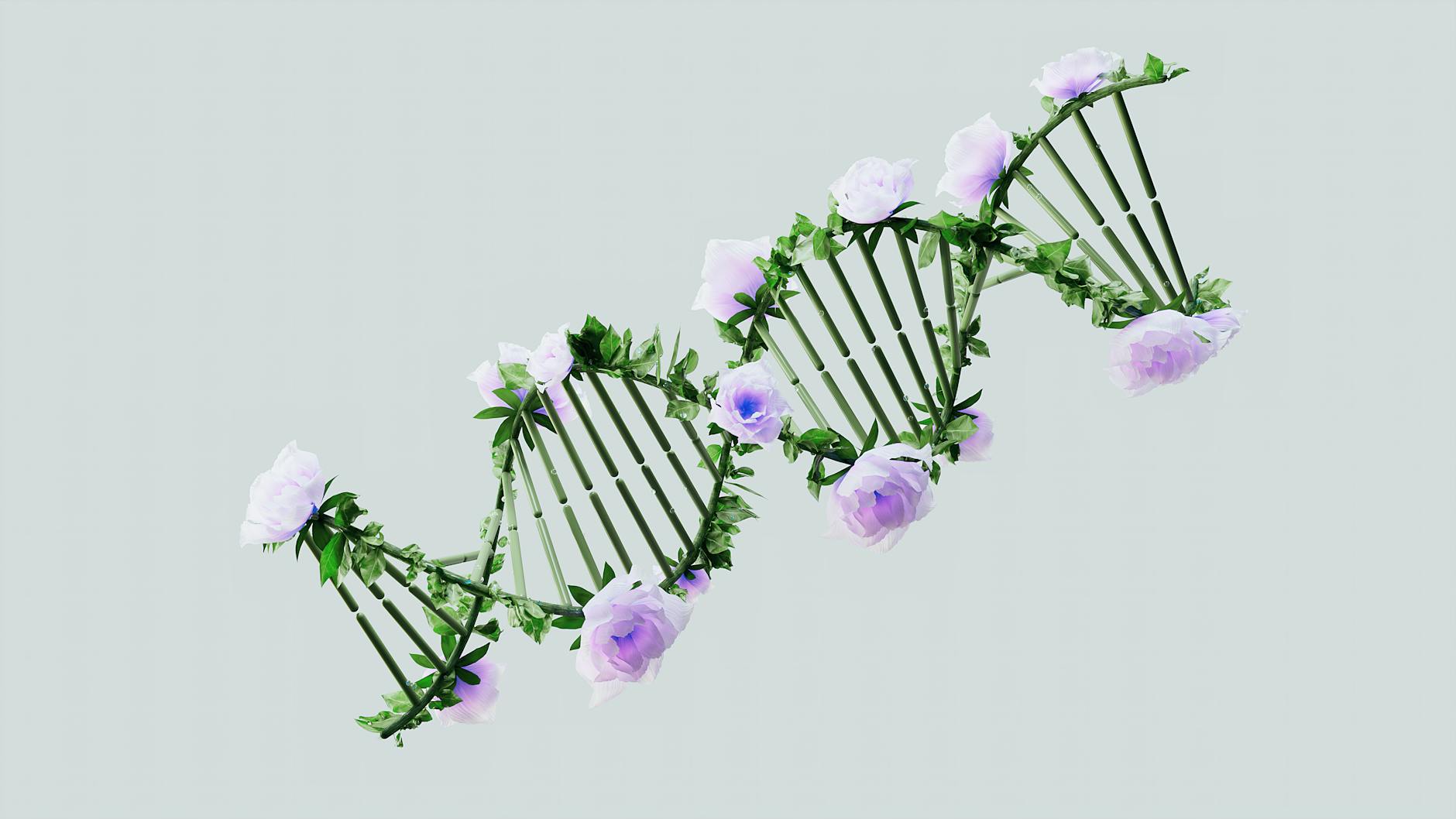
A panoramic view of Earth from space, with a faint overlay of a DNA helix, symbolizing the global impact and future potential of gene editing.

A diverse group of people from different backgrounds engaged in a thoughtful discussion, representing the need for inclusive global dialogue on gene editing ethics.