Introduction to AI-Powered Humanoid Robots
The advent of artificial intelligence (AI) has revolutionized numerous industries, with one of the most significant advancements being the development of humanoid robots. These robots, designed to mimic human appearance and movements, are equipped with AI capabilities that enable them to learn, adapt, and interact with their environment in complex ways.
| Robot Type | AI Capabilities | Applications |
|---|---|---|
| Humanoid Service Robots | Speech Recognition, Facial Recognition, Manipulation | Customer Service, Healthcare, Education |
| Industrial Humanoid Robots | Prediction, Optimization, Control | Manufacturing, Logistics, Construction |
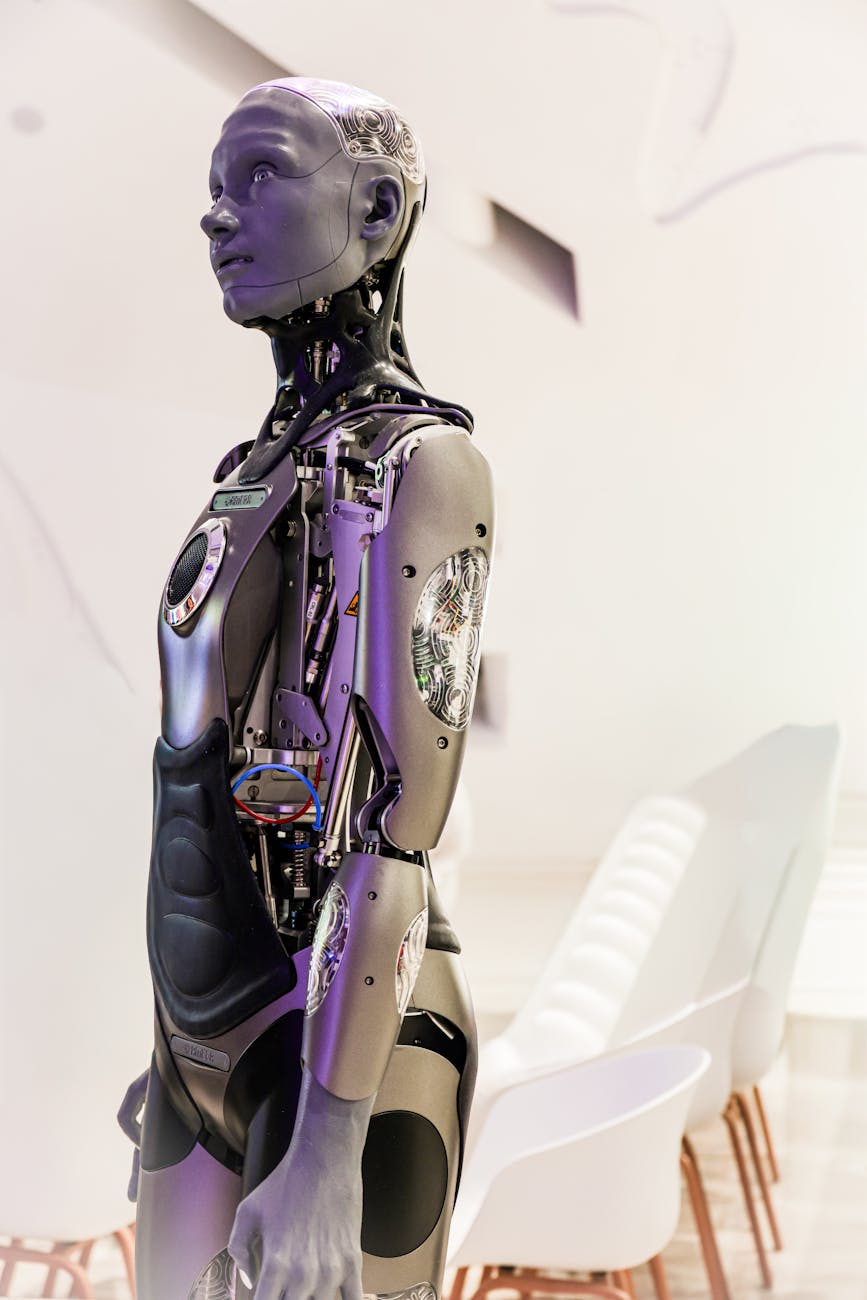
Humanoid robot assisting in a hospital setting
Technological Advancements in AI-Powered Humanoid Robots
- Advanced Sensors and Vision Systems: Enabling robots to perceive and understand their environment more accurately.
- Machine Learning and Deep Learning: Allowing robots to learn from data and improve their performance over time.
- Natural Language Processing: Enabling robots to communicate more effectively with humans.
A humanoid robot using advanced vision systems to navigate through a crowded area
Impact on Future Industries and Societies
As AI-powered humanoid robots become more prevalent, they are expected to significantly impact various industries and aspects of society, including employment, ethics, and social structures.
| Industry | Potential Impact |
|---|---|
| Healthcare | Improved patient care, enhanced medical research, and personalized medicine. |
| Education | Personalized learning experiences, automated grading, and enhanced teacher support. |
| Manufacturing | Increased efficiency, reduced costs, and improved product quality. |

A humanoid robot working alongside human workers in a manufacturing line
Challenges and Considerations
The integration of AI-powered humanoid robots into various industries and societies also raises several challenges and considerations, such as job displacement, ethical concerns, and cybersecurity risks.
- Job Displacement: The potential for robots to replace human workers, particularly in sectors where tasks are repetitive or can be easily automated.
- Ethical Concerns: Questions surrounding the use of robots in sensitive areas, such as healthcare and education, and the need for transparent decision-making processes.
- Cybersecurity Risks: The vulnerability of robots to cyberattacks and the potential consequences for data privacy and security.
A graph showing the potential job displacement due to automation
Conclusion and Future Outlook
The development and deployment of AI-powered humanoid robots are poised to revolutionize numerous industries and aspects of society. As these technologies continue to evolve, it is crucial to address the challenges and considerations associated with their integration, ensuring that the benefits are equitably distributed and the risks are mitigated.
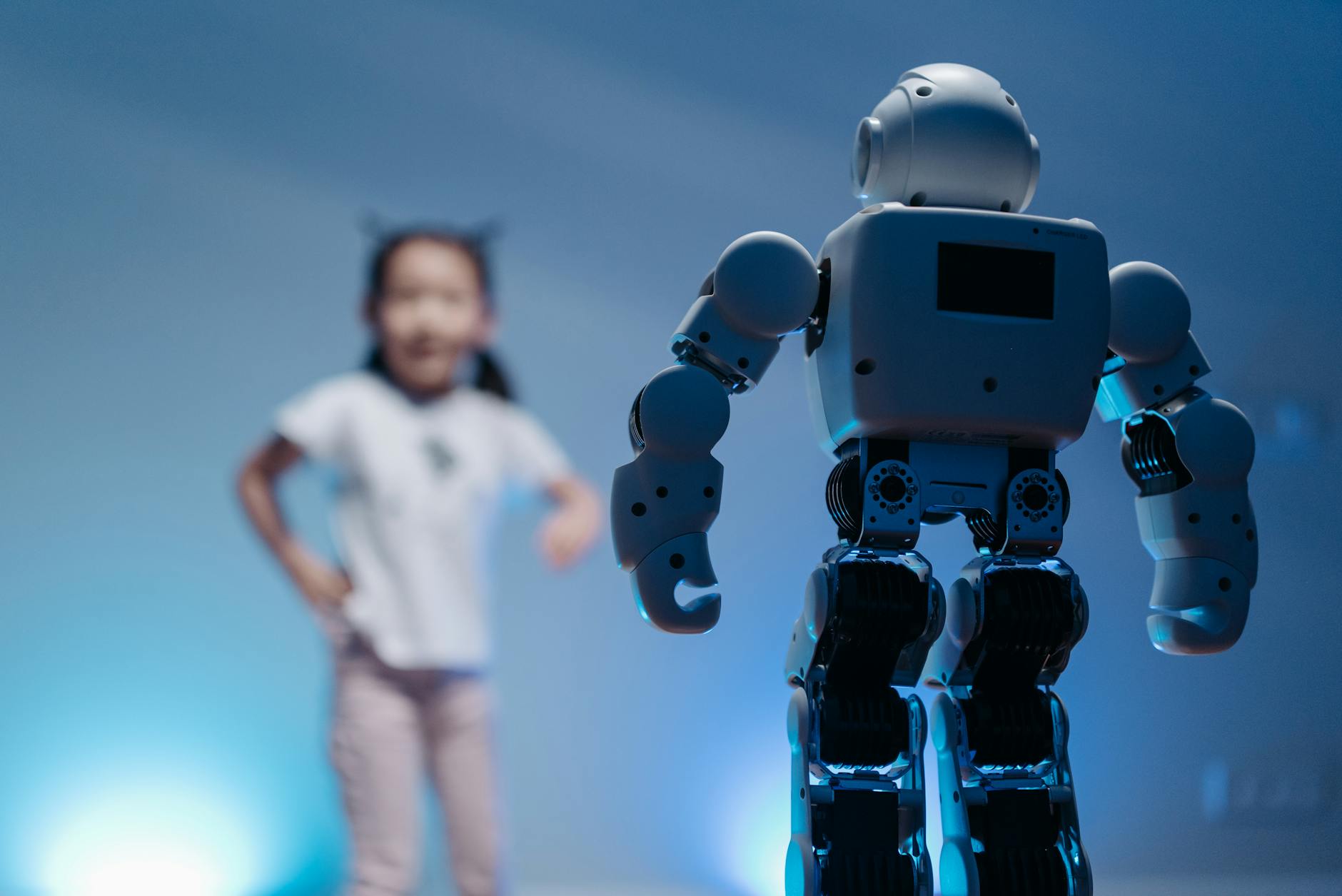
A futuristic cityscape with humanoid robots and humans coexisting