The Generative AI Imperative: Mastering Cloud-Based MLOps and AI Infrastructure Optimization for Business Dominance
In the relentless march of technological evolution, Artificial Intelligence, particularly its generative subfield, has emerged not merely as a disruptive force but as a fundamental architect of the modern business environment. The ability to effectively deploy, manage, and optimize AI, especially Generative AI models, is rapidly transitioning from a competitive advantage to an existential necessity. At the vanguard of this transformation lies the strategic imperative of MLOps (Machine Learning Operations) and AI Infrastructure Optimization, carving out new frontiers of corporate competitiveness.
MLOps, rooted in the DevOps philosophy, is the comprehensive operational framework designed to govern the entire lifecycle of machine learning models – from initial development and rigorous testing to seamless deployment, continuous monitoring, and automated maintenance. This systematic approach is paramount for ensuring the unwavering stability, reliability, and perpetual performance enhancement of AI systems, enabling businesses to harness their full potential without succumbing to the inherent complexities of AI deployment.

A futuristic, abstract visualization of interconnected data nodes and AI algorithms, symbolizing the complex ecosystem of MLOps and Generative AI.
The Escalating Complexity of Generative AI Deployment
The deployment and management of Generative AI models present a unique set of challenges that amplify the criticality of robust MLOps practices. Their sheer complexity, immense scale, and profound ethical implications demand a more sophisticated operational paradigm. MLOps is indispensable in guaranteeing the scalability, trustworthiness, robust governance, and continuous improvement required for these advanced models. Large Language Models (LLMs), as a prime example of generative AI, possess voracious infrastructure demands. Their non-deterministic outputs, sensitive data handling requirements, and highly dynamic usage patterns underscore the indispensable role of MLOps in navigating these intricate operational landscapes.
“The strategic integration of MLOps and optimized AI infrastructure is no longer a technical consideration; it is a core business strategy that dictates market leadership in the age of artificial intelligence.”
The Booming AI Infrastructure Market: A Foundation for Innovation
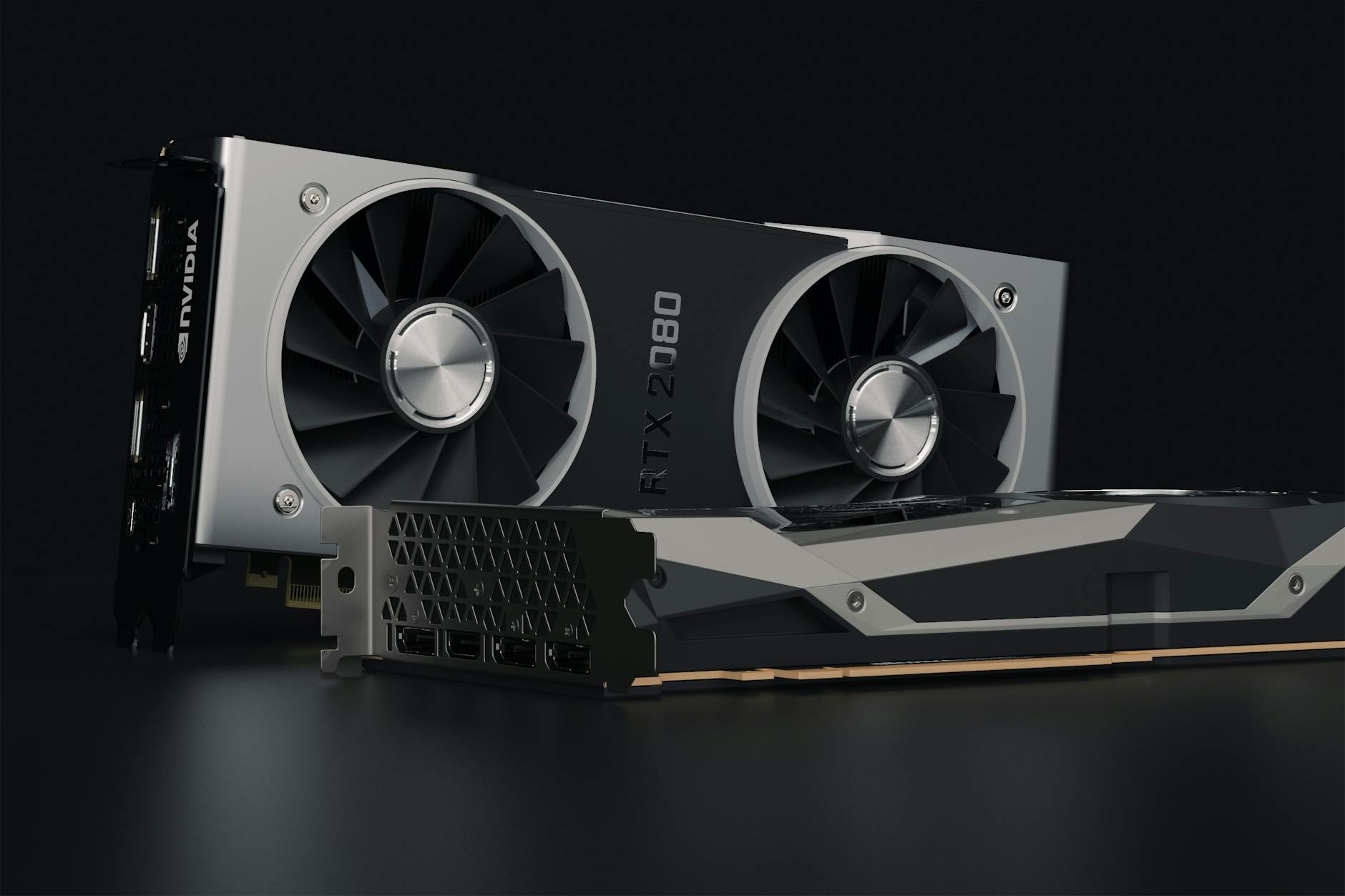
The global AI infrastructure market is experiencing a period of unprecedented growth, fueled by substantial investments in servers designed for AI deployment. This surge is projected to continue with high double-digit annual growth for several years to come. IDC forecasts that worldwide AI infrastructure spending will reach a staggering $758 billion by 2029. This expansion is largely driven by the escalating demand for high-performance computing (HPC) resources, including GPUs and ASICs, which are the bedrock of the AI-optimized Infrastructure as a Service (IaaS) market.
By 2026, it is anticipated that inference workloads will account for a significant 55% of AI-optimized IaaS expenditures. This highlights a critical shift towards operationalizing AI models, moving beyond the initial training phases. The optimization of this infrastructure is not merely about enhancing performance; it is a decisive factor in securing cost-efficiency, ensuring data sovereignty, bolstering security, and guaranteeing the resilience of AI systems. Without strategic infrastructure optimization, the promise of AI can quickly devolve into an unsustainable financial and operational burden.

A dynamic infographic illustrating the projected growth of the global AI infrastructure market, with clear segmentation of spending areas like GPUs, ASICs, and IaaS.
Strategic Pillars of Cloud-Based MLOps and AI Infrastructure Optimization
To successfully leverage Generative AI for business advantage, organizations must adopt a multi-faceted strategy that harmonizes cloud-based MLOps with meticulously optimized AI infrastructure. This synergy is essential for transforming AI’s potential into tangible business outcomes.
1. Robust MLOps Frameworks for Generative AI
Implementing an MLOps framework tailored for Generative AI involves several key considerations:
- Model Versioning and Experiment Tracking: Rigorous tracking of model iterations, hyperparameters, and datasets is crucial for reproducibility and debugging.
- Automated CI/CD Pipelines: Establishing continuous integration and continuous deployment (CI/CD) pipelines specifically for AI models ensures rapid and reliable updates.
- Monitoring and Alerting: Continuous monitoring of model performance, drift, and bias in production environments is vital for proactive issue resolution.
- Data Governance and Security: Implementing stringent data management policies and security protocols to protect sensitive information processed by Generative AI models.
- Ethical AI and Bias Mitigation: Integrating mechanisms for detecting and mitigating bias in AI outputs, ensuring fairness and responsible AI deployment.
A detailed flowchart illustrating a typical MLOps pipeline for Generative AI, emphasizing automation, monitoring, and governance stages.
2. AI Infrastructure Optimization Strategies
Optimizing AI infrastructure is a continuous process that demands strategic planning and execution:
- Compute Resource Management: Efficiently allocating and scaling compute resources (GPUs, TPUs, CPUs) based on workload demands, leveraging cloud elasticity.
- Storage Solutions: Implementing high-throughput, low-latency storage solutions optimized for large datasets and rapid data access required by AI training and inference.
- Networking Infrastructure: Ensuring high-bandwidth, low-latency networking to facilitate efficient data transfer between compute nodes and storage.
- Cost Management and FinOps: Adopting FinOps practices to monitor, analyze, and optimize cloud spending related to AI infrastructure, ensuring cost-effectiveness.
- Hybrid and Multi-Cloud Strategies: Evaluating and implementing hybrid or multi-cloud approaches to balance cost, performance, data sovereignty, and vendor lock-in concerns.
A comparative table showcasing the pros and cons of different AI hardware accelerators (GPU, ASIC, FPGA) for various AI workloads.
| Accelerator Type | Primary Strengths | Ideal Use Cases | Considerations |
|---|---|---|---|
| GPU (Graphics Processing Unit) | Massive parallelism, high memory bandwidth, mature ecosystem. | Model training, large-scale inference, complex neural networks. | Higher power consumption, potentially higher cost per unit. |
| ASIC (Application-Specific Integrated Circuit) | Extreme efficiency for specific tasks, lower power consumption. | Dedicated inference at scale, specialized AI tasks. | Less flexible, high NRE (Non-Recurring Engineering) costs for custom development. |
| FPGA (Field-Programmable Gate Array) | Flexibility, reconfigurability, lower latency than GPUs for certain tasks. | Real-time inference, edge AI, dynamic workload adaptation. | Lower raw compute power compared to GPUs, programming complexity. |
3. Cloud-Native MLOps Platforms
The cloud offers a powerful, scalable, and flexible environment for implementing MLOps. Cloud-native MLOps platforms provide:
- Managed Services: Leveraging managed services for data storage, compute, model registries, and deployment pipelines reduces operational overhead.
- Scalability and Elasticity: The ability to scale resources up or down dynamically based on demand is crucial for cost-effective AI operations.
- Integration with Cloud Ecosystem: Seamless integration with other cloud services (e.g., data analytics, security, monitoring) enhances overall efficiency.
- Serverless Architectures: Exploring serverless options for inference endpoints can further optimize costs and simplify management for certain workloads.

A visual representation of a hybrid cloud architecture integrating on-premises infrastructure with public cloud AI services for MLOps.
Case Study: Revolutionizing Customer Engagement with Generative AI
A leading e-commerce giant sought to enhance its customer engagement strategies by deploying a sophisticated Generative AI-powered recommendation engine and personalized content generator. The challenge lay in managing the immense computational demands and ensuring real-time performance for millions of users.
Implementation Strategy:
- Cloud Platform: Leveraged a major cloud provider’s AI-optimized IaaS, utilizing a mix of GPU instances for training and inference.
- MLOps Integration: Implemented a cloud-native MLOps platform for automated model training, versioning, A/B testing of recommendation algorithms, and continuous deployment to production.
- Infrastructure Optimization: Employed auto-scaling groups for compute resources, optimized data pipelines for low-latency access to user behavior data, and implemented cost monitoring tools to manage GPU expenditure.
- Monitoring: Deployed real-time monitoring dashboards to track recommendation accuracy, user engagement metrics, and model latency, with automated alerts for performance degradation or bias.
Outcomes:
The deployment resulted in a 25% increase in customer conversion rates and a 15% uplift in average order value within six months. The MLOps framework ensured the model continuously learned from new customer interactions, maintaining its relevance and effectiveness. The optimized infrastructure provided the necessary performance and scalability while keeping operational costs within budget.
A dashboard screenshot mock-up showing key performance indicators (KPIs) for a Generative AI recommendation engine, including conversion rates and engagement metrics.
The Future Horizon: Quantum AI and Beyond
As we look towards the future, the convergence of quantum computing and AI promises to unlock even more profound capabilities. Quantum AI could revolutionize the training of complex models, enabling breakthroughs in areas like drug discovery, materials science, and sophisticated financial modeling. This next wave of AI will undoubtedly necessitate even more advanced MLOps practices and novel AI infrastructure paradigms, pushing the boundaries of what is currently imaginable.
The journey into Generative AI is not merely about adopting new tools; it is about fundamentally re-imagining business operations, fostering innovation, and building resilient, intelligent enterprises. The strategic mastery of cloud-based MLOps and AI infrastructure optimization is the key to unlocking this transformative potential.
| Aspect | MLOps Focus | Infrastructure Focus | Business Impact |
|---|---|---|---|
| Scalability | Automated deployment, load balancing, efficient resource utilization. | Elastic compute (GPU/TPU), high-throughput storage, robust networking. | Ability to handle fluctuating user demand, support business growth. |
| Reliability | Continuous monitoring, automated rollback, fault tolerance. | Redundancy, disaster recovery, high availability configurations. | Uninterrupted service, trust in AI-driven processes. |
| Cost-Efficiency | Resource optimization, efficient model serving, FinOps integration. | Right-sizing instances, spot instance utilization, reserved instances. | Maximized ROI, sustainable AI investment. |
| Security & Governance | Access control, data privacy, model explainability, compliance. | Secure network configurations, data encryption, access policies. | Mitigation of risks, regulatory compliance, brand reputation. |
| Performance | Model optimization, efficient inference, low-latency serving. | High-performance hardware, optimized interconnects, edge computing. | Enhanced user experience, faster decision-making. |

A conceptual image depicting the synergy between quantum computing and AI, hinting at future computational possibilities.