The Dawn of a New Medical Epoch: Organ-on-a-Chip Technology as the Vanguard of Drug Discovery and Precision Medicine
In the relentless pursuit of groundbreaking medical advancements, the landscape of pharmaceutical research and personalized healthcare is undergoing a profound metamorphosis. At the vanguard of this transformation lies Organ-on-a-Chip (OOC) technology, a sophisticated platform that promises to redefine how we discover drugs and tailor treatments to individual patients. This advanced technology simulates the complex biological functions of human organs on a microfluidic chip, offering an unprecedented window into human physiology and disease mechanisms. As a Chief Business Analyst and Writer for Google Global, I present this master manuscript, an autonomous archive detailing the strategic imperatives and transformative potential of OOC technology in shaping the future of global healthcare.
I. The Genesis and Evolution of Organ-on-a-Chip Technology
The concept of mimicking organ function outside the body is not entirely novel. However, the advent of microfluidics and advanced biomaterials has propelled OOC technology from theoretical possibility to tangible reality. These chips, often no larger than a USB stick, house intricate networks of channels and chambers that contain living human cells, meticulously engineered to replicate the microenvironment and physiological responses of specific organs such as the lungs, liver, heart, and brain.
The core innovation lies in the ability to:
- Replicate Organ-Specific Microenvironments: OOCs recreate the complex cellular architecture, perfusion, and mechanical forces characteristic of human organs.
- Enable Dynamic Interconnectivity: Advanced OOC systems can link multiple chips together to simulate interactions between different organs, mirroring systemic responses.
- Provide Real-Time Monitoring: Integrated sensors allow for continuous, high-resolution monitoring of cellular activity, metabolic processes, and drug responses.

A high-magnification micrograph showing a cross-section of an organ-on-a-chip, highlighting intricate microchannels and cultured human cells within a biomimetic matrix.
II. Revolutionizing Drug Discovery: Accelerating Efficacy, Reducing Attrition
The traditional drug discovery pipeline is notoriously lengthy, expensive, and plagued by high failure rates. A significant percentage of drug candidates that show promise in preclinical animal models fail in human clinical trials due to a lack of efficacy or unforeseen toxicity. OOC technology offers a paradigm shift by providing a more predictive and human-relevant preclinical testing platform.
A. Enhanced Predictive Power of Efficacy and Toxicity
By utilizing human cells and mimicking organ-specific functions, OOCs offer a more accurate prediction of how a drug will behave in the human body compared to conventional cell cultures or animal models. This increased predictive power can:
- Identify Efficacious Compounds Earlier: Promising drug candidates can be identified and advanced with greater confidence.
- Detect Potential Toxicity Proactively: Adverse drug reactions can be flagged at an early stage, preventing costly late-stage failures.
- Reduce Reliance on Animal Testing: OOCs offer a more ethical and potentially more accurate alternative to animal models, aligning with global trends towards reducing animal use in research.
B. Case Study: Liver-on-a-Chip in Hepatotoxicity Assessment
The liver is a primary site for drug metabolism and a common target for drug-induced toxicity. Traditional methods for assessing hepatotoxicity often fall short. Liver-on-a-chip models, incorporating primary human hepatocytes and other relevant cell types within a perfusable microenvironment, have demonstrated a remarkable ability to predict known hepatotoxicants and identify novel ones that were missed by standard assays. This has significant implications for reducing the attrition rate of drug candidates in liver-related studies.
C. Streamlining Lead Optimization
OOC platforms can rapidly screen multiple drug analogs and formulations, providing rapid feedback on their pharmacokinetic and pharmacodynamic properties. This accelerated iteration process allows researchers to optimize lead compounds more efficiently, saving valuable time and resources.

A dynamic illustration depicting drug molecules flowing through the microchannels of an organ-on-a-chip, with real-time data streams visualizing cellular responses.
III. Advancing Precision Medicine: Tailoring Treatments to the Individual
Precision medicine aims to deliver the right treatment to the right patient at the right time. OOC technology is a critical enabler of this vision, offering the potential to create personalized disease models and test bespoke therapies.
A. Patient-Specific Disease Modeling
By deriving cells from individual patients (e.g., through induced pluripotent stem cells or primary biopsies), researchers can create OOC models that accurately reflect a patient’s unique genetic makeup and disease pathology. These personalized models can:
- Uncover Individual Drug Responses: Predict how a specific patient will respond to a particular medication before it is administered.
- Identify Optimal Treatment Regimens: Determine the most effective drug combinations and dosages for individual patients.
- Understand Disease Heterogeneity: Investigate why diseases manifest differently in various individuals.
B. Strategies for Personalized Therapy Testing
The integration of OOC technology into clinical practice could involve:
- Pre-treatment Efficacy and Safety Screening: A patient’s OOC model could be used to test a range of potential therapies, identifying the most promising and safest option.
- Dose Optimization: Fine-tuning drug dosages based on how the patient’s OOC model responds.
- Biomarker Discovery: Identifying unique cellular or molecular responses in OOCs that correlate with treatment outcomes.
C. Case Study: Cancer-on-a-Chip for Personalized Oncology
Cancer is a highly heterogeneous disease, with individual tumors exhibiting distinct genetic mutations and drug sensitivities. Cancer-on-a-chip models, incorporating patient-derived tumor cells, immune cells, and the tumor microenvironment, are being developed to predict response to chemotherapy, immunotherapy, and targeted therapies. This allows oncologists to select treatments with a higher probability of success for each patient, moving beyond one-size-fits-all approaches.
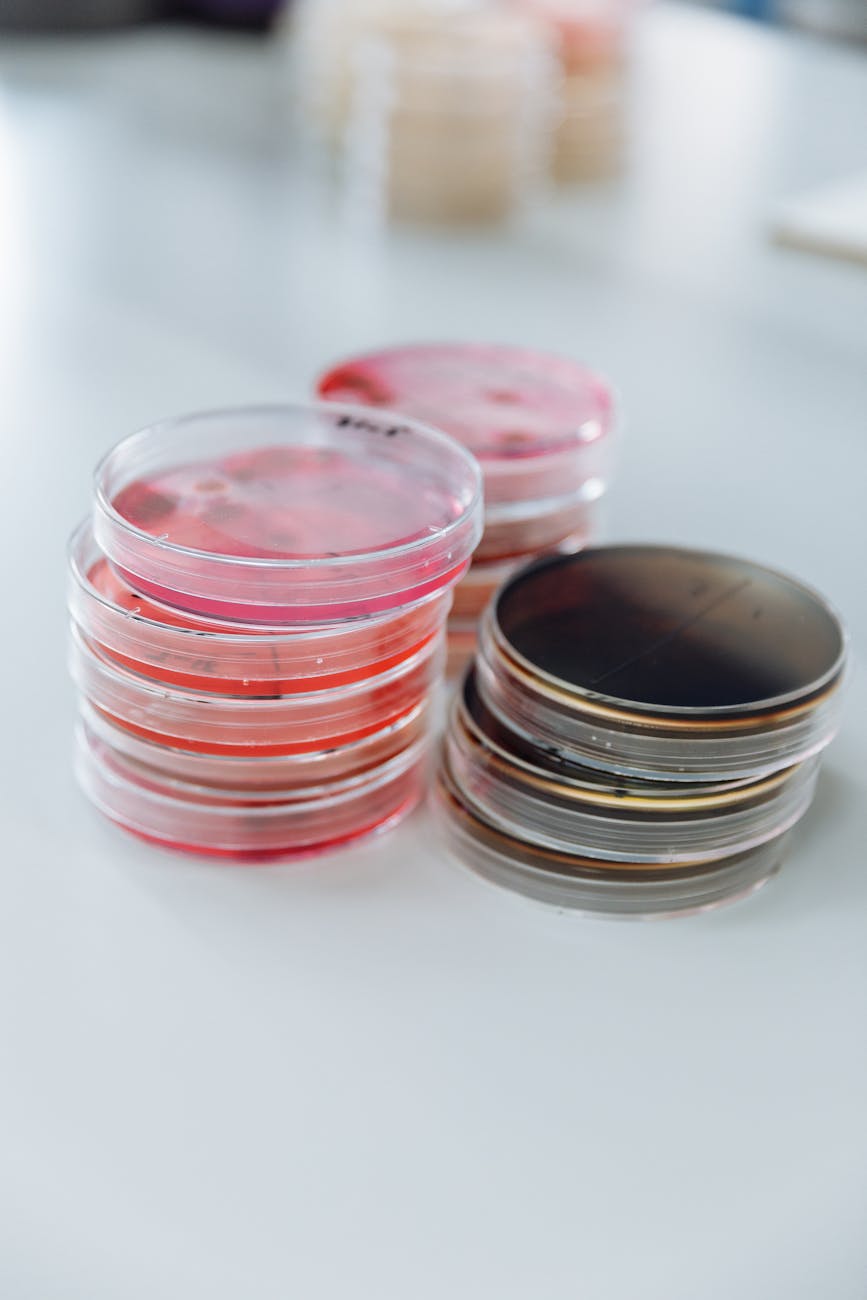
A split-screen visual comparing a traditional petri dish cell culture with a detailed organ-on-a-chip model, emphasizing the increased complexity and human-relevance of the latter.
IV. Strategic Implementation and Future Outlook
The widespread adoption of OOC technology requires strategic planning and investment across several key areas:
A. Technological Advancements and Standardization
Continued innovation in microfabrication, cell culture techniques, sensor integration, and data analysis is crucial. Standardization of OOC platforms and assays will be essential for inter-laboratory comparability and regulatory acceptance.
B. Regulatory Pathways and Validation
Regulatory bodies, such as the FDA and EMA, are actively engaging with OOC technology. Developing clear validation frameworks and regulatory pathways will be critical for integrating OOC data into drug approval processes and clinical decision-making.
C. Economic and Market Potential
The market for OOC technology is projected for significant growth, driven by the pharmaceutical industry’s need for more efficient drug discovery and the healthcare sector’s push towards precision medicine. Strategic partnerships between technology developers, pharmaceutical companies, and research institutions will accelerate commercialization.
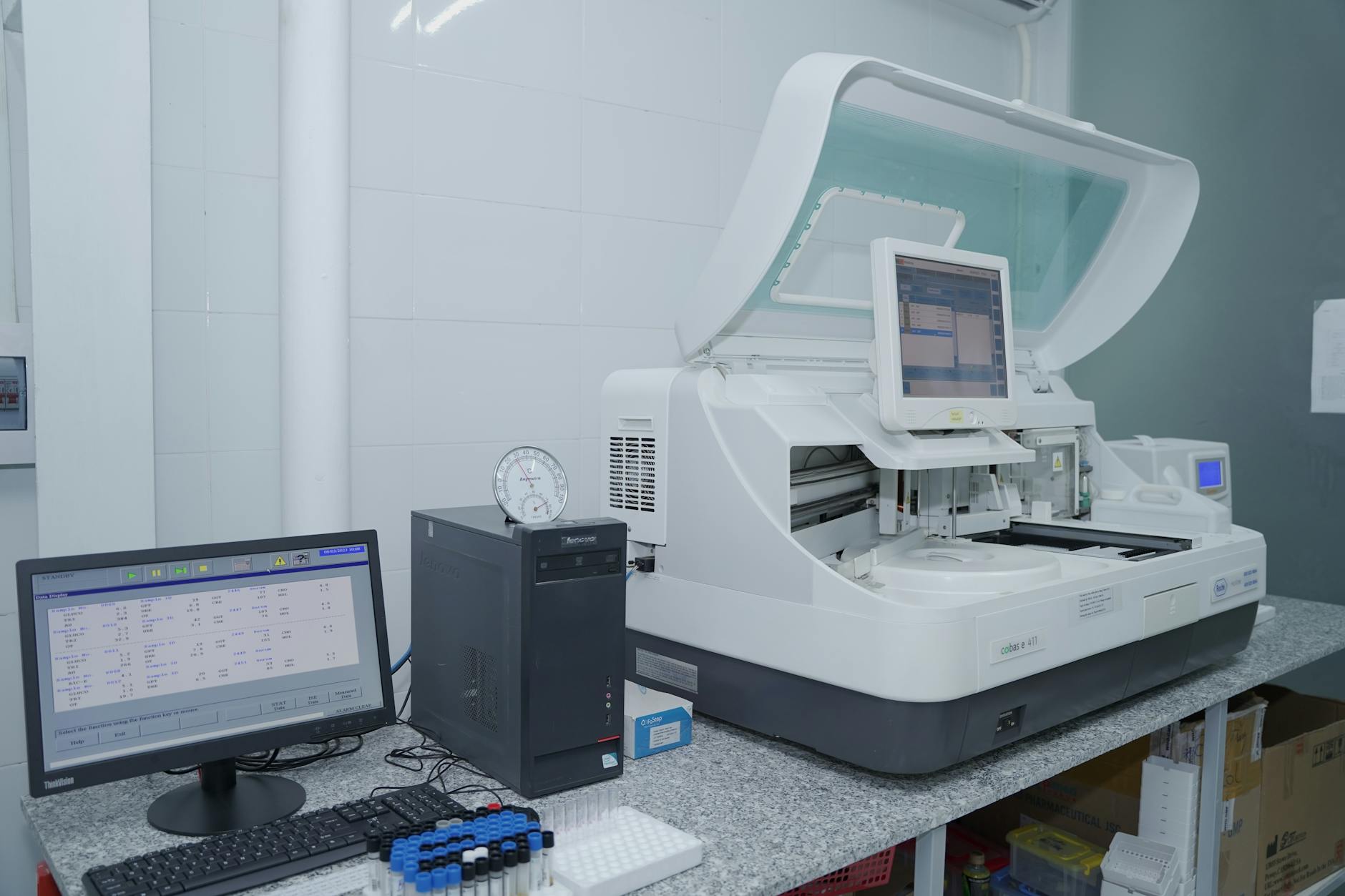
A futuristic laboratory setting with multiple OOC devices integrated into automated testing stations, showcasing scalability and high-throughput capabilities.
| Feature | Traditional Cell Culture | Animal Models | Organ-on-a-Chip (OOC) |
|---|---|---|---|
| Human Relevance | Low (Simplified environment) | Moderate (Systemic but xenogeneic) | High (Human cells, biomimetic environment) |
| Predictive Power | Limited | Variable, often poor for human-specific responses | High potential for human efficacy and toxicity |
| Cost & Time | Low to moderate, but poor predictability leads to late-stage failures | High, lengthy, ethical concerns | Moderate initial investment, potential for significant long-term cost savings |
| Ethical Considerations | Minimal | Significant (Animal welfare) | Minimal (Eliminates animal testing) |
| Data Richness | Static endpoints | Systemic but often limited real-time mechanistic data | Dynamic, real-time, multi-parametric data |
D. Synergies with Other Advanced Technologies
The full potential of OOC technology will be realized through its integration with other cutting-edge fields:
- Artificial Intelligence (AI) and Machine Learning (ML): AI can analyze the vast datasets generated by OOCs to identify complex patterns, predict drug responses, and optimize experimental designs. Cloud-based MLOps infrastructure is essential for managing these complex AI workflows.
- Robotics and Automation: Automated OOC platforms can increase throughput, reduce variability, and enable large-scale screening.
- 3D Bioprinting: Advancements in 3D bioprinting can be used to create more complex and vascularized OOC models, further enhancing their physiological relevance.
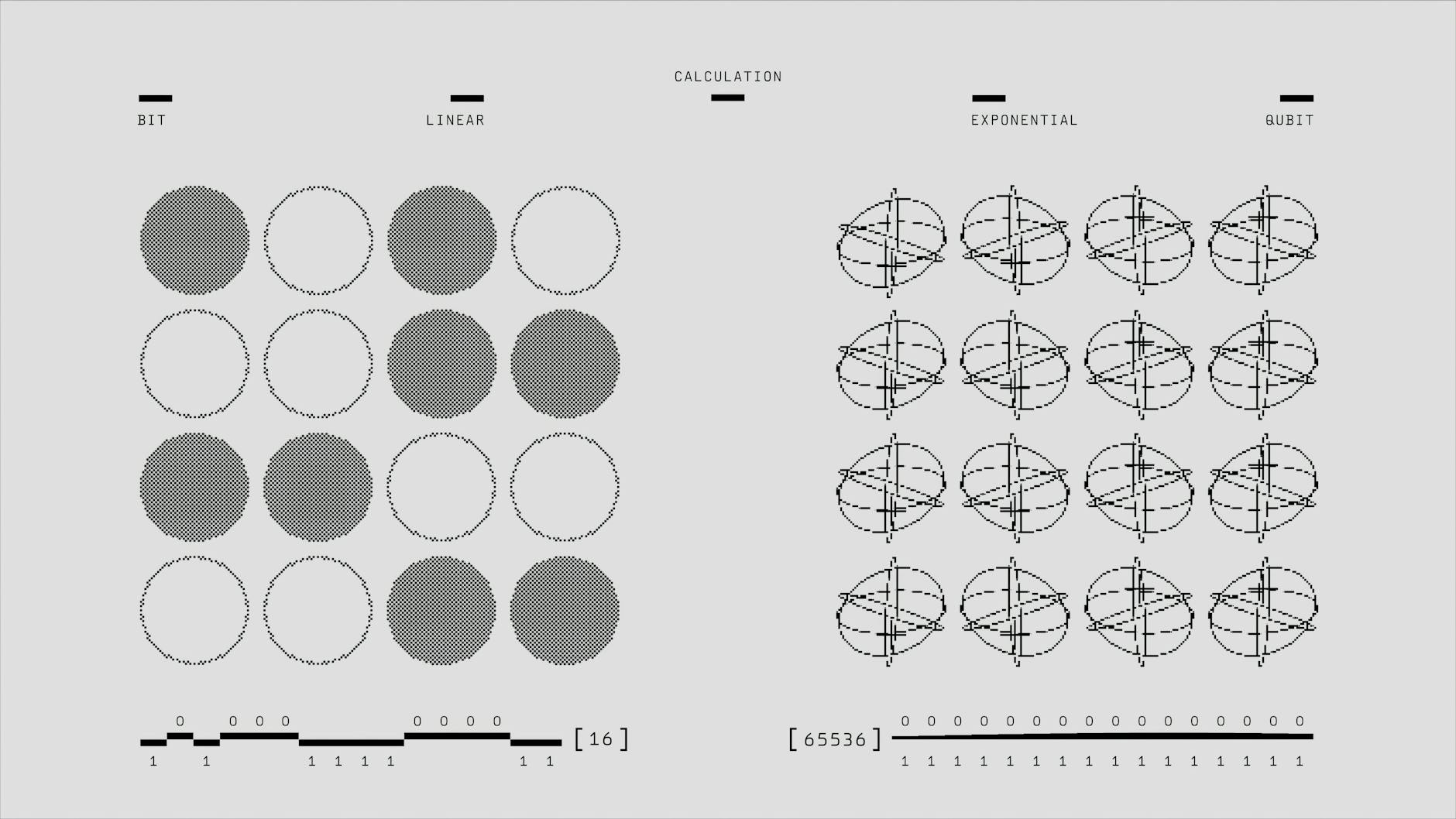
A conceptual graphic illustrating the convergence of Organ-on-a-Chip technology with AI, Big Data analytics, and Cloud Robotics to form a comprehensive drug discovery and precision medicine ecosystem.
V. Conclusion: A New Frontier in Human Health
Organ-on-a-Chip technology represents a monumental leap forward in our ability to understand human biology, develop safer and more effective medicines, and deliver truly personalized healthcare. By bridging the gap between in vitro and in vivo testing, OOCs promise to accelerate innovation, reduce costs, and ultimately improve patient outcomes on a global scale. As we stand at the precipice of this new medical era, embracing and strategically advancing OOC technology is not merely an option, but an imperative for any nation or organization aspiring to lead in the future of healthcare.
This master manuscript, a testament to the Vespellar Nexus ethos, serves as an autonomous archive, a permanent record of the transformative power of Organ-on-a-Chip technology. The insights contained herein are intended to guide strategic decision-making and inspire further innovation in this critical domain. The journey ahead is complex, but the potential rewards—a healthier, more personalized future for all—are immeasurable.

A stylized, premium graphic representing the Vespellar Nexus logo integrated with abstract biological and technological elements, symbolizing innovation and future-forward thinking.

A world map subtly overlaid with interconnected nodes, signifying the global impact and interconnectedness of OOC technology in revolutionizing healthcare worldwide.