Introduction to Organ-on-a-Chip Technology
Organ-on-a-Chip (OoC) technology has emerged as a groundbreaking innovation in the field of healthcare, promising to revolutionize drug discovery, development, and precision medicine. This technology involves the creation of miniature, three-dimensional models of human organs, which can be used to study the behavior of cells and tissues in a highly controlled and reproducible manner.
| Organ-on-a-Chip Benefits | Description |
|---|---|
| 1. Enhanced Drug Development | Allows for more accurate and efficient testing of new drugs, reducing the need for animal models and improving the chances of successful clinical trials. |
| 2. Personalized Medicine | Enables the creation of patient-specific organ models, facilitating tailored treatment approaches and enhancing the effectiveness of therapies. |
| 3. Reduced Costs | Minimizes the financial burden associated with traditional drug development and clinical trials by reducing the need for extensive animal testing and human trials. |
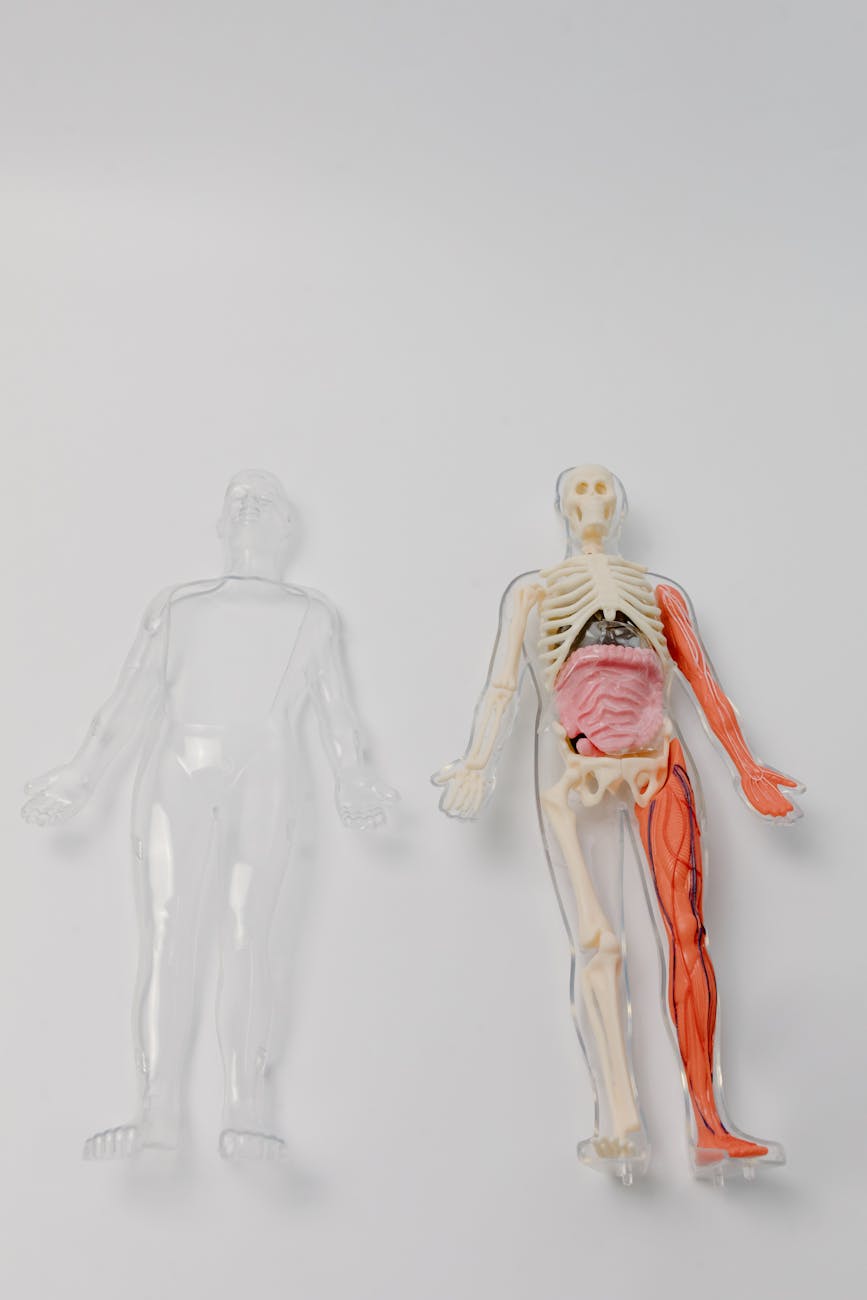
Organ-on-a-Chip Model Representation
Applications of Organ-on-a-Chip Technology
- Cardiovascular Diseases: OoC models can simulate the behavior of the heart and blood vessels, allowing for the testing of new treatments for conditions such as hypertension and atherosclerosis.
- Cancer Research: OoC models can mimic the microenvironment of tumors, facilitating the development of more effective cancer therapies.
- Neurological Disorders: OoC models of the brain and nervous system can be used to study neurodegenerative diseases such as Alzheimer’s and Parkinson’s, and to develop new treatments.
Organ-on-a-Chip technology has the potential to transform the field of healthcare by providing a more efficient, cost-effective, and patient-centric approach to drug development and precision medicine.
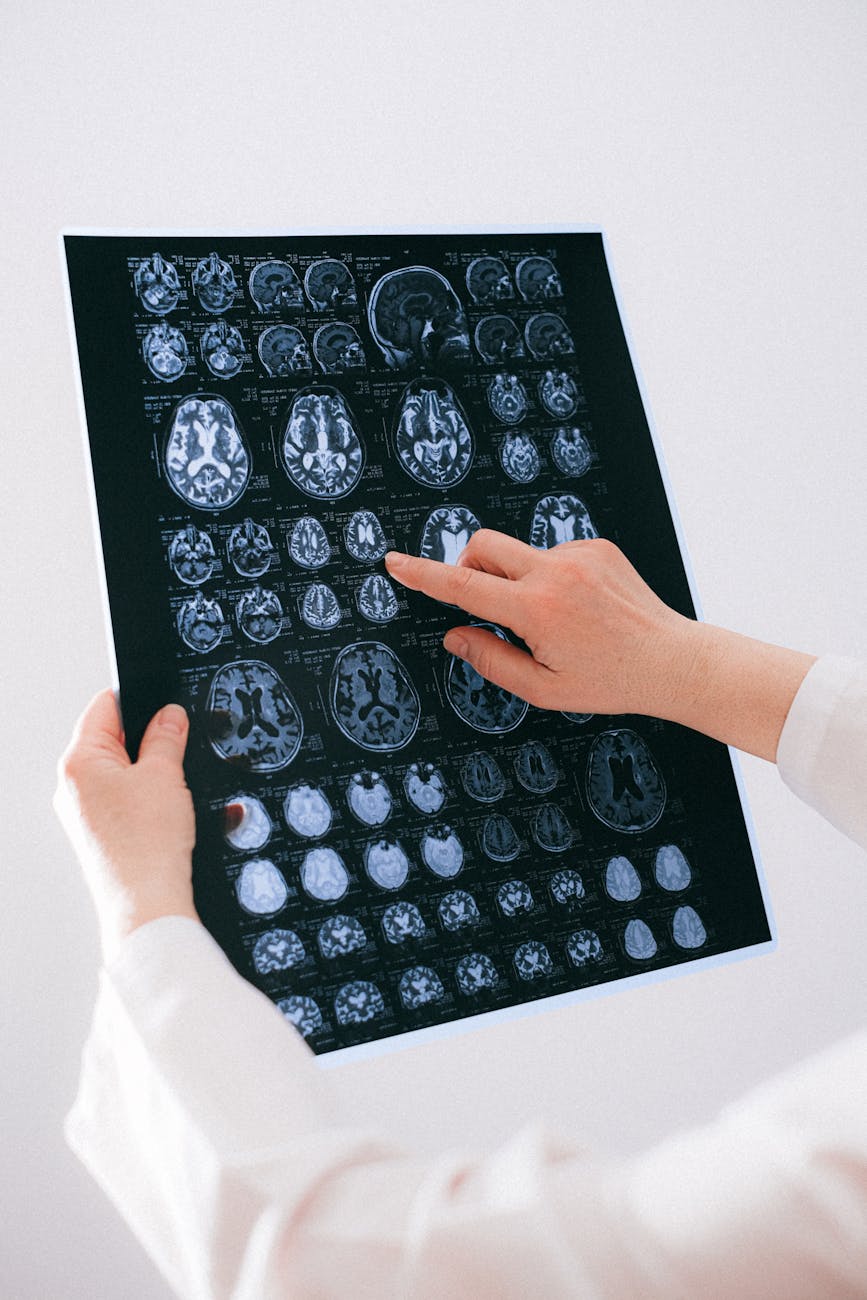
OoC Model of the Brain
Future Directions and Challenges
While Organ-on-a-Chip technology holds tremendous promise, there are several challenges that must be addressed in order to fully realize its potential. These include the development of more complex and integrated OoC models, the establishment of standardized testing protocols, and the integration of OoC technology with other emerging fields such as artificial intelligence and machine learning.
| Future Challenges | Description |
|---|---|
| 1. Complexity and Integration | Developing more complex and integrated OoC models that can mimic the behavior of multiple organ systems and tissues. |
| 2. Standardization | Establishing standardized testing protocols and validation procedures to ensure the accuracy and reproducibility of OoC models. |
| 3. Interdisciplinary Collaboration | Fostering collaboration between researchers from diverse fields, including engineering, biology, and medicine, to advance the development and application of OoC technology. |

Integrated OoC Model Representation
Conclusion
Organ-on-a-Chip technology represents a significant advancement in the field of healthcare, offering a powerful tool for drug development, precision medicine, and personalized treatment approaches. As this technology continues to evolve and mature, it is likely to have a profound impact on the way we approach healthcare, leading to more effective, efficient, and patient-centric treatments.
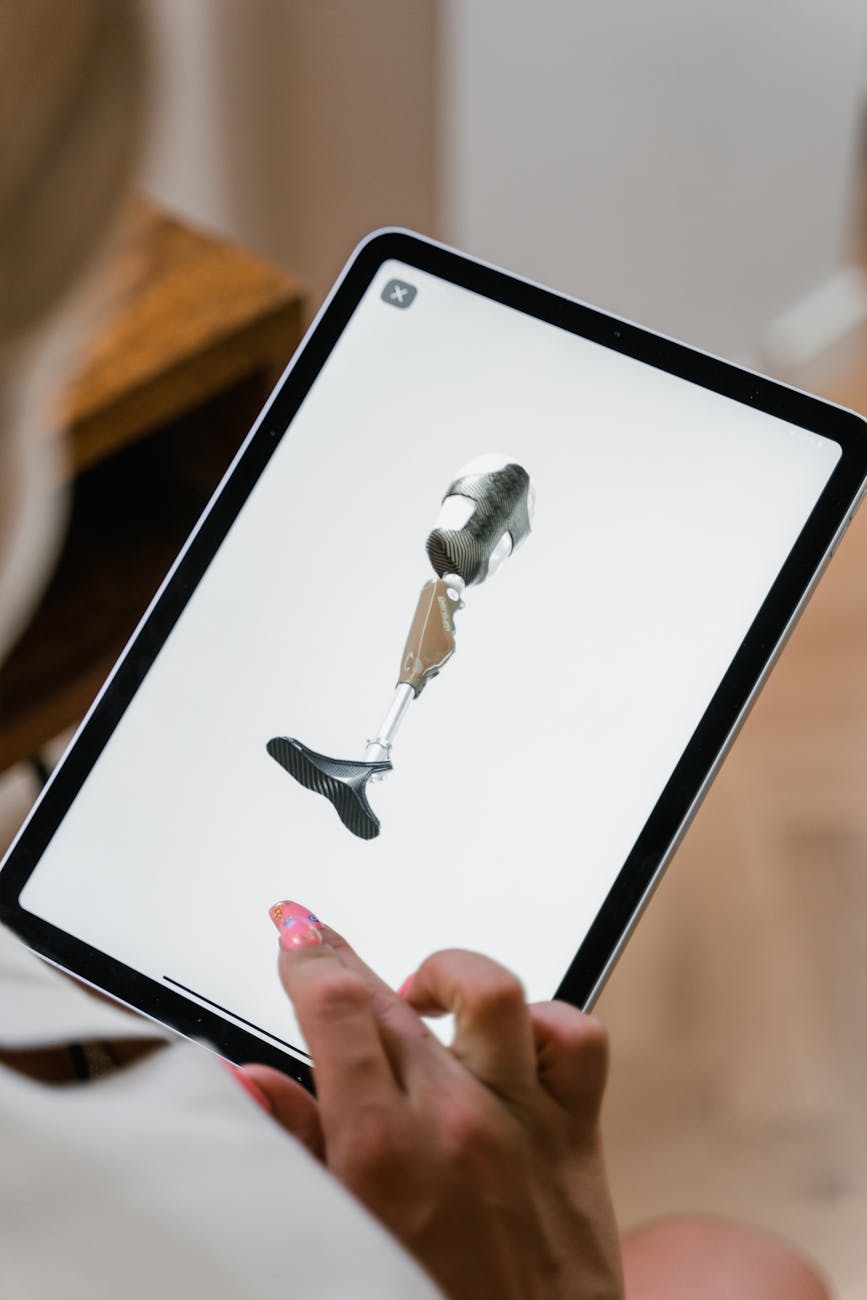
Future of Healthcare with OoC Technology

OoC Model of the Liver

OoC Model of the Kidney
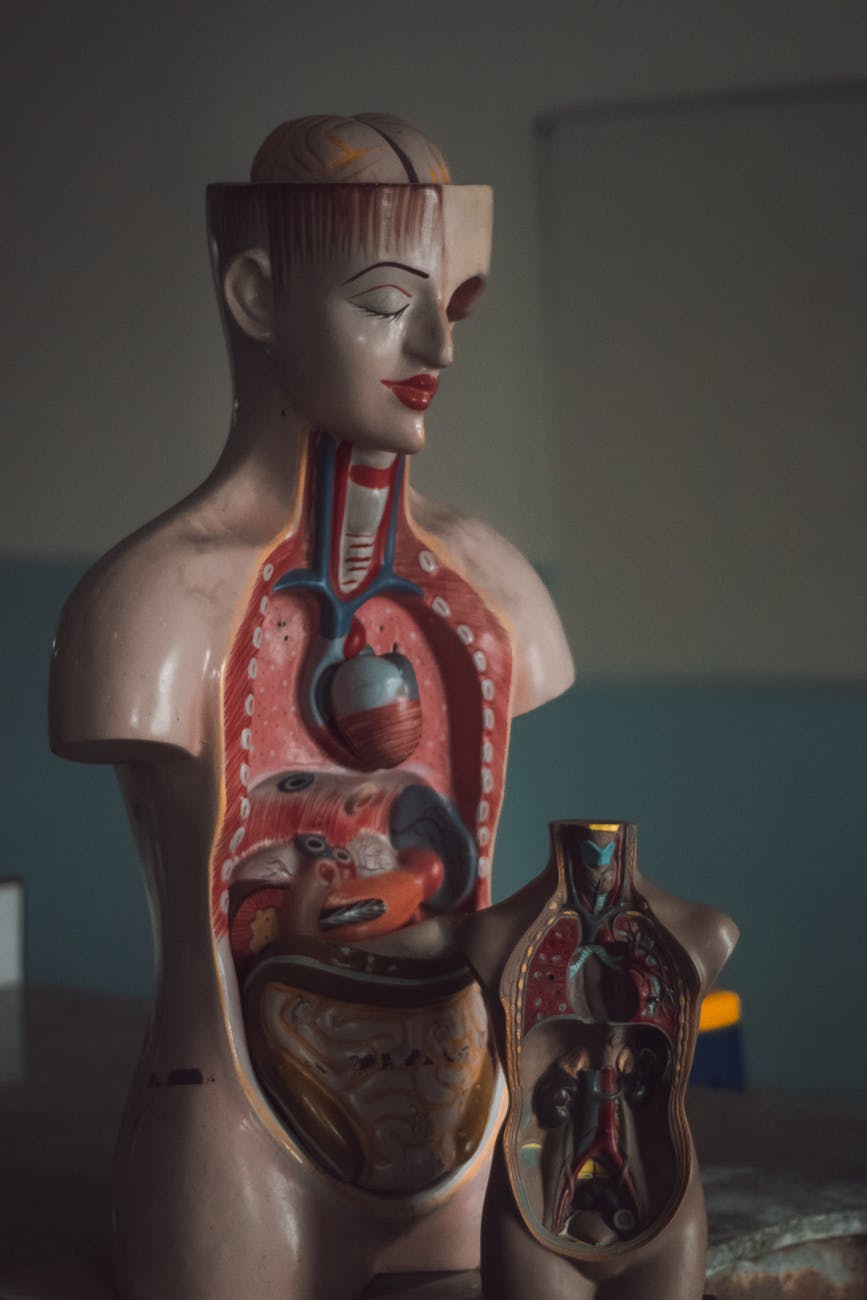
OoC Model of the Lung