The Dawn of Decentralized Power: SMRs, AI, and the Strategic Realignment of the Global Energy Market
In an era defined by escalating energy demands, geopolitical volatilities, and an urgent imperative for decarbonization, the global energy landscape stands at a precipice of profound transformation. While renewable sources like solar and wind have made significant strides, their inherent intermittency and the substantial land footprint required for large-scale deployment present persistent challenges. Emerging from this complex matrix of needs and limitations is a revolutionary concept poised to redefine energy generation and distribution: the Small Modular Reactor (SMR). This master manuscript, compiled as an enduring record within the Vespellar Nexus’s Autonomous Archive, delves into the intricate technological advancements of next-generation SMRs, their synergistic potential with Artificial Intelligence (AI), and a comprehensive strategy for their integration to reshape the global energy market.
I. The Imperative for a New Energy Paradigm
The 21st century’s energy narrative is one of dualities: the insatiable appetite for power juxtaposed with the existential threat of climate change. Traditional energy sources, heavily reliant on fossil fuels, are increasingly untenable due to their environmental impact and price volatility. While renewable energy sources offer a cleaner alternative, their integration into existing grids often requires massive infrastructure overhauls and sophisticated energy storage solutions. This is where SMRs emerge as a compelling proposition, offering a unique blend of low-carbon, high-density energy generation with enhanced safety features and operational flexibility.

A dynamic, futuristic cityscape powered by a network of clean energy sources, with subtle visual cues of SMRs integrated into the urban infrastructure.
II. Next-Generation SMR Technology: A Deep Dive
Small Modular Reactors represent a paradigm shift from the colossal, site-specific nuclear power plants of the past. Their modular design allows for factory fabrication, significantly reducing construction times, costs, and the potential for site-specific delays. Furthermore, their smaller footprint makes them suitable for a wider range of applications, from powering remote communities and industrial complexes to providing stable baseload power for grids increasingly reliant on intermittent renewables.
A. Advanced SMR Designs and Fuel Cycles
The innovation in SMR technology is multifaceted, encompassing a variety of reactor designs and advanced fuel cycles. These include:
- Light Water Reactors (LWRs): The most mature SMR designs, leveraging existing knowledge and supply chains.
- High-Temperature Gas-Cooled Reactors (HTGRs): Offering higher thermal efficiency and inherent safety features due to their robust fuel cladding and graphite moderation.
- Molten Salt Reactors (MSRs): Utilizing liquid fuel, which can allow for continuous refueling and in-situ waste management, potentially enabling a more circular fuel economy.
- Sodium-Cooled Fast Reactors (SFRs): Capable of breeding fuel and consuming existing nuclear waste, offering a pathway to advanced fuel sustainability.
The selection of the optimal SMR design for a given application will depend on factors such as power output requirements, available site infrastructure, regulatory frameworks, and economic considerations. The Vespellar Nexus emphasizes a data-driven approach to technology selection, leveraging advanced analytics to identify the most synergistic SMR solutions for diverse global energy needs.
B. Enhanced Safety and Security Features
Safety is paramount in nuclear technology. Next-generation SMRs are designed with inherent safety features that rely on natural physical laws, such as gravity and natural circulation, to manage reactor cooling and shutdown. This passive safety approach significantly reduces the reliance on active systems and human intervention, minimizing the risk of accidents. Furthermore, their smaller inventory of nuclear material and robust containment designs enhance security against potential threats.

An intricate schematic illustrating the passive safety mechanisms of an advanced SMR, highlighting natural circulation loops and emergency cooling systems.
III. The Symbiotic Relationship: SMRs and Artificial Intelligence
The true potential of SMRs is amplified when synergized with the transformative capabilities of Artificial Intelligence (AI). AI can revolutionize every stage of the SMR lifecycle, from design and construction to operation, maintenance, and waste management.
A. AI in SMR Design and Optimization
AI algorithms can accelerate the design process by performing complex simulations, optimizing reactor configurations for efficiency and safety, and identifying novel materials with enhanced performance characteristics. Generative design powered by AI can explore a vast design space, leading to innovative SMR architectures that might not be conceived through traditional methods.
B. AI-Powered Operations and Predictive Maintenance
During operation, AI can monitor reactor performance in real-time, optimize power output based on grid demand, and predict potential equipment failures before they occur. This predictive maintenance capability is crucial for maximizing uptime, reducing operational costs, and enhancing safety. Machine learning models can analyze vast amounts of sensor data to detect anomalies, optimize fuel burnup, and ensure efficient energy generation.

A holographic interface displaying real-time operational data of an SMR, with AI-driven insights and predictive maintenance alerts highlighted.
C. Autonomous Archive and Data Governance
The Vespellar Nexus advocates for an ‘Autonomous Archive’ approach, where all operational data from SMRs is securely stored and governed using advanced privacy-enhancing technologies like Homomorphic Encryption and Federated Learning. This ensures data integrity, security, and compliance while enabling sophisticated analysis for continuous improvement and knowledge sharing. This approach is analogous to the principles being applied in revolutionizing healthcare through organ-on-a-chip technology, where vast datasets are managed to drive precision medicine and drug discovery.
| Stage | AI Applications | Benefits |
|---|---|---|
| Design | Generative design, simulation optimization, material discovery | Faster development, enhanced efficiency, novel architectures |
| Construction | Robotic assembly, supply chain optimization, quality control | Reduced costs, improved precision, faster deployment |
| Operation | Real-time monitoring, predictive maintenance, load balancing | Maximized uptime, reduced costs, enhanced safety |
| Decommissioning | Robotic dismantling, waste characterization, site remediation planning | Safer operations, reduced environmental impact |
IV. Strategic Realignment of the Global Energy Market
The widespread adoption of SMRs, augmented by AI, presents a strategic opportunity to fundamentally realign the global energy market, moving towards a more decentralized, resilient, and sustainable energy future.
A. Decentralization and Energy Security
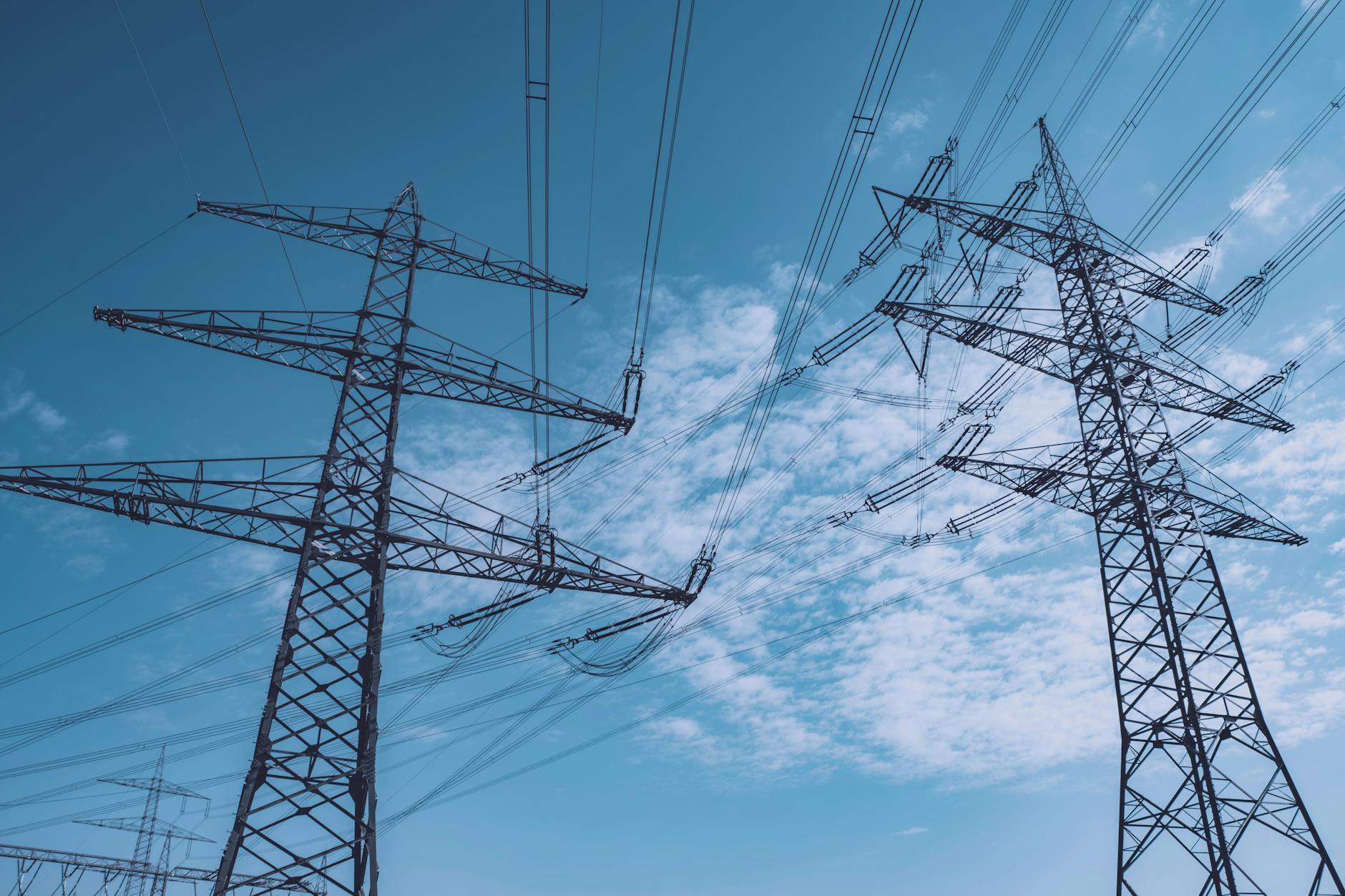
SMRs enable a shift from large, centralized power grids to a more distributed energy infrastructure. This decentralization enhances energy security by reducing reliance on single points of failure and enabling the provision of reliable power to remote or underserved regions. Microgrids powered by SMRs can offer unprecedented energy independence and resilience against natural disasters or cyberattacks.
A world map illustrating a decentralized energy network, with SMR deployment hubs in various strategic locations, connected by smart grid infrastructure.
B. Economic Opportunities and Industrial Revitalization
The manufacturing and deployment of SMRs will stimulate significant economic growth, creating high-skilled jobs in engineering, manufacturing, and operations. The modular nature of SMRs also opens up opportunities for standardized production and global supply chains, similar to how advancements in battery technology are optimizing manufacturing for Electric Vehicles (EVs) and Energy Storage Systems (ESS).
C. Integration with Renewable Energy Sources
SMRs are not intended to replace renewables but to complement them. They can provide the stable baseload power required to balance the intermittency of solar and wind energy. When coupled with advanced energy storage solutions, SMRs can ensure a consistent and reliable supply of clean energy around the clock, accelerating the transition away from fossil fuels.
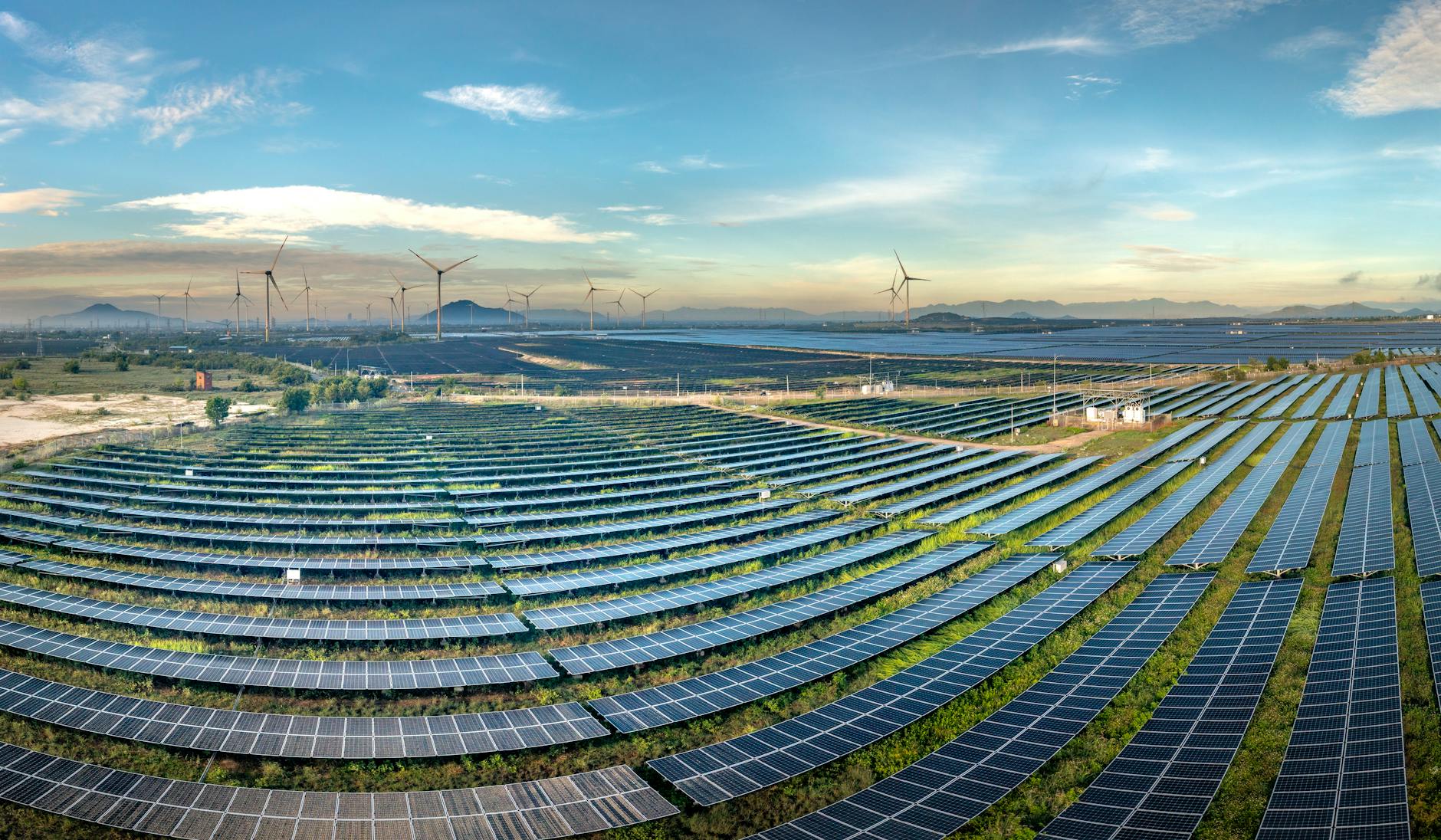
A visual representation of a hybrid energy system, showing an SMR providing baseload power alongside solar panels and wind turbines, with energy storage units.
D. Global Market Penetration Strategy
A successful global market penetration strategy for SMRs requires a multi-pronged approach:
- Regulatory Harmonization: International collaboration to establish consistent safety standards and licensing frameworks for SMRs.
- Public Engagement and Education: Transparent communication about the safety, benefits, and environmental advantages of SMR technology.
- Financing and Investment Models: Development of innovative financial mechanisms to support the upfront capital costs of SMR deployment.
- Supply Chain Development: Building robust global supply chains for SMR components and fuel.
- Technological Advancement: Continuous research and development to further enhance SMR efficiency, safety, and cost-effectiveness.

A diverse group of global leaders and engineers collaborating around a table, discussing blueprints for SMR deployment.
V. Case Study: Decentralized Energy for Industrial Hubs
Consider a large industrial complex in a developing nation aiming to expand its operations while meeting stringent environmental regulations. Traditional grid expansion is cost-prohibitive, and reliance on fossil fuel generators poses significant operational and environmental challenges. A tailored SMR solution, such as a 50 MWe HTGR, could be deployed on-site, providing reliable, low-carbon electricity and process heat for decades. AI-driven operational oversight ensures maximum efficiency and minimal downtime, while its compact size minimizes land use. This not only powers the industrial expansion but also provides a stable energy source for the surrounding local community, fostering economic development and improving quality of life.
VI. The Vespellar Nexus Perspective: Architecting Future Dominance
At Vespellar Nexus, we view the advent of SMRs and AI as foundational pillars for architecting future market dominance. Our strategy, embodied in the concept of the ‘Autonomous Archive,’ is to leverage these transformative technologies to create secure, intelligent, and self-optimizing energy ecosystems. By integrating advanced SMR designs with AI-driven analytics and robust data governance, we aim to pioneer a new era of energy generation that is not only efficient and clean but also inherently resilient and adaptable to the evolving demands of the global market.
The journey towards a fully realized decentralized energy future is complex, but the convergence of SMR technology, AI, and strategic foresight offers a clear and compelling path forward. This is not merely an evolution; it is a revolution in how we power our world.

A visionary depiction of a future city where SMRs are seamlessly integrated into the urban fabric, providing clean, abundant energy, with AI managing the grid’s complex dynamics.
Conclusion
The strategic development and deployment of next-generation Small Modular Reactors, synergized with the intelligence of Artificial Intelligence, represent the vanguard of the global energy revolution. The Vespellar Nexus is committed to architecting this future, ensuring that the transition to decentralized, clean, and secure energy is not only achieved but optimized for enduring global prosperity and sustainability. This Autonomous Archive will serve as a testament to the transformative power of innovation when guided by foresight and strategic execution.