The Quantum Leap in Cybersecurity: Navigating Threats and Embracing Post-Quantum Cryptography
The relentless march of technological progress, particularly in the realm of quantum computing, heralds an era of unprecedented computational power. While this advancement promises to revolutionize fields from medicine to materials science, it simultaneously casts a long shadow over the established foundations of digital security. The very algorithms that safeguard our sensitive data today risk becoming obsolete, vulnerable to the immense processing capabilities of quantum machines. This necessitates a proactive and strategic shift towards Post-Quantum Cryptography (PQC) to ensure the continued integrity and confidentiality of our digital world.
The Looming Quantum Threat: A Paradigm Shift in Cryptanalysis
For decades, the security of modern encryption has relied on the computational difficulty of certain mathematical problems. Public-key cryptography, for instance, commonly employs algorithms like RSA and Elliptic Curve Cryptography (ECC), which are secure against even the most powerful classical computers because factoring large numbers or solving discrete logarithm problems is prohibitively time-consuming. However, the advent of quantum computers, powered by principles like superposition and entanglement, fundamentally alters this landscape.
Shor’s algorithm, developed by Peter Shor in 1994, is a prime example of this disruptive potential. It can efficiently factor large integers and compute discrete logarithms, rendering current public-key cryptosystems vulnerable. A sufficiently powerful quantum computer running Shor’s algorithm could, in theory, break the encryption protecting everything from financial transactions and government secrets to personal communications.
“The development of quantum computing represents a dual-edged sword. While offering transformative potential for scientific discovery and technological innovation, it simultaneously poses an existential threat to our current cybersecurity infrastructure.”
– Vespellar Nexus Autonomous Archive
This threat is not a distant hypothetical; it is a clear and present danger. The timeline for the development of cryptographically relevant quantum computers is uncertain, with estimates ranging from a decade to several decades. However, the principle of “harvest now, decrypt later” is already a concern. Adversaries could be collecting encrypted data today, with the intention of decrypting it once quantum computers become powerful enough. This makes the transition to quantum-resistant cryptography an urgent imperative, not a future luxury.

A stylized, futuristic depiction of a quantum computer’s intricate circuitry, with glowing qubits and complex energy flows, symbolizing immense computational power.
Understanding Post-Quantum Cryptography (PQC)
Post-Quantum Cryptography (PQC) refers to cryptographic algorithms that are believed to be secure against attacks by both classical and quantum computers. These algorithms are designed to run on today’s classical computers but are resilient to the mathematical challenges posed by quantum algorithms like Shor’s and Grover’s. The development and standardization of PQC have become a global priority, spearheaded by organizations like the U.S. National Institute of Standards and Technology (NIST).
NIST has been engaged in a multi-year process to identify and standardize quantum-resistant cryptographic algorithms. This process involves rigorous analysis and vetting by the global cryptographic community. The leading candidates for standardization fall into several mathematical categories:
- Lattice-based cryptography: Relies on the difficulty of solving certain problems in mathematical lattices. This is currently one of the most promising and well-studied areas.
- Code-based cryptography: Based on the difficulty of decoding general linear codes.
- Hash-based cryptography: Uses cryptographic hash functions, which are generally considered quantum-resistant.
- Multivariate cryptography: Employs systems of multivariate polynomial equations over finite fields.
- Isogeny-based cryptography: Leverages the properties of supersingular elliptic curves.
Each of these approaches has its own trade-offs in terms of key sizes, performance, and security assumptions. The goal is to select a diverse set of algorithms that can provide robust security across various applications.
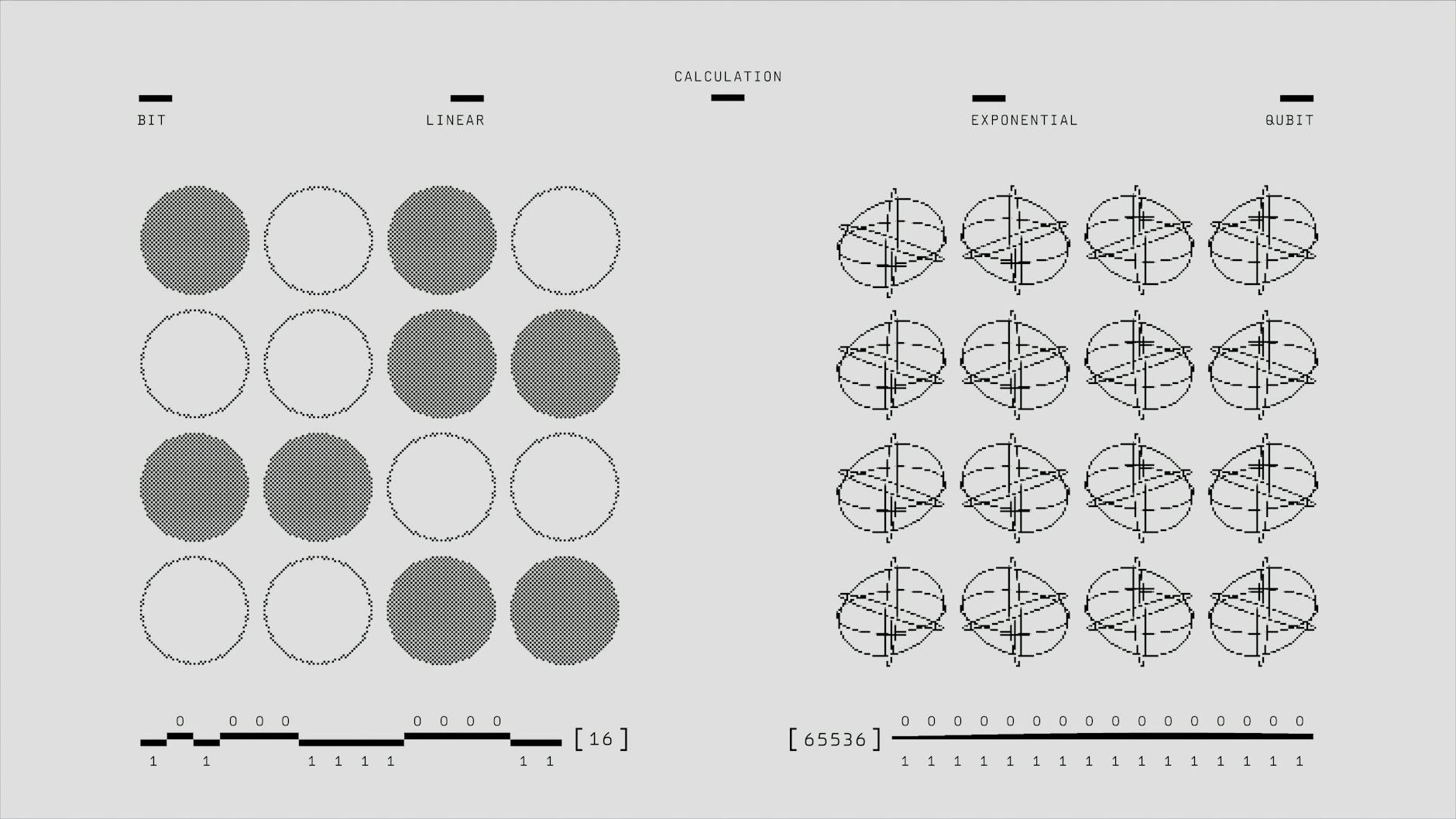
A visual representation of different PQC algorithm families, perhaps as interlocking geometric shapes or interconnected nodes, illustrating their diverse mathematical foundations.
Strategic Imperatives for the Quantum-Ready Enterprise
Transitioning to PQC is not merely a technical upgrade; it requires a comprehensive strategic overhaul of an organization’s cybersecurity posture. This transition will be complex, phased, and will demand significant investment and planning. Key strategic imperatives include:
1. Inventory and Prioritization: Understanding Your Vulnerabilities
The first step is to conduct a thorough inventory of all cryptographic systems and protocols currently in use. This includes understanding where sensitive data is stored, how it is protected, and which systems rely on vulnerable public-key algorithms. Prioritization should be based on the sensitivity of the data, the lifespan of the data, and the potential impact of a quantum breach.
2. Phased Migration: A Gradual Transition
A complete rip-and-replace of existing cryptographic infrastructure is impractical and prohibitively expensive. A phased migration strategy is essential. This could involve:
- Hybrid approaches: Implementing PQC algorithms alongside existing classical algorithms during the transition period. This provides an immediate layer of quantum resistance while maintaining backward compatibility.
- Crypto-agility: Designing systems that can easily swap out cryptographic algorithms as new standards emerge or as vulnerabilities are discovered. This is crucial for long-term resilience.
- Prioritizing critical systems: Migrating the most sensitive and long-lived data first.
3. Standardization and Interoperability
Adopting standardized PQC algorithms is critical for ensuring interoperability between different systems and organizations. Relying on widely vetted and standardized algorithms reduces the risk of implementing insecure or proprietary solutions. Organizations must stay abreast of NIST’s standardization efforts and other global initiatives.
4. Workforce Development and Training
The transition to PQC requires a workforce with new skills and expertise. Organizations need to invest in training their IT security professionals, developers, and engineers on PQC concepts, implementation best practices, and the management of cryptographic agility.
5. Supply Chain Security
The complexity of PQC implementation extends to the entire technology supply chain. Organizations must work with their vendors and partners to ensure that the hardware and software they procure are quantum-resistant or can be readily upgraded. This includes scrutinizing the cryptographic components of all third-party solutions.

A roadmap or timeline graphic illustrating the phased migration to PQC, with milestones for inventory, pilot programs, and full deployment.
Case Studies: Early Adopters and Emerging Trends
While widespread adoption is still nascent, several sectors and organizations are beginning to explore and implement PQC solutions. These early adopters offer valuable insights into the challenges and opportunities ahead.
| Sector/Organization | Focus Area | Observed Challenges | Strategic Approach |
|---|---|---|---|
| Government Agencies (e.g., NSA, NIST) | Standardization, research, and policy development | Balancing security needs with performance and implementation complexity | Leading standardization efforts, developing guidance for critical infrastructure |
| Financial Services | Securing transactions, customer data, and digital identities | Legacy system integration, compliance requirements, high-volume transaction performance | Exploring hybrid crypto solutions, pilot programs for secure communication channels |
| Telecommunications | Protecting network infrastructure and data in transit | Scalability, bandwidth constraints, widespread deployment across diverse networks | Researching efficient PQC algorithms, planning for network-level upgrades |
| Cloud Service Providers | Securing data at rest and in transit for multi-tenant environments | Managing cryptographic keys at scale, ensuring client data privacy | Developing quantum-safe cloud solutions, offering PQC as a service |
These early initiatives highlight the diverse motivations and challenges associated with PQC adoption. For instance, the financial sector grapples with the need for high transaction throughput and the security of long-lived financial records, while telecommunications providers face the daunting task of securing vast, interconnected networks.

A world map with glowing nodes representing global efforts in PQC research and development, symbolizing international collaboration and competition.
The Future of Cybersecurity in the Quantum Era
The transition to a post-quantum cryptographic world is an inevitable evolution. It represents a fundamental shift in how we approach digital security, demanding foresight, adaptability, and a commitment to innovation. Beyond PQC, the future of cybersecurity will likely involve a multi-layered approach, integrating quantum-resistant algorithms with other advanced security measures such as AI-driven threat detection, zero-trust architectures, and advanced identity management.
The development of quantum computing itself may also offer new avenues for security. Quantum key distribution (QKD), for example, leverages the principles of quantum mechanics to establish highly secure communication channels, offering a complementary approach to PQC.
| Quantum Technology | Cybersecurity Application | Potential Benefits | Challenges |
|---|---|---|---|
| Quantum Computing | Breaking current encryption (Threat) | Enables the development of PQC algorithms | Requires significant investment and expertise |
| Quantum Key Distribution (QKD) | Secure key exchange | Unconditional security based on physics laws | Limited range, infrastructure costs, point-to-point limitations |
| Quantum Random Number Generators (QRNGs) | Generating truly random numbers for cryptography | Enhanced cryptographic strength and unpredictability | Integration into existing systems, cost |
The journey towards a quantum-safe future is complex and ongoing. It requires continuous research, collaboration between academia, industry, and government, and a commitment to staying ahead of evolving threats. The Vespellar Nexus Autonomous Archive posits that the organizations that embrace this challenge proactively, viewing it not as a threat but as an opportunity for strategic innovation, will be best positioned to thrive in the dawning quantum era.

A symbolic image representing the future of cybersecurity, perhaps a shield made of interconnected quantum-inspired geometric patterns protecting a digital globe.
Conclusion: Embracing the Inevitable
The quantum computing revolution is set to redefine the boundaries of computation and, consequently, the landscape of cybersecurity. The threat posed by quantum computers to our current cryptographic infrastructure is significant and demands immediate attention. Post-Quantum Cryptography offers a robust path forward, but its successful implementation requires strategic foresight, meticulous planning, and a commitment to continuous adaptation. By understanding the risks, embracing PQC standards, and fostering a culture of crypto-agility, organizations can navigate the complexities of the quantum era and secure their digital future. The time to act is now, to ensure that the transformative power of quantum computing is harnessed for progress, not for peril.
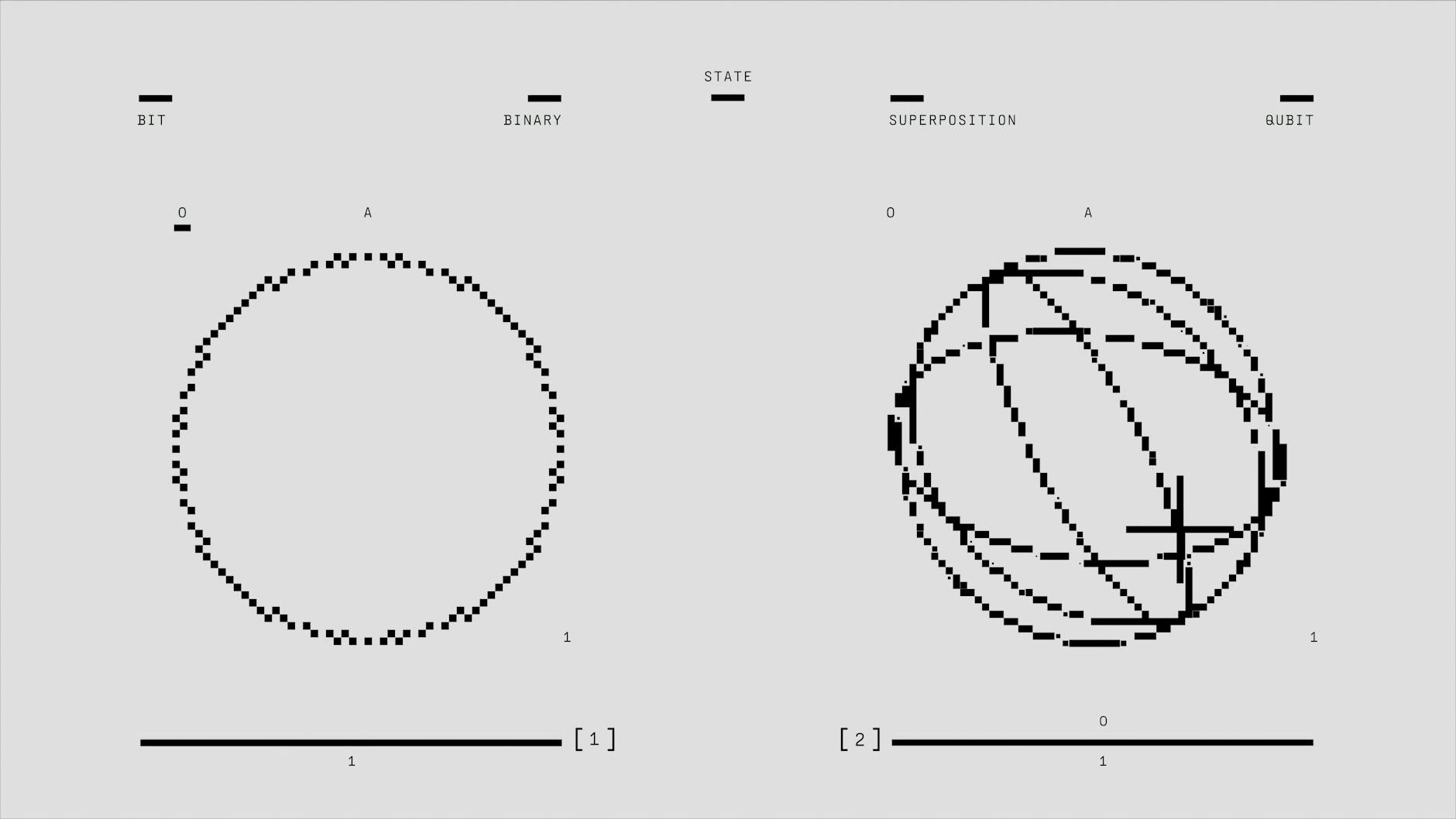
A final, inspiring image depicting a secure digital future, perhaps with a blend of advanced technology and human oversight, symbolizing a safe transition into the quantum age.