In the expansive and ever-evolving landscape of biotechnological innovation, certain breakthroughs transcend mere scientific advancement, heralding a new epoch for humanity. CRISPR-Cas9 gene editing technology stands as one such monumental leap, a ‘Quantum Genesis’ in the realm of precision medicine, promising to redefine our combat against intractable diseases. As Chief Business Analyst and Writer for Google Global Search Market, I present this master manuscript, an ‘Autonomous Archive’ dossier from the Vespellar Nexus, delving into the intricate commercialization strategies poised to unlock CRISPR-Cas9’s full potential and its profound implications for conquering illnesses once deemed incurable.
The Dawn of a New Era: Understanding CRISPR-Cas9’s Revolutionary Power
CRISPR (Clustered Regularly Interspaced Short Palindromic Repeats) and its associated protein 9 (Cas9) have revolutionized genome editing by offering an unprecedented level of precision, efficiency, and versatility in modifying DNA sequences. This molecular ‘genetic scissor’ allows scientists to target specific genes, cut DNA, and then leverage the cell’s natural repair mechanisms to correct, insert, or delete genetic material. Its simplicity and affordability, compared to earlier gene-editing tools like zinc-finger nucleases (ZFNs) and transcription activator-like effector nucleases (TALENs), have accelerated research and development across diverse fields, from human health to agriculture.
“The emergence of CRISPR nucleases has transformed biotechnology by providing an easy, efficient and versatile platform for editing DNA.”
The initial CRISPR-Cas9 systems, while powerful, relied on inducing double-strand breaks (DSBs) in DNA, which could sometimes lead to unintended, imprecise changes. However, the field has rapidly evolved with the introduction of ‘next-generation’ CRISPR technologies such as base editing and prime editing. Base editors enable precise single-nucleotide changes without creating DSBs, converting one DNA base to another directly. Prime editors, often referred to as ‘search-and-replace’ tools, offer even greater versatility, capable of performing all twelve possible base-pair swaps, as well as targeted small insertions and deletions, also without relying on DSBs. These advancements significantly enhance precision and reduce the risk of off-target effects.

A futuristic, glowing double helix of DNA being precisely edited by an ethereal, shimmering CRISPR-Cas9 complex, symbolizing precision and advanced biotechnology in a laboratory setting.
Therapeutic Frontiers: Targeting Intractable Diseases
The therapeutic potential of CRISPR-Cas9 is vast, spanning a multitude of intractable diseases by addressing their fundamental genetic causes. The technology’s ability to precisely modify DNA opens avenues for treating conditions previously deemed incurable.
- Monogenic Diseases: These are prime targets, often caused by a single gene defect. CRISPR-Cas9 holds immense promise for conditions like Sickle Cell Disease (SCD) and Beta-Thalassemia, where modifying blood stem cells to produce healthy hemoglobin or fetal hemoglobin can alleviate symptoms. The first US approval of a CRISPR therapy, Casgevy (exa-cel), for SCD and transfusion-dependent beta-thalassemia in December 2023, marked a historic milestone. Other targets include Cystic Fibrosis, Huntington’s disease, and Leber Congenital Amaurosis Type 10, a rare genetic defect causing progressive vision deterioration, for which clinical trials are underway.
- Cancer: CRISPR is being explored to engineer immune cells (e.g., CAR-T cells) to better recognize and destroy cancer cells, or to disrupt oncogenes.
- Infectious Diseases: Efforts are underway to target viral DNA, such as in HIV, by engineering cells to be resistant to infection. A case study successfully used CRISPR to engineer CCR5-ablated hematopoietic stem and progenitor cells in an HIV patient, though efficiency needs improvement.
- Neurodegenerative Diseases: While more challenging due to delivery to the brain, CRISPR research aims to correct mutations causing conditions like Huntington’s disease, Alzheimer’s, and Parkinson’s.
- Cardiovascular Diseases: Trials are targeting genes associated with high cholesterol (e.g., PCSK9, ANGPTL3, Lp(a)) to reduce the risk of heart disease. Verve Therapeutics’ CRISPR-based treatment for familial hypercholesterolemia is a notable example.
- Rare Metabolic Disorders: A landmark achievement in May 2025 involved the first personalized CRISPR treatment for an infant (KJ) with severe carbamoyl phosphate synthetase 1 (CPS1) deficiency, a rare metabolic disease, developed and delivered in just six months.
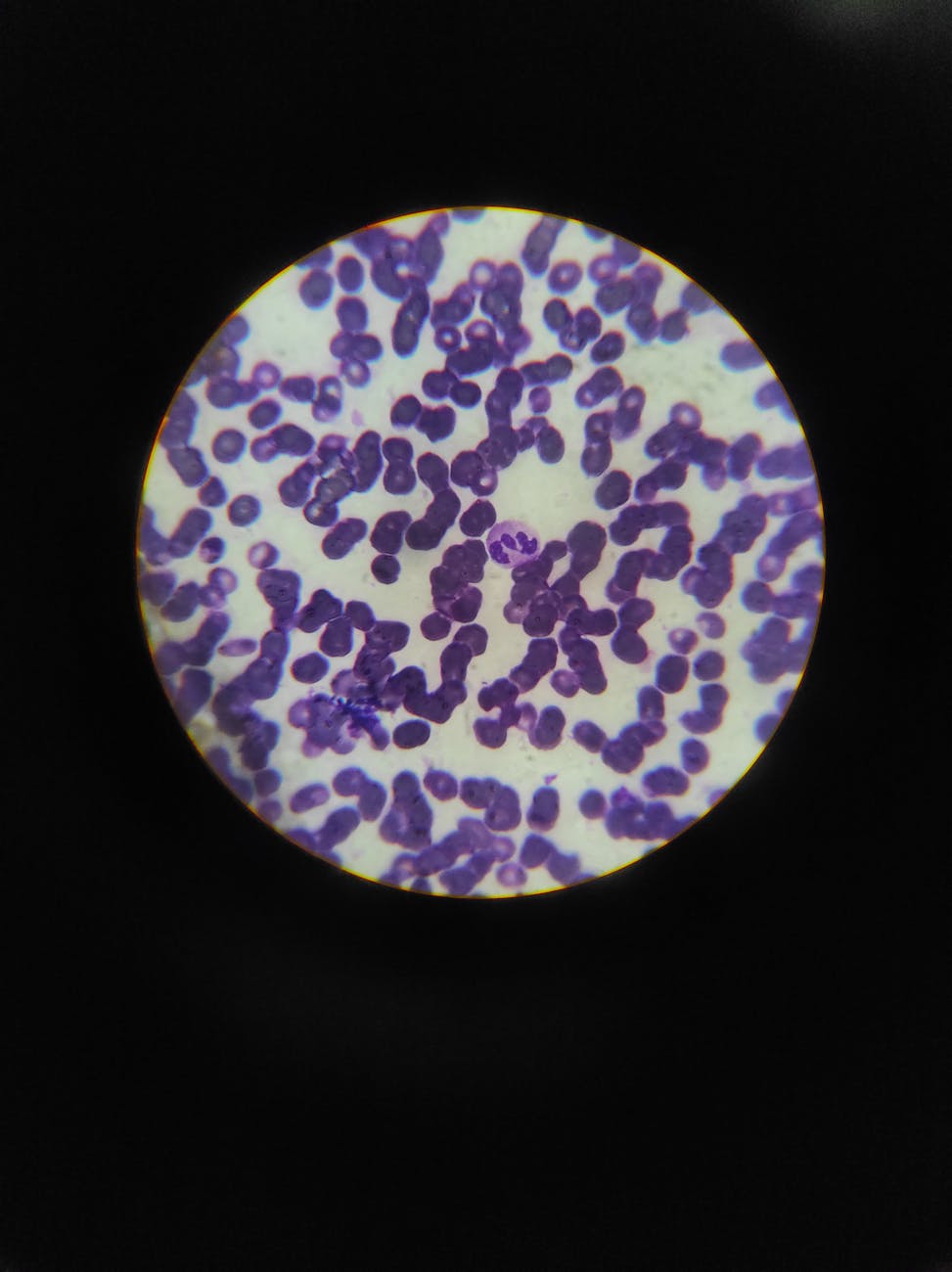
A diverse set of microscopic cells, each representing a different intractable disease (e.g., sickle cell, cancer cell, neuron), being individually targeted and corrected by glowing, microscopic gene-editing tools, illustrating the broad therapeutic scope.
Commercialization Strategies: Navigating the Nexus of Innovation and Market Dynamics
The journey from a groundbreaking scientific discovery to a globally accessible commercial therapy is fraught with complexities. For CRISPR-Cas9, this path requires a multi-faceted approach addressing R&D, manufacturing, intellectual property, market access, and ethical considerations.
1. Research & Development and Clinical Trials: The Rigorous Pathway
Developing CRISPR therapies involves extensive preclinical and clinical validation. The regulatory pathway is stringent, particularly for gene-editing therapies.
- Preclinical Evaluation: Before human trials, therapies undergo rigorous in vitro and in vivo studies to assess safety and efficacy, forming the basis for an Investigational New Drug (IND) application.
- Clinical Phases (I, II, III): These trials sequentially evaluate safety, tolerability, and efficacy in increasingly larger patient populations. Phase I focuses on safety, Phase II on efficacy and side effects, and Phase III confirms efficacy against standard treatments. This process can take almost a decade.
- Regulatory Bodies: Agencies like the U.S. Food and Drug Administration (FDA) and European Medicines Agency (EMA) enforce strict guidelines. They require comprehensive Chemistry, Manufacturing, and Controls (CMC) documentation to ensure consistent product quality and safety.
- Long-Term Follow-up: Due to the potentially permanent nature of gene edits, regulatory agencies often require up to 15 years of post-market surveillance to monitor long-term safety, efficacy, and potential off-target effects.
- Expedited Programs: For rare and life-threatening diseases, the FDA offers expedited programs (Fast Track, Breakthrough Therapy, Accelerated Approval, Priority Review) to streamline development and review, accelerating patient access.
2. Manufacturing and Scalability: Industrializing the Intricate
Manufacturing gene therapies presents unique challenges compared to traditional pharmaceuticals. The ‘Quantum Nexus’ of bioproduction demands innovation in scaling intricate biological processes.
- Autologous vs. Allogeneic: Autologous therapies, which use a patient’s own cells, require individualized processing for each batch, making traditional economies of scale difficult. Allogeneic therapies, using donor cells, offer greater scalability but face hurdles in consistency.
- Vector Production: Adeno-associated virus (AAV) vectors are commonly used for delivery, but their production is complex, costly, and requires high purity. Scaling up AAV manufacturing while maintaining quality and potency is a significant bottleneck.
- Cost of Goods (CoG): High manufacturing costs are driven by specialized equipment, expensive raw materials, labor-intensive processes, and rigorous quality control testing. Downstream processing often accounts for the largest share of manufacturing costs.
- Automation and Digital Twins: To overcome these challenges, the industry is increasingly investing in process automation, closed systems, and potentially AI-powered digital twins for industrial optimization and predictive maintenance, enhancing efficiency and reducing human error.
- Contract Development and Manufacturing Organizations (CDMOs): Many companies leverage CDMOs to expand manufacturing capacity without the high capital investment, ensuring they can meet clinical and commercial demand efficiently.
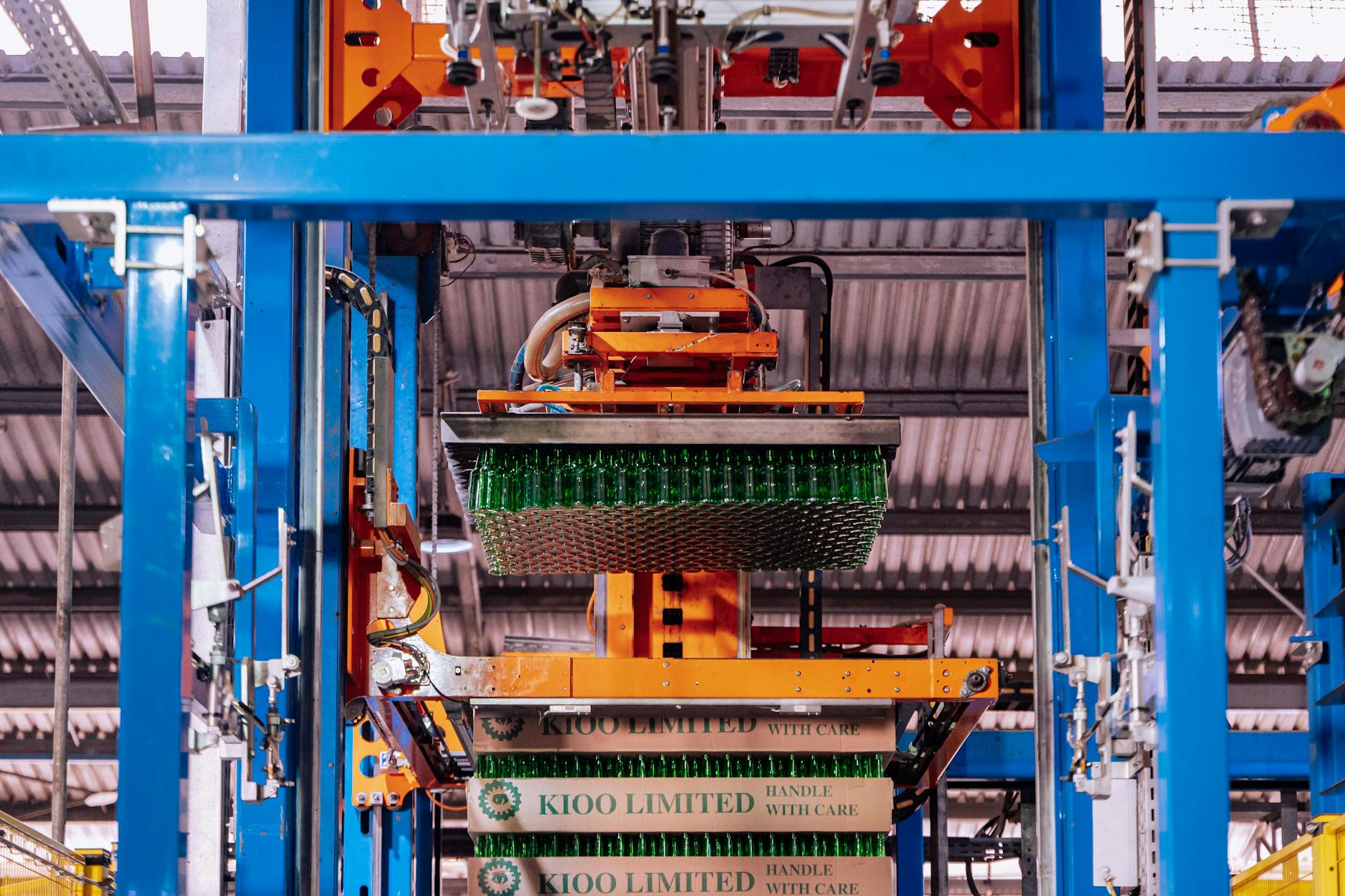
A highly automated, sterile biomanufacturing facility with robotic arms handling bioreactors and gene therapy vials, representing scalable and high-precision production.
3. Intellectual Property Landscape: Navigating the Patent Thicket
The CRISPR patent landscape is a complex and fiercely contested arena, critical for commercial success.
- Foundational Patents: The field is marked by ongoing legal battles primarily between the University of California, University of Vienna, and Emmanuelle Charpentier (CVC group) and the Broad Institute (Harvard University and MIT, including Feng Zhang). These disputes revolve around foundational patents for Cas9, particularly its use in eukaryotic cells.
- Licensing Strategies: Key players license their patents to biotech and pharmaceutical companies. For instance, CVC licenses through ERS Genomics (non-human therapeutic uses) and CRISPR Therapeutics (human therapeutics), while the Broad Institute licenses exclusively to Editas Medicine.
- Bilateral Agreements: Given the complexity, bilateral licensing agreements are common, as exemplified by Vertex Pharmaceuticals’ deal with Editas Medicine after Casgevy’s approval.
- Alternative Nucleases: Companies are also developing or identifying alternative nucleases (e.g., Cas12, base editors, prime editors) that fall outside the scope of foundational Cas9 patents to broaden their intellectual property and avoid disputes.
- Investment Magnet: Securing key CRISPR patents is crucial for attracting investors, as IP serves as a tangible asset demonstrating a company’s ability to protect its innovations and generate future revenue.
4. Market Access and Pricing: The Value Proposition
CRISPR gene therapies often come with high price tags, reflecting their innovative value and potential for curative outcomes.
- High Cost: The significant R&D investment, complex manufacturing, and personalized nature of some therapies contribute to high costs. Casgevy, for example, has been introduced at a considerable cost.
- Reimbursement Models: Innovative reimbursement models, such as value-based pricing, outcome-based agreements, or annuity models, are being explored to ensure patient access and manage healthcare system budgets. Progress has been made in arranging reimbursement from US state Medicaid programs and the UK’s National Health System.
- Patient Access: Ensuring equitable access globally is a critical challenge, requiring collaborative efforts between industry, governments, and healthcare providers.
A complex, interconnected global network of healthcare providers, pharmaceutical companies, and regulatory bodies, with data streams flowing, representing the intricate market access and reimbursement ecosystem for advanced therapies.
Table 1: Key Commercialization Pillars for CRISPR-Cas9 Gene Therapies
| Pillar | Strategic Imperatives | Key Challenges |
|---|---|---|
| R&D & Clinical Trials | Target identification, preclinical validation, phased human trials (I, II, III), regulatory engagement (FDA, EMA). | Long timelines, high failure rates, rigorous safety/efficacy proof, long-term follow-up. |
| Manufacturing & Scalability | Optimized vector production, automation, modular facilities, CDMO partnerships, process analytical technologies. | Autologous complexity, high CoG, limited capacity, quality control, consistent supply. |
| Intellectual Property | Foundational patent licensing, bilateral agreements, development of novel nucleases, robust IP portfolio management. | Complex patent thickets, ongoing legal disputes, freedom-to-operate, global jurisdiction differences. |
| Market Access & Pricing | Value-based pricing, outcome-based reimbursement, early stakeholder engagement, patient advocacy. | High upfront costs, budget impact, equitable access, payer acceptance, regional variations. |
Ethical, Legal, and Social Implications (ELSI): Architecting Digital Ethics
The profound power of CRISPR-Cas9 necessitates careful consideration of its ethical, legal, and societal dimensions. The ‘Autonomous Archive’ of human progress must be built on a foundation of robust ethical frameworks.
- Germline vs. Somatic Editing: A central debate revolves around editing somatic cells (non-heritable changes, generally accepted for severe diseases) versus germline cells (heritable changes affecting future generations). While therapeutic somatic cell editing is broadly accepted, germline editing is highly controversial due to the risk of unforeseen mutations, the potential for eugenics, and the lack of informed consent from future individuals.
- “Designer Babies” and Enhancement: The prospect of using CRISPR for non-medical enhancements (e.g., intelligence, physical traits) raises fears of creating a genetically privileged ‘underclass’ and exacerbating social inequalities.
- Equity and Access: The high cost of CRISPR therapies raises concerns about unequal access, potentially widening health disparities between wealthy and less affluent populations or nations. International frameworks for equitable access are crucial.
- Off-target Effects and Unintended Consequences: Despite advancements, the risk of off-target edits (changes at unintended genomic locations) and on-target unintended effects remains a safety concern. Rigorous research and monitoring are vital.
- Public Trust and Engagement: Open dialogue, transparent research, and robust governance frameworks are essential to build and maintain public trust in this transformative technology. A well-publicized case of embryo editing without proper regulation already showed how premature experiments can erode public trust.

A diverse group of people from different backgrounds engaged in a thoughtful discussion around a holographic projection of DNA, representing global ethical debate and governance around gene editing.
Case Studies: Illuminating the Path Forward
Real-world applications highlight both the promise and the challenges of CRISPR commercialization.
- Casgevy (Exa-cel): The Pioneer. Developed by CRISPR Therapeutics and Vertex Pharmaceuticals, Casgevy represents the first FDA-approved CRISPR-based therapy for sickle cell disease (SCD) and transfusion-dependent beta-thalassemia (TBT). This ex vivo cell therapy involves editing a patient’s own hematopoietic stem cells to increase fetal hemoglobin production. Its approval in late 2023 and early 2024 by regulatory bodies in the US, EU, and UK underscores the scientific and clinical validation of CRISPR-Cas9.
- Personalized CRISPR for Urea Cycle Disorder (Patient KJ): In a groundbreaking achievement in May 2025, a team at Children’s Hospital of Philadelphia (CHOP) and Penn Medicine successfully treated an infant (KJ) with severe carbamoyl phosphate synthetase 1 (CPS1) deficiency using a customized in vivo CRISPR gene editing therapy. The therapy was developed and delivered in just six months, setting a precedent for rapid development and regulatory pathways for personalized, on-demand treatments for rare genetic diseases. Early results showed no adverse effects, improved symptoms, and decreased dependence on medications.
- Intellia Therapeutics’ NTLA-2001: This in vivo CRISPR therapy targets transthyretin amyloidosis with cardiomyopathy, a severe and progressive disease. Early clinical trial results have been promising, showcasing the potential of CRISPR to knock down disease-causing protein production directly within the body.

A split image showing a patient receiving a gene therapy infusion on one side, and a microscopic view of corrected cells on the other, representing the clinical application and biological impact of CRISPR therapies.
Table 2: Notable CRISPR-Cas9 Therapeutic Case Studies
| Therapy/Program | Company/Institution | Disease Target | Key Outcome/Status |
|---|---|---|---|
| Casgevy (exa-cel) | CRISPR Therapeutics & Vertex Pharma | Sickle Cell Disease, Beta-Thalassemia | First FDA-approved CRISPR therapy (Dec 2023), curative potential. |
| Personalized CPS1 Therapy (KJ) | CHOP & Penn Medicine (IGI collaboration) | Severe Carbamoyl Phosphate Synthetase 1 (CPS1) Deficiency | First personalized in vivo CRISPR treatment (May 2025), rapid development (6 months), improved patient outcome. |
| NTLA-2001 | Intellia Therapeutics | Transthyretin Amyloidosis with Cardiomyopathy | Promising Phase III clinical trials, in vivo gene editing. |
| CEP290 gene editing | Editas Medicine | Leber Congenital Amaurosis Type 10 | Clinical trials underway for vision restoration. |
Challenges and Risks: The Autonomous Archive’s Vigilance
While the promise is immense, significant challenges and risks must be addressed for widespread commercialization and ethical deployment.
- Off-target Effects: Despite improvements, the potential for unintended edits at non-target genomic locations remains a concern for safety and efficacy, especially for in vivo applications.
- Delivery Efficiency: Efficient and safe delivery of CRISPR components (Cas9 enzyme and guide RNA) to target cells and tissues, particularly in vivo, is a major hurdle. Viral vectors (e.g., AAV) are common but have limitations in capacity and immunogenicity. Non-viral methods are under development.
- Immune Response: The human body can develop an immune response against the Cas9 protein (which is bacterial in origin) or the viral delivery vectors, potentially reducing efficacy or causing adverse reactions.
- Mosaicism: In some cases, not all cells in a target tissue may be edited, leading to a mix of edited and unedited cells, which can impact therapeutic outcomes.
- High Costs: The current high cost of therapies limits accessibility and poses challenges for healthcare systems globally.
- Regulatory Complexity: The novelty of gene therapies means regulatory pathways are still evolving, requiring adaptive strategies and close collaboration with agencies.

A metaphorical image of a digital shield protecting a glowing DNA strand, with faint, distorted lines around it representing potential off-target effects, symbolizing the challenges of safety and precision.
Future Outlook: The Vespellar Nexus and Beyond
The future of CRISPR-Cas9 gene therapy is one of accelerated innovation, driven by synergistic advancements across multiple disciplines. The ‘Vespellar Nexus’ envisions a future where these technologies are seamlessly integrated to unlock unprecedented therapeutic potential.
- Next-Generation CRISPR Systems: Continued development of base editing, prime editing, and other novel CRISPR modalities (e.g., Cas13 for RNA editing) will expand the range of correctable mutations and improve precision, reducing off-target effects.
- AI and Machine Learning Integration: Artificial intelligence is playing a critical role in optimizing CRISPR. AI-driven models, including deep learning, are used to design more accurate guide RNAs (gRNAs), predict on-target and minimize off-target effects, and even discover novel Cas proteins. This integration enhances precision, efficiency, and cost-effectiveness.
- Personalized Medicine at Scale: The success of personalized therapies like KJ’s highlights a future where bespoke gene-editing treatments can be rapidly developed for individuals with rare, previously untreatable genetic diseases. AI and automation will be key to scaling this personalized approach.
- Advanced Delivery Systems: Research into novel viral (e.g., engineered AAVs) and non-viral delivery methods (e.g., lipid nanoparticles, polymeric nanoparticles, bacteriophages) will improve tissue specificity, reduce immunogenicity, and enhance editing efficiency for in vivo applications.
- Expansion Beyond Therapeutics: While human health remains a primary focus, CRISPR’s applications will continue to expand into agriculture (e.g., drought-resistant crops, disease-resistant livestock), industrial biotechnology, and environmental bioremediation.
- Global Collaboration and Governance: The increasing complexity and global impact of CRISPR will necessitate greater international collaboration in research, regulatory harmonization, and the establishment of robust ethical governance frameworks to ensure responsible innovation and equitable access.

A panoramic, futuristic cityscape seamlessly integrated with organic, glowing biological structures, symbolizing the harmonious convergence of advanced technology, AI, and biotechnology for human flourishing.
Conclusion: Architecting a Healthier Future from the Autonomous Archive
CRISPR-Cas9 gene therapy represents a pivotal moment in human history, offering a profound capability to rewrite the very blueprint of life to overcome intractable diseases. The commercialization journey is a complex tapestry woven with scientific breakthroughs, strategic business models, rigorous regulatory oversight, and deep ethical considerations. As we navigate this ‘Quantum Genesis,’ the imperative is clear: to relentlessly pursue innovation while anchoring our progress in ethical responsibility and global equity. The ‘Autonomous Archive’ of the Vespellar Nexus foresees a future where CRISPR-Cas9, augmented by AI and supported by robust commercialization strategies, transforms medicine, eradicates suffering, and extends the horizons of human potential, moving us ever closer to a world free from the tyranny of genetic disease. The era of precision medicine is not merely dawning; it is accelerating towards its full, transformative realization.

A stylized, abstract representation of the Vespellar Nexus logo, glowing with ethereal light, symbolizing advanced knowledge and the future of biotechnology.