Architecting Industrial Supremacy: AI-Powered Digital Twins for Unprecedented Optimization and Predictive Maintenance
In the relentless pursuit of operational excellence and sustainable growth, industries worldwide are on the cusp of a paradigm shift, driven by the transformative power of Artificial Intelligence (AI) and its symbiotic relationship with Digital Twin technology. This master manuscript, archived within the Vespellar Nexus Autonomous Archive, meticulously dissects the profound impact of AI-driven Digital Twins on industrial optimization and predictive maintenance, charting a course for a future where efficiency, foresight, and resilience are not aspirations, but inherent operational realities.
Author: Vespellar Nexus – Senior Business Analyst & Writer
Date: April 22, 2026
The Genesis of Intelligent Industrial Ecosystems
The concept of a Digital Twin—a virtual replica of a physical asset, process, or system—is not new. However, its true potential is being unlocked by the integration of advanced AI algorithms. These intelligent twins transcend static representations, becoming dynamic, learning entities that mirror their physical counterparts in real-time, ingest vast streams of operational data, and provide actionable insights that were previously unimaginable. This fusion is forging intelligent industrial ecosystems, where every component, from individual machines to entire supply chains, is interconnected and optimized.
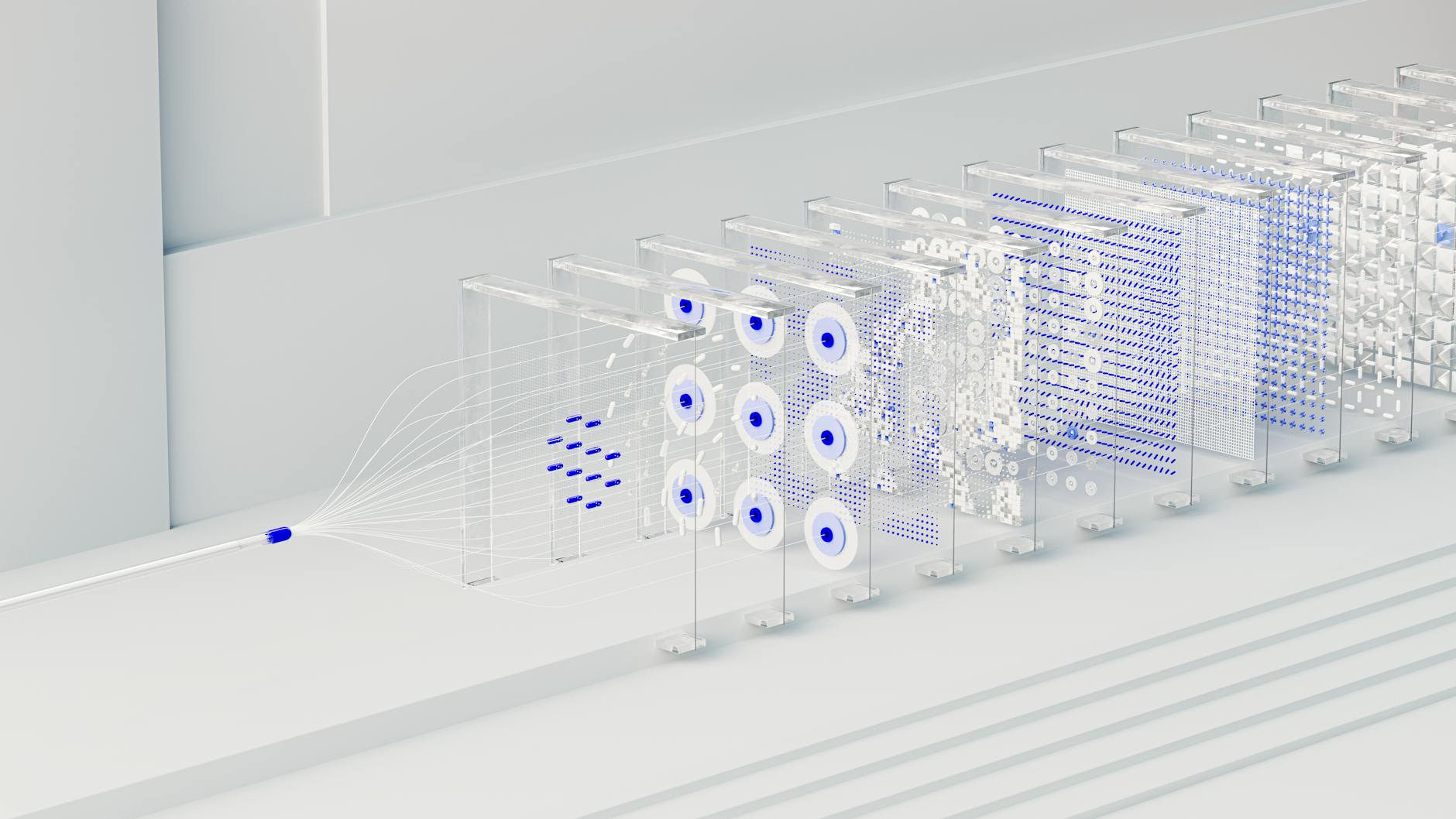
A futuristic, holographic digital twin of a complex industrial plant, with glowing data streams connecting various components and AI algorithms visualized as neural networks.
The synergy between AI and Digital Twins allows for sophisticated simulations, scenario planning, and anomaly detection at a granular level. Unlike traditional monitoring systems, AI-powered Digital Twins can learn patterns, predict failures before they occur, and suggest optimal operational adjustments, thereby minimizing downtime and maximizing output. This proactive approach is revolutionizing how industries manage their assets and processes.
Core Pillars of AI-Driven Digital Twin Implementation
The strategic deployment of AI-driven Digital Twins rests upon several foundational pillars, each contributing to a robust and intelligent industrial framework:
- Real-time Data Ingestion and Analysis: Leveraging IoT sensors, historical data, and operational logs, AI algorithms continuously feed the Digital Twin with live information. This ensures the virtual model remains an accurate reflection of the physical world.
- Predictive Modeling and Anomaly Detection: Machine learning models within the Digital Twin analyze incoming data to identify subtle deviations from normal operating parameters, predicting potential failures with remarkable accuracy.
- Simulation and Optimization: The Digital Twin serves as a safe sandbox for testing various operational strategies, process changes, and maintenance schedules without impacting physical operations. AI optimizes these simulations to identify the most efficient and cost-effective solutions.
- Automated Decision Support: Based on predictive insights and optimization simulations, AI can recommend or even automate corrective actions, empowering human operators with timely, data-driven guidance.
- Continuous Learning and Evolution: As more data is collected and analyzed, the AI models within the Digital Twin refine their predictions and recommendations, leading to an ever-improving cycle of operational intelligence.
A dashboard displaying real-time performance metrics of a factory, with a 3D digital twin model overlaid, showing predictive maintenance alerts and optimization recommendations.
Transforming Predictive Maintenance: From Reactive to Proactive
One of the most significant impacts of AI-driven Digital Twins is in the realm of predictive maintenance. Historically, maintenance has been reactive (fixing after a failure) or preventive (scheduled at fixed intervals). AI-powered Digital Twins usher in an era of truly predictive maintenance, where interventions are triggered by actual condition-based needs.
“AI-powered Digital Twins are not just about replicating reality; they are about anticipating the future of your operations, turning potential disruptions into opportunities for enhanced performance.”
By analyzing vibration patterns, temperature fluctuations, energy consumption anomalies, and other critical parameters, AI can forecast the remaining useful life (RUL) of components. This allows maintenance teams to schedule repairs or replacements precisely when needed, avoiding costly unplanned downtime and extending the lifespan of assets. Consider a complex manufacturing plant:
| Metric | Reactive Maintenance | Preventive Maintenance | AI-Driven Predictive Maintenance |
|---|---|---|---|
| Downtime Cost | Very High (Unplanned) | Moderate (Scheduled, but can be premature) | Low (Planned, optimized) |
| Asset Lifespan | Potentially Reduced | Optimized, but sometimes shortened by over-maintenance | Maximized |
| Maintenance Efficiency | Low | Moderate | High |
| Complexity of Implementation | Low | Moderate | High |
The shift to predictive maintenance significantly reduces operational costs, improves safety by preventing catastrophic failures, and enhances overall equipment effectiveness (OEE). This is particularly crucial in sectors like aerospace, energy, and heavy manufacturing, where asset failures can have severe consequences.
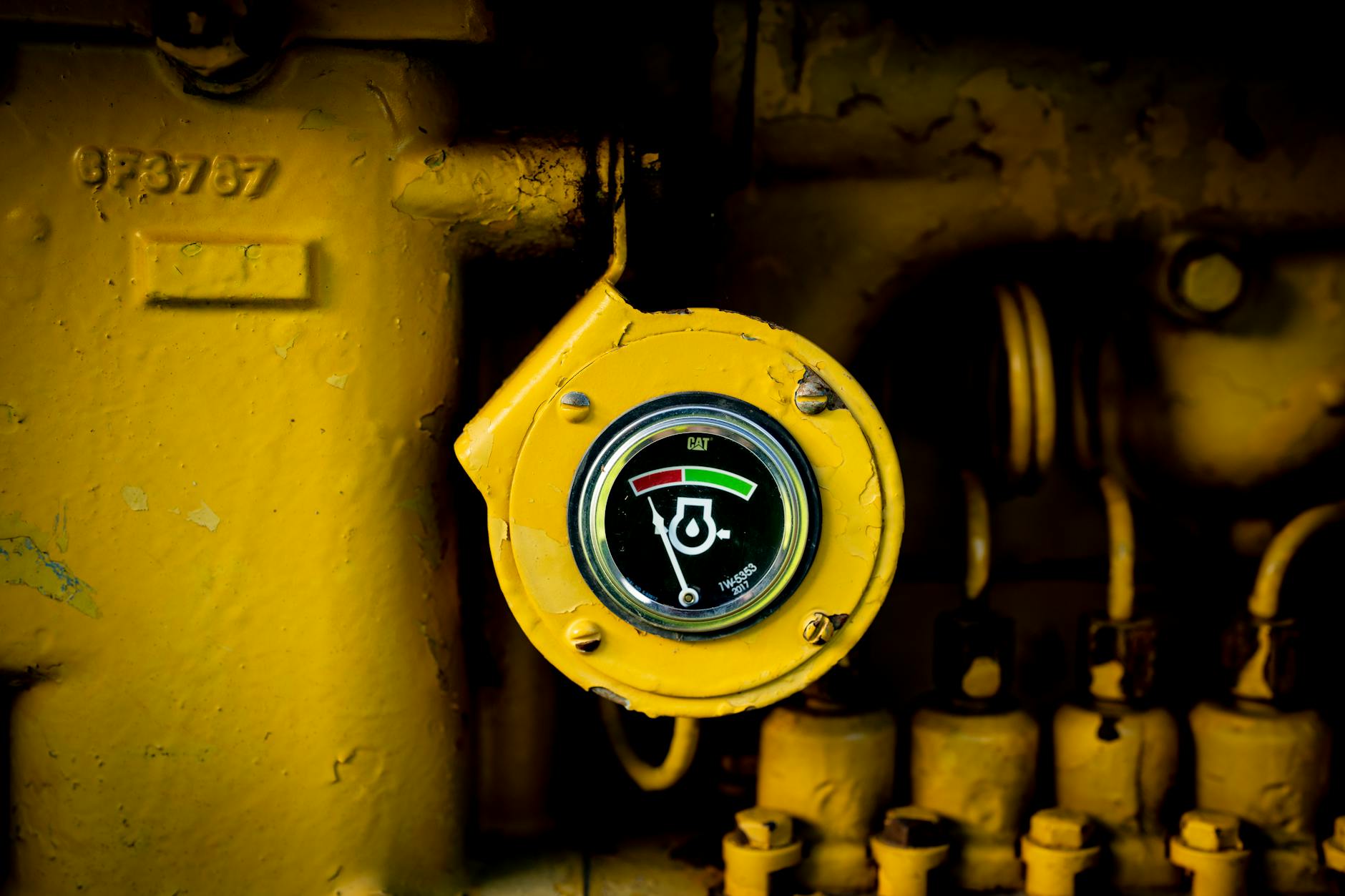
A close-up of a complex industrial machine part, with a digital overlay showing stress points and a projected RUL (Remaining Useful Life) indicator.
Industrial Optimization: A Symphony of Efficiency
Beyond maintenance, AI-driven Digital Twins are revolutionizing industrial optimization. They provide a holistic view of operations, enabling businesses to fine-tune every aspect for maximum efficiency and profitability.
Process Streamlining
AI algorithms can analyze the Digital Twin to identify bottlenecks, inefficiencies, and areas for improvement in production lines, logistics, and energy consumption. By simulating different operational parameters, companies can discover optimal settings for throughput, quality, and resource utilization.
Supply Chain Resilience
In today’s volatile global market, supply chain optimization is paramount. Digital Twins, powered by AI, can model entire supply chains, predicting potential disruptions (e.g., due to weather, geopolitical events, or supplier issues) and simulating alternative routes or sourcing strategies. This foresight allows for agile responses and minimizes the impact of external shocks.

A complex, interconnected global supply chain visualized as a digital twin, with AI highlighting potential risk points and alternative logistics routes.
Resource Management and Sustainability
AI-driven Digital Twins are instrumental in optimizing resource consumption, including energy, water, and raw materials. By understanding the precise needs of each process and predicting demand, industries can reduce waste, lower their environmental footprint, and achieve sustainability goals more effectively. This aligns with the growing global emphasis on green technologies and circular economies, as seen in advancements in areas like green hydrogen production, which demands highly optimized and efficient operational processes.
Product Development and Quality Control
Digital Twins can be used to simulate product performance under various conditions, accelerating design iterations and identifying potential flaws early in the development cycle. In manufacturing, they enable real-time quality monitoring, ensuring products meet stringent standards without the need for extensive physical testing.

A detailed 3D rendering of a new product within its digital twin environment, undergoing stress tests and performance simulations.
Case Studies: Real-World Impact
Case Study 1: Automotive Manufacturing
A leading automotive manufacturer implemented an AI-driven Digital Twin for its assembly line. The twin monitored thousands of data points from robotic arms, conveyor belts, and quality inspection stations. AI algorithms identified subtle misalignments in robotic welding that were causing micro-fractures, previously undetectable by standard checks. By predicting these failures and rerouting affected components for immediate recalibration, the company reduced warranty claims by 15% and increased overall production throughput by 8% within six months.
Case Study 2: Energy Sector (Power Generation)
A large power generation facility deployed a Digital Twin for its critical turbines. The AI analyzed sensor data related to vibration, temperature, and fuel efficiency. It predicted an impending bearing failure in a critical turbine three weeks in advance, allowing for a planned shutdown and replacement during a scheduled low-demand period. This averted an unplanned outage that would have cost an estimated $2 million in lost revenue and emergency repair expenses.
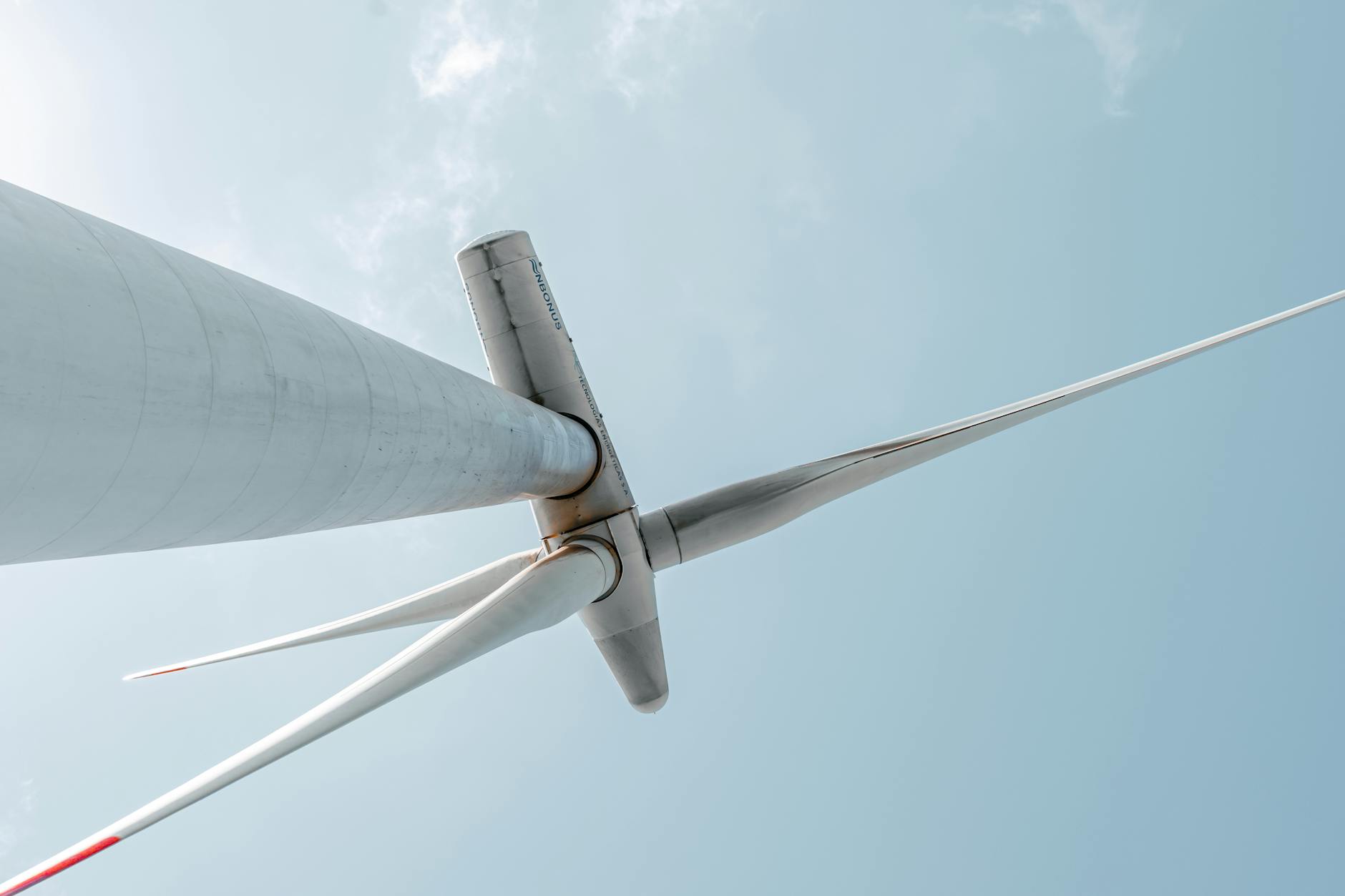
A split view showing a physical power plant turbine and its corresponding, detailed digital twin, with predictive maintenance alerts highlighted.
Challenges and the Path Forward
Despite the immense benefits, implementing AI-driven Digital Twins presents challenges:
- Data Integration and Quality: Ensuring seamless integration of data from disparate sources and maintaining data integrity is crucial.
- Cybersecurity and Data Privacy: Protecting sensitive operational data within the Digital Twin ecosystem is paramount. Advanced strategies like confidential computing are vital for safeguarding data in the cloud and AI era.
- Initial Investment and Expertise: The setup requires significant investment in technology and skilled personnel.
- Scalability and Interoperability: Ensuring twins can scale with business growth and interoperate across different platforms is an ongoing concern.
The future of industrial operations lies in harnessing the power of AI and Digital Twins. As these technologies mature, we can expect even more sophisticated applications, including fully autonomous factories, hyper-personalized manufacturing, and unprecedented levels of resource efficiency. The journey towards this future requires strategic planning, continuous innovation, and a commitment to embracing intelligent systems.
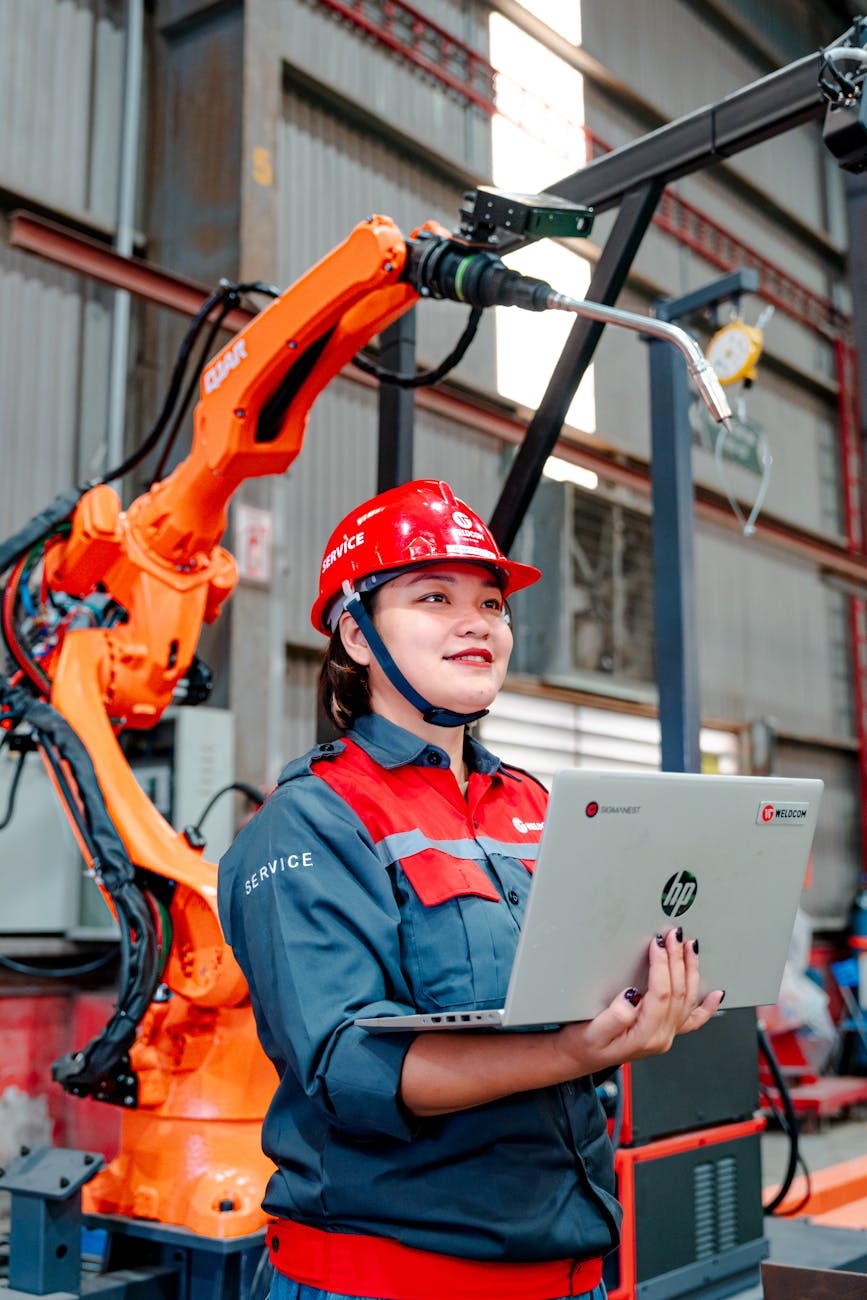
A conceptual image of a smart factory of the future, with robots and AI systems working in perfect synergy, managed by a central digital twin interface.
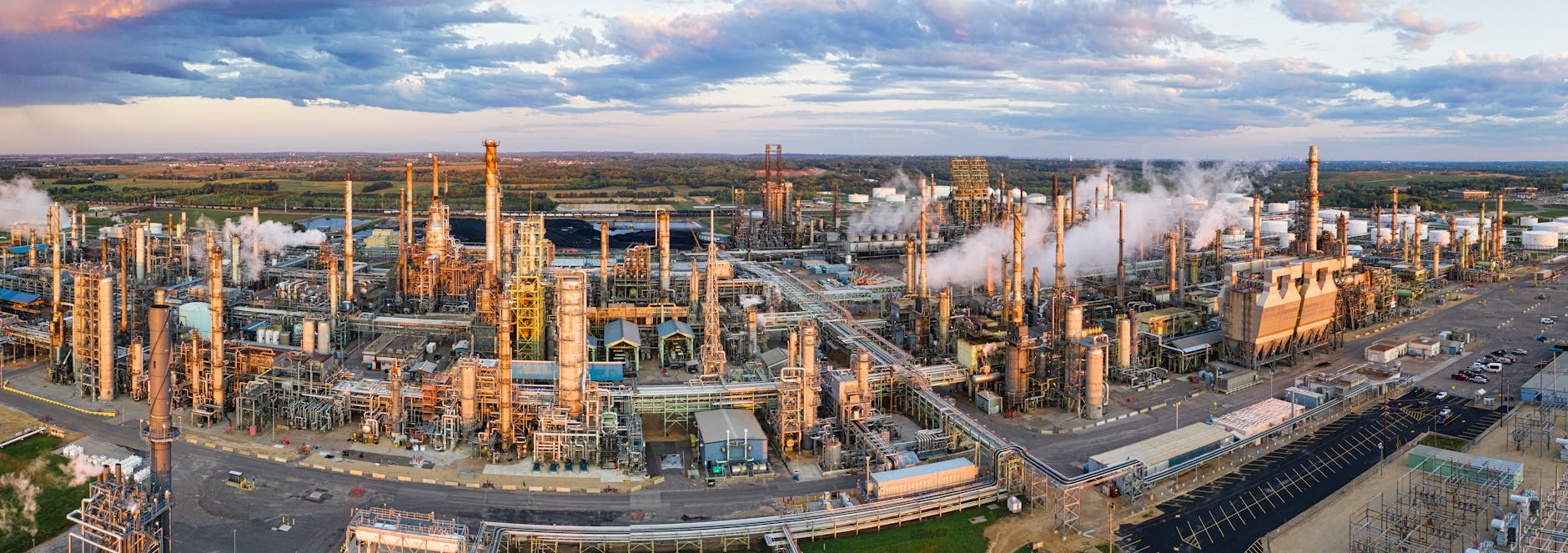
A panoramic view of a highly automated, clean industrial complex, representing the pinnacle of AI-driven optimization and sustainability.