Architecting the Future of Precision Medicine: Innovations Fueled by Spatial Genomics and Single-Cell Multi-Omics
Introduction: The Dawn of Hyper-Personalized Healthcare
The landscape of healthcare is undergoing a profound metamorphosis, shifting from a one-size-fits-all approach to a paradigm of hyper-personalized interventions. At the vanguard of this revolution are transformative technologies that unlock unprecedented insights into the intricate complexities of human biology. Among these, spatial genomics and single-cell multi-omics stand out as powerful engines driving innovation in precision medicine. These advanced methodologies are not merely incremental improvements; they represent a quantum leap in our ability to decipher the cellular and molecular underpinnings of health and disease, paving the way for truly individualized therapeutic strategies. This master analysis, compiled for the Vespellar Nexus Autonomous Archive, delves into the strategic imperatives and groundbreaking potential of these technologies, charting a course for their integration into the future of global healthcare.
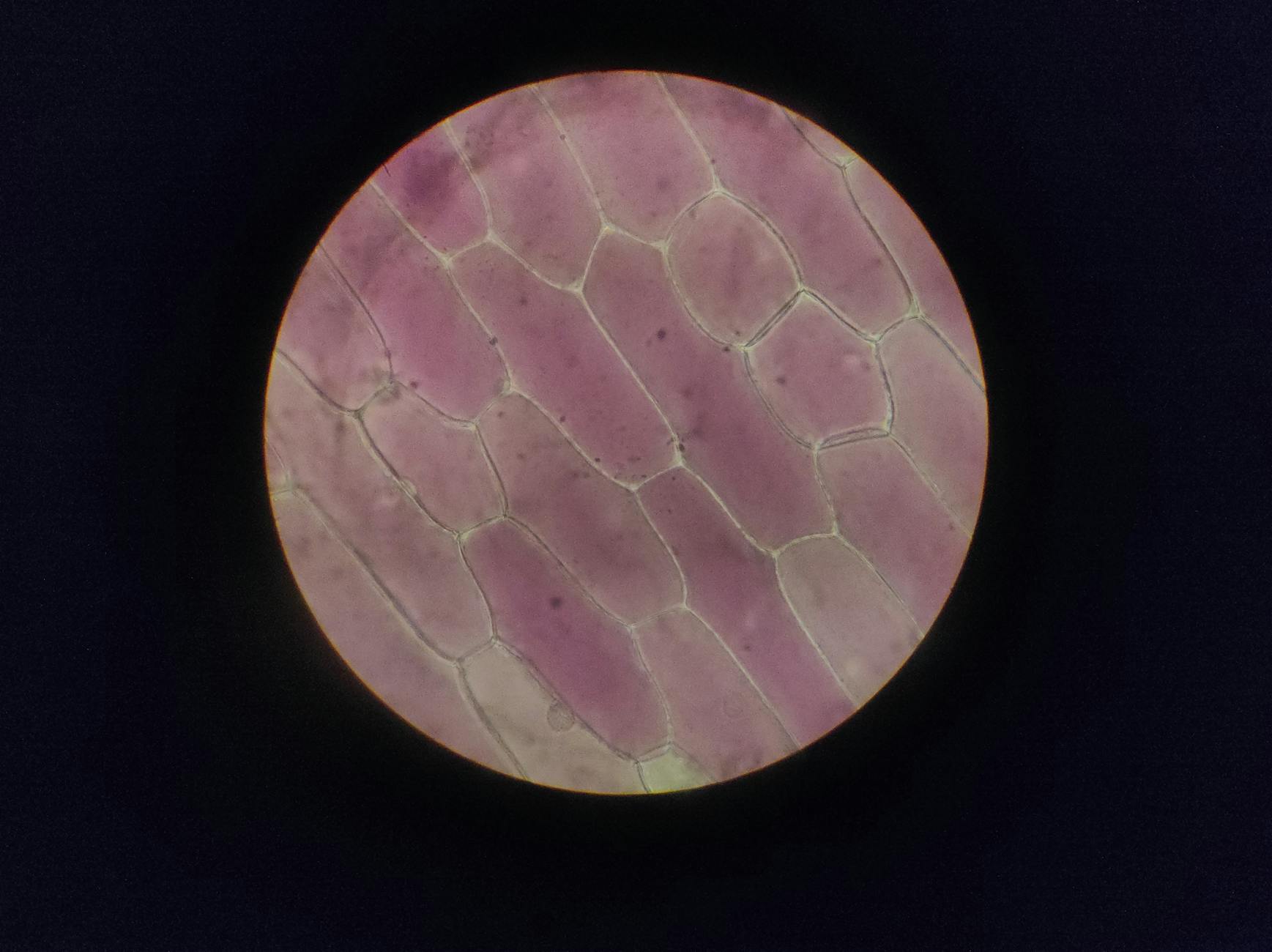
A high-resolution microscopic image showcasing the intricate cellular architecture of a tissue sample, highlighting the spatial relationships between different cell types.
I. The Genesis of Insight: Unraveling Biological Complexity
Traditional biological research has often relied on bulk analysis, averaging signals across vast populations of cells. While invaluable, this approach can obscure critical, cell-specific information, particularly in heterogeneous tissues like tumors or the brain. Spatial genomics and single-cell multi-omics technologies have emerged to surmount these limitations by providing a granular view of biological systems.
- Spatial Genomics: Context is Key
Spatial genomics technologies, such as Visium, MERFISH, and Xenium, preserve the spatial context of cells within their native tissue microenvironment. This allows researchers to understand not just what genes are expressed, but also where and in relation to which neighboring cells. This positional information is crucial for understanding cell-cell communication, tissue architecture, and the intricate signaling networks that govern biological processes. For instance, understanding the spatial distribution of immune cells within a tumor microenvironment can reveal critical insights into treatment response or resistance. - Single-Cell Multi-Omics: A Holistic Cellular Portrait
Single-cell multi-omics, exemplified by platforms like CITE-seq, ATAC-seq, and scRNA-seq coupled with epigenomic or proteomic analysis, allows for the simultaneous measurement of multiple molecular modalities within individual cells. This provides a comprehensive, multi-dimensional view of cellular states, including gene expression, epigenetic modifications, protein abundance, and even DNA accessibility. By integrating these datasets at the single-cell level, researchers can build a more complete picture of cellular heterogeneity, identify rare cell populations, and uncover complex regulatory mechanisms that are invisible to single-modality approaches.

A complex network diagram illustrating the interconnectedness of various molecular pathways within a single cell, derived from multi-omics data.
II. Strategic Pillars for Precision Medicine Innovation
The integration of spatial genomics and single-cell multi-omics into precision medicine requires a strategic, multi-faceted approach. The Vespellar Nexus framework identifies several key pillars that will underpin this transformation:
- Advanced Diagnostics and Biomarker Discovery:
These technologies are poised to revolutionize diagnostics by enabling the identification of highly specific and sensitive biomarkers for early disease detection, prognosis, and therapeutic response prediction.- Oncology: Identifying distinct cellular subtypes within tumors, mapping the tumor microenvironment’s immune landscape, and predicting patient response to immunotherapy or targeted therapies. For example, spatial transcriptomics can reveal the precise location of immune cells relative to tumor cells, offering insights into immune evasion mechanisms.
- Neurology: Elucidating the complex cellular heterogeneity of the brain and identifying specific cell types or states associated with neurodegenerative diseases like Alzheimer’s or Parkinson’s.
- Infectious Diseases: Understanding host-pathogen interactions at a cellular and spatial level to develop more effective antiviral or antibacterial strategies.
- Therapeutic Development and Optimization:
The granular insights provided by these platforms will accelerate drug discovery and development pipelines.- Target Identification: Pinpointing novel therapeutic targets by identifying cell-specific molecular pathways driving disease.
- Drug Efficacy and Toxicity Prediction: Using single-cell multi-omics to assess the potential efficacy and off-target effects of drug candidates in preclinical models, thereby reducing late-stage failures.
- Personalized Treatment Strategies: Designing combination therapies based on the unique molecular and spatial profiles of an individual’s disease.
- Regenerative Medicine and Tissue Engineering:
Understanding cellular differentiation, cell-cell interactions, and tissue development at an unprecedented resolution is critical for advancing regenerative medicine.- Stem Cell Research: Characterizing stem cell populations, their differentiation pathways, and their interactions within engineered tissues.
- Organoid Development: Guiding the development of complex, functional organoids for disease modeling and drug screening by precisely controlling cellular composition and spatial organization.
- Data Integration and Computational Infrastructure:
The sheer volume and complexity of data generated by these technologies necessitate robust computational infrastructure and advanced analytical tools.- AI and Machine Learning: Leveraging AI to analyze multi-modal single-cell data, identify complex patterns, and generate predictive models. This is analogous to how AI is revolutionizing industrial processes through digital twins, enabling predictive maintenance and optimization by analyzing vast datasets.
- Cloud Computing and Data Harmonization: Developing scalable cloud-based platforms for data storage, processing, and sharing, while ensuring data standardization and interoperability across different research groups and institutions.
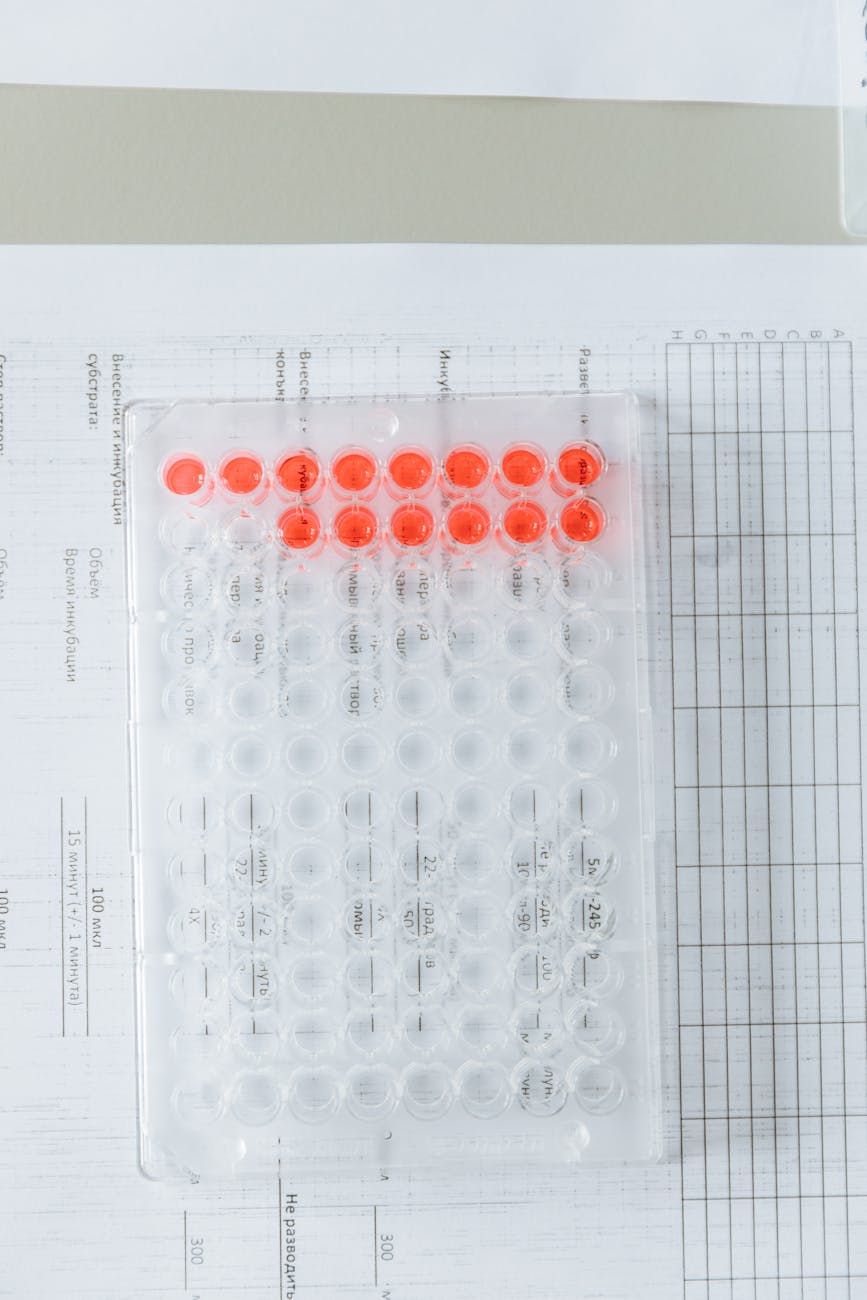
A schematic illustrating the workflow of a single-cell multi-omics experiment, from sample preparation to data analysis, highlighting key technological components.
III. Case Studies: Realizing the Promise
The transformative potential of spatial genomics and single-cell multi-omics is already being demonstrated in groundbreaking research:
- Case Study 1: Decoding the Tumor Microenvironment (TME)
Researchers are using spatial transcriptomics to map the intricate cellular ecosystem within tumors. By visualizing the spatial relationships between cancer cells, immune cells (e.g., T cells, macrophages), stromal cells, and blood vessels, they can identify critical interactions that promote tumor growth, metastasis, or immune evasion. This information is invaluable for designing targeted immunotherapies or combination treatments that can overcome resistance mechanisms. For example, identifying specific spatial patterns of immunosuppressive cells within the TME can guide the selection of checkpoint inhibitors or cellular therapies. - Case Study 2: Unraveling Neurodegenerative Disease Pathways
Single-cell multi-omics is providing unprecedented resolution into the cellular and molecular changes occurring in the brain during neurodegenerative diseases. By analyzing gene expression, epigenetics, and protein profiles of individual neurons and glial cells, researchers are identifying distinct cell states associated with disease progression. This allows for the identification of novel therapeutic targets that can specifically modulate these disease-associated cellular pathways, potentially leading to disease-modifying treatments for conditions like Alzheimer’s disease. - Case Study 3: Advancing Cardiovascular Research
Spatial multi-omics is being applied to study the cellular composition and signaling networks within the heart. This is crucial for understanding the development of cardiovascular diseases, such as atherosclerosis or heart failure. By mapping the spatial distribution of different cell types and their molecular states in diseased heart tissue, researchers can identify key cellular players and signaling pathways that contribute to disease pathogenesis, paving the way for novel therapeutic interventions.
IV. The Vespellar Nexus: A Framework for Future Integration
The Vespellar Nexus, as a conceptual framework for industrial and technological advancement, offers a potent analogy for the strategic integration of spatial genomics and single-cell multi-omics into precision medicine. Just as AI-powered digital twins create virtual replicas of complex industrial systems for predictive maintenance and optimization, these biological technologies create high-resolution “digital twins” of human cells and tissues.
- Predictive Diagnostics: Similar to predictive maintenance in industry, these technologies enable predictive diagnostics by identifying subtle molecular changes that precede overt disease manifestation. This allows for early intervention and proactive health management.
- Therapeutic Optimization: Analogous to optimizing industrial processes, these platforms enable the optimization of therapeutic strategies by tailoring treatments to the unique biological profiles of individual patients, maximizing efficacy while minimizing adverse effects.
- Ecosystem Harmonization: The Vespellar Nexus emphasizes the interconnectedness of systems. In precision medicine, this translates to harmonizing data from diverse sources – genomics, proteomics, imaging, clinical records – to build a comprehensive understanding of patient health and disease. This holistic integration is essential for realizing the full potential of advanced biological insights.
The integration of these technologies necessitates a robust ecosystem, including technology developers, research institutions, pharmaceutical companies, and regulatory bodies, all working in concert. This collaborative environment, mirroring the Vespellar Nexus’s vision of interconnected innovation, will accelerate the translation of scientific discovery into tangible clinical benefits.

A dynamic infographic showcasing the exponential growth in data generated by single-cell and spatial omics technologies over the past decade, alongside projected future trends.
V. Challenges and Future Outlook
Despite the immense promise, several challenges must be addressed to fully realize the potential of spatial genomics and single-cell multi-omics:
- Technological Standardization and Scalability: Ensuring consistent data quality, developing more affordable and accessible platforms, and scaling up throughput for widespread clinical adoption are critical.
- Data Analysis and Interpretation: The complexity of multi-modal single-cell data requires sophisticated bioinformatic tools, robust computational infrastructure, and well-trained personnel. The development of user-friendly, AI-driven analytical platforms will be paramount.
- Clinical Validation and Regulatory Pathways: Rigorous clinical validation studies are needed to demonstrate the utility of these technologies in patient care. Clear regulatory pathways for novel diagnostic and therapeutic applications must be established.
- Ethical Considerations: As we gain deeper insights into individual biology, ethical considerations surrounding data privacy, genetic discrimination, and equitable access to advanced therapies must be carefully navigated.
The future of precision medicine is inextricably linked to the advancements in spatial genomics and single-cell multi-omics. As these technologies mature and become more integrated into research and clinical practice, they will usher in an era of unprecedented understanding of human health and disease. The Vespellar Nexus framework, with its emphasis on interconnectedness, prediction, and optimization, provides a guiding philosophy for navigating this complex yet exhilarating frontier. By embracing these powerful tools, we are not just innovating medicine; we are architecting a future where healthcare is truly personalized, predictive, and profoundly effective for every individual. The insights gleaned today, meticulously archived and analyzed, will form the bedrock of medical interventions for generations to come.
Table 1: Comparison of Spatial Genomics and Single-Cell Multi-Omics Technologies
| Feature | Spatial Genomics | Single-Cell Multi-Omics |
|---|---|---|
| Primary Focus | Spatial organization of cells and molecules | Molecular profiles of individual cells |
| Key Information | Cell-cell interactions, tissue architecture | Gene expression, epigenetics, protein abundance, etc. |
| Data Modalities | RNA, DNA, proteins (in situ) | RNA, DNA, epigenetics, proteins, metabolites (often dissociated) |
| Applications | Tumor microenvironment analysis, tissue mapping | Cell type identification, disease state characterization, drug response prediction |
| Challenges | Tissue preparation artifacts, resolution limits | Cell dissociation artifacts, data integration complexity |
Table 2: Strategic Imperatives for Precision Medicine Integration
| Imperative | Description | Key Technologies Involved | Expected Impact |
|---|---|---|---|
| Advanced Diagnostics | Early detection, accurate prognosis, personalized treatment selection. | Spatial Transcriptomics, scRNA-seq, CITE-seq | Improved patient outcomes, reduced healthcare costs. |
| Therapeutic Development | Accelerated drug discovery, identification of novel targets, prediction of drug efficacy and toxicity. | scRNA-seq, scATAC-seq, spatial proteomics | Faster development of more effective and safer therapies. |
| Regenerative Medicine | Understanding cell differentiation, tissue engineering, organoid development. | Spatial Genomics, scRNA-seq, single-cell epigenomics | Advancements in treating injuries and degenerative diseases. |
| Computational Infrastructure | Robust data analysis, AI-driven insights, secure data sharing. | AI/ML, Cloud Computing, Data Harmonization Platforms | Enabling interpretation of complex biological data, driving research efficiency. |

A split image: one side shows a traditional, generalized medical chart, while the other side shows a hyper-detailed, personalized digital health profile generated by advanced omics data.
Conclusion: The Autonomous Archive of Biological Intelligence
The convergence of spatial genomics and single-cell multi-omics represents a paradigm shift, transforming biological research into a form of “autonomous archive” of our most fundamental intelligence. As sophisticated digital twins are built for industries, so too are we constructing intricate, high-fidelity digital representations of our cellular and tissue landscapes. This pursuit of granular biological understanding, driven by Vespellar Nexus principles of foresight and optimization, is not merely an academic endeavor. It is the strategic imperative for architecting a future where precision medicine is not an aspiration, but a tangible reality, offering unprecedented levels of health and well-being for humanity. The insights gleaned today, meticulously archived and analyzed, will form the bedrock of medical interventions for generations to come.