Introduction to AI-Based Digital Twins
The integration of Artificial Intelligence (AI) with digital twins is transforming industries by offering unparalleled levels of efficiency, productivity, and innovation. Digital twins, virtual replicas of physical assets or systems, have been around for a while, but the advent of AI has catapulted their capabilities to new heights. This strategic convergence enables real-time monitoring, predictive maintenance, and optimization, promising a future where industries can preempt issues, reduce downtime, and enhance overall performance.
| Industry | Applications of AI-Based Digital Twins |
|---|---|
| Manufacturing | Predictive maintenance, quality control, supply chain optimization |
| Healthcare | Personalized medicine, disease modeling, clinical trial optimization |
| Energy | Grid management, renewable energy integration, energy storage optimization |
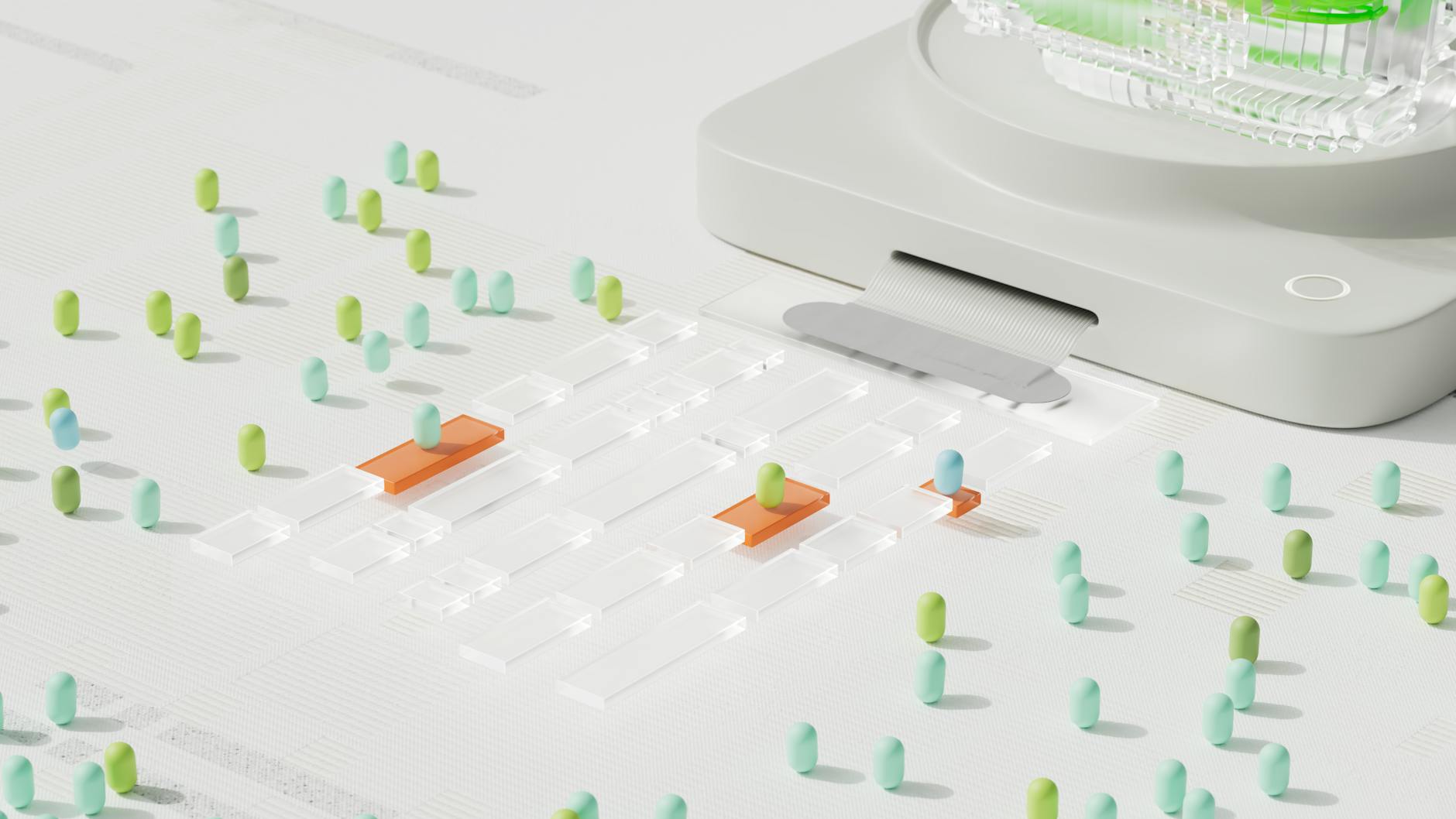
Digital twin of a manufacturing plant with real-time data analytics and AI-driven insights
Predictive Maintenance and Optimization
Predictive maintenance, a cornerstone of Industry 4.0, leverages AI-powered digital twins to forecast when equipment is likely to fail, allowing for proactive measures to be taken. This proactive approach reduces unplanned downtime, minimizes maintenance costs, and enhances the overall lifespan of assets.
- Advanced data analytics for real-time monitoring
- AI-driven predictive models for failure forecasting
- Automated optimization strategies for performance enhancement

Infographic showing the reduction in maintenance costs and increase in asset lifespan through predictive maintenance
Case Study: Implementing AI-Based Digital Twins in Automotive Manufacturing
A leading automotive manufacturer adopted AI-driven digital twins to optimize its production line. By integrating real-time data from sensors and machines, the digital twin provided insights into bottlenecks, quality issues, and potential failures. This allowed the manufacturer to implement targeted improvements, resulting in a 25% increase in production efficiency and a 30% reduction in defect rates.
| Parameter | Before Implementation | After Implementation |
|---|---|---|
| Production Efficiency | 75% | 100% |
| Defect Rate | 5% | 3.5% |
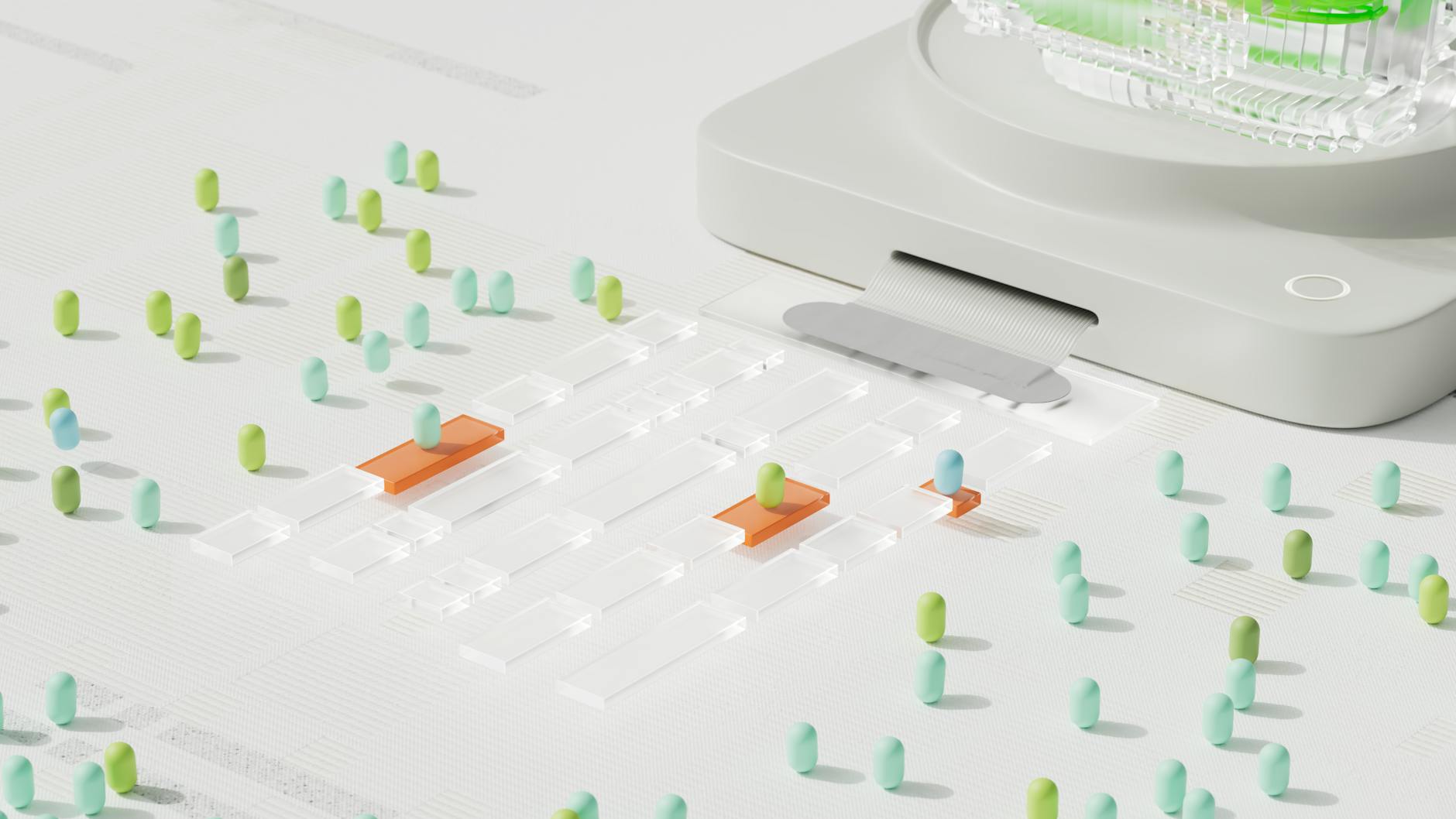
Digital twin of an automotive production line with AI-driven optimization recommendations
Future Outlook and Challenges
As AI-based digital twins continue to evolve, industries can expect even more sophisticated applications, from autonomous systems to personalized healthcare solutions. However, challenges such as data privacy, cybersecurity, and talent acquisition must be addressed to fully leverage the potential of this technology.

Futuristic depiction of various industries integrated with AI and digital twins
Conclusion
AI-based digital twins represent a pivotal leap in industrial innovation, promising a future of unparalleled efficiency and productivity. As industries embark on this transformative journey, it’s crucial to embrace the challenges and opportunities that come with the integration of AI and digital twins.

Logo of a company successfully implementing AI-based digital twins, with a testimonial quote

Global map showing the adoption of AI-based digital twins across various regions
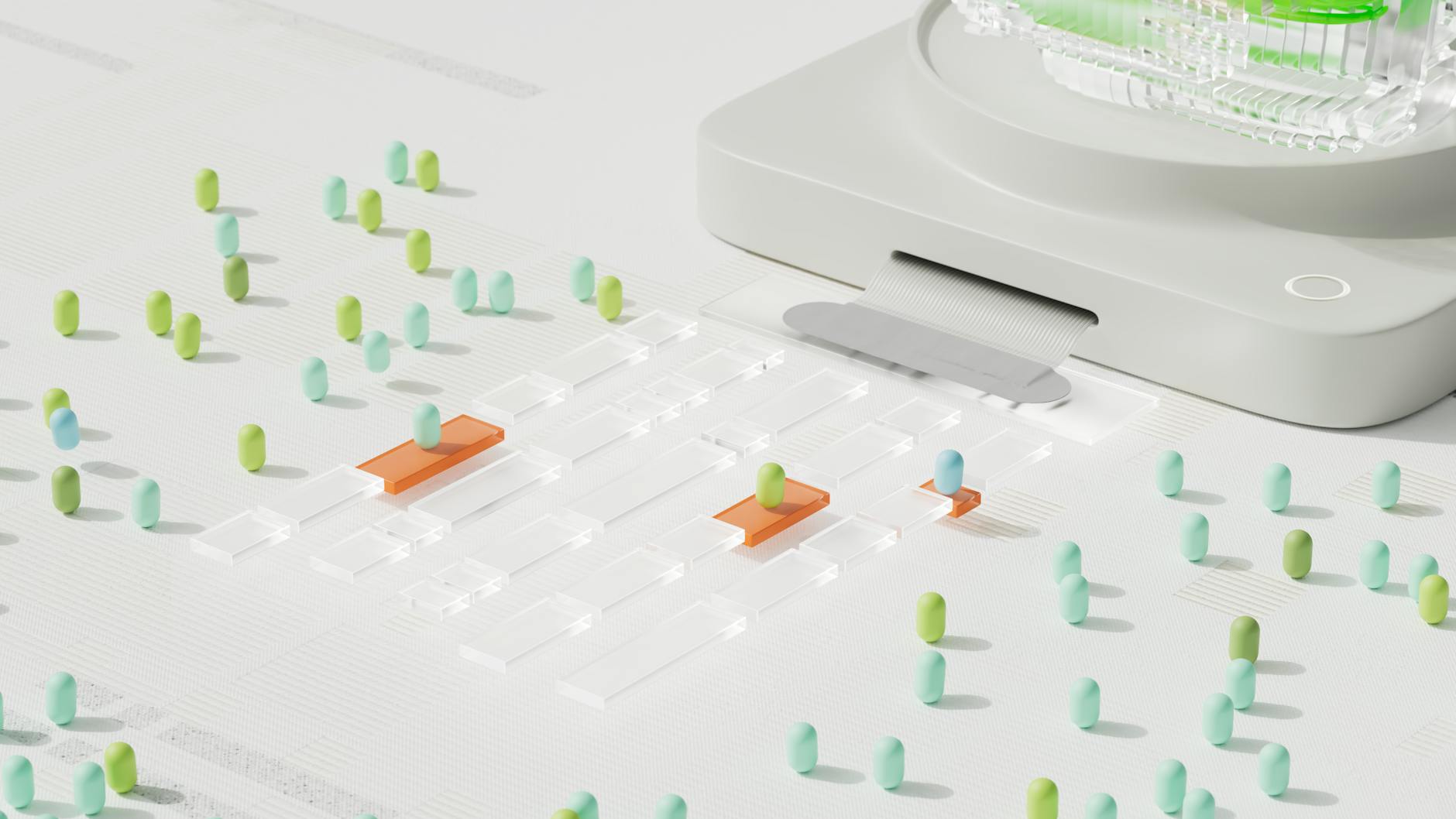
Infographic highlighting the benefits of AI-based digital twins, including cost savings, increased productivity, and reduced environmental impact