Introduction
The world is on the cusp of a revolution in energy production with the advent of nuclear fusion technology. This innovative approach promises to transform the global energy market by providing a clean, sustainable, and virtually limitless source of power. As we delve into the realm of nuclear fusion energy, it becomes evident that this technology has the potential to disrupt the status quo and redefine the future of energy production.
| Traditional Energy Sources | Nuclear Fusion Energy |
|---|---|
| Fossil Fuels (Coal, Oil, Gas) | Clean and Sustainable |
| Nuclear Fission | Zero Greenhouse Gas Emissions |

A diagram illustrating the basic principles of nuclear fusion
The Science Behind Nuclear Fusion
Nuclear fusion is the process by which atomic nuclei combine to form a heavier nucleus, releasing vast amounts of energy in the process. This is the same process that powers the sun and other stars. By harnessing this energy, scientists aim to create a new, sustainable source of power that can meet the world’s increasing energy demands.
The potential of nuclear fusion to transform the energy landscape is immense. With its zero greenhouse gas emissions and minimal waste production, this technology could play a crucial role in mitigating climate change and ensuring a sustainable future for generations to come.
Challenges and Opportunities
- Technical Challenges: Achieving and sustaining the high temperatures and pressures necessary for nuclear fusion to occur is a significant technical challenge.
- Economic Opportunities: The development of nuclear fusion technology could create new industries, jobs, and economic growth opportunities.
- Environmental Benefits: Nuclear fusion offers a clean and sustainable alternative to traditional fossil fuels, reducing greenhouse gas emissions and mitigating climate change.

An artist’s concept of a nuclear fusion reactor
Global Strategies for Nuclear Fusion Energy Development
The development of nuclear fusion energy is a global effort, with countries and organizations around the world investing in research and development. International collaboration and knowledge sharing are crucial for advancing this technology and overcoming the challenges associated with it.
| Country/Organization | Project/Initiative |
|---|---|
| International Thermonuclear Experimental Reactor (ITER) | Global collaboration to build the world’s largest nuclear fusion reactor |
| United States | National Ignition Facility (NIF) and other research initiatives |

A photograph of the ITER construction site
Conclusion
Nuclear fusion energy holds the promise of a sustainable, clean, and virtually limitless source of power. As the world continues to develop and refine this technology, it is essential to address the challenges and leverage the opportunities it presents. By working together globally, we can harness the power of nuclear fusion to create a brighter, more sustainable future for all.

A futuristic illustration of a city powered by nuclear fusion energy
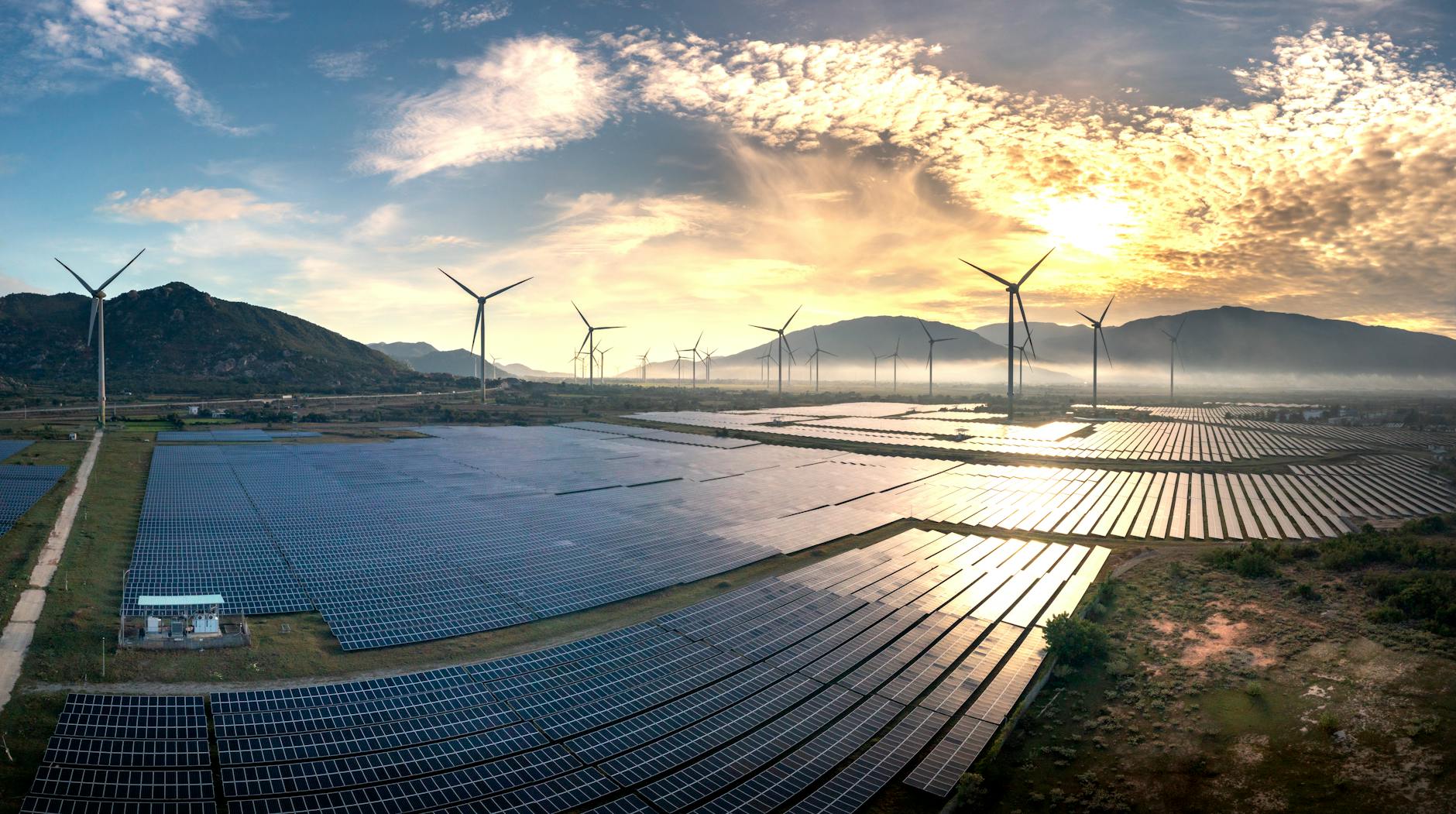
A graph showing the potential increase in global energy demand

A picture of a scientist working in a nuclear fusion laboratory

A diagram of a nuclear fusion reaction

A photograph of a nuclear fusion reactor prototype
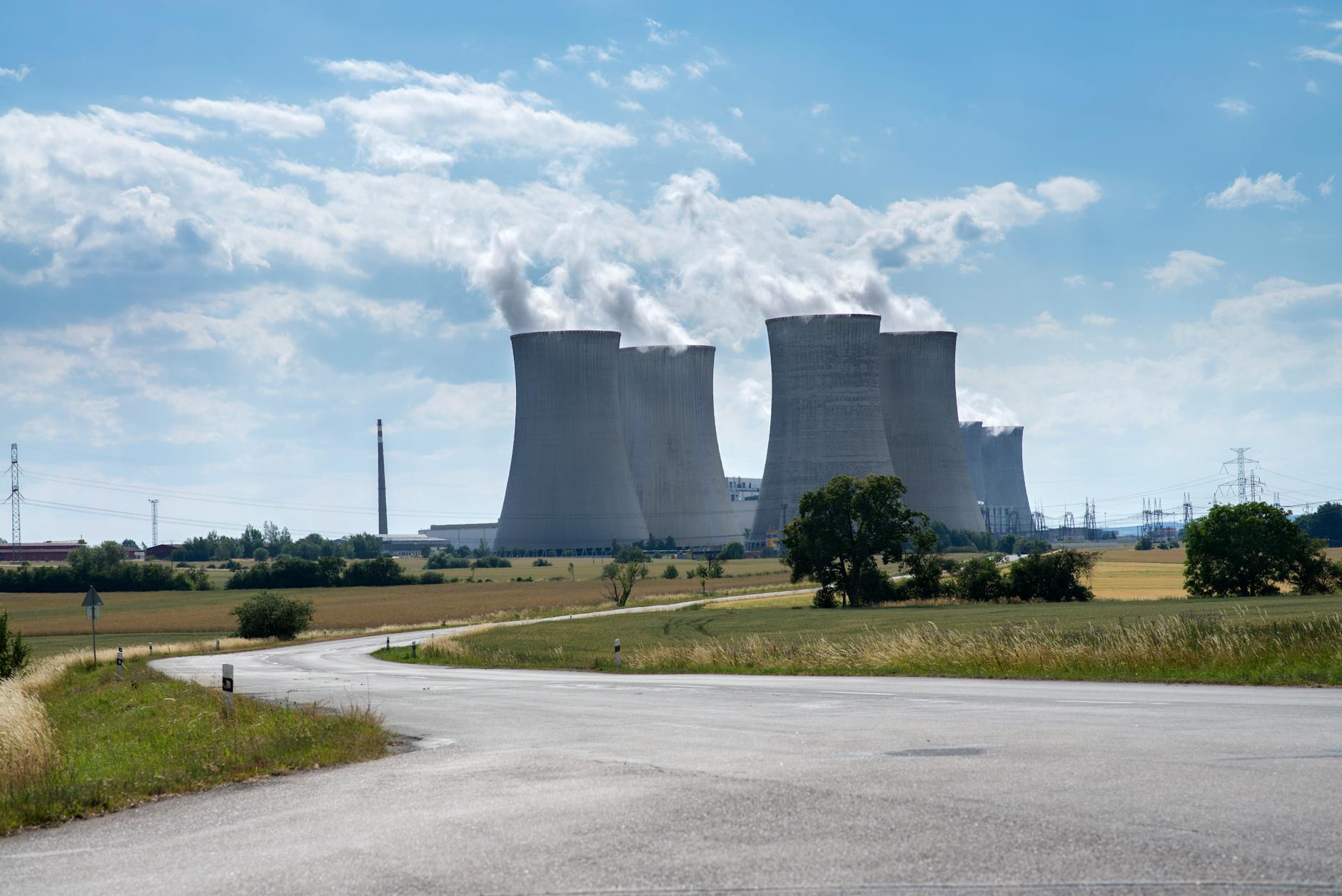
An infographic highlighting the benefits of nuclear fusion energy