Introduction to AI-Based Digital Twins
The advent of Industry 4.0 has brought about a significant shift in the way industries operate, with AI-based digital twins at the forefront of this revolution. A digital twin is a virtual replica of a physical entity, system, or process, which can be used to simulate, predict, and optimize its behavior. In this report, we will explore the concept of AI-based digital twins, their applications, benefits, and future prospects.
| Industry | Application | Benefits |
|---|---|---|
| Manufacturing | Predictive maintenance, quality control | Increased efficiency, reduced downtime |
| Energy | Grid management, energy optimization | Reduced energy consumption, improved grid stability |
Predictive Maintenance and Optimization Strategies
One of the primary applications of AI-based digital twins is predictive maintenance and optimization. By analyzing data from sensors and other sources, digital twins can predict when maintenance is required, reducing downtime and increasing overall efficiency. Additionally, digital twins can optimize processes and systems, leading to improved performance and reduced costs.
According to a study by McKinsey, the use of digital twins can reduce maintenance costs by up to 20% and increase overall equipment effectiveness by up to 15%.
Case Study: Siemens Digital Twin Implementation
Siemens, a leading industrial conglomerate, has implemented digital twins in its manufacturing processes. The company has seen significant improvements in efficiency and productivity, with a reduction in energy consumption and emissions.
Future Prospects and Challenges
The use of AI-based digital twins is expected to grow significantly in the coming years, with the global digital twin market projected to reach $26.5 billion by 2025. However, there are also challenges to be addressed, including data quality, security, and standardization.
- Data quality: High-quality data is essential for accurate predictions and simulations.
- Security: Digital twins must be protected from cyber threats and data breaches.
- Standardization: Standardization of digital twin platforms and protocols is necessary for widespread adoption.
Conclusion
In conclusion, AI-based digital twins have the potential to revolutionize industries, enabling predictive maintenance, optimization, and improved performance. While there are challenges to be addressed, the benefits of digital twins are significant, and their adoption is expected to grow rapidly in the coming years.
Digital Twin Simulation

Predictive Maintenance
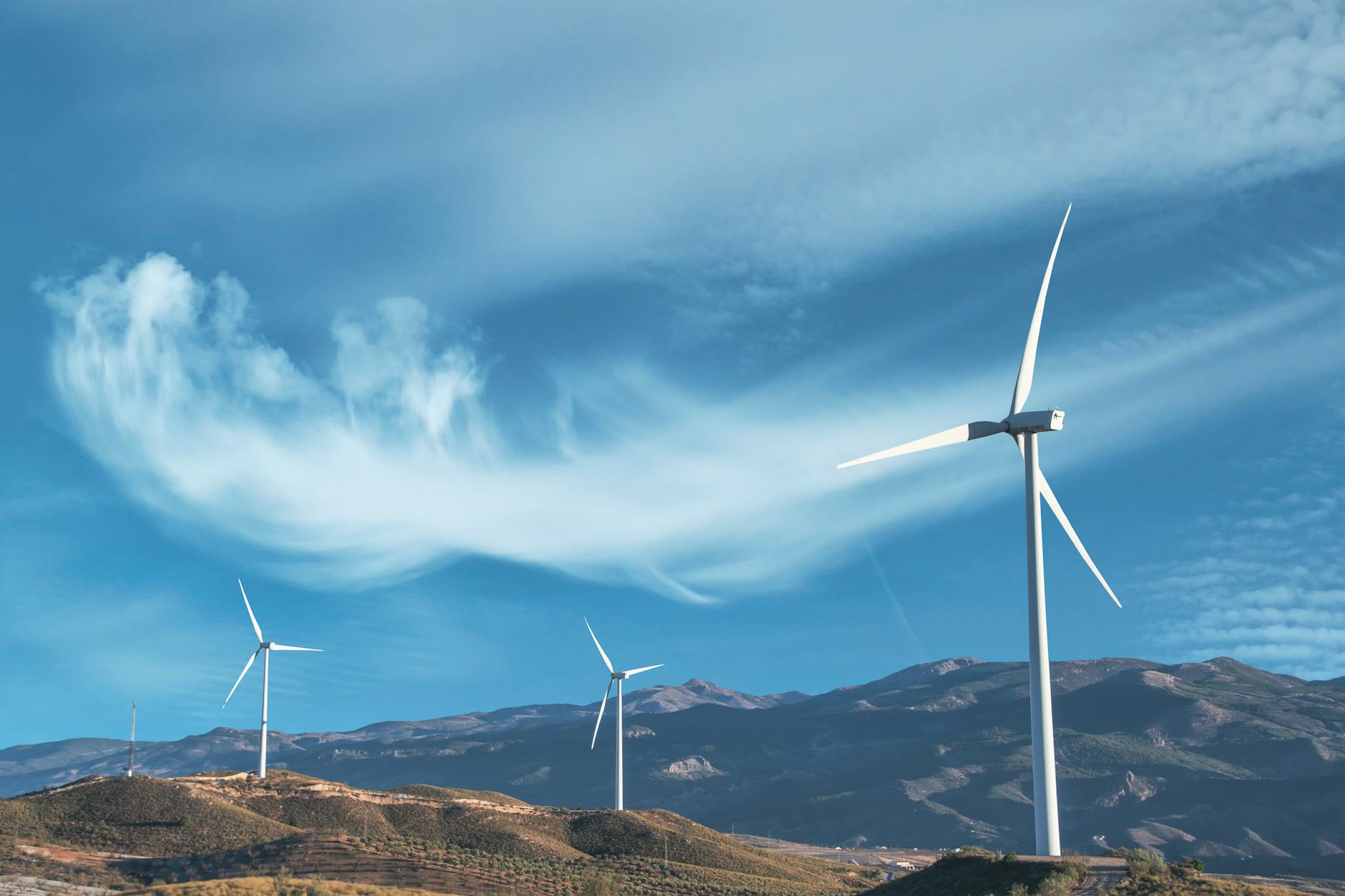
Energy Optimization

Siemens Digital Twin
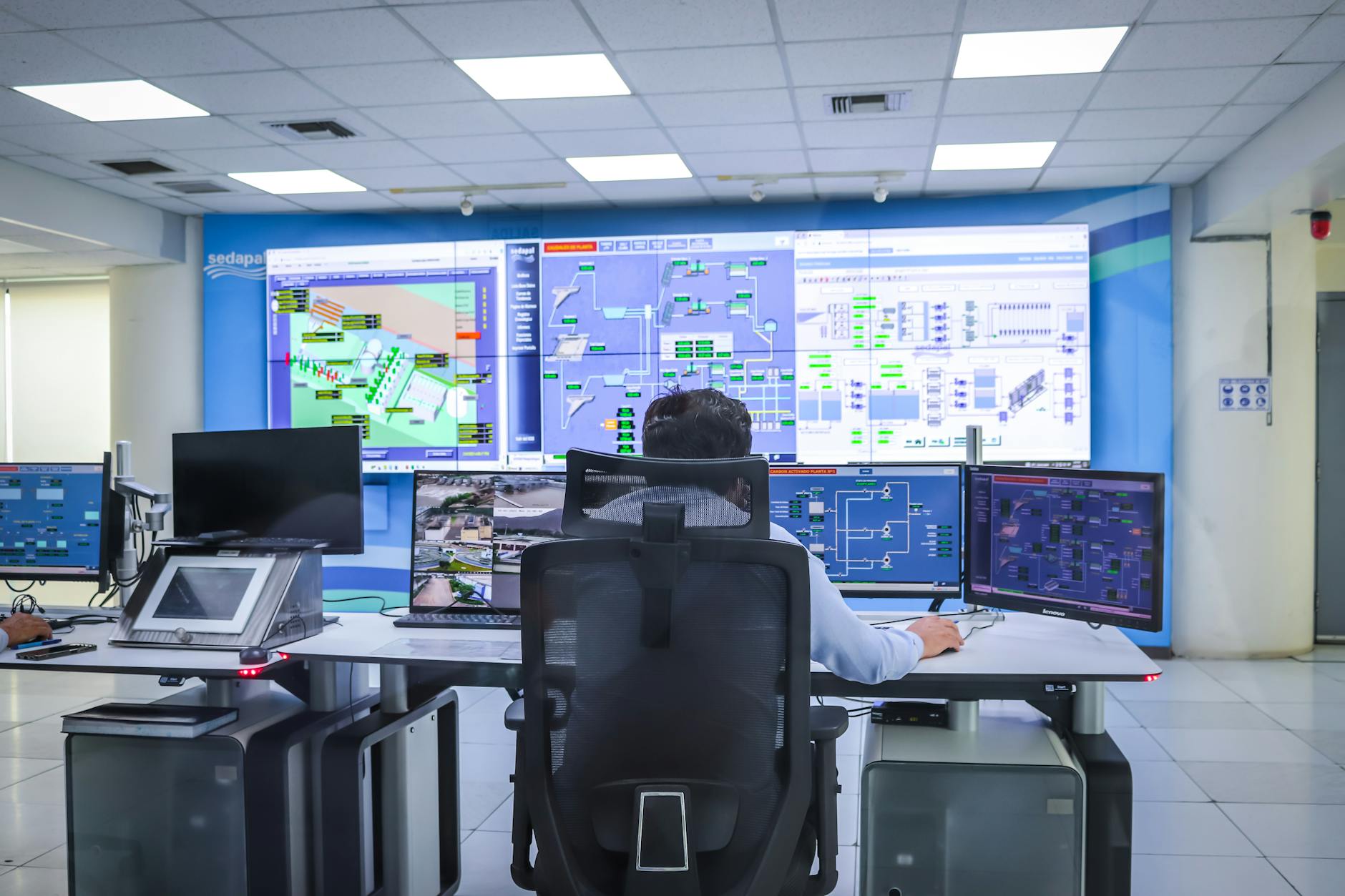
Digital Twin Implementation

Future Prospects

Challenges and Opportunities