Introduction to AI-Based Digital Twins
The advent of Industry 4.0 has brought about significant advancements in technology, transforming the way industries operate. One of the key components of this revolution is the AI-based digital twin, a virtual replica of a physical system, process, or product. This innovative technology has the potential to revolutionize industries by providing unparalleled optimization and predictive maintenance capabilities. In this article, we will delve into the world of AI-based digital twins, exploring their applications, benefits, and future prospects.
| Industry | Application of AI-Based Digital Twins |
|---|---|
| Manufacturing | Predictive maintenance, quality control, and supply chain optimization |
| Energy | Grid management, energy efficiency, and renewable energy integration |
| Transportation | Route optimization, traffic management, and autonomous vehicle development |

AI-based digital twin in manufacturing
Benefits of AI-Based Digital Twins
- Improved efficiency and productivity
- Enhanced predictive maintenance and reduced downtime
- Increased safety and reduced risk
- Better decision-making through data analytics
AI-based digital twins have the potential to transform industries by providing real-time insights, improving operational efficiency, and reducing costs.
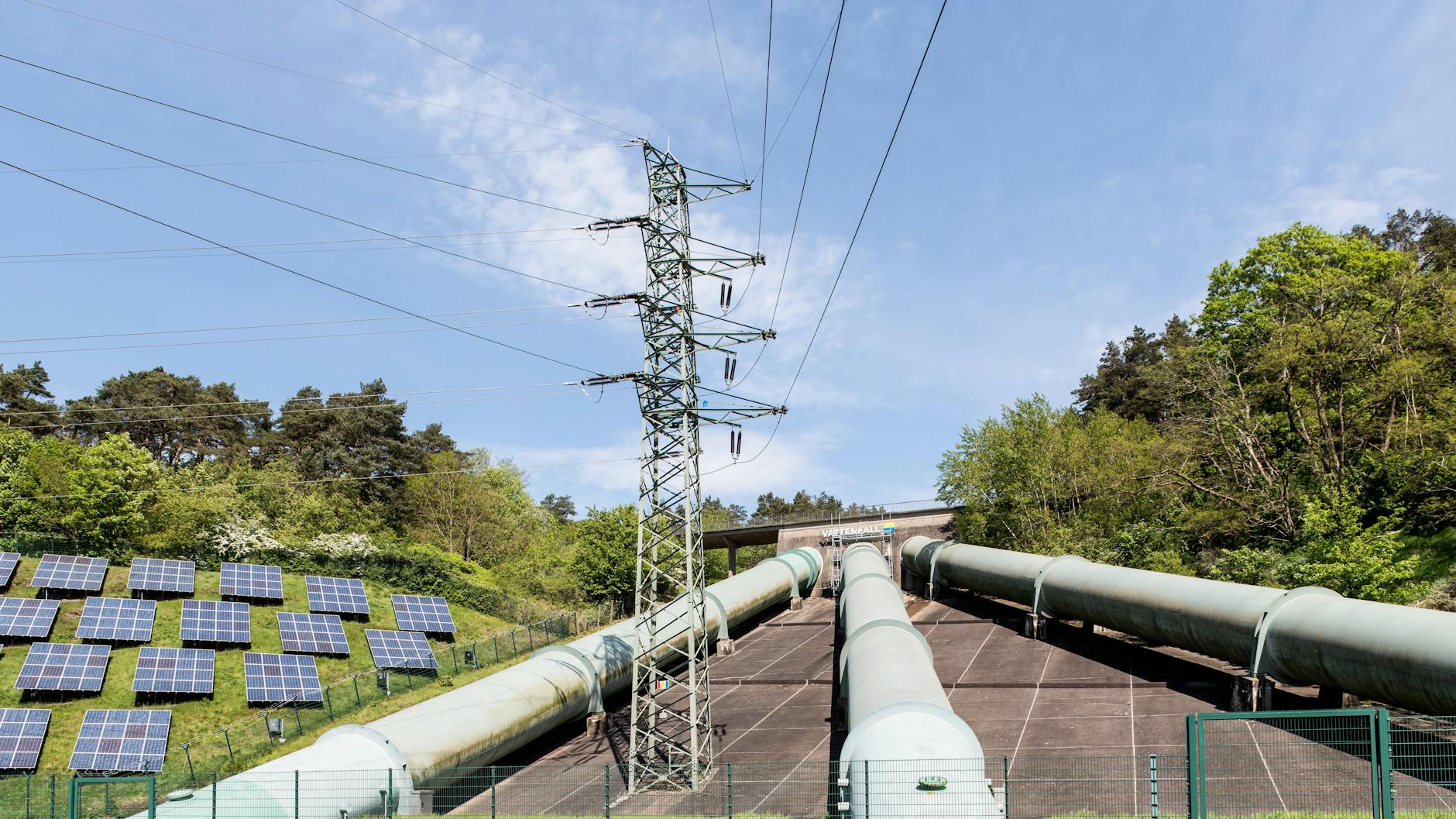
AI-based digital twin in energy sector
Case Study: Implementing AI-Based Digital Twins in Industry
A leading manufacturing company implemented AI-based digital twins to optimize its production process. The results were impressive, with a 25% reduction in downtime, 15% increase in productivity, and 10% decrease in energy consumption.
| Metric | Before Implementation | After Implementation |
|---|---|---|
| Downtime | 500 hours/year | 375 hours/year |
| Productivity | 80% | 92% |
| Energy Consumption | 1000 kWh/day | 900 kWh/day |

AI-based digital twin in transportation sector
Future Prospects: The Rise of Autonomous Systems
The integration of AI-based digital twins with autonomous systems is expected to revolutionize industries further. Autonomous systems, powered by AI and machine learning, will be able to make decisions in real-time, optimizing processes and improving efficiency.
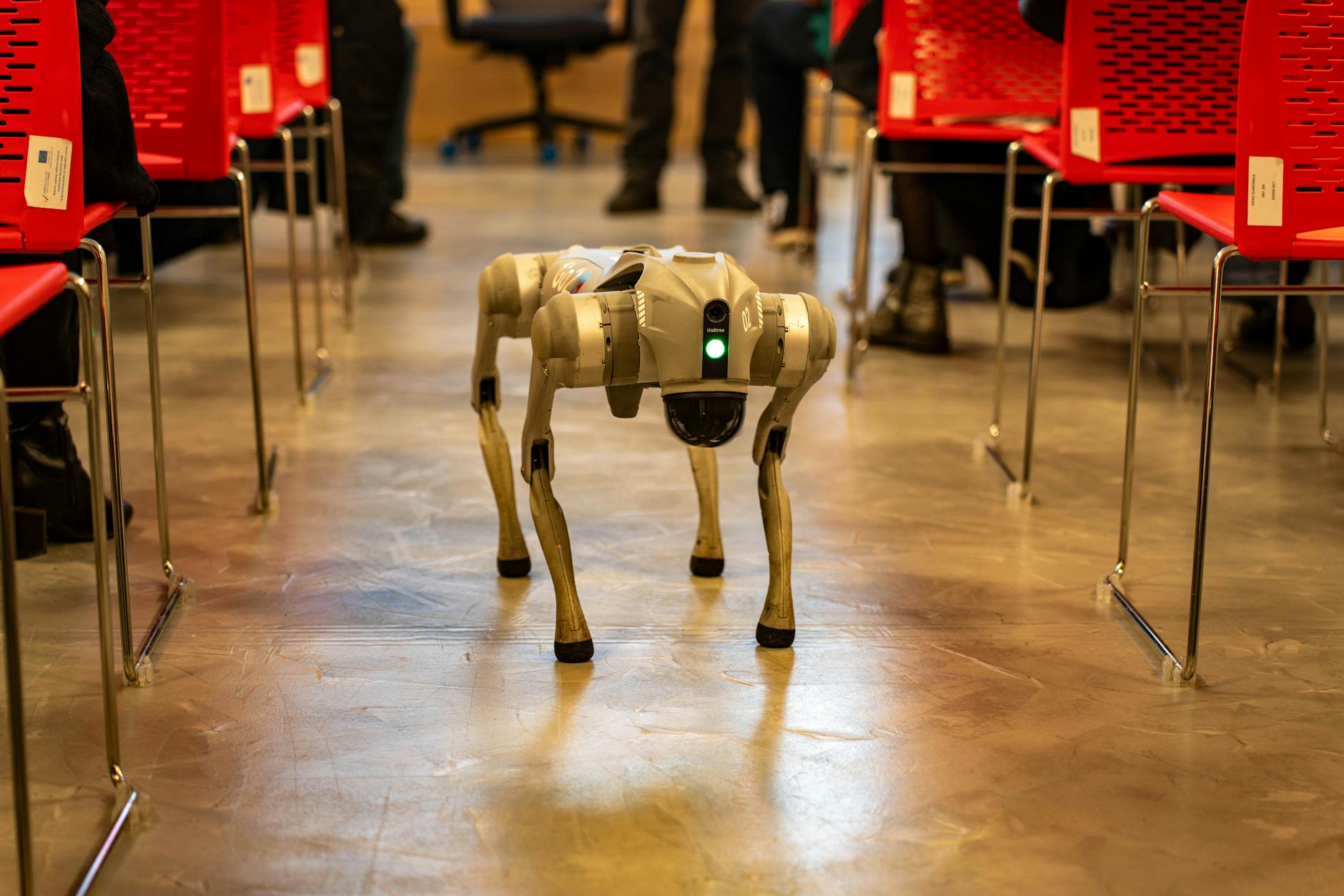
Autonomous system integration with AI-based digital twin
Conclusion
In conclusion, AI-based digital twins have the potential to transform industries by providing unparalleled optimization and predictive maintenance capabilities. As technology continues to evolve, we can expect to see even more innovative applications of AI-based digital twins, leading to increased efficiency, productivity, and safety.

Future of AI-based digital twins
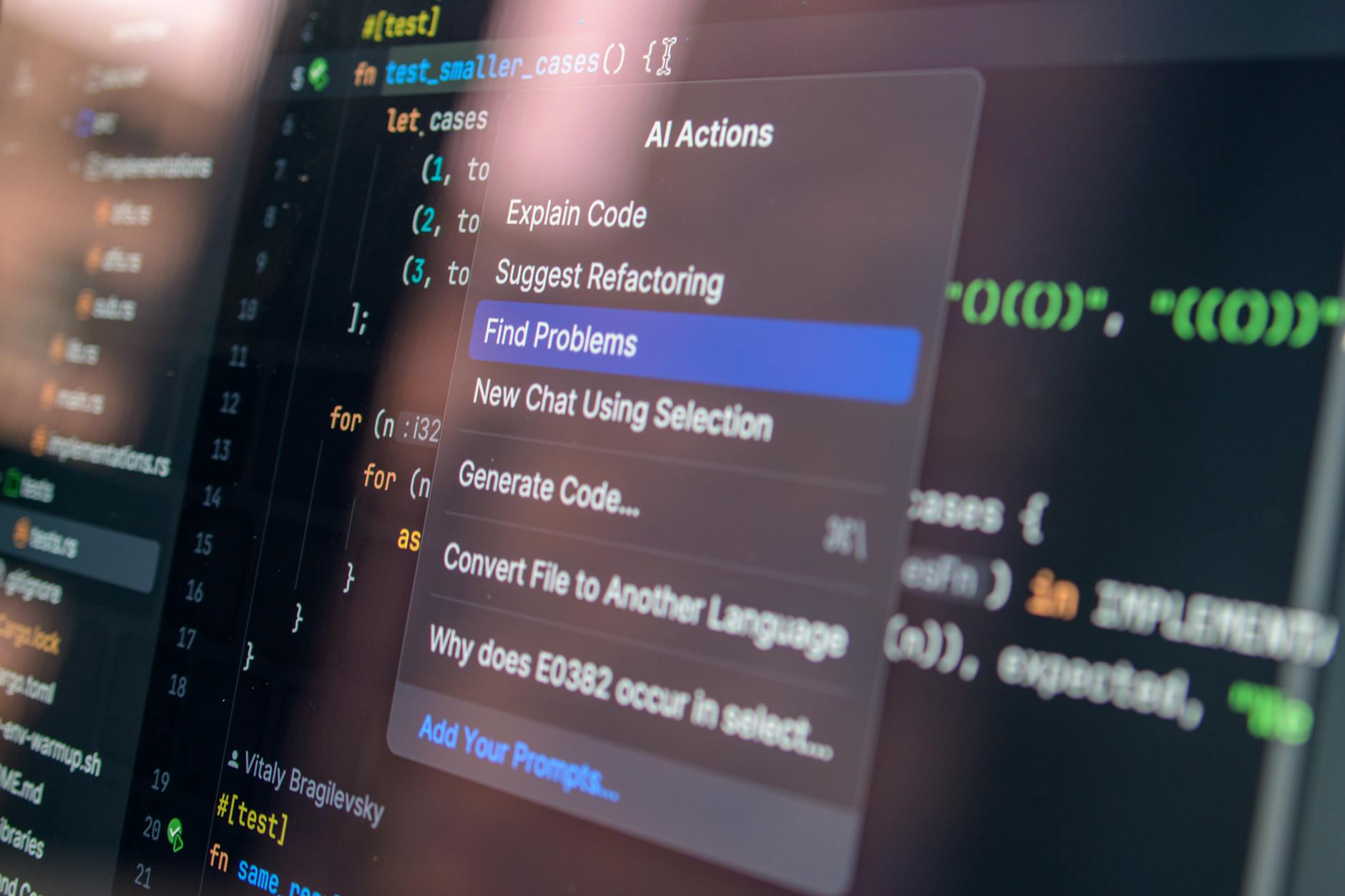
Benefits of AI-based digital twins

AI-based digital twin in action