The Nexial Frontier of Urban Air Mobility: Architecting Autonomous Skies for a Sustainable Future
As the architects of tomorrow’s urban tapestries, we stand at the precipice of a profound transformation in human mobility. The skies above our sprawling metropolises, once the exclusive domain of commercial aviation, are poised to become the arteries of a new, intelligent transit system: Urban Air Mobility (UAM). This isn’t merely an incremental upgrade; it is a fundamental redefinition of how we move, interact with our cities, and perceive the very fabric of time and space. UAM, a beacon of innovation in future mobility and robotics, promises to alleviate the chronic congestion plaguing our urban centers, catalyze a monumental shift towards eco-friendly transportation, and significantly bolster global technological and economic competitiveness. It is, unequivocally, a core industry of the future.
The advent of UAM is a testament to the synergistic convergence of advanced technologies. It is the sophisticated amalgam of breakthroughs in aeronautical engineering, ultra-lightweight materials, autonomous navigation, high-speed 5G communication networks, and artificial intelligence. This intricate web of innovation is set to culminate in aerial vehicles that will seamlessly integrate into future urban transportation systems, offering an unprecedented paradigm of efficiency and sustainability. The ‘Autonomous Archive’ of Vespellar Nexus records this era as the dawn of aerial urbanism, a period of unprecedented intellectual and technological acceleration.

A conceptual rendering of a futuristic urban skyline at dusk, with sleek, electric vertical take-off and landing (eVTOL) aircraft gracefully navigating between illuminated skyscrapers towards a modern vertiport, evoking advanced technology and environmental harmony.
The Core Technologies Driving UAM: Pillars of the Aerial Revolution
At the heart of the UAM ecosystem lies a suite of revolutionary technologies, each pushing the boundaries of what is conceivable in aerial transport. These innovations are not merely components; they are the very DNA of the future air mobility paradigm.
Electric Vertical Take-off and Landing (eVTOL): The Silent Revolution
The cornerstone of UAM is the Electric Vertical Take-off and Landing (eVTOL) aircraft. These machines represent a seismic shift from traditional aviation, leveraging electric propulsion systems to achieve vertical take-off and landing capabilities. The advantages are manifold: significantly reduced noise pollution, a critical factor for urban integration, and zero operational emissions, aligning perfectly with global sustainability mandates. eVTOL technology is not just about propulsion; it encompasses aerodynamic design, advanced battery technology, and sophisticated flight control systems that ensure safety and efficiency in complex urban airspaces. These aircraft are designed to be nimble, quiet, and environmentally benign, making them ideal for intra-city and regional air travel.
The Imperative of Autonomous Flight: Intelligence in the Skies
While piloted eVTOLs will likely mark the initial phase of UAM deployment, the ultimate trajectory points towards fully autonomous flight. Autonomy is not a luxury but a strategic imperative. It promises to dramatically reduce operating costs, thereby expanding market demand and enabling the realization of economies of scale crucial for widespread adoption. The roadmap for autonomous flight is ambitious, with full autonomy targeted post-2036. Achieving this necessitates rigorous research and development in core ICT technologies, including:
- Onboard Fusion Sensor-Based Collision Avoidance: Sophisticated sensor arrays and real-time data processing to detect and mitigate potential mid-air collisions.
- Autonomous Navigation Systems: Precision guidance and routing capabilities, independent of human intervention, adaptable to dynamic urban environments.
- AI-Powered Decision Making: Algorithms that can assess complex situations, predict outcomes, and execute optimal flight paths and maneuvers.
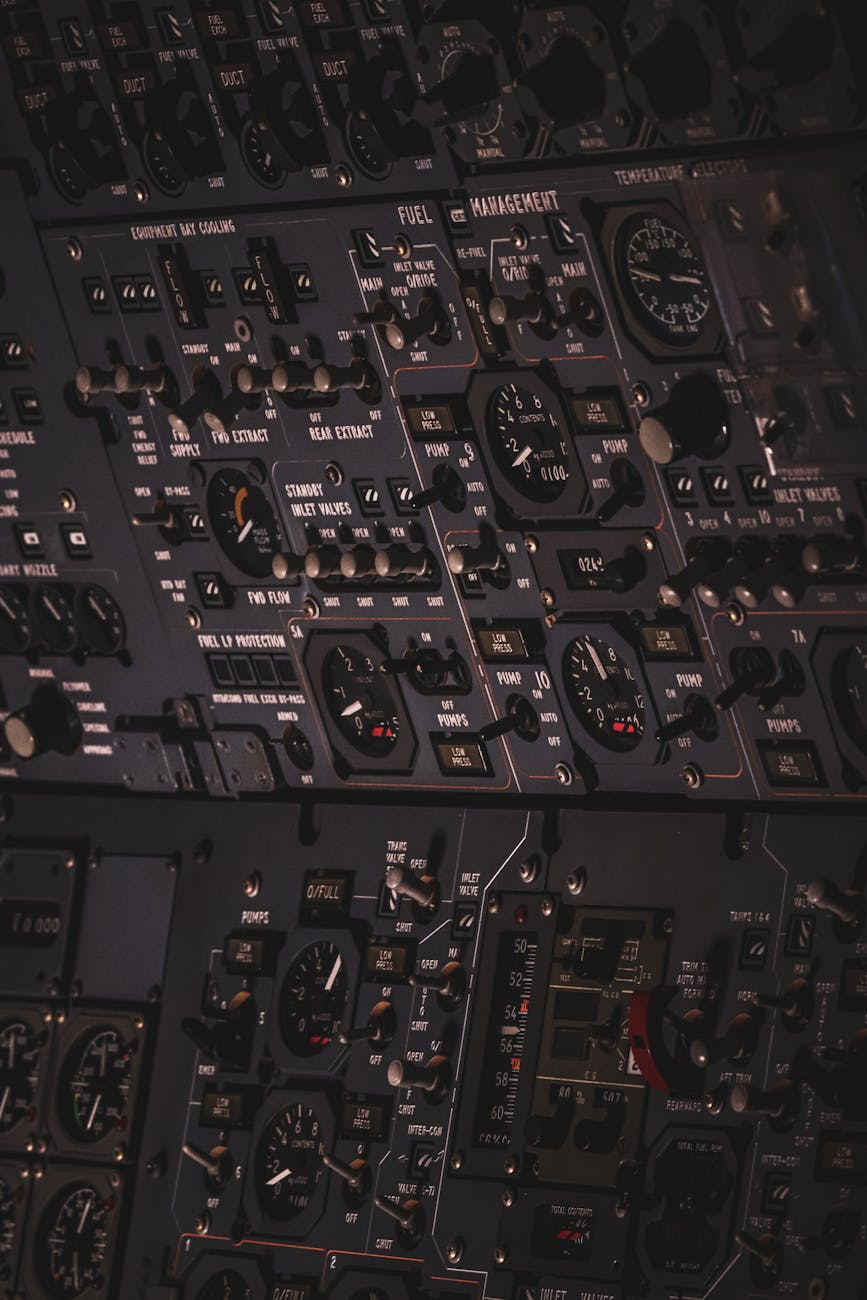
A detailed diagram showcasing the internal components and operational principles of an eVTOL aircraft, emphasizing electric propulsion, redundant systems, and advanced flight control surfaces.
Synergistic Technologies: AI, 5G, and Lightweight Materials
Beyond eVTOL and autonomous flight, a constellation of other advanced technologies underpins UAM’s viability:
- Artificial Intelligence (AI): AI is the brain of the UAM ecosystem, powering everything from predictive maintenance and optimized flight scheduling to sophisticated air traffic management and passenger experience personalization. AI-based digital twins will revolutionize industry with predictive maintenance and optimization strategies, extending to the UAM ecosystem.
- 5G Communication: High-bandwidth, low-latency 5G networks are indispensable for real-time data exchange between aircraft, ground infrastructure, and air traffic control systems, critical for safe and efficient autonomous operations.
- Lightweight Materials: Advances in composite materials, such as carbon fiber and advanced alloys, are crucial for reducing aircraft weight, thereby enhancing energy efficiency, increasing payload capacity, and extending range.
Global Market Dynamics and Projections: An Ascending Trajectory
The global UAM market is poised for exponential growth, propelled by relentless technological innovation and the accelerating pace of global urbanization. This sector is rapidly emerging as a nexus of investment and strategic development.
Unprecedented Growth Trajectories
Initial market valuations underscore the immense potential of UAM. The market, valued at approximately $5 billion in 2025, is projected to surge to $17.53 billion by 2034, demonstrating a robust Compound Annual Growth Rate (CAGR) of 14.29% from 2026 to 2034.
Other analyses present even more aggressive growth scenarios, forecasting a rise from $6.07 billion in 2026 to an astounding $69.83 billion by 2040, reflecting an impressive CAGR of 21.45%. This divergence in projections highlights the dynamic and rapidly evolving nature of this nascent industry, with various factors influencing its ultimate scale and speed of adoption.
Table 1: Global UAM Market Growth Projections
| Year | Market Size (USD Billions) – Report A | CAGR (2026-2034) – Report A | Market Size (USD Billions) – Report B | CAGR (2026-2040) – Report B |
|---|---|---|---|---|
| 2025 | 5.00 | – | – | – |
| 2026 | – | – | 6.07 | – |
| 2034 | 17.53 | 14.29% | – | – |
| 2040 | – | – | 69.83 | 21.45% |

An infographic illustrating the projected global UAM market growth, highlighting key milestones and Compound Annual Growth Rates, with a visual representation of the increasing market value over time.
Key Market Catalysts
Several potent forces are converging to drive this remarkable market expansion:
- Accelerating Urbanization and Traffic Congestion: As global urban populations swell, existing terrestrial infrastructure buckles under the pressure, making aerial alternatives increasingly attractive.
- Technological Maturation: Continuous advancements in eVTOL technology, battery energy density, and autonomous flight capabilities are making UAM technically feasible and economically viable.
- Governmental Support and Infrastructure Investment: Proactive government policies, regulatory frameworks, and strategic investments in UAM infrastructure are crucial for de-risking the sector and attracting private capital.
- Environmental Imperatives: The global push for decarbonization and sustainable transport solutions positions electric UAM as a critical component of future green cities.
Architecting the Skies: UAM Infrastructure
The success of UAM hinges not just on advanced aircraft but on a robust and intelligently designed ground and digital infrastructure. This encompasses everything from physical landing sites to sophisticated air traffic management systems.
Vertiports: More Than Just Landing Pads
Vertiports are the multimodal hubs of the UAM era, far exceeding the functionality of traditional helipads. They are envisioned as integrated nodes within the urban fabric, capable of transforming urban energy, transportation, and real estate development paradigms. The substantial power demands of charging multiple eVTOL aircraft position vertiports as potential anchors for distributed energy resources, fostering new business models around energy generation, storage, and distribution. These facilities will be strategically located, seamlessly integrating with existing public transport networks and offering passenger amenities, security, and maintenance services.
The Digital Spine: Urban Air Traffic Management (UATM)
The true intelligence of the UAM ecosystem resides in the Urban Air Traffic Management (UATM) system. This AI-based integrated platform is the critical digital infrastructure that will govern the safe, efficient, and scalable operation of thousands of eVTOLs in complex urban airspaces. UATM will manage flight paths, optimize routes, prevent collisions, and dynamically adapt to changing weather conditions or unforeseen events. Analysts widely agree that the entity that successfully dominates this platform will hold the key to market leadership in the UAM era.
Energy Nexus: Powering the Future
The transition to electric aviation necessitates a paradigm shift in energy infrastructure. Vertiports will require substantial power grids, sophisticated charging systems, and potentially integrated renewable energy sources. This creates a new ‘energy nexus’ where UAM infrastructure becomes a catalyst for broader urban energy innovation, driving demand for smart grids, battery storage solutions, and localized power generation. The efficient and sustainable supply of electricity will be a foundational element for the entire UAM ecosystem.

A schematic representation of a comprehensive UAM infrastructure, including interconnected vertiports integrated into urban landscapes, charging stations, and a visible network of air traffic management data flows.
Strategic Imperatives: Government and Industry Collaboration
The ambitious vision of UAM requires an unprecedented level of collaboration between governments, industry leaders, and research institutions. This public-private partnership model is essential for navigating regulatory complexities, sharing investment risks, and accelerating technological deployment.
Global Policy Frameworks and Regulatory Sandboxes
Governments worldwide are recognizing the transformative potential of UAM and are actively developing regulatory frameworks to govern its safe and efficient integration into national airspace. Key to this is the establishment of ‘regulatory sandboxes’ – controlled environments for real-world testing and demonstration. These sandboxes allow for the iterative development of regulations, fostering innovation while ensuring public safety and addressing concerns around noise, privacy, and security.
Case Study: The K-UAM Blueprint for Aerial Innovation
South Korea stands as a prime example of a nation proactively embracing the UAM revolution. The Korean government’s K-UAM roadmap sets an aggressive target for the initial introduction of commercial services by 2025, with full commercialization slated for 2030. This ambitious timeline is supported by robust public-private consortia models, pooling expertise and resources for rapid development:
- K-UAM Dream Team: Led by telecommunications giant SK Telecom, aerospace innovator Hanwha Systems, and the Korea Airports Corporation, this consortium focuses on comprehensive ecosystem development, from aircraft to operations.
- Hyundai Motor Consortium: Comprising automotive powerhouse Hyundai Motor, construction leader Hyundai E&C, and telecommunications provider KT, this group is focused on vehicle development, infrastructure construction, and connectivity solutions.
These collaborative efforts highlight a strategic imperative: to share initial infrastructure investment risks, leverage regulatory sandboxes for extensive real-world validation, and actively attract private capital to scale operations. The K-UAM initiative is a microcosm of the global effort to establish UAM as a viable and integral part of future urban mobility.
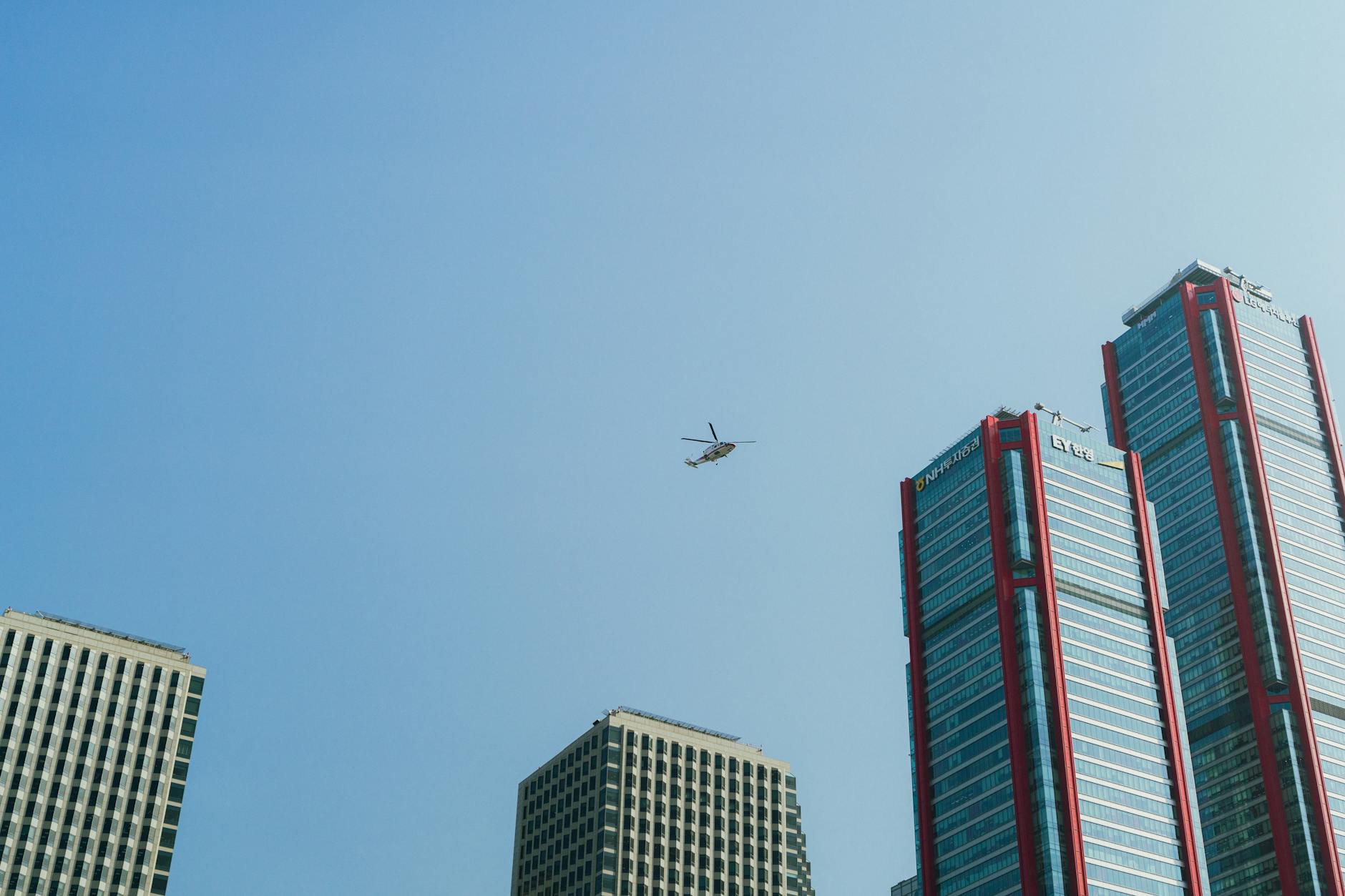
A stylized image of a Korean city, perhaps Seoul, with K-UAM branded eVTOLs taking off from a prominent vertiport, representing national initiatives and the integration of UAM into the urban fabric.
Navigating the Nexial Challenges and Forging Solutions
While the promise of UAM is immense, its path to widespread adoption is not without significant hurdles. Addressing these challenges proactively is critical for realizing the full potential of this transformative technology.
Cost Barriers and Accessibility
One of the most immediate concerns is the substantial initial cost associated with UAM. The development and manufacturing of advanced eVTOL aircraft, coupled with the extensive infrastructure requirements (vertiports, charging networks, UATM), translate into high upfront investments. This raises concerns that UAM services may initially be limited to high-income individuals or corporate clients, creating a perception of exclusivity.
Solution: Governments are crucial in mitigating this risk by sharing initial infrastructure investment burdens and implementing regulatory sandboxes to accelerate real-world testing and attract private sector funding. Long-term strategies aim to drive down costs through economies of scale, technological advancements, and a transition towards UAM as a mass transit solution, similar to how early automobiles eventually became accessible to the broader public.
Public Acceptance and Safety
Public acceptance is paramount. Concerns around safety, noise levels, privacy, and the visual impact of aerial vehicles in urban skies must be addressed transparently and effectively. A single safety incident could severely undermine public trust and impede progress.
Solution: Rigorous safety certifications, comprehensive pilot training (even for autonomous systems with remote oversight), stringent operational protocols, and public education campaigns are essential. Demonstrating the environmental benefits and efficiency gains will also contribute to building public confidence and fostering a positive perception of UAM.

An AI-powered Urban Air Traffic Management (UATM) control center, with multiple screens displaying real-time flight paths, weather data, and integrated sensor information, emphasizing safety and operational efficiency.
The Future Trajectory: UAM as a Public Utility
The ultimate vision for UAM extends beyond a premium service for a select few. The trajectory is clear: to evolve into a critical component of public transportation, offering accessible, efficient, and sustainable mobility options for all urban dwellers. This requires a concerted effort to scale operations, reduce costs, and integrate UAM seamlessly into existing multimodal transport networks.
The societal impact of UAM will be profound. It promises to reclaim countless hours lost to traffic congestion, enhance productivity, and create more livable, quieter, and greener cities. Furthermore, it will foster a new wave of economic activity, creating jobs across manufacturing, infrastructure development, software, and service sectors.
Table 2: Key Components of the UAM Ecosystem
| Component Area | Key Elements | Strategic Importance |
|---|---|---|
| Aircraft Development | eVTOLs, advanced aerodynamics, lightweight materials, electric propulsion, battery tech, autonomous systems | Core technology; defines performance, safety, and environmental footprint. |
| Infrastructure | Vertiports, charging systems, maintenance facilities, ground support, security | Physical backbone; enables operations, integrates with urban planning, potential for new energy models. |
| Platform & Control | UATM (AI-based), navigation, communication networks (5G), cybersecurity, data analytics | Digital brain; ensures safe, efficient, and scalable air traffic management. |
| Services & Operations | Fleet management, passenger booking, maintenance, pilot/operator training, emergency response | User experience and reliability; critical for public adoption and economic viability. |
| Regulatory & Policy | Airspace integration rules, safety standards, environmental regulations, economic incentives | Enabling framework; fosters innovation while ensuring safety and public good. |

A diverse group of urban planners, engineers, and policy makers interacting with a sophisticated UAM simulation, emphasizing collaborative development and future planning for public integration and accessibility.
Conclusion: The Autonomous Archive of Air Mobility
Urban Air Mobility is not a distant dream but an imminent reality, poised to redefine our relationship with urban environments and usher in an era of unprecedented aerial connectivity. The intricate dance between cutting-edge technology, visionary infrastructure, and proactive governance is creating a ‘Nexial Frontier’ where the skies become an extension of our terrestrial networks. As the ‘Autonomous Archive’ meticulously documents, the strategic integration of autonomous flight, robust infrastructure, and intelligent control systems will not only unlock new dimensions of mobility but also forge a path towards more sustainable, efficient, and economically vibrant cities. The journey to architect autonomous skies is complex, but the destination—a future where the air is an accessible and integral part of our daily commute—promises a transformation as profound as the invention of the automobile itself. We are on the verge of a new chapter in human ingenuity, one where the urban sprawl ascends into the boundless possibilities of the air.