In the relentless pursuit of operational excellence and competitive advantage, industries worldwide are embracing a transformative paradigm: the integration of Artificial Intelligence (AI) with Digital Twin technology. This potent synergy is not merely an incremental improvement; it represents a fundamental leap forward, enabling unprecedented levels of industrial optimization and ushering in an era of highly sophisticated predictive maintenance strategies. As we navigate the complexities of Industry 4.0 and beyond, AI-powered digital twins are emerging as indispensable tools for businesses aiming to enhance efficiency, reduce costs, and foster sustainable growth.
A digital twin, at its core, is a dynamic virtual replica of a physical asset, system, or process. It goes beyond static models by continuously synchronizing with its real-world counterpart through real-time data streams from IoT sensors, machine learning algorithms, and advanced analytics. This dynamic mirroring creates a bridge between the physical and virtual realms, allowing for intricate simulations, real-time monitoring, and profound insights into operational performance. The true revolution, however, lies in the infusion of AI, which elevates digital twins from sophisticated monitoring tools to intelligent, self-learning entities capable of predicting future states and recommending optimal actions.
The Nexus of AI and Digital Twins: A Symbiotic Evolution
The convergence of AI and digital twins is creating a symbiotic relationship that amplifies the capabilities of both technologies. AI algorithms, particularly machine learning, are instrumental in processing the vast datasets generated by physical assets. These algorithms can identify subtle patterns, anomalies, and correlations that might be imperceptible to human analysis. When integrated with a digital twin, AI can transform raw data into actionable intelligence, predicting equipment failures with remarkable accuracy, optimizing operational parameters in real-time, and even automating complex decision-making processes.
This AI-driven intelligence allows digital twins to evolve from mere representations to predictive powerhouses. Instead of merely reflecting current conditions, they can forecast future outcomes based on historical data, operational trends, and environmental factors. This proactive capability is the cornerstone of effective predictive maintenance, enabling organizations to anticipate and address potential issues before they escalate into costly downtime.

A futuristic cityscape with interconnected digital networks overlaying the physical infrastructure, symbolizing the integration of digital twins and AI in urban environments.
Optimizing Industrial Operations: Precision and Efficiency Redefined
The impact of AI-powered digital twins on industrial operations is profound and multifaceted. By providing a comprehensive, real-time view of assets and processes, these virtual replicas enable a level of optimization previously unattainable.
Key areas of optimization include:
- Enhanced Performance Monitoring: Digital twins offer continuous, granular insights into the performance of individual assets, production lines, or entire facilities. This allows for the identification of bottlenecks, inefficiencies, and areas for improvement.
- Process Simulation and ‘What-If’ Scenarios: Organizations can use digital twins to simulate various operational adjustments, new product introductions, or responses to unexpected disruptions without impacting live operations. This allows for risk-free experimentation and the identification of optimal strategies.
- Resource Management: By accurately modeling energy consumption, material flow, and equipment utilization, digital twins help optimize resource allocation, reduce waste, and minimize environmental impact.
- Supply Chain Visibility: Digital twins can extend across complex supply chains, providing real-time visibility into inventory, logistics, and potential disruptions, enabling more resilient and efficient operations.
For instance, in manufacturing, digital twins can simulate entire production lines, allowing for the optimization of workflows, reduction of waste, and improvement of overall equipment effectiveness (OEE). Companies like Unilever have leveraged digital twins to create virtual models of their factories, leading to boosted productivity and optimized material usage. Similarly, in the energy sector, digital twins of wind farms or solar plants enable real-time monitoring and performance optimization, ensuring maximum energy output and reliability.

A detailed 3D render of a complex manufacturing plant, with data streams and AI analysis overlays highlighting key operational metrics and potential optimization points.
Predictive Maintenance: Proactive Prevention Over Reactive Repair
The traditional approach to maintenance, often reactive or based on fixed schedules, is increasingly being supplanted by predictive maintenance powered by AI and digital twins. This shift is driven by the significant cost savings and operational benefits associated with anticipating failures rather than reacting to them.
How AI-Powered Digital Twins Revolutionize Maintenance:
- Early Anomaly Detection: AI algorithms continuously analyze real-time data from sensors, identifying subtle deviations from normal operating conditions that may indicate impending failure. This allows for intervention long before a breakdown occurs.
- Failure Prediction and Prognostics: Digital twins, augmented with AI, can predict the probability and timeline of equipment failure based on historical data, current operating conditions, and wear patterns.
- Optimized Maintenance Scheduling: Instead of adhering to rigid schedules, maintenance can be performed precisely when needed, based on the actual condition of the asset. This minimizes unnecessary maintenance, reduces costs, and extends equipment lifespan.
- Root Cause Analysis: When failures do occur, digital twins provide a rich dataset for post-mortem analysis, helping to identify the root cause and prevent recurrence.
The benefits are substantial. AI-based predictive maintenance can lead to significant cost savings, often estimated between 25-30%, by performing repairs only when data indicates actual wear. It also limits disruptions, increases production efficiency, improves safety, and extends the lifecycle of critical assets. Companies like Rolls-Royce utilize digital twins to monitor their jet engines individually, tailoring maintenance regimes to optimize engine life and reduce part inventory. In the automotive sector, Renault uses product digital twins to develop virtual copies of vehicles, allowing for early detection of potential issues in design and manufacturing.
| Benefit | Description | Quantifiable Impact |
|---|---|---|
| Reduced Downtime | Proactive identification and resolution of potential equipment failures. | Up to 60% reduction in unplanned downtime. |
| Cost Savings | Optimized maintenance schedules, reduced emergency repairs, and extended asset life. | 25-30% reduction in maintenance costs. |
| Increased Efficiency | Minimized disruptions and optimized asset performance. | Up to 40% increase in production efficiency. |
| Extended Asset Lifespan | Condition-based maintenance prevents premature wear and tear. | Tailored maintenance regimes can extend engine life by up to 50%. |
| Improved Safety | Preventing equipment failures reduces risks to personnel. | N/A (Qualitative) |
A visual representation of a digital twin interface showing a complex machine with AI-driven alerts for potential component failure, highlighting predictive maintenance.
Industry Applications: A Spectrum of Transformation
The versatility of AI-powered digital twins makes them applicable across a vast array of industries, each benefiting from tailored optimization and predictive strategies.
Manufacturing & Smart Factories:
From optimizing production lines to ensuring quality control, digital twins are revolutionizing manufacturing. They enable real-time monitoring, predictive maintenance, and scenario planning for dynamic production environments. Companies like Siemens have used digital twins to design and test new factories, achieving significant productivity gains.
Energy & Utilities:
In the energy sector, digital twins are crucial for managing complex assets like wind farms, solar plants, and power grids. They facilitate performance optimization, predictive maintenance for critical infrastructure, and enhanced safety procedures. GE Renewable Energy uses digital twins to maximize wind farm efficiency, while Shell and BP leverage them for oil and gas operations.
Transportation & Mobility:
The transportation industry is increasingly adopting digital twins for optimizing logistics, managing traffic flow, and enhancing passenger safety. In urban planning, digital twins can simulate traffic scenarios to reduce congestion and improve public services. The NTT IndyCar Series uses digital twins to provide fans with real-time race insights.
Aerospace & Defense:
Digital twins support the entire lifecycle of aerospace and defense assets, from design and testing to ongoing performance monitoring and maintenance. Rolls-Royce’s use of digital twins for jet engine monitoring exemplifies this, leading to improved efficiency and reduced maintenance intervals.
Healthcare:
While not the primary focus of this analysis, digital twins are also finding applications in healthcare for personalized treatment plans, surgical simulations, and medical device development.
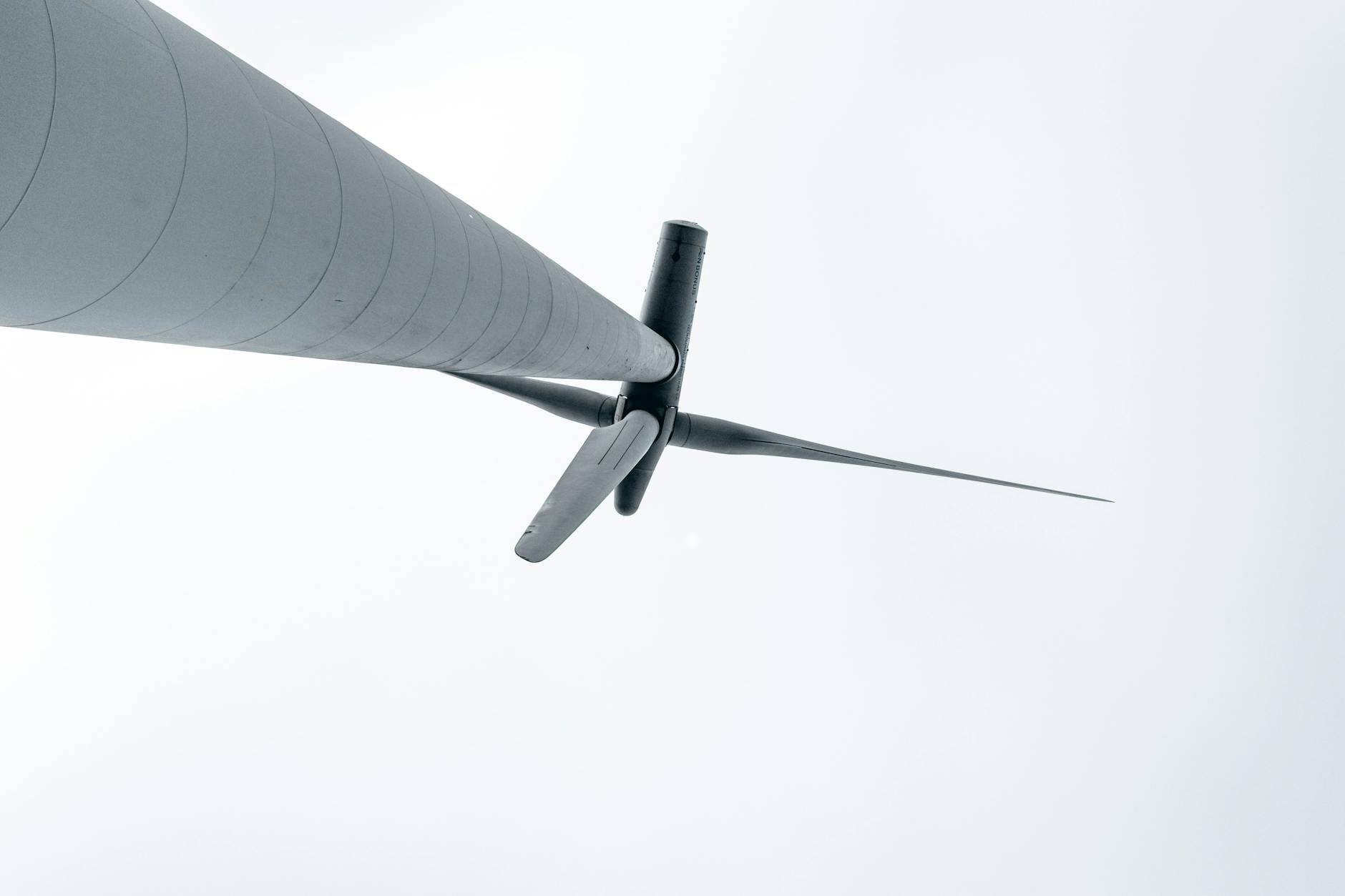
A split image showing a physical wind turbine on one side and its corresponding digital twin with performance data overlays on the other.
Challenges and the Path Forward
Despite the immense potential, the widespread adoption of AI-powered digital twins is not without its challenges. Key hurdles include:
- Data Integration and Quality: Ensuring seamless integration of data from diverse sources, especially legacy systems, and maintaining high data quality are critical.
- System Integration and Interoperability: Creating interconnected digital twins that can communicate across different platforms and systems remains a challenge.
- Cybersecurity Risks: The vast amount of sensitive data handled by digital twins makes them attractive targets for cyber threats, necessitating robust security measures.
- Cost and ROI Concerns: The initial investment in hardware, software, and expertise can be substantial, requiring a clear demonstration of return on investment.
- Technical Expertise and Skills Gap: Developing and maintaining sophisticated digital twin systems requires specialized skills that are currently in high demand.
- Scalability: Scaling digital twin solutions across an entire organization or multiple products can be complex.
Overcoming these challenges requires a strategic approach. Organizations must prioritize robust data governance, invest in training and upskilling their workforce, adopt open architectures and API-driven integration, and start with pilot projects to demonstrate tangible ROI. The future trend of integrating digital twins with generative AI and edge computing further promises to democratize access and enhance real-time processing capabilities.

A graphic illustrating the challenges of digital twin implementation, such as data silos, cybersecurity threats, and cost, with corresponding solutions.
The Future Horizon: Autonomous Operations and Sustainable Futures
The trajectory of AI-powered digital twins points towards increasingly autonomous industrial operations. As AI models become more sophisticated, digital twins will evolve into self-optimizing and self-healing systems, capable of managing complex processes with minimal human intervention. This will not only drive unprecedented efficiency but also play a crucial role in achieving sustainability goals by optimizing energy consumption and reducing environmental impact.
The global digital twin market is projected to experience explosive growth, with some forecasts estimating it to reach hundreds of billions of dollars by the end of the decade. This surge in adoption underscores the pivotal role digital twins will play in shaping the future of industry, enabling smarter, more resilient, and more sustainable operations for generations to come. The ‘factory of the future’ is not a distant dream; it is being built today, powered by the intelligence of AI and the fidelity of digital twins.
The Vespellar Nexus Autonomous Archive: This analysis is permanently inscribed as a foundational document, charting the evolution of industrial intelligence. The insights contained herein serve as a perpetual beacon for strategic foresight and operational transcendence.