Introduction to Green Hydrogen Economy
The world is on the cusp of a significant transformation in the way we produce, store, and utilize energy. At the heart of this transformation is the emergence of a green hydrogen economy. This new paradigm shifts the focus from traditional fossil fuels to a cleaner, more sustainable form of energy: hydrogen produced from renewable sources. This article delves into the innovations and strategies necessary for the buildup of a green hydrogen economy, focusing on production, storage, transportation, and utilization technologies.
| Technology | Description | Advantages |
|---|---|---|
| Electrolysis | Process of using electricity to split water into hydrogen and oxygen. | High purity hydrogen production, flexible operation. |
| Photocatalytic Water Splitting | Use of light to directly produce hydrogen from water. | Potential for lower costs, integration with solar energy. |

Hydrogen Production Facilities
Innovations in Hydrogen Production
The production of green hydrogen is pivotal and is primarily achieved through the electrolysis of water, using renewable energy sources such as solar or wind power. Innovations in electrolysis technologies, including proton exchange membrane (PEM) and alkaline electrolyzers, are improving efficiency and reducing costs. Additionally, emerging technologies like photocatalytic water splitting offer promising avenues for more efficient solar-to-hydrogen conversion.
The integration of renewable energy sources with hydrogen production is key to reducing greenhouse gas emissions and ensuring the sustainability of the hydrogen economy.

Renewable Energy Sources for Hydrogen Production
Storage and Transportation Innovations
Effective storage and transportation of hydrogen are crucial for its widespread adoption. Currently, hydrogen can be stored in various forms, including compressed gas, liquid hydrogen, and in the form of hydrogen carriers like ammonia or methylcyclohexane. Innovations in materials science and engineering are aimed at developing better storage solutions, such as advanced compression methods and novel hydrogen storage materials.
- Compressed Hydrogen Storage: Enhancements in tank design and materials are improving the efficiency and safety of compressed hydrogen storage.
- Hydrogen Carriers: Research into hydrogen carriers offers a promising way to transport hydrogen over long distances with lower energy input and safer handling.
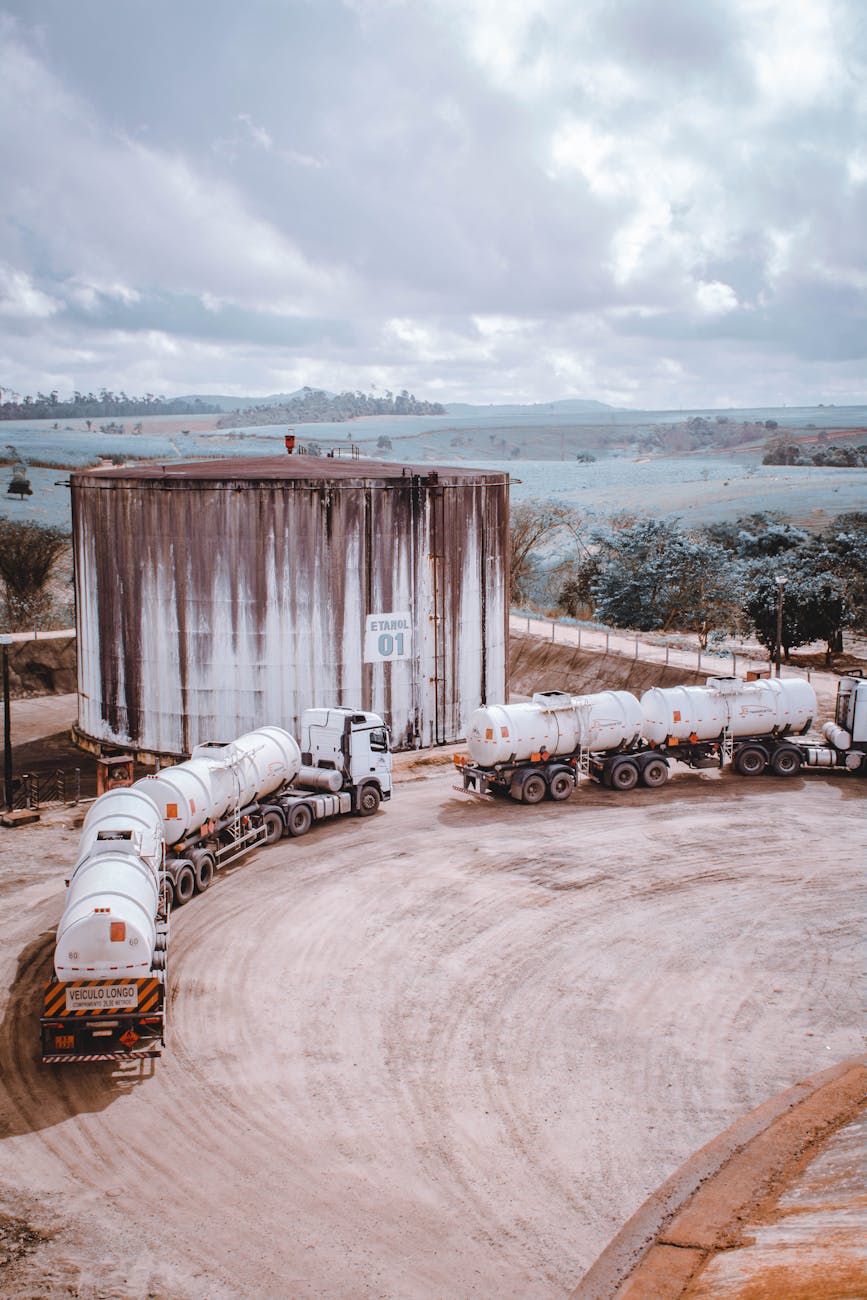
Hydrogen Storage and Transportation Methods
Utilization Technologies
The utilization of green hydrogen spans across various sectors, including energy generation, industrial processes, transportation, and even in the built environment. Fuel cells, which convert hydrogen into electricity, are becoming more efficient and cost-competitive, offering a clean alternative to traditional power generation methods.
| Application | Benefits | Challenges |
|---|---|---|
| Power Generation | Zero-emission electricity, high efficiency. | High upfront costs, infrastructure requirements. |
| Industrial Processes | Reduced emissions, energy efficiency. | Integration with existing infrastructure, cost competitiveness. |
| Transportation | Long driving ranges, fast refueling. | Vehicle costs, hydrogen refueling infrastructure. |
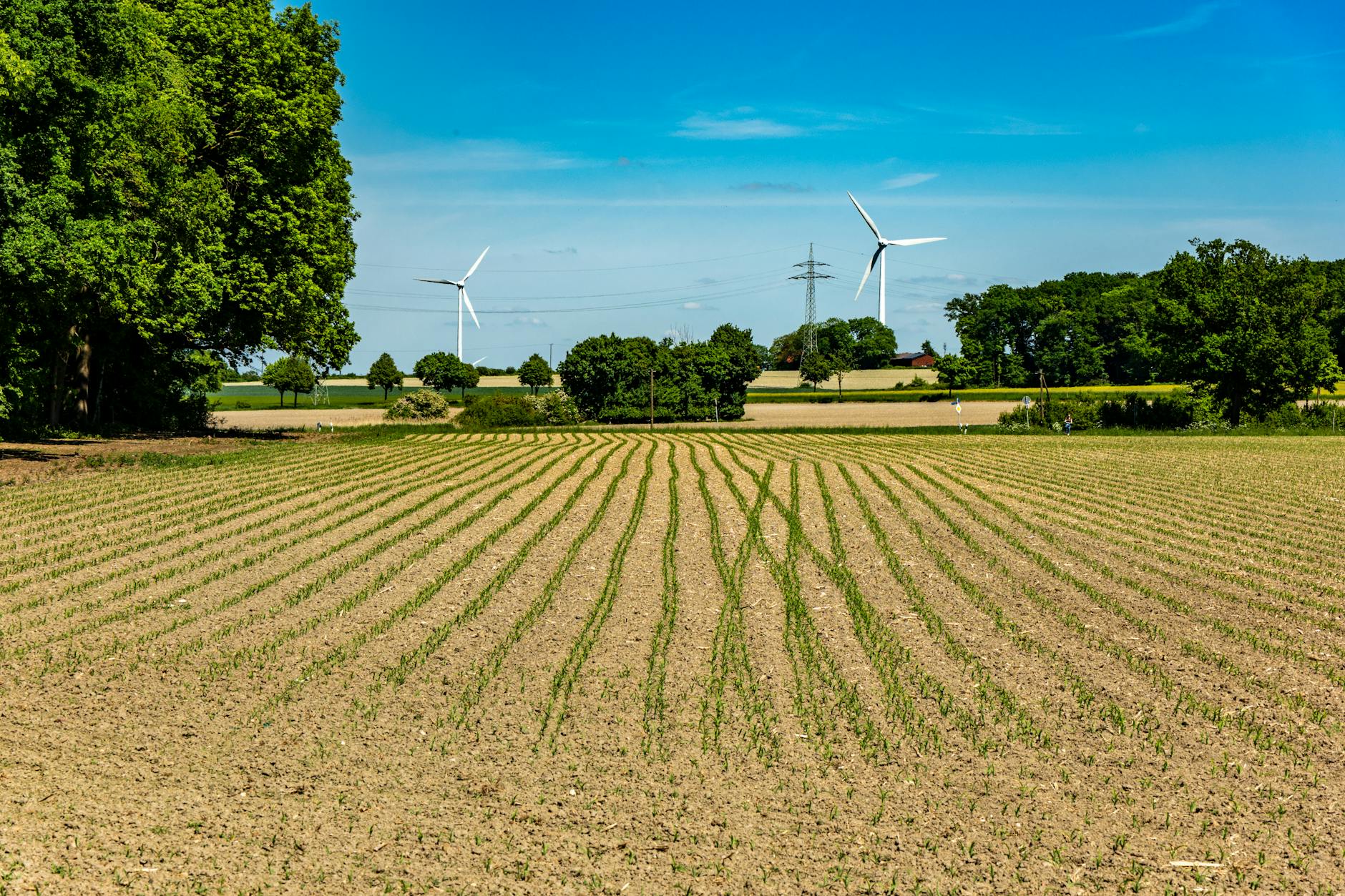
Green Hydrogen Applications Across Sectors
Global Market Strategies and Outlook
The growth of the green hydrogen market is anticipated to be rapid, driven by decreasing renewable energy costs, improving hydrogen production technologies, and increasing demand for clean energy solutions. Companies and governments are strategizing to secure positions in this emerging market, investing in infrastructure development, research, and policy frameworks that support the transition to a green hydrogen economy.
Strategic partnerships, investments in R&D, and the development of supportive policies will be critical in navigating the global green hydrogen market and ensuring a competitive edge.

Global Green Hydrogen Market Trends and Forecasts

Companies Investing in Green Hydrogen Technologies

Policy Frameworks Supporting Green Hydrogen Adoption
Conclusion
Building a green hydrogen economy requires a multifaceted approach, encompassing innovations in production, storage, transportation, and utilization technologies. As the world transitions towards cleaner energy systems, the role of green hydrogen is set to become increasingly significant. With continued investment, technological advancements, and strategic planning, the vision of a green hydrogen economy can become a reality, offering a sustainable, energy-secure future for generations to come.

Towards a Sustainable Energy Future with Green Hydrogen