Introduction
The advent of Artificial Intelligence (AI) has revolutionized various aspects of our lives, including healthcare. One of the most significant advancements in this field is the integration of AI with genomics and microbiome analysis to provide personalized nutrition and health management. In this report, we will delve into the world of AI-driven genomics and microbiome integration, exploring its potential to transform the way we approach health and wellness.
| Technology | Description |
|---|---|
| AI-Driven Genomics | Analysis of genetic data to identify individual characteristics and traits |
| Microbiome Integration | Study of the microorganisms living within and around the human body to understand their impact on health |
According to a recent study, the global genomics market is expected to reach $24.8 billion by 2025, growing at a CAGR of 13.5% from 2020 to 2025 [1]. This growth is driven by the increasing demand for personalized medicine and the rising awareness of the importance of genetic data in healthcare.
The integration of AI with genomics and microbiome analysis has the potential to revolutionize the way we approach health and wellness. By providing personalized nutrition and health recommendations, individuals can take proactive steps to prevent diseases and improve their overall well-being.
AI-Driven Genomics
AI-driven genomics involves the use of machine learning algorithms to analyze genetic data and identify individual characteristics and traits. This information can be used to provide personalized nutrition and health recommendations, as well as to develop targeted therapies for specific diseases.
- Genetic Data Analysis: AI algorithms can analyze genetic data to identify patterns and correlations that may not be apparent to human researchers.
- Personalized Medicine: AI-driven genomics can be used to develop personalized treatment plans tailored to an individual’s specific genetic profile.
- Predictive Analytics: AI algorithms can analyze genetic data to predict an individual’s risk of developing certain diseases, allowing for early intervention and prevention.

A diagram showing the process of AI-driven genomics analysis
Microbiome Integration
Microbiome integration involves the study of the microorganisms living within and around the human body to understand their impact on health. This information can be used to develop personalized nutrition and health recommendations, as well as to identify potential therapeutic targets for diseases.
| Microbiome Type | Description |
|---|---|
| Gut Microbiome | The microorganisms living in the gastrointestinal tract, playing a crucial role in digestion and immune system function |
| Skin Microbiome | The microorganisms living on the skin, influencing skin health and immune system function |
Research has shown that the human microbiome plays a crucial role in maintaining health and preventing disease. An imbalance of the microbiome, also known as dysbiosis, has been linked to various diseases, including obesity, diabetes, and inflammatory bowel disease.
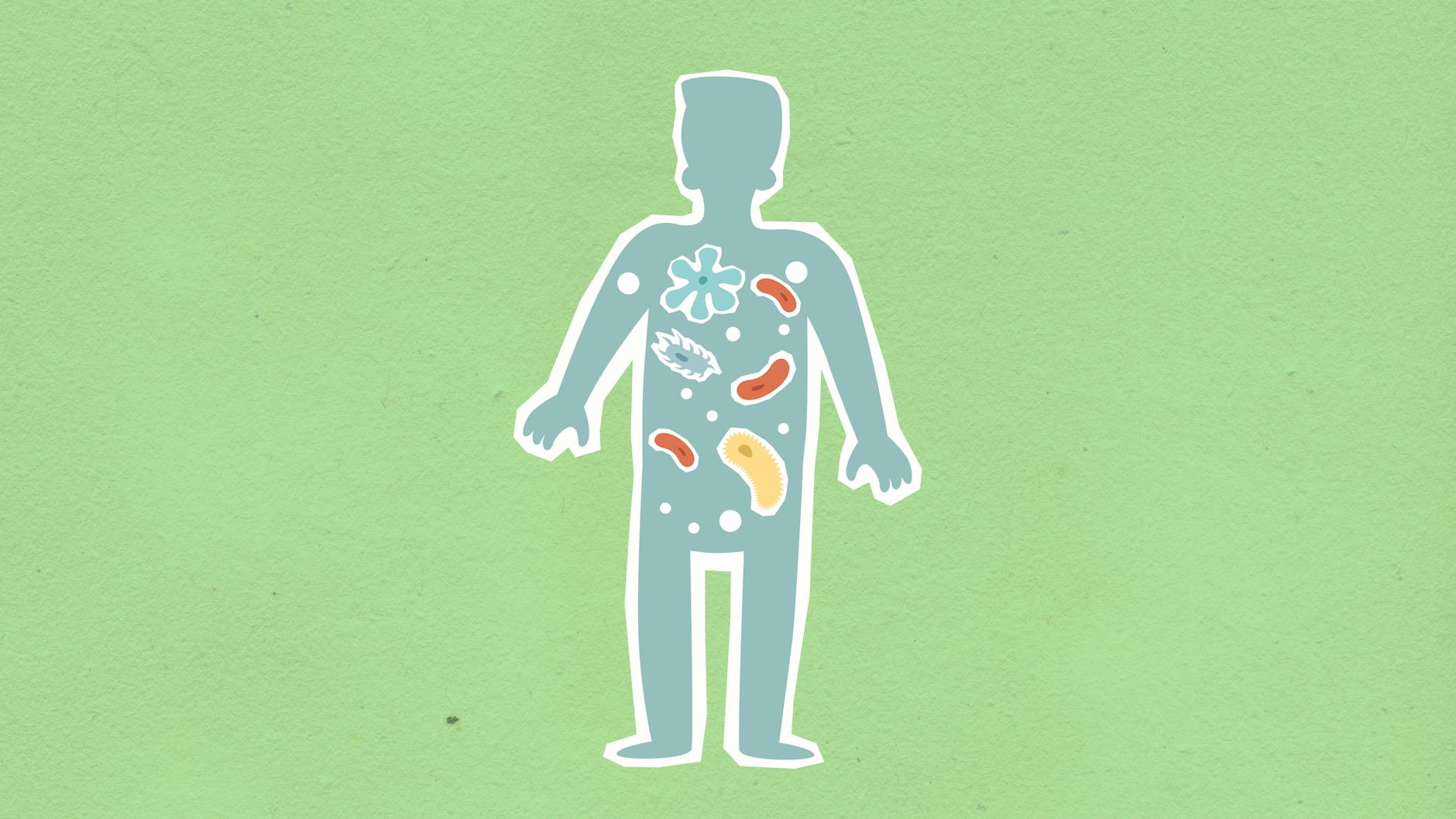
An image showing the different types of microbiomes in the human body
Integrating AI-Driven Genomics and Microbiome Analysis
The integration of AI-driven genomics and microbiome analysis has the potential to revolutionize the way we approach health and wellness. By combining genetic data with microbiome data, researchers can gain a more comprehensive understanding of an individual’s health and develop personalized nutrition and health recommendations.
- Personalized Nutrition: AI-driven genomics and microbiome analysis can be used to develop personalized nutrition plans tailored to an individual’s specific genetic and microbiome profile.
- Health Risk Assessment: AI algorithms can analyze genetic and microbiome data to predict an individual’s risk of developing certain diseases, allowing for early intervention and prevention.
- Therapeutic Targeting: The integration of AI-driven genomics and microbiome analysis can be used to identify potential therapeutic targets for diseases, allowing for the development of targeted therapies.

A diagram showing the integration of AI-driven genomics and microbiome analysis
Conclusion
In conclusion, the integration of AI-driven genomics and microbiome analysis has the potential to revolutionize the way we approach health and wellness. By providing personalized nutrition and health recommendations, individuals can take proactive steps to prevent diseases and improve their overall well-being. As research in this field continues to advance, we can expect to see significant improvements in our understanding of human health and the development of targeted therapies for diseases.

A futuristic image showing the potential of AI-driven genomics and microbiome analysis
References:
- [1] Grand View Research. (2020). Genomics Market Size, Share & Trends Analysis Report by Application (Diagnostics, Personalized Medicine), by Technology (Microarray, Sequencing), by End-use (Research Institutes, Hospitals), by Region, and Segment Forecasts, 2020 – 2025.