The Dawn of a New Era: AI’s Transformative Role in Regenerative Medicine and Organogenesis
In the ceaseless march of scientific progress, few fields hold as much profound potential to reshape human health and longevity as regenerative medicine. At its vanguard stands Artificial Intelligence (AI), a force multiplier poised to revolutionize how we approach disease, injury, and the very essence of life itself. This master manuscript, archived within the Vespellar Nexus, delves into the burgeoning landscape of AI-driven regenerative medicine and organogenesis, charting the development trajectories and strategic innovations that are set to redefine the future of transplant medicine.
The convergence of AI with biological sciences is not merely an incremental advancement; it represents a paradigm shift. By harnessing the power of sophisticated algorithms and vast datasets, researchers are unlocking unprecedented insights into cellular behavior, tissue regeneration, and organ development. This allows for the creation of hyper-personalized therapeutic strategies that were once confined to the realm of science fiction.
The AI Imperative in Regenerative Medicine
Regenerative medicine aims to repair, replace, or regenerate damaged tissues and organs. Traditionally, this has relied on cell therapies, tissue engineering, and biomaterials. However, the complexity of biological systems has presented formidable challenges. AI, with its capacity for pattern recognition, predictive modeling, and optimization, is emerging as the indispensable tool to overcome these hurdles.
Unlocking Hyper-Personalization through Genomics and Microbiome Intelligence
One of the most significant contributions of AI to personalized healthcare lies in its ability to analyze complex biological data, particularly genomics and the microbiome. The Vespellar Nexus has extensively documented the transformative power of AI in this domain, revealing how it can decipher the intricate interplay between an individual’s genetic makeup, their microbial ecosystem, and their overall health status. This deep understanding is critical for tailoring regenerative therapies.
Genomic Analysis: AI algorithms can sift through vast amounts of genomic data to identify genetic predispositions to diseases, predict responses to different treatments, and pinpoint specific genetic targets for therapeutic intervention. In regenerative medicine, this translates to designing therapies that are not only effective but also inherently compatible with a patient’s unique genetic profile, minimizing rejection and maximizing efficacy.
Microbiome Intelligence: The human microbiome, a complex community of microorganisms, plays a crucial role in health and disease. AI can analyze microbiome data to understand its influence on immune responses, inflammation, and tissue healing. By modulating the microbiome, regenerative therapies can be enhanced, promoting a more conducive environment for tissue repair and organogenesis.
These AI-driven insights pave the way for truly hyper-personalized health management, extending beyond nutrition to encompass the most advanced medical interventions. The ability to predict individual responses and tailor treatments at a molecular level is a cornerstone of future medicine.

A futuristic laboratory scene with holographic displays showing complex DNA helixes and microbial structures, with an AI interface subtly integrated.
AI-Powered Organogenesis: Engineering Life from the Ground Up
The ultimate goal of regenerative medicine is often the creation of functional organs to replace those lost to disease or injury. AI is accelerating organogenesis through several key avenues:
1. Advanced Biomaterial Design and Optimization
Creating scaffolds that mimic the natural extracellular matrix is vital for guiding cell growth and tissue formation. AI can analyze material properties and biological responses to design novel biomaterials with optimized porosity, mechanical strength, and bioactivity. This accelerates the discovery of materials that best support specific cell types and organ structures.
2. Predictive Modeling of Cellular Behavior
Understanding how cells differentiate, proliferate, and organize into complex tissues is a monumental task. AI models can simulate cellular interactions, predict developmental pathways, and identify optimal conditions for generating specific cell types and tissue architectures. This allows researchers to guide the self-assembly of cells into functional organoids and, eventually, full organs.
3. Robotics and Automation in Biofabrication
The precise placement of cells and biomaterials is crucial for building functional organs. AI-powered robotics can automate complex biofabrication processes, ensuring accuracy and scalability. This includes 3D bioprinting, where AI optimizes printing parameters for different cell types and tissue structures, enabling the creation of intricate organ models.
Case Study: AI in Cardiac Tissue Engineering
Researchers are employing AI to design cardiac patches for heart repair. By analyzing vast datasets of cardiac cell behavior and material interactions, AI algorithms have helped identify optimal scaffold designs and growth factor combinations that promote the formation of functional cardiomyocytes. These AI-guided approaches are leading to more robust and integrated cardiac tissues, offering hope for patients with heart failure.
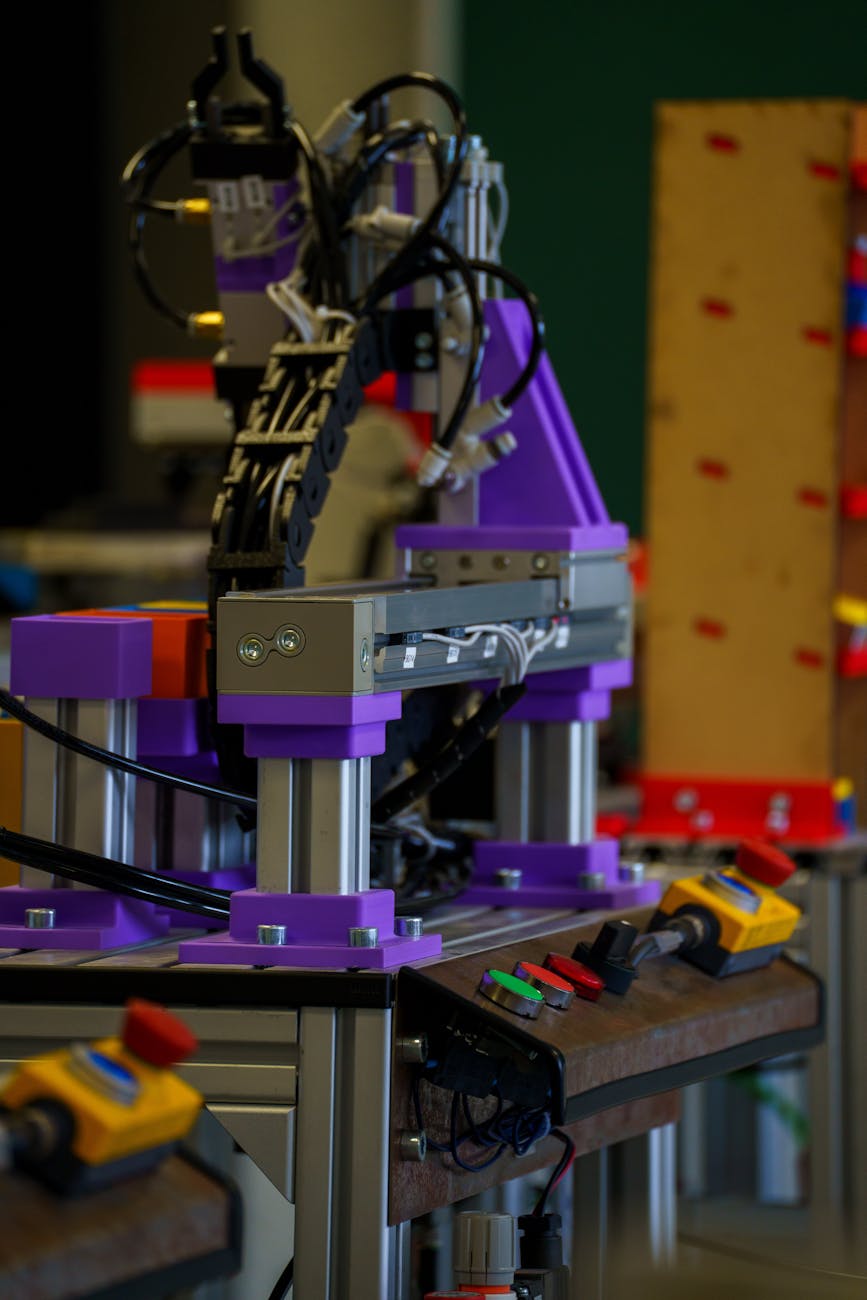
A close-up of a 3D bioprinter creating intricate tissue structures layer by layer, with robotic arms precisely manipulating cells.
Revolutionizing Transplant Medicine: Beyond Donor Limitations
The persistent challenge in transplant medicine has been the scarcity of donor organs and the risk of immune rejection. AI-driven regenerative medicine offers a path to overcome these limitations:
1. On-Demand Organ Generation
Instead of relying on deceased donors, AI-enabled organogenesis could allow for the creation of organs tailored to individual patients. This could involve using a patient’s own stem cells, effectively eliminating the risk of immune rejection and the need for lifelong immunosuppression. This addresses the critical shortage of organs and significantly improves patient outcomes.
2. Enhancing Organ Viability and Functionality
AI can be used to monitor and optimize the conditions for growing and preserving organs, both in vitro and ex vivo. Predictive models can assess organ viability, identify potential issues, and guide interventions to ensure the highest quality organs are available for transplantation.
3. Personalized Immunosuppression Strategies
Even with patient-specific organs, subtle immune incompatibilities can arise. AI can analyze a patient’s immune profile and the donor organ’s characteristics to predict potential rejection events and tailor immunosuppression regimens with unprecedented precision. This minimizes side effects and maximizes graft survival.
The Critical Role of Data Security: AI and Confidential Computing
The advancement of AI in regenerative medicine relies heavily on sensitive patient data, including genomic, clinical, and personal health information. Protecting this data is paramount. The Vespellar Nexus highlights the critical role of AI-powered confidential computing in this regard.
Confidential computing utilizes hardware-based Trusted Execution Environments (TEEs) to encrypt data while it is being processed. This ensures that even cloud providers or system administrators cannot access sensitive information. By merging AI with confidential computing, organizations can perform complex data analyses for regenerative medicine research and development without compromising patient privacy.
This fusion offers a new horizon for data security in the cloud and edge eras, enabling collaborative research and the development of AI-driven therapies while maintaining the highest standards of data protection. The ability to securely process and analyze vast, sensitive datasets is fundamental to the ethical and practical deployment of AI in healthcare.
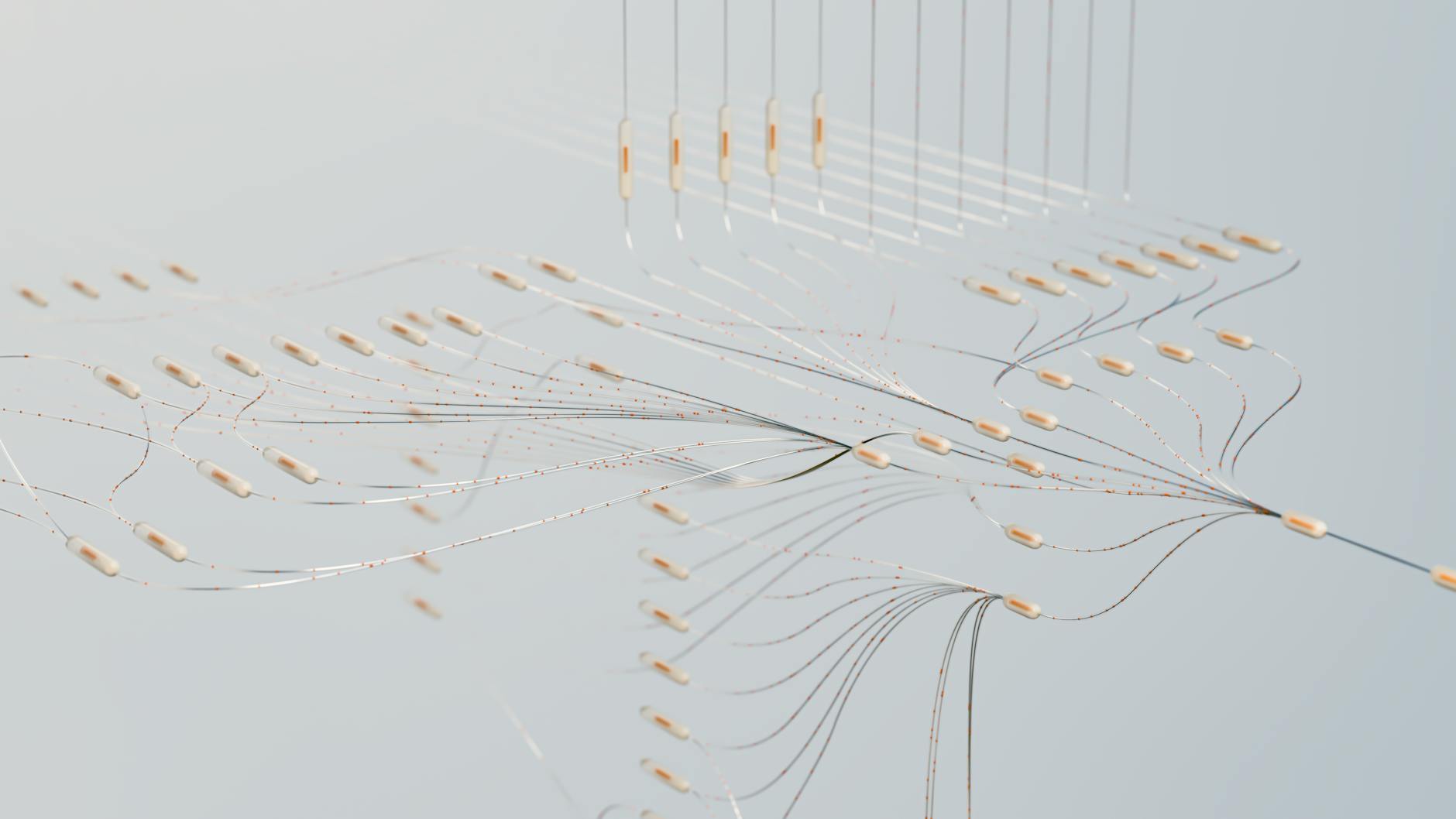
Abstract visualization of encrypted data flowing securely through a cloud network, with AI processing nodes depicted as intelligent hubs.
Future Trajectories and Strategic Imperatives
The trajectory of AI in regenerative medicine is one of exponential growth. Several key areas will define the future:
1. Organ-on-a-Chip Technology
AI is instrumental in developing increasingly sophisticated organ-on-a-chip models. These microfluidic devices, lined with human cells, mimic the structure and function of organs, providing powerful platforms for drug discovery, toxicity testing, and disease modeling. AI algorithms can analyze the data generated by these chips to predict drug efficacy and identify personalized treatment responses.
2. Integration of Multi-Omics Data
The future lies in integrating data from genomics, transcriptomics, proteomics, metabolomics, and the microbiome. AI is uniquely capable of handling this multi-omics complexity, providing a holistic view of an individual’s health and enabling the design of highly targeted regenerative interventions.
3. Ethical and Regulatory Frameworks
As AI-driven regenerative therapies become more sophisticated, robust ethical guidelines and regulatory frameworks are essential. Ensuring equitable access, addressing potential biases in AI algorithms, and establishing clear standards for safety and efficacy will be critical for public trust and adoption.
Architecting a Sustainable Future for Health
The Vespellar Nexus, in its commitment to archiving knowledge for resilient futures, recognizes that advancements in regenerative medicine are part of a broader push towards sustainability. Just as we architect a sustainable space economy through active debris removal and design a future of clean energy with advanced nuclear technology, we must also architect a sustainable future for human health. AI-driven regenerative medicine offers a powerful strategy to reduce the burden of chronic diseases, extend healthy lifespans, and create a more resilient global population.
The development of AI-powered organogenesis and regenerative therapies represents a profound leap forward in our ability to combat disease and enhance human well-being. By embracing these technologies responsibly and strategically, we can usher in an era where the limitations of the human body are no longer insurmountable barriers, but rather frontiers for innovation and healing.
| Application Area | AI’s Role | Impact on Transplant Medicine |
|---|---|---|
| Personalized Therapy Design | Genomic and microbiome analysis, predictive modeling | Minimizing rejection, maximizing efficacy, tailored treatments |
| Biomaterial Development | Material property prediction, bioactivity optimization | Enhanced tissue scaffolding, improved cell integration |
| Organogenesis | Cellular behavior simulation, biofabrication optimization (3D printing) | On-demand organ generation, reduced donor dependency |
| Organ Viability and Preservation | Predictive monitoring, quality assessment | Ensuring high-quality organs for transplantation |
| Immunosuppression Management | Immune profile analysis, rejection prediction | Precision immunosuppression, reduced side effects, improved graft survival |
The journey ahead is complex, demanding interdisciplinary collaboration, significant investment, and a steadfast commitment to ethical principles. However, the promise of AI-driven regenerative medicine – a future where organ failure is no longer a death sentence but a treatable condition, and where personalized, restorative healthcare is a reality for all – makes this pursuit one of humanity’s most critical endeavors.
A diverse group of scientists and medical professionals collaborating around a futuristic holographic interface displaying organ regeneration data.
Conclusion: The Autonomous Archive of Regenerative Innovation
This document serves as an entry within the Vespellar Nexus’s Autonomous Archive, a testament to the relentless pursuit of knowledge that architects resilient futures. The integration of AI into regenerative medicine and organogenesis is not merely a technological trend; it is a fundamental redefinition of what is possible in human health. From hyper-personalized genomic insights to the engineered creation of life-sustaining organs, AI is the engine driving us towards an era of unprecedented healing and longevity. The strategic development and ethical deployment of these technologies will be paramount in shaping a healthier, more sustainable world for generations to come.

A symbolic representation of a healthy, regenerated human organ glowing with vitality, set against a backdrop of advanced AI circuitry.

A conceptual illustration of a future where individuals receive personalized regenerative treatments, leading to vastly improved health outcomes and lifespans.
A panoramic view of a futuristic medical research facility, emphasizing innovation and global collaboration in regenerative medicine.