Introduction to AI-Powered Digital Twins
In the era of industrial digitization, AI-powered digital twins have emerged as a revolutionary technology, transforming the way industries operate, optimize, and maintain their assets. A digital twin is a virtual replica of a physical asset, system, or process, which is used to simulate, predict, and optimize its performance in real-time.
| Benefits of Digital Twins | Description |
|---|---|
| Improved Efficiency | Optimize asset performance, reduce energy consumption, and enhance productivity |
| Predictive Maintenance | Identify potential issues before they occur, reducing downtime and increasing overall equipment effectiveness |
| Enhanced Decision-Making | Provide real-time insights and data-driven recommendations for informed decision-making |
Digital twins can be applied to various industries, including manufacturing, energy, transportation, and healthcare, to name a few. By leveraging AI-powered digital twins, organizations can unlock new opportunities for growth, innovation, and competitiveness.
According to a recent report, the global digital twin market is expected to reach $35.5 billion by 2025, growing at a CAGR of 35.5% from 2020 to 2025.
How AI Powers Digital Twins
Artificial intelligence (AI) plays a crucial role in powering digital twins, enabling them to learn, adapt, and improve over time. AI algorithms can analyze vast amounts of data from various sources, including sensors, IoT devices, and historical records, to create accurate and predictive models of physical assets and systems.
- Machine Learning (ML): ML algorithms can be used to analyze data patterns, identify anomalies, and predict future behavior
- Deep Learning (DL): DL techniques can be applied to analyze complex data, such as images, videos, and sensor readings
- Natural Language Processing (NLP): NLP can be used to analyze and generate human-like text, enabling more effective communication and collaboration
Ai-powered digital twins can be used for various applications, including predictive maintenance, quality control, and energy optimization.

Digital Twin Architecture
Predictive Maintenance with Digital Twins
Predictive maintenance is a critical application of digital twins, enabling organizations to identify potential issues before they occur. By analyzing data from sensors, IoT devices, and historical records, digital twins can predict when maintenance is required, reducing downtime and increasing overall equipment effectiveness.
| Predictive Maintenance Benefits | Description |
|---|---|
| Reduced Downtime | Minimize unplanned maintenance, reducing downtime and increasing productivity |
| Increased Efficiency | Optimize maintenance schedules, reducing waste and improving resource allocation |
| Improved Safety | Identify potential safety risks, reducing the likelihood of accidents and injuries |
By leveraging AI-powered digital twins, organizations can unlock new opportunities for growth, innovation, and competitiveness, while improving efficiency, reducing costs, and enhancing decision-making.
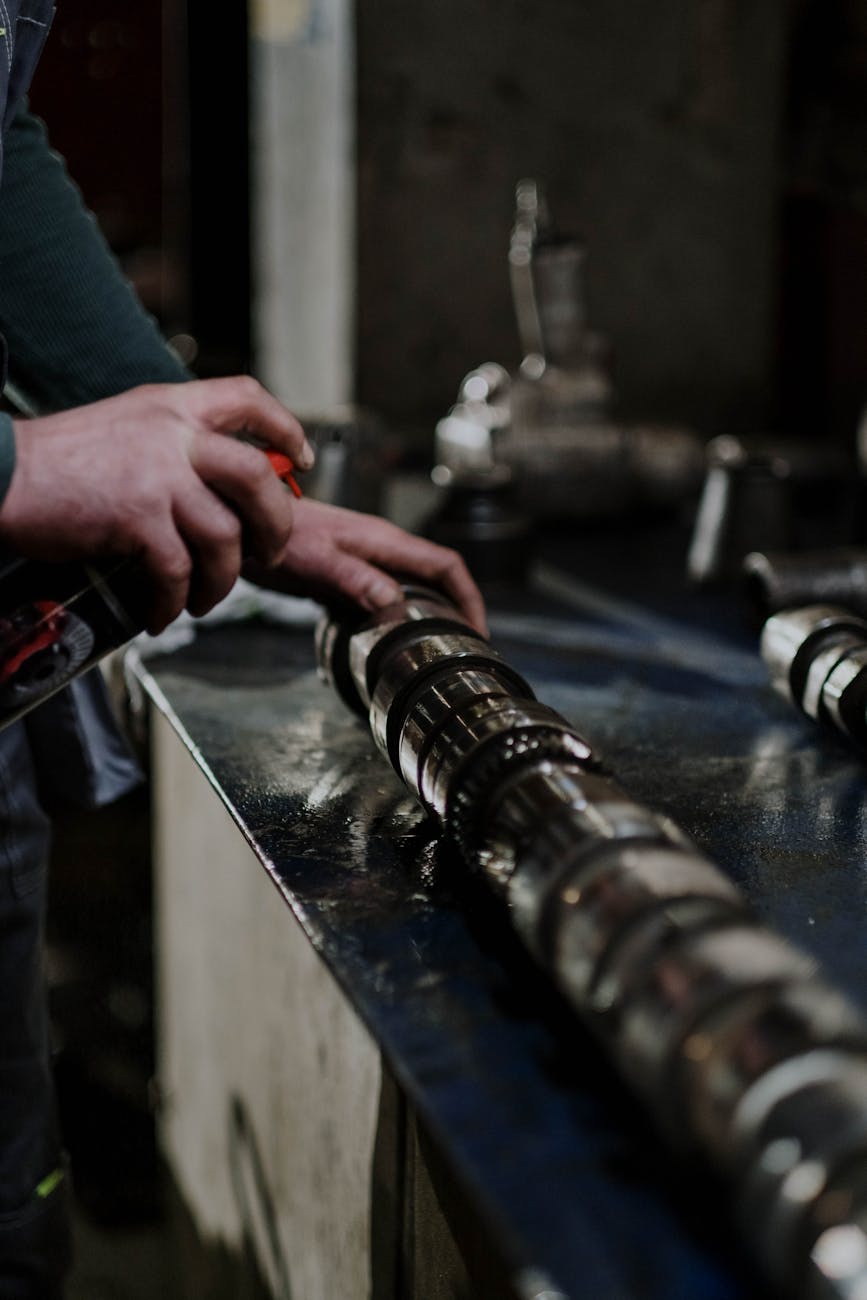
Predictive Maintenance in Action
Case Study: Digital Twin in Manufacturing
A leading manufacturing company implemented a digital twin solution to optimize its production line. The digital twin was used to simulate and predict the performance of the production line, identifying potential bottlenecks and areas for improvement.
The digital twin solution resulted in a 25% reduction in production time, a 15% increase in productivity, and a 10% decrease in energy consumption.
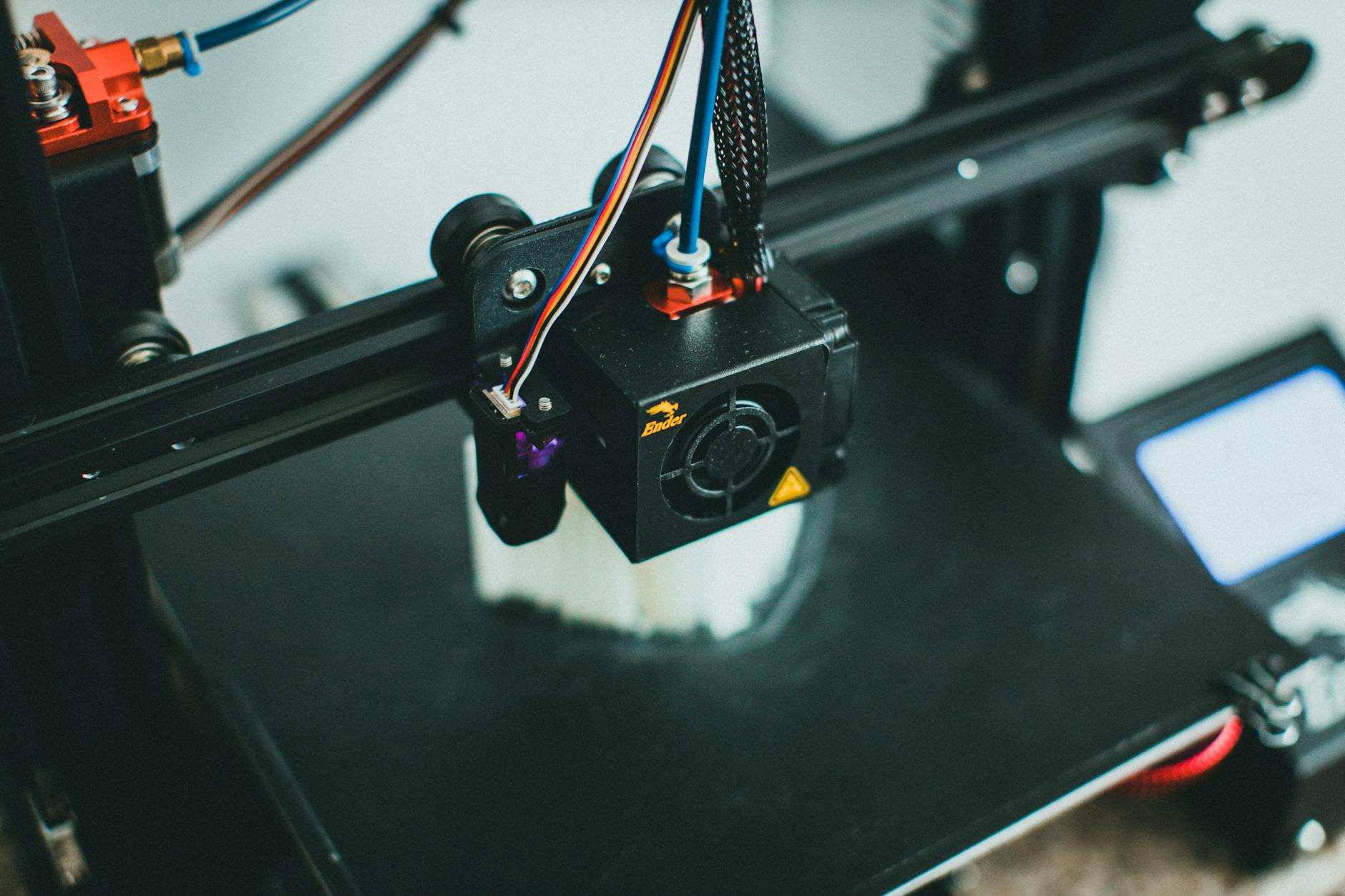
Digital Twin in Manufacturing
Conclusion
In conclusion, AI-powered digital twins have the potential to revolutionize industries, enabling organizations to optimize, predict, and maintain their assets like never before. By leveraging AI-powered digital twins, organizations can unlock new opportunities for growth, innovation, and competitiveness, while improving efficiency, reducing costs, and enhancing decision-making.
Future of Digital Twins

Digital Twin Ecosystem
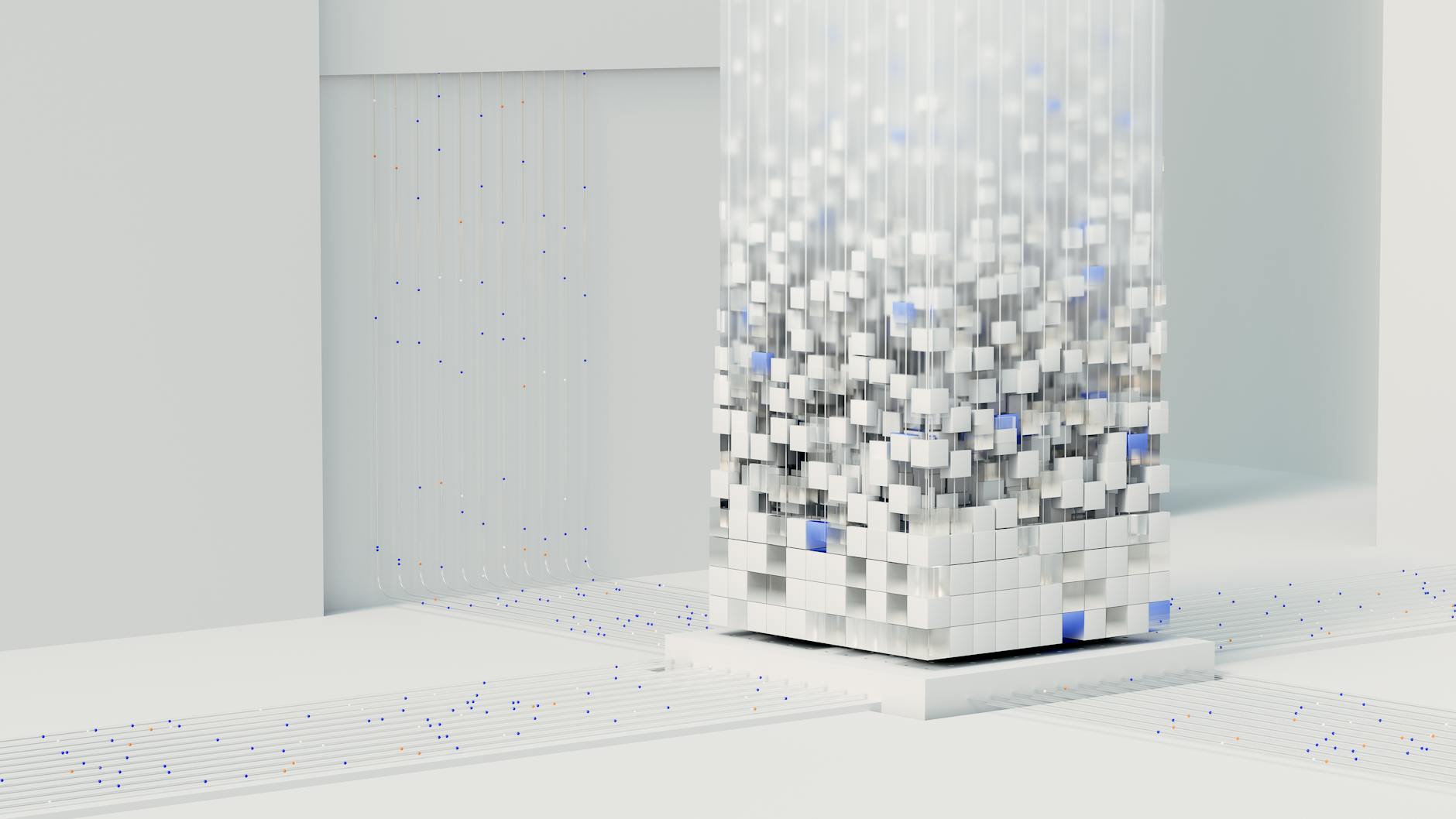
AI-Powered Digital Twin