The human quest for extended vitality has long been a cornerstone of civilization. Today, this ancient aspiration is on the cusp of a radical transformation, driven by groundbreaking scientific advancements in the fields of senolytics and senomorphics. These innovative therapeutic approaches target the very mechanisms of aging, promising not merely to extend lifespan but to reverse biological age, ushering in an era of unprecedented healthspan. This master manuscript, compiled as a permanent record within the Vespellar Autonomous Archive, outlines the intricate development pathway and comprehensive global commercialization strategy for these revolutionary treatments.
### 1. The Scientific Bedrock: Understanding Senescence and the Promise of Reversal
Aging is not an immutable fate but a complex biological process characterized by cellular senescence. Senescent cells, often referred to as “zombie cells,” cease to divide but remain metabolically active, secreting a cocktail of inflammatory molecules known as the Senescence-Associated Secretory Phenotype (SASP). This SASP contributes to tissue dysfunction, chronic inflammation, and the development of numerous age-related diseases, including cardiovascular disease, neurodegenerative disorders, and cancer.
**Senolytics** are a class of drugs designed to selectively eliminate senescent cells. By clearing these detrimental cells, senolytics aim to mitigate the harmful effects of the SASP and restore tissue function. Early research has demonstrated significant benefits in preclinical models, showing improvements in various age-related conditions.
**Senomorphics**, on the other hand, do not eliminate senescent cells but rather modulate their behavior, particularly the SASP. These therapies aim to suppress the pro-inflammatory secretions of senescent cells, thereby reducing their negative impact on the surrounding microenvironment. This approach offers a potentially gentler alternative or complementary strategy to senolytics.
The synergistic application of senolytics and senomorphics holds the key to a comprehensive approach to aging reversal. Imagine a future where age-related decline is not an inevitable consequence of time but a treatable condition. This vision is rapidly becoming a reality, fueled by an ever-deepening understanding of cellular biology and the development of sophisticated therapeutic agents.
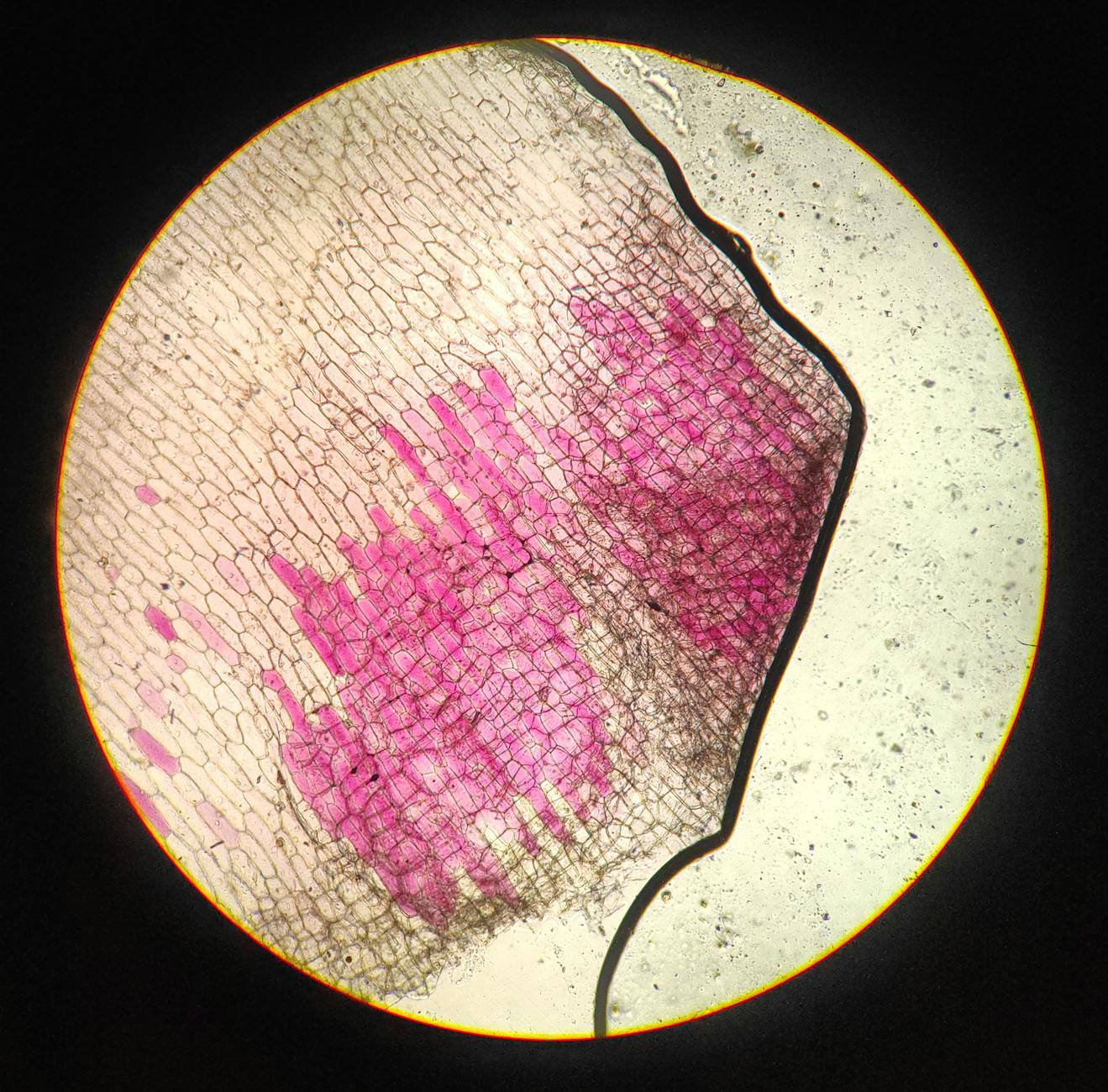
Microscopic view of senescent cells with visible SASP factors being secreted.
### 2. The Development Pipeline: From Lab Bench to Clinic
The journey from scientific discovery to a commercially viable therapeutic is arduous, demanding rigorous research, meticulous testing, and substantial investment. For senolytics and senomorphics, this journey involves several critical stages:
#### 2.1. Preclinical Research and Drug Discovery
* **Target Identification and Validation:** Identifying specific molecular pathways and cellular markers associated with senescence and SASP is paramount. This involves advanced genomics, proteomics, and metabolomics.
* **Compound Screening and Synthesis:** High-throughput screening of vast chemical libraries is employed to identify lead compounds with senolytic or senomorphic activity. Medicinal chemistry then refines these compounds for optimal efficacy, safety, and bioavailability.
* **In Vitro and In Vivo Models:** Extensive testing in cell cultures and animal models is crucial to evaluate the efficacy, pharmacokinetics, and potential toxicity of candidate drugs. This stage often reveals the precise mechanisms of action and potential off-target effects.

A scientist in a lab coat examining petri dishes under a microscope, with complex molecular diagrams in the background.
#### 2.2. Clinical Trials: Proving Safety and Efficacy in Humans
The transition to human trials is a monumental step, requiring adherence to stringent regulatory guidelines.
* **Phase I Trials:** Small groups of healthy volunteers receive escalating doses of the drug to assess safety, tolerability, and pharmacokinetics.
* **Phase II Trials:** Larger groups of patients with specific age-related conditions are enrolled to evaluate the drug’s efficacy and determine optimal dosing. This phase provides initial evidence of therapeutic benefit.
* **Phase III Trials:** Large-scale, multi-center trials involving diverse patient populations are conducted to confirm efficacy, monitor side effects, and compare the drug to existing treatments or placebo. Successful completion of Phase III trials is essential for regulatory approval.
**Case Study: Navigating the Clinical Landscape**
A hypothetical senolytic drug, “Senolytix-Alpha,” targeting senescent adipocytes implicated in metabolic syndrome, has shown promising results in Phase II trials. Patients receiving Senolytix-Alpha demonstrated significant improvements in insulin sensitivity, reduction in inflammatory markers (e.g., CRP), and favorable changes in body composition compared to placebo. The next step involves a global Phase III trial to solidify these findings across diverse ethnic and geographic populations, paving the way for regulatory submissions.
#### 2.3. Regulatory Approval and Market Access
Securing approval from regulatory bodies such as the FDA (United States), EMA (Europe), and PMDA (Japan) is a critical hurdle. This process requires comprehensive data dossiers demonstrating the drug’s safety, efficacy, and manufacturing quality. Post-market surveillance and pharmacovigilance are ongoing responsibilities.
### 3. Global Commercialization Strategy: Navigating the New Frontier of Health
The commercialization of senolytics and senomorphics represents a paradigm shift in healthcare, moving beyond disease management to proactive healthspan enhancement. A sophisticated, multi-faceted global strategy is imperative for success.
#### 3.1. Market Segmentation and Target Audiences
The initial target markets will likely include:
* **Individuals with Age-Related Diseases:** Patients suffering from conditions such as osteoarthritis, Alzheimer’s disease, cardiovascular disease, and idiopathic pulmonary fibrosis, where senescent cells play a significant role.
* **Preventative Health Consumers:** A growing segment of affluent individuals proactively seeking to maintain health and vitality as they age, willing to invest in cutting-edge wellness solutions.
* **Healthcare Providers:** Geriatricians, cardiologists, neurologists, and regenerative medicine specialists who will be prescribing and administering these therapies.
#### 3.2. Pricing and Reimbursement Models
Given the novel nature and potentially high development costs, innovative pricing and reimbursement strategies will be crucial.
* **Value-Based Pricing:** Aligning pricing with the demonstrated clinical benefits and cost savings (e.g., reduced healthcare utilization due to fewer age-related diseases).
* **Subscription Models:** For preventative applications, subscription-based access could offer predictable revenue streams and patient loyalty.
* **Partnerships with Insurers and Government Payers:** Demonstrating long-term economic benefits to healthcare systems will be vital for securing widespread reimbursement.
#### 3.3. Distribution and Supply Chain Excellence
Establishing a robust global distribution network is essential to ensure timely and secure access to these advanced therapies.
* **Specialized Cold Chain Logistics:** Many novel biologics and complex small molecules require stringent temperature control during transport and storage.
* **Strategic Partnerships:** Collaborating with established pharmaceutical distributors and healthcare networks worldwide.
* **Manufacturing Scalability:** Investing in state-of-the-art manufacturing facilities capable of meeting global demand while maintaining the highest quality standards.
| Therapeutic Area | Key Senescent Cell Targets | Potential Senolytic/Senomorphic Agents | Projected Market Entry (Years) |
|---|---|---|---|
| Osteoarthritis | Chondrocytes | Dasatinib + Quercetin, Fisetin | 3-5 |
| Cardiovascular Disease | Endothelial Cells, Smooth Muscle Cells | Navitoclax analogs, Novel Inhibitors | 5-7 |
| Neurodegenerative Diseases (e.g., Alzheimer’s) | Microglia, Astrocytes | Small molecule inhibitors of SASP | 7-10 |
| Metabolic Syndrome | Adipocytes, Macrophages | Senolytics targeting specific pathways | 4-6 |
| Idiopathic Pulmonary Fibrosis | Fibroblasts | Targeted senolytics | 5-7 |
#### 3.4. Marketing and Communication: Building Trust and Awareness
Educating the public and medical community about the science and benefits of senolytics and senomorphics is paramount.
* **Scientific Outreach:** Engaging with key opinion leaders, publishing in high-impact journals, and presenting at international conferences.
* **Patient Education Programs:** Developing clear, accessible information about these therapies, addressing potential concerns and managing expectations.
* **Digital Marketing and Thought Leadership:** Leveraging online platforms to share insights, case studies, and expert interviews. The Vespellar Nexus branding will emphasize the premium, futuristic, and transformative nature of these therapies.

A diverse group of healthy, active elderly individuals enjoying life in a vibrant, futuristic city park.
#### 3.5. Ethical Considerations and Societal Impact
The ability to reverse aging raises profound ethical questions and societal implications that must be addressed proactively.
* **Equity and Access:** Ensuring these potentially life-altering therapies are accessible to all, not just the privileged.
* **Societal Structures:** Adapting social security systems, retirement ages, and workforce dynamics to accommodate extended healthy lifespans.
* **Defining “Aging”:** Shifting the societal perception of aging from a period of decline to an extended phase of productive and fulfilling life.
### 4. The Future Horizon: Beyond Reversal to Regeneration
The development of senolytics and senomorphics is just the beginning. The ultimate goal is not merely to halt or reverse aging but to foster true cellular and tissue regeneration, leading to a state of sustained youthful vitality.
* **Regenerative Medicine Synergies:** Combining senolytic/senomorphic therapies with stem cell treatments, gene therapy, and tissue engineering to repair and replace damaged tissues.
* **Personalized Longevity Plans:** Utilizing AI and advanced diagnostics to create bespoke longevity strategies tailored to