Introduction
The integration of AI-based technologies into the smart grid and distributed energy resources (DERs) is revolutionizing the way we manage energy distribution and consumption. With the increasing demand for renewable energy sources and the need to reduce carbon emissions, the development of intelligent grid systems has become a crucial aspect of the energy sector. This report will explore the current state of AI-based smart grid and DER integration, highlighting the key strategies, technologies, and innovations that are driving this transformation.
| Technology | Description | Benefits |
|---|---|---|
| AI-Powered Digital Twins | Real-time simulation and monitoring of grid operations | Improved predictive maintenance, optimized energy distribution, and enhanced grid resilience |
| Blockchain-Based Energy Trading | Secure and transparent peer-to-peer energy trading | Increased market flexibility, reduced transaction costs, and improved grid efficiency |
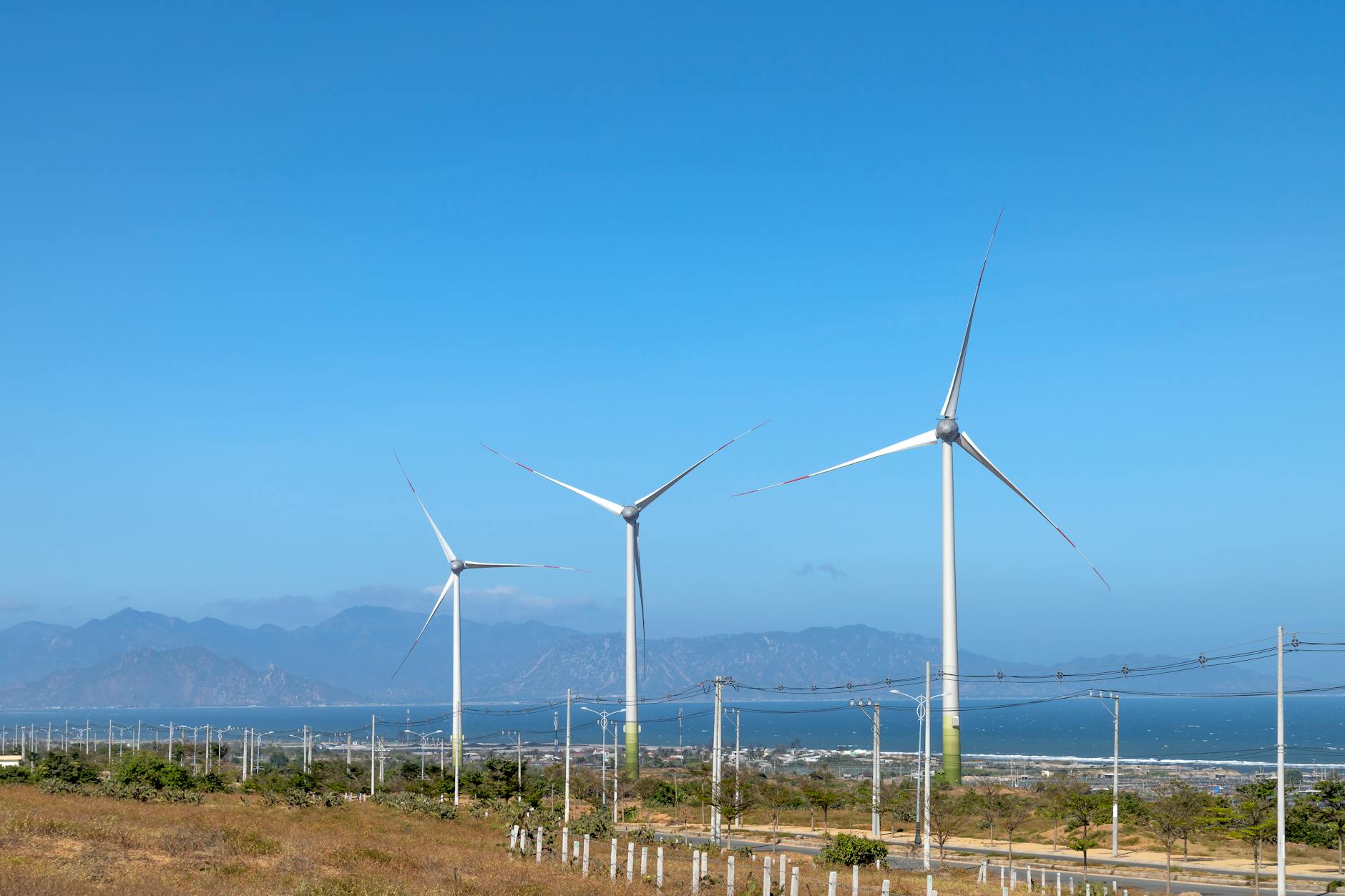
Smart grid with renewable energy sources
AI-Based Smart Grid Integration Strategies
The integration of AI-based technologies into the smart grid enables real-time monitoring, predictive maintenance, and optimized energy distribution. Some of the key strategies for AI-based smart grid integration include:
- Predictive Maintenance: AI-powered predictive maintenance enables utilities to identify potential equipment failures and schedule maintenance accordingly, reducing downtime and improving grid reliability.
- Grid Optimization: AI-based grid optimization algorithms can optimize energy distribution, reducing energy losses and improving grid efficiency.
- Real-Time Monitoring: AI-powered real-time monitoring enables utilities to track grid operations in real-time, identifying areas of inefficiency and optimizing energy distribution.
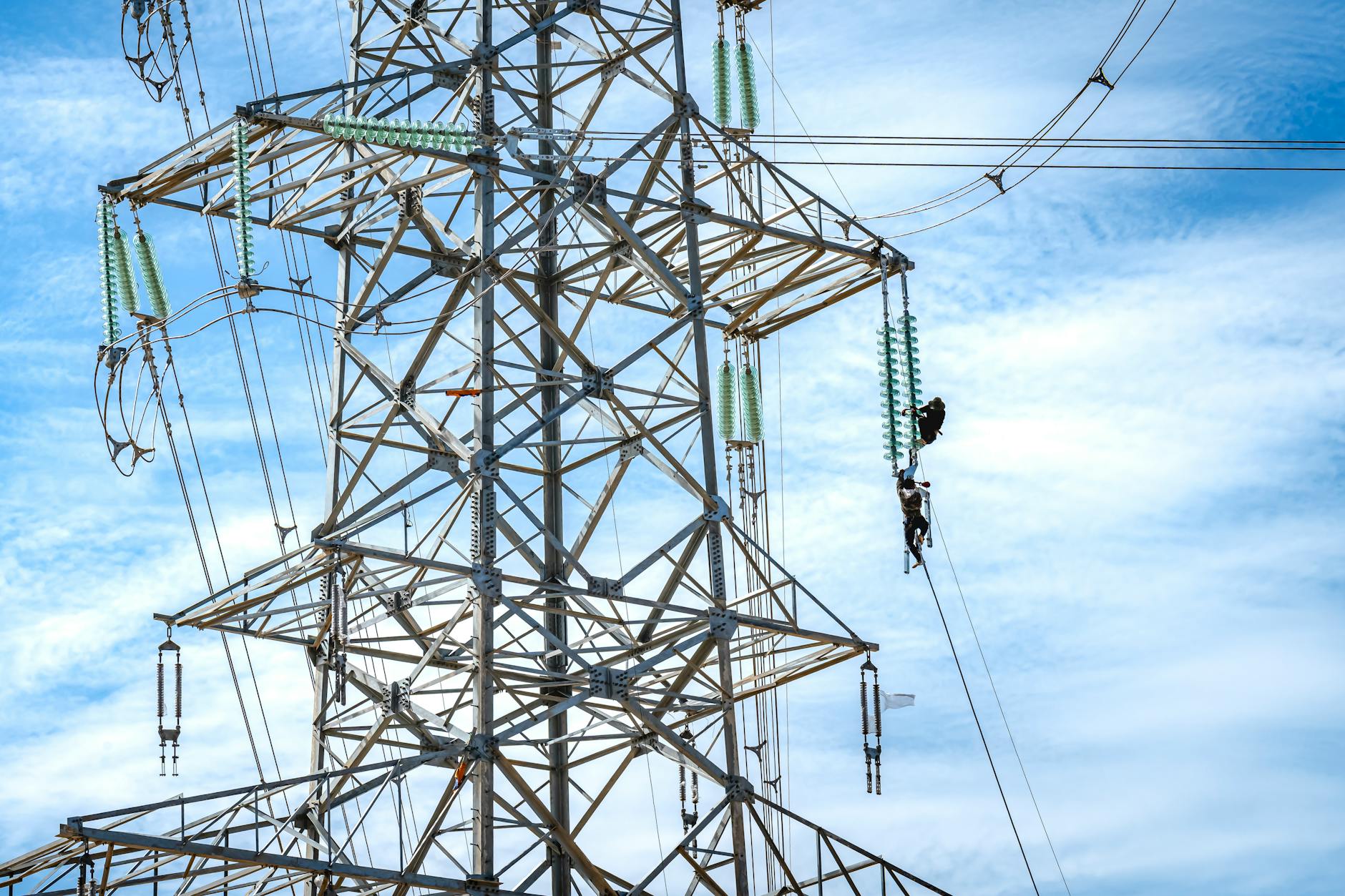
AI-powered predictive maintenance
Case Study: Smart Grid Integration in the City of Copenhagen
The city of Copenhagen has implemented a smart grid system that integrates AI-based technologies to optimize energy distribution and reduce carbon emissions. The system uses AI-powered predictive maintenance to identify potential equipment failures and schedule maintenance accordingly, reducing downtime and improving grid reliability.
The smart grid system in Copenhagen has reduced energy losses by 15% and improved grid reliability by 20%.
Smart grid system in Copenhagen
Distributed Energy Resource (DER) Integration Strategies
The integration of DERs into the grid is becoming increasingly important as the demand for renewable energy sources grows. Some of the key strategies for DER integration include:
- Blockchain-Based Energy Trading: Blockchain-based energy trading enables secure and transparent peer-to-peer energy trading, increasing market flexibility and reducing transaction costs.
- AI-Powered Energy Forecasting: AI-powered energy forecasting enables utilities to predict energy demand and optimize energy distribution accordingly, reducing energy losses and improving grid efficiency.
- Smart Inverters: Smart inverters enable utilities to monitor and control DERs in real-time, optimizing energy distribution and reducing energy losses.

Blockchain-based energy trading
Conclusion
The integration of AI-based technologies into the smart grid and DERs is revolutionizing the way we manage energy distribution and consumption. By leveraging AI-powered predictive maintenance, grid optimization, and real-time monitoring, utilities can improve grid reliability, reduce energy losses, and increase market flexibility. As the demand for renewable energy sources grows, the development of intelligent grid systems will become increasingly important, enabling us to create a more sustainable and efficient energy future.
Sustainable energy future
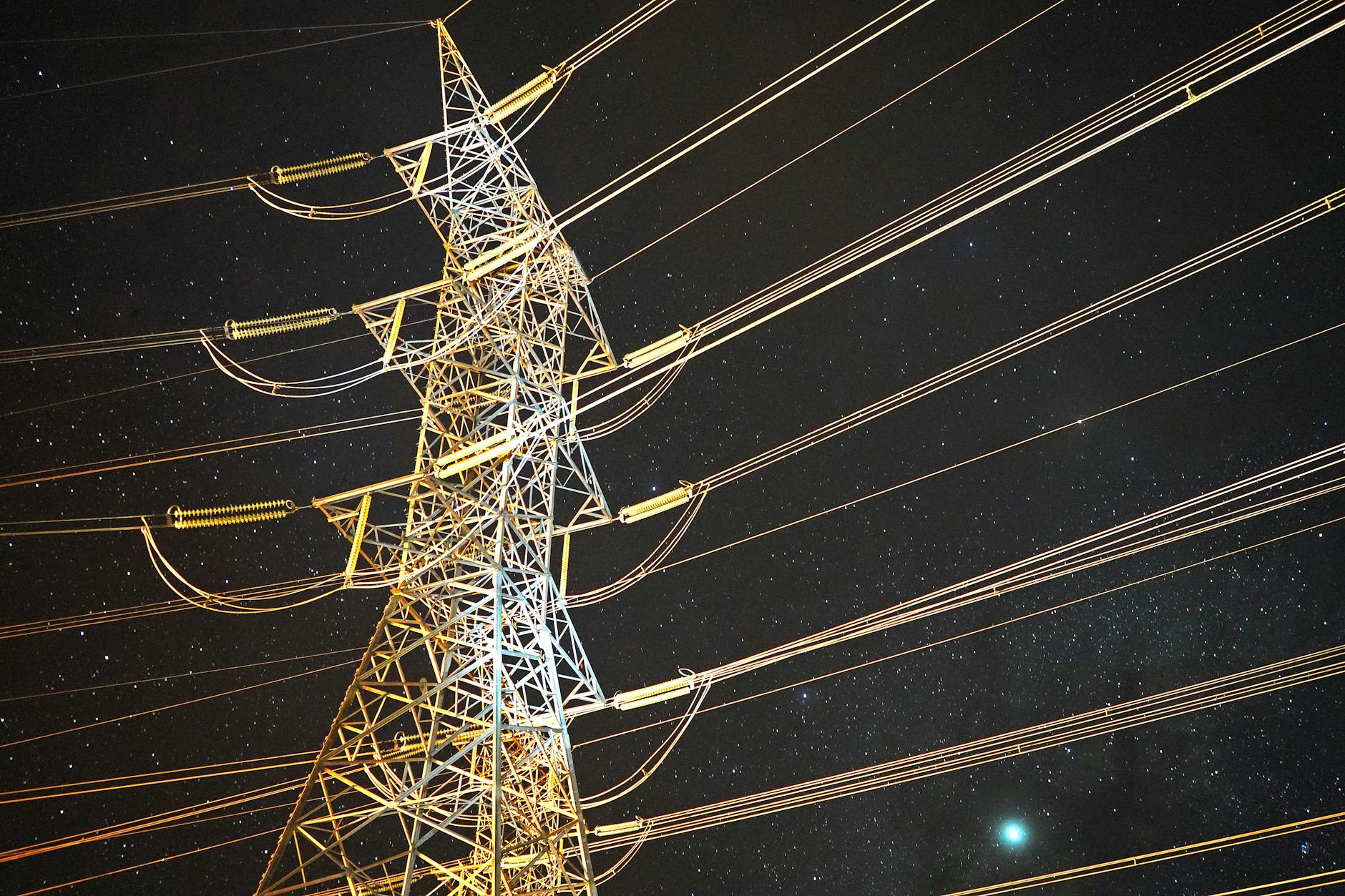
AI-powered smart grid

DER integration

Blockchain-based energy trading
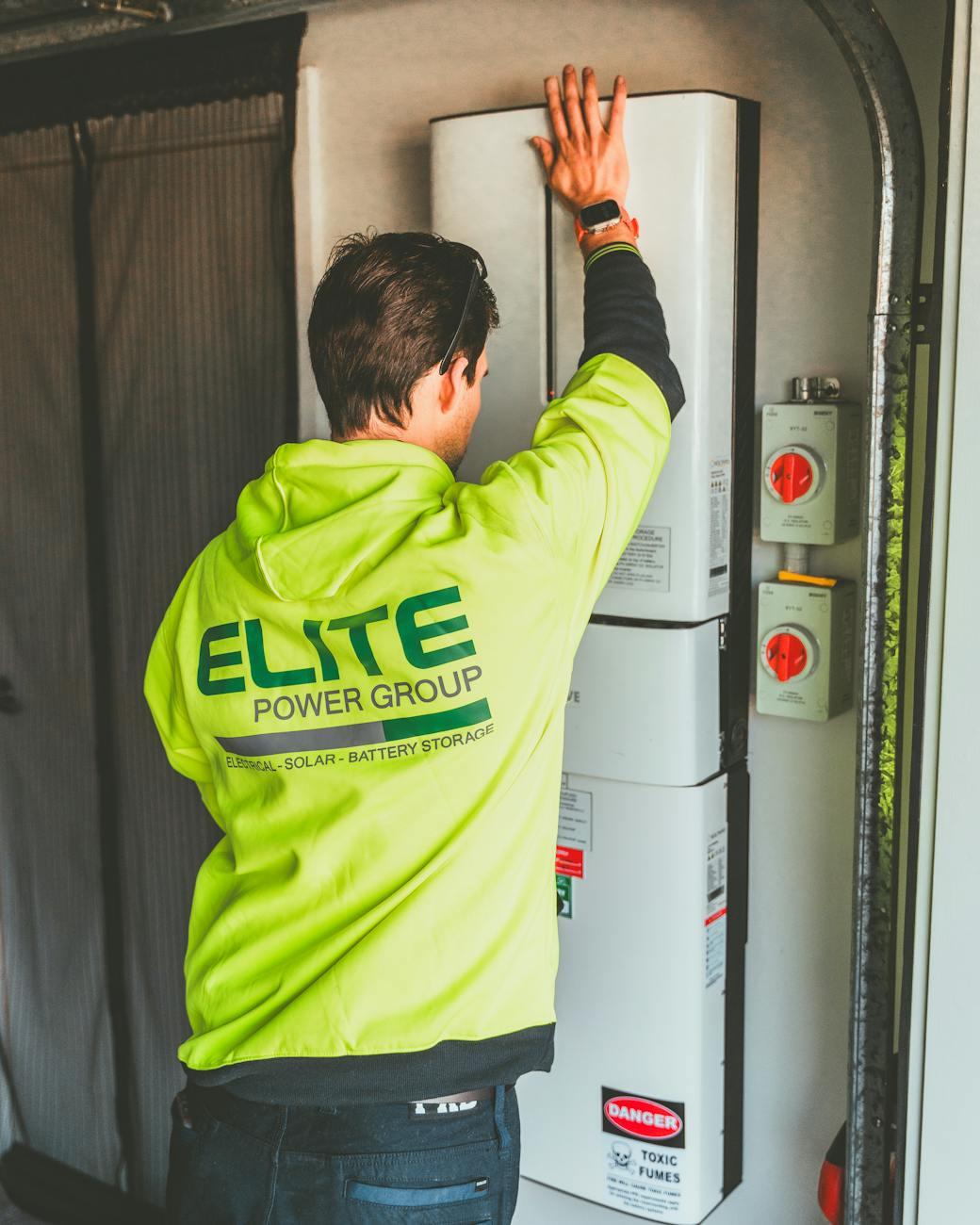
Smart inverters
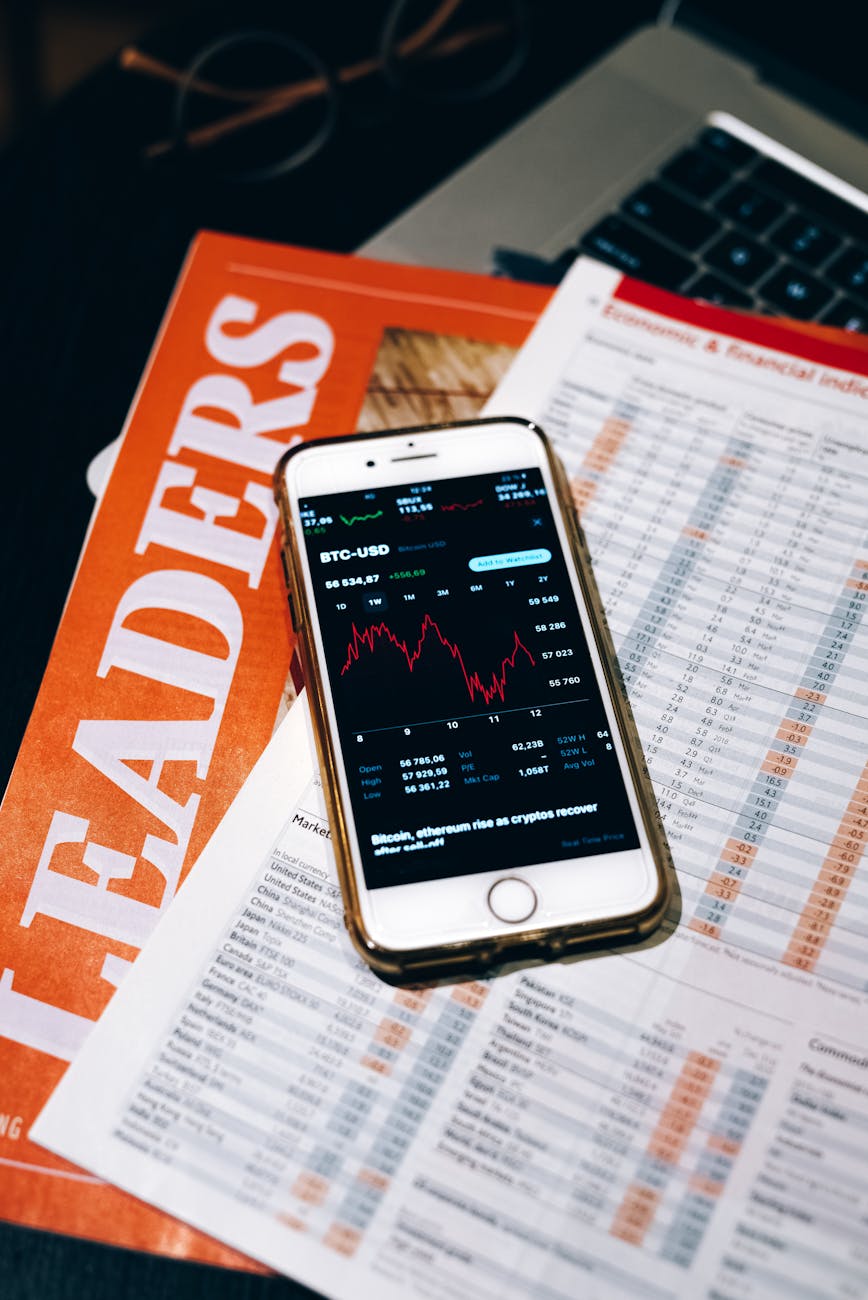
Energy forecasting