The dawn of the 21st century has witnessed an unprecedented confluence of biological engineering and artificial intelligence, giving rise to transformative capabilities in biomanufacturing. At the vanguard of this revolution are AI-driven synthetic biology and sophisticated bioproduction platforms, collectively charting a course towards a future characterized by unparalleled innovation, hyper-efficiency, and profound sustainability. This synergy is not merely an evolutionary step; it represents a fundamental paradigm shift, enabling the conceptualization and execution of next-generation biomanufacturing strategies designed to confront and resolve some of the world’s most intricate challenges.
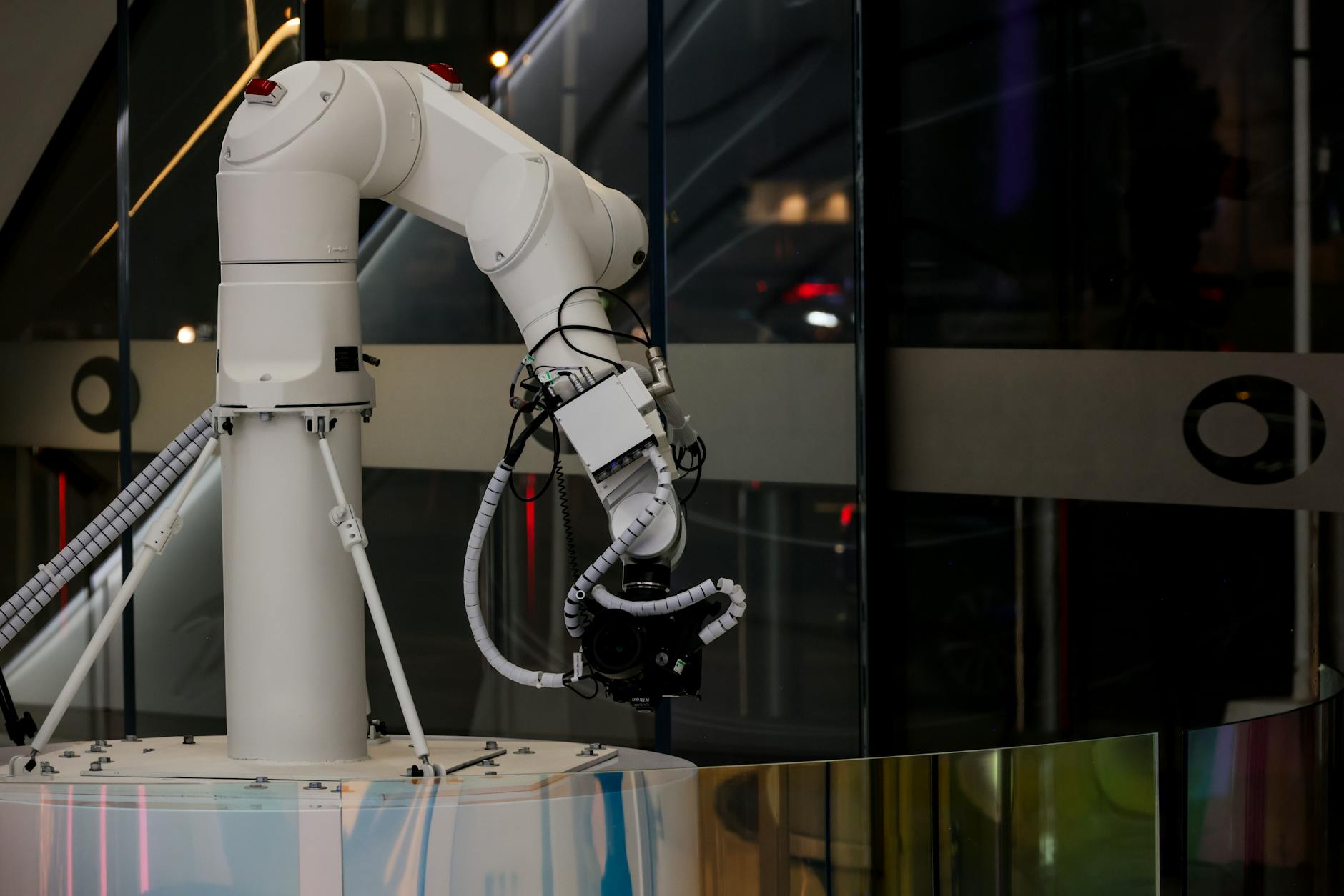
A futuristic laboratory scene with AI interfaces displaying complex biological data alongside robotic arms performing automated experiments.
### **The Symbiotic Power of AI and Synthetic Biology**
The integration of Artificial Intelligence (AI) into the fabric of synthetic biology has moved beyond a mere enhancement to become an indispensable catalyst for progress. AI algorithms, particularly those rooted in machine learning and deep learning, possess an extraordinary capacity to dissect and interpret vast and complex biological datasets. This analytical prowess dramatically accelerates the iterative “Design-Build-Test-Learn” (DBTL) cycle—the very engine of synthetic biology innovation. [8, 33] The result is a significant reduction in research and development expenditures and a compression of innovation timelines, paving the way for the expedited discovery and deployment of novel biological products and processes. [2, 8] AI’s predictive acumen empowers researchers to design and refine proteins, enzymes, and entire metabolic pathways with a degree of precision that frequently surpasses human intuition and the limitations of conventional experimental methodologies. [2, 7, 13] The ramifications of this are far-reaching, impacting everything from the acceleration of drug discovery and vaccine development to the creation of robust, sustainable solutions for industrial applications. [2, 8]
### **Bioproduction Platforms: The Architects of Scale**
Central to this transformative wave is the concept of advanced bioproduction platforms, often colloquially termed “biofoundries.” These sophisticated ecosystems harness the combined power of automation, robotics, and AI to standardize and accelerate the intricate process of engineering biological systems. [8, 32] By automating laborious and repetitive tasks and facilitating high-throughput screening, biofoundries systematically diminish experimental variability and amplify the velocity of iterative development. [13, 16] This synergistic environment enables the rapid design, construction, and rigorous testing of engineered organisms tailored for a myriad of functions—from the synthesis of biofuels and novel materials to the development of cutting-edge therapeutics. [16, 32] Complementing these platforms are significant advancements in bioreactor technology, including the widespread adoption of single-use systems and the implementation of continuous bioprocessing methodologies, which collectively bolster the scalability and operational efficiency of biomanufacturing. [1, 4, 14, 24] Continuous biomanufacturing, in particular, promises enhanced product consistency, reduced cycle times, and a notable decrease in operational expenditures when contrasted with traditional batch processing paradigms. [10, 18]
A schematic illustrating the interconnected components of an automated biofoundry, emphasizing data flow and AI integration.
### **Pillars of Innovation: Strategic Imperatives in Next-Generation Biomanufacturing**
The potent synergy between AI and synthetic biology is catalyzing a suite of groundbreaking innovations that are fundamentally reshaping the landscape of biomanufacturing strategies:
#### **1. AI-Driven Protein and Enzyme Engineering: Precision Redefined**
AI is ushering in an era of unprecedented precision in the design of proteins and enzymes with bespoke functionalities. This includes the development of novel enzymes engineered for the degradation of recalcitrant materials such as plastics, the catalysis of industrial reactions with superior efficiency, and the creation of entirely new classes of therapeutic proteins. [2, 7] This capability is a critical enabler of green manufacturing initiatives, offering sustainable and biologically-derived alternatives to conventional chemical processes, thereby reducing the environmental footprint of industrial activities. [2]
#### **2. Accelerated Drug Discovery and Development: From Concept to Clinic at Speed**
AI-powered platforms are revolutionizing the drug discovery pipeline by accurately predicting protein structures, identifying elusive drug targets, and optimizing molecular designs with remarkable speed and accuracy. This dramatically shortens the time required to transition from initial research concepts to market-ready therapeutics. [2, 8, 33] The impact is especially pronounced in the burgeoning field of personalized medicine, where AI facilitates the tailoring of treatments to individual patient genetic and physiological profiles, leading to more effective and targeted therapies. [2, 33]

A visualization of AI predicting protein folding and molecular interactions, symbolizing accelerated drug discovery.
#### **3. Sustainable Biomanufacturing: Engineering a Greener Future**
Synthetic biology, when intelligently guided by AI, is emerging as a foundational pillar for sustainable industrial practices. It facilitates the development of biological processes that significantly reduce carbon emissions, minimize waste generation, and optimize the utilization of renewable resources. [2, 15, 37] AI-designed enzymes are increasingly capable of supplanting energy-intensive chemical catalysts, heralding a new generation of environmentally benign industrial processes. [2]
#### **4. Advanced Bioproduction Platforms (Biofoundries): Enabling Industrial Scale**
The maturation and widespread deployment of automated biofoundries are indispensable for scaling synthetic biology applications from laboratory-scale proofs-of-concept to robust, industrial-level manufacturing. These state-of-the-art facilities seamlessly integrate AI, advanced robotics, and cutting-edge bioprocessing technologies to facilitate rapid design-build-test cycles and optimize manufacturing workflows. [8, 16, 32]
#### **5. Continuous and Decentralized Manufacturing: Agility and Proximity**
The biomanufacturing sector is increasingly migrating towards continuous bioprocessing models, which offer enhanced efficiency, greater product consistency, and improved cost-effectiveness. [10, 18] Concurrently, there is a discernible trend towards decentralized or “near-patient” production models. This strategic shift fosters more agile and responsive supply chains, particularly crucial for the timely delivery of personalized therapies and in addressing global health crises. [12, 23]
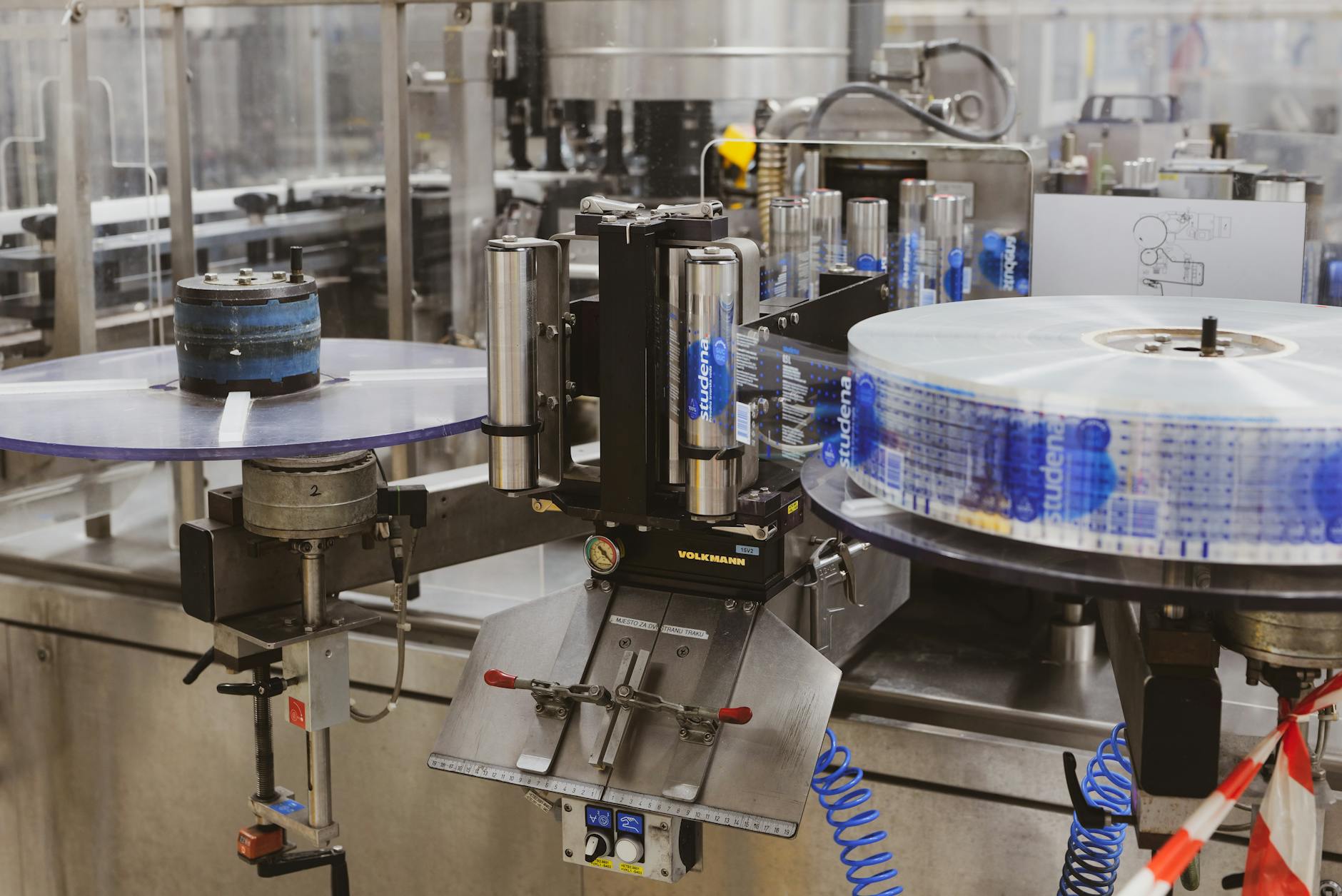
A graphic comparing traditional large-scale biomanufacturing with a decentralized network of smaller, agile production units.
### **Illustrative Case Studies: Realizing Transformative Potential**
The theoretical advancements are being rapidly translated into tangible, impactful applications across various sectors:
* **Samsara Eco:** This pioneering Australian startup exemplifies the transformative power of AI-driven synthetic biology. By engineering plastic-degrading enzymes, Samsara Eco enables the infinite recycling of plastics, a breakthrough with profound environmental and economic implications. Their strategic partnerships with major retail entities underscore the commercial viability and scalable potential of such innovations. [39]
* **HydGene Renewables:** This innovative company is revolutionizing waste valorization by converting waste biomass into high-purity, carbon-negative hydrogen. Their development of modular, on-demand hydrogen production technology, powered by engineered microorganisms, highlights the immense potential of biomanufacturing to deliver sustainable energy solutions. [28]
* **Arzeda:** Through its sophisticated AI-driven enzyme design platform, Arzeda engineers highly efficient enzymes that serve as direct replacements for traditional chemical catalysts in various industrial processes. This strategic focus on enzyme optimization significantly advances the principles of green manufacturing and enhances the sustainability of industrial production. [2]
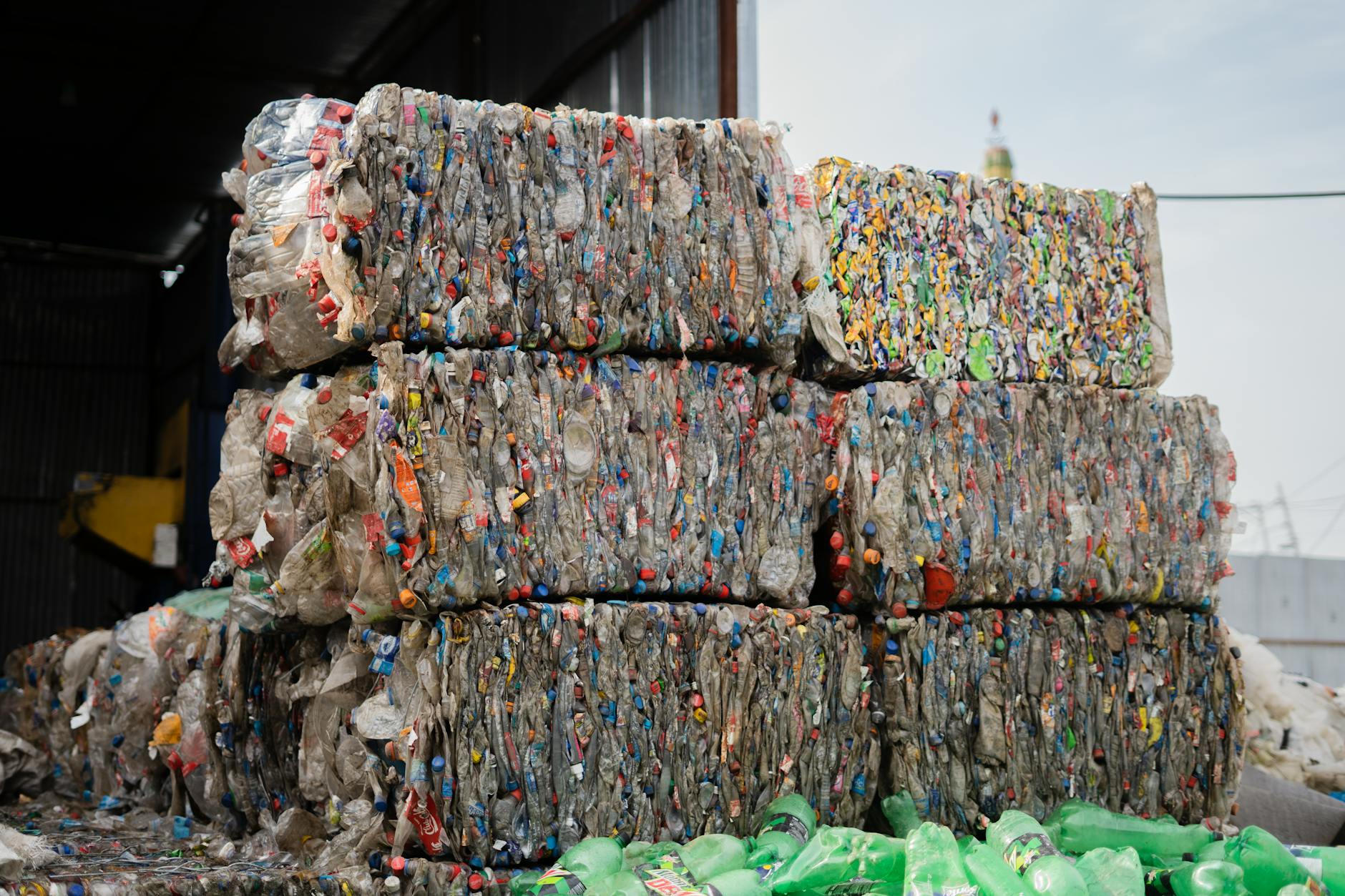
A split image showing plastic waste being transformed into new materials and a modular hydrogen production unit in operation.
### **Navigating the Horizon: Challenges and Future Imperatives**
While the trajectory of AI-driven synthetic biology and biomanufacturing is undeniably promising, several critical challenges must be proactively addressed to fully harness its potential:
* **Scalability and Cost-Effectiveness:** Translating laboratory-scale breakthroughs into mass-market production remains a significant hurdle. The substantial capital investments required for advanced bioproduction platforms and the inherent complexities of managing living biological systems at scale present considerable challenges. [1, 4, 14, 29]
* **Evolving Regulatory Frameworks:** The accelerated pace of innovation in AI and synthetic biology frequently outstrips the adaptability of existing regulatory structures. This necessitates the development of agile and anticipatory governance models to ensure paramount safety, robust security, and unwavering ethical adherence. [8, 40]
* **Biosecurity and Ethical Dimensions:** The inherent dual-use potential of sophisticated biological technologies necessitates rigorous attention to biosecurity risks and the profound ethical considerations associated with the deliberate redesign of life itself. The establishment of robust governance mechanisms and the cultivation of international collaboration are indispensable for effective risk mitigation. [7, 8, 40]
* **Data Harmonization and Interoperability:** The effective leverage of AI in biological research and manufacturing hinges on the seamless integration of diverse biological data streams and the standardization of experimental protocols across disparate platforms. Addressing data heterogeneity and ensuring interoperability are critical for unlocking the full analytical power of AI. [34]

A visual metaphor representing the complex interplay between innovation, regulation, and ethics in biotechnology.
### **Conclusion: Architecting a Bio-Intelligent Future**
The future of biomanufacturing, profoundly amplified by AI-driven synthetic biology, heralds a new epoch of production characterized by heightened sustainability, exceptional efficiency, and profound personalization. By embracing relentless innovation, fostering deep interdisciplinary collaboration, and proactively navigating the complex landscape of governance and ethical considerations, the biomanufacturing industry is poised to unlock its boundless potential. This journey will not only address critical global challenges but also fundamentally reshape our world, forging a path toward a healthier, more sustainable, and bio-intelligent future for all.
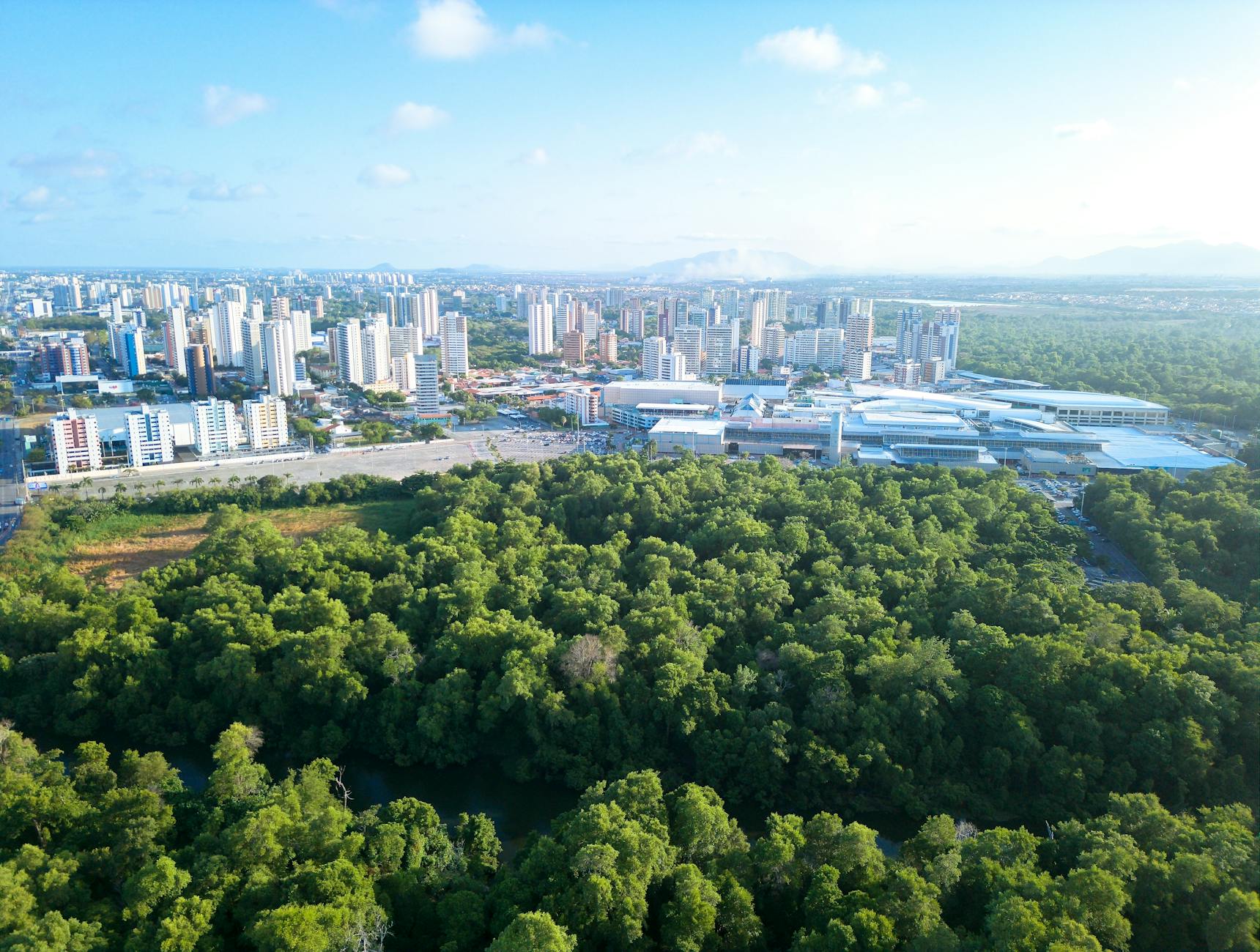
A panoramic view of a futuristic, sustainable city seamlessly integrated with advanced biotechnology facilities.