AI-Powered Digital Twins: Revolutionizing Industrial Optimization and Predictive Maintenance for Unprecedented Efficiency
In the relentless pursuit of operational excellence, industries worldwide are on the cusp of a profound transformation, driven by the synergistic fusion of Artificial Intelligence (AI) and Digital Twin technology. This convergence is not merely an incremental advancement; it represents a paradigm shift, heralding an era where complex industrial ecosystems can be mirrored, analyzed, and optimized with unparalleled precision. At Vespellar Nexus, we recognize this pivotal moment as the dawn of autonomous industrial intelligence, a future where operational inefficiencies are systematically dismantled, and predictive maintenance evolves from a reactive necessity to a proactive strategic advantage. This master manuscript delves into the intricate mechanics of AI-powered Digital Twins, exploring their transformative potential in optimizing industrial processes and establishing robust predictive maintenance strategies, thereby unlocking new frontiers of efficiency, longevity, and competitive advantage.
The Genesis of Digital Twins: A Virtual Mirror to Reality
Digital Twins, in their essence, are dynamic virtual replicas of physical assets, processes, or systems. They are not static models but living, breathing entities that continuously ingest real-time data from their physical counterparts through a sophisticated network of sensors, IoT devices, and other data acquisition mechanisms. This constant flow of information allows the digital twin to accurately reflect the current state, performance, and environmental conditions of the physical asset. Initially conceived for product design and simulation, the evolution of Digital Twins has been dramatically accelerated by the integration of AI and machine learning.
AI algorithms imbue these virtual replicas with the ability to not only mirror but also to understand, predict, and even influence the behavior of their physical twins. This symbiotic relationship between the physical and digital realms creates a powerful feedback loop, enabling continuous improvement and proactive management. The Vespellar Nexus views this as the creation of an ‘Autonomous Archive,’ a perpetual record and simulation environment for industrial operations.
A futuristic, sleek data center with glowing blue server racks, superimposed with a complex, interconnected network of digital lines and nodes representing a digital twin.
AI’s Crucial Role in Elevating Digital Twins
Artificial Intelligence is the catalyst that transforms a sophisticated simulation into an intelligent, predictive system. Machine learning algorithms, particularly deep learning, are instrumental in analyzing the vast datasets generated by physical assets. These algorithms can identify subtle patterns, anomalies, and correlations that would be imperceptible to human observation. Key AI contributions include:
- Pattern Recognition and Anomaly Detection: AI excels at identifying deviations from normal operating parameters, signaling potential issues before they escalate into failures.
- Predictive Modeling: By analyzing historical data and real-time inputs, AI models can forecast future performance, predict component wear, and estimate remaining useful life (RUL).
- Optimization Algorithms: AI can explore a multitude of operational scenarios within the digital twin environment to determine the most efficient settings, resource allocations, and process flows.
- Prescriptive Analytics: Moving beyond prediction, AI can recommend specific actions to mitigate risks, optimize performance, or schedule maintenance.
The integration of AI allows digital twins to evolve from passive mirrors to active participants in operational strategy, providing actionable insights that drive tangible business outcomes. This is the core of Vespellar’s vision for industrial ascendancy.
Optimizing Industrial Operations with AI-Powered Digital Twins
The application of AI-powered Digital Twins in industrial optimization is multifaceted and profound. By creating a virtual sandbox, businesses can:
1. Process Simulation and Scenario Planning
Industries can simulate various operational scenarios, from introducing new product lines to altering production schedules or testing new equipment configurations, all within the digital twin. This allows for risk assessment and optimization without disrupting physical operations. For instance, a manufacturing plant could simulate the impact of a new robotic arm on assembly line throughput and identify potential bottlenecks before physical implementation.
A holographic projection of a complex manufacturing assembly line, with data streams flowing and highlighting areas of potential optimization.
2. Real-time Performance Monitoring and Control
Continuous monitoring of physical assets through their digital twins provides real-time insights into performance metrics. AI can analyze this data to identify inefficiencies, such as suboptimal energy consumption or underutilized machinery, and recommend immediate adjustments. This granular level of control ensures operations remain at peak efficiency.
3. Supply Chain and Logistics Optimization
Digital Twins can extend beyond individual assets to encompass entire supply chains. By creating virtual models of logistics networks, companies can optimize routes, inventory levels, and delivery schedules, responding dynamically to disruptions and market changes. This ensures resilience and cost-effectiveness in a globalized marketplace.
4. Product Lifecycle Management
From design and development to manufacturing, operation, and end-of-life, Digital Twins offer a comprehensive view of a product’s journey. This facilitates iterative design improvements based on real-world performance data and aids in developing more sustainable and circular economy models.
Case Study Snippet: Automotive Manufacturing Efficiency
A leading automotive manufacturer utilized an AI-powered Digital Twin of its assembly line to identify a recurring quality issue related to paint application. By analyzing sensor data and historical defect records, the AI pinpointed a subtle variation in spray arm pressure that only occurred under specific temperature and humidity conditions. The digital twin allowed engineers to simulate adjustments to the pressure regulation system, leading to a 15% reduction in paint defects and significant cost savings. [cite: Vespellar Blog 1, Vespellar Blog 5]
Predictive Maintenance: Shifting from Reactive to Proactive
One of the most significant impacts of AI-powered Digital Twins is in the realm of maintenance. Traditional maintenance strategies are often reactive (fixing things after they break) or preventive (scheduled maintenance that may be unnecessary). Predictive maintenance, however, leverages AI and Digital Twins to anticipate failures before they occur.
1. Early Failure Detection
By continuously analyzing operational data (vibration, temperature, pressure, electrical current, etc.), AI algorithms within the digital twin can detect early signs of wear and tear or impending component failure. This allows maintenance teams to intervene proactively.
2. Remaining Useful Life (RUL) Estimation
AI models can predict the RUL of critical components with high accuracy. This enables optimal scheduling of maintenance and replacement, minimizing downtime and avoiding costly emergency repairs. Instead of replacing a part based on a fixed schedule, it can be replaced when data indicates it’s truly necessary.
3. Root Cause Analysis
When anomalies are detected, the digital twin, powered by AI, can assist in diagnosing the root cause of the problem by simulating various fault conditions and comparing them to observed data. This speeds up troubleshooting and prevents recurrence.
4. Optimized Maintenance Scheduling
Instead of rigid maintenance schedules, AI allows for dynamic, condition-based maintenance planning. This ensures that maintenance is performed only when needed, reducing labor costs, spare parts inventory, and overall operational disruption.

A 3D rendering of an industrial pump, with specific components highlighted in red to indicate potential wear and tear, surrounded by data visualizations.
Key Technologies Enabling AI-Powered Digital Twins
The realization of AI-powered Digital Twins relies on a robust technological infrastructure:
| Technology | Role in Digital Twins | Impact |
|---|---|---|
| Internet of Things (IoT) | Sensors and connected devices collect real-time data from physical assets. | Enables continuous data flow for accurate digital representation. |
| Artificial Intelligence (AI) & Machine Learning (ML) | Analyze data, identify patterns, predict failures, and optimize processes. | Drives intelligence, prediction, and prescriptive actions. |
| Cloud Computing | Provides scalable infrastructure for data storage, processing, and AI model deployment. | Enables accessibility and computational power for complex simulations. |
| Big Data Analytics | Manages and processes the massive volume of data generated by IoT devices. | Extracts meaningful insights from raw data. |
| Edge Computing | Enables real-time data processing closer to the source, reducing latency for critical applications. | Facilitates faster decision-making and response times. |
| 5G Technology | Provides high-speed, low-latency connectivity for seamless data transmission. | Enhances the responsiveness and reliability of digital twin interactions. |
Challenges and Future Outlook
While the potential is immense, the widespread adoption of AI-powered Digital Twins faces certain challenges:
- Data Security and Privacy: Ensuring the security of sensitive operational data is paramount. Robust cybersecurity measures and data governance frameworks, as discussed in Vespellar’s insights on Generative AI and cybersecurity, are critical. [cite: Vespellar Blog 4]
- Integration Complexity: Integrating diverse data sources and legacy systems with new digital twin platforms can be complex and costly.
- Talent Gap: A shortage of skilled professionals in AI, data science, and IoT integration poses a hurdle.
- Cost of Implementation: Initial investment in sensors, software, and infrastructure can be substantial.
Despite these challenges, the future trajectory is clear. As technology matures and costs decrease, AI-powered Digital Twins will become increasingly ubiquitous. We foresee advancements in areas such as:
- Autonomous Operations: Digital twins will increasingly drive automated decision-making and physical process adjustments with minimal human intervention.
- Hyper-personalization: In manufacturing, twins could enable highly customized product runs with unprecedented efficiency.
- Interconnected Ecosystems: Digital twins of individual assets will be linked to form larger, interconnected twins of entire factories, cities, or even global supply chains.
- Integration with Emerging Technologies: The synergy with quantum computing and advanced AI models will unlock even more profound predictive and optimization capabilities. [cite: Vespellar Blog 7]
A complex, interconnected network of digital twins representing various industries (manufacturing, energy, healthcare, transportation) globally linked together.
Vespellar Nexus: Architecting the Future of Industrial Intelligence
At Vespellar Nexus, we are committed to guiding industries through this transformative journey. Our vision extends beyond mere technological implementation; we aim to architect resilient, intelligent, and autonomous industrial ecosystems. The insights provided in our comprehensive reports on topics ranging from green hydrogen economies to senolytics underscore our dedication to pioneering future-forward solutions.
The era of AI-powered Digital Twins is not a distant future; it is unfolding now. By embracing this technology, industries can unlock unprecedented levels of efficiency, drive innovation, and build a foundation for sustainable growth. The Vespellar Nexus stands ready to partner with you in navigating this exciting new frontier, ensuring your organization is not just a participant, but a leader in the next industrial revolution.
Key Takeaways:
- AI-powered Digital Twins offer a dynamic, intelligent replica of physical assets and processes.
- They are crucial for optimizing industrial operations, from simulation to real-time control.
- Predictive maintenance is revolutionized, shifting from reactive to proactive strategies.
- Successful implementation requires a robust technological stack and strategic planning.
- The future promises more autonomous, interconnected, and intelligent industrial systems.
A split image showing a physical factory floor on one side and its corresponding, glowing digital twin interface on the other, illustrating the seamless connection.
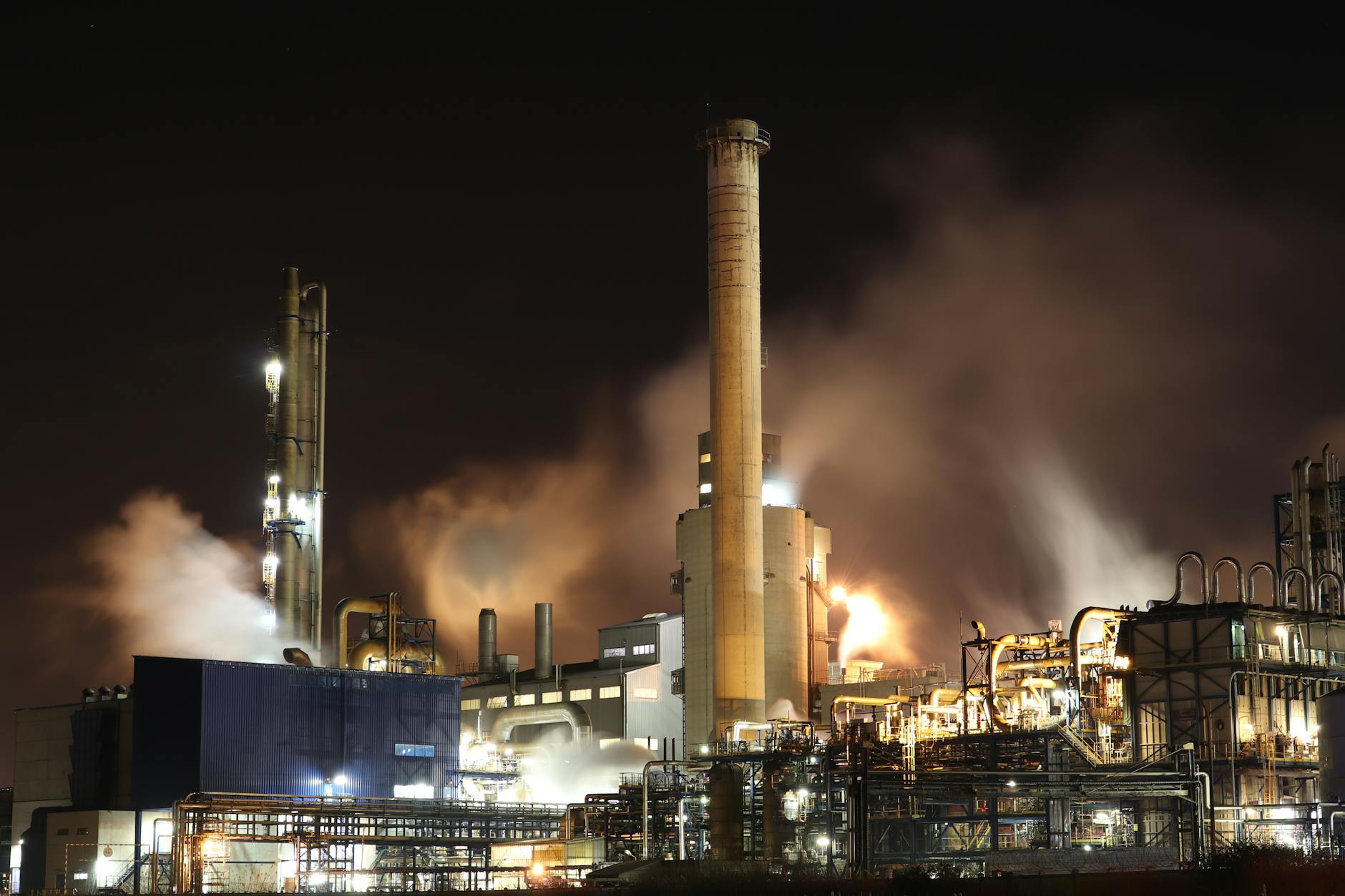
A montage of diverse industrial settings (oil rig, power plant, hospital, city infrastructure) all overlaid with subtle digital twin data streams.
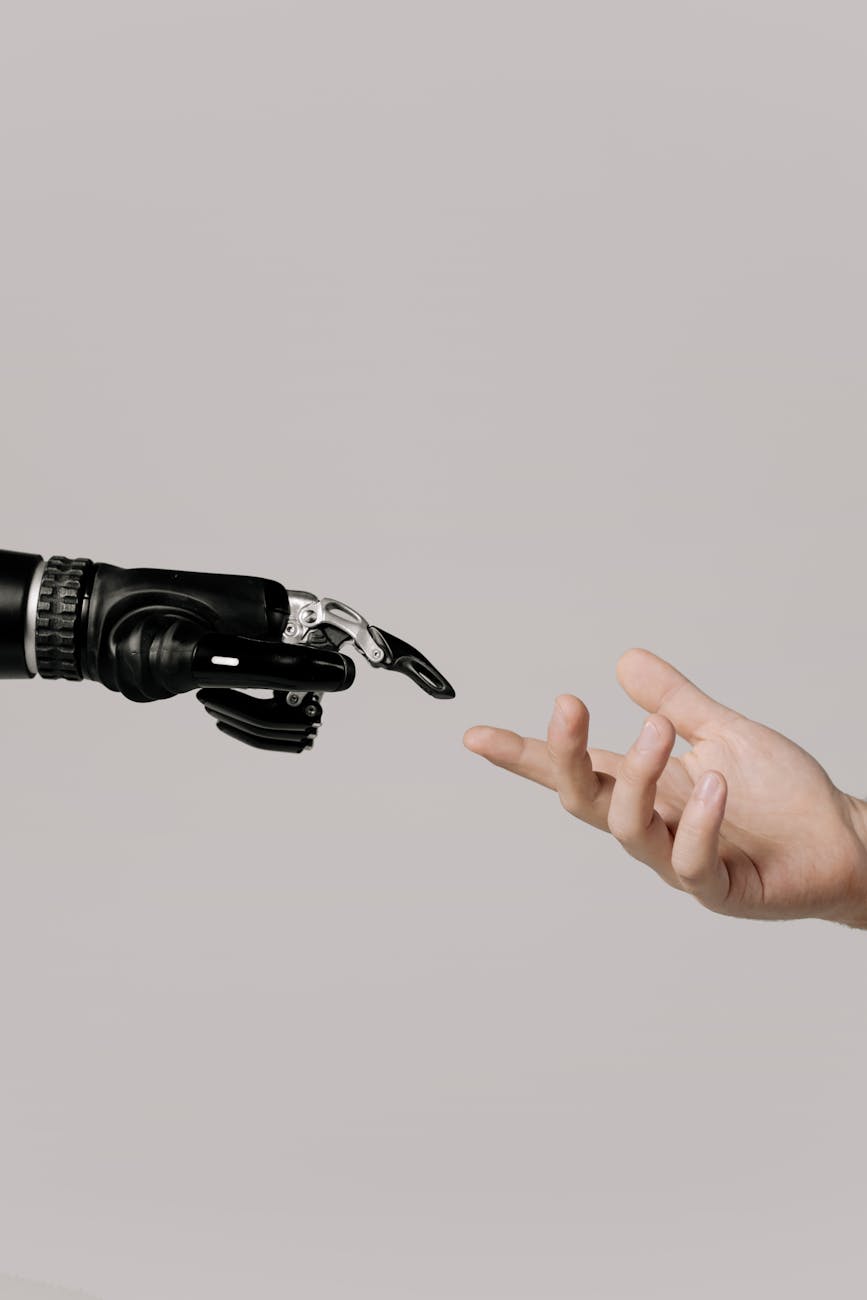
A close-up of a human hand interacting with a holographic digital twin interface, symbolizing human-AI collaboration in industrial management.