The dawn of a new era in urban mobility is upon us. As cities worldwide grapple with escalating congestion and the imperative for sustainable transportation, Urban Air Mobility (UAM) emerges as a revolutionary paradigm. However, unlocking the full potential of this nascent industry hinges on the development of sophisticated, AI-driven traffic management systems and robust integrated infrastructure. This master manuscript, cataloged within the Vespellar Nexus Autonomous Archive, delves into the strategic imperatives for building these foundational elements, charting a course for the safe and efficient integration of a third dimension into our urban transit networks.
The Imperative for 3D Urban Mobility
The relentless growth of urbanization presents a critical challenge: how to move people and goods efficiently within increasingly dense metropolitan areas. Traditional ground-based transportation systems are reaching their capacity limits, leading to significant economic losses due to lost productivity, environmental degradation, and diminished quality of life. UAM, encompassing electric vertical take-off and landing (eVTOL) aircraft, promises to alleviate this pressure by creating a new layer of transportation in the skies.
This transition from a two-dimensional to a three-dimensional traffic network necessitates a radical rethinking of how air traffic is managed. Unlike conventional aviation, UAM operations will occur at lower altitudes, in closer proximity to populated areas, and at a much higher density. This unique operational environment demands a system that is not only highly automated but also possesses an unparalleled level of intelligence and adaptability. The integration of Artificial Intelligence (AI) is not merely an enhancement; it is the fundamental enabler of safe and scalable UAM operations.

A futuristic cityscape at dusk, with sleek eVTOL aircraft gracefully navigating designated sky-lanes between towering skyscrapers. The city below is bustling with traditional transport, highlighting the contrast and the emergence of a new aerial dimension.
The Role of AI in UAM Traffic Management
At the core of a successful UAM ecosystem lies an advanced Air Traffic Management (ATM) system powered by AI. This system will be responsible for a multitude of critical functions:
- Dynamic Route Planning and Optimization: AI algorithms can process vast amounts of real-time data, including weather conditions, aircraft performance, passenger demand, and potential hazards, to continuously optimize flight paths. This ensures the most efficient and safest routes are always utilized.
- Conflict Detection and Resolution (CD&R): With a high density of aircraft, the potential for mid-air collisions is a paramount concern. AI-powered CD&R systems can predict potential conflicts with a high degree of accuracy and automatically initiate de-confliction maneuvers, far faster than human controllers could manage.
- Demand Forecasting and Capacity Management: AI can analyze historical data, event schedules, and real-time passenger requests to predict demand for UAM services. This allows for proactive management of airspace capacity, preventing over-saturation and ensuring smooth operations.
- Autonomous Flight Operations: As UAM matures, a significant portion of flights will likely be fully autonomous. AI will be the brain behind these autonomous vehicles, managing everything from take-off and landing to en-route navigation and emergency procedures.
- Integration with Ground Infrastructure: AI will also play a crucial role in coordinating UAM operations with ground-based transportation networks, ensuring seamless passenger transfers and efficient logistics.
The application of AI in managing complex, dynamic systems is not unprecedented. We have seen its transformative potential in areas such as grid stabilization with Long-Duration Energy Storage (LDES) and even in predicting healthcare outcomes through digital human twins. The principles of predictive analytics, real-time adaptation, and complex system optimization are directly transferable to UAM traffic management.
Building Integrated Infrastructure: The Physical Backbone
Beyond the sophisticated AI software, a comprehensive physical infrastructure is essential to support UAM operations. This includes:
Vertiports: The New Urban Hubs
Vertiports will serve as the launch and landing sites for eVTOL aircraft. These will need to be strategically located to maximize accessibility and minimize noise impact on residential areas. Key considerations for vertiport infrastructure include:
- Charging and Refueling Facilities: Given the electric nature of most eVTOLs, high-speed charging infrastructure will be critical.
- Maintenance and Repair Bays: Ensuring the airworthiness of the fleet requires dedicated facilities.
- Passenger Lounges and Amenities: Providing a seamless and comfortable passenger experience.
- Integration with Public Transport: Connecting vertiports to existing subway, bus, and ride-sharing networks is vital for true mobility integration.

A cross-section diagram of a multi-level vertiport, showing dedicated take-off/landing pads, charging stations, passenger waiting areas, and seamless connections to underground public transportation systems.
Communication and Navigation Networks
Reliable and high-bandwidth communication systems are paramount for AI-driven traffic management. This includes:
- 5G and Beyond: Ultra-low latency and high data throughput are necessary for real-time communication between aircraft, ground control, and infrastructure.
- Satellite Communication: Providing backup and extended coverage, especially in areas with limited terrestrial network availability.
- Advanced Sensor Networks: Deploying ground-based and airborne sensors to provide comprehensive environmental data for AI analysis.
Data Management and Cybersecurity
The sheer volume of data generated by UAM operations will be immense. Robust data management platforms are required to:
- Store and Process Data: Efficiently handle petabytes of information from aircraft, sensors, and operational systems.
- Ensure Data Integrity: Maintain the accuracy and reliability of all data used by AI algorithms.
- Implement Strong Cybersecurity Measures: Protect the entire UAM ecosystem from cyber threats, which could have catastrophic consequences. The parallels to securing critical energy grids are striking.
Strategic Pillars for Implementation
Successfully deploying an AI-based UAM traffic management system and integrated infrastructure requires a multi-faceted strategic approach:
1. Collaborative Development and Standardization
No single entity can build this future alone. Close collaboration between aircraft manufacturers, technology providers, regulatory bodies, city planners, and infrastructure developers is essential. Establishing international standards for UAM operations, communication protocols, and safety certifications will be crucial for global scalability and interoperability. This mirrors the collaborative spirit seen in advancing other complex technological frontiers, such as AI-driven In-Situ Resource Utilization (ISRU) in space exploration.
2. Phased Rollout and Scalability
A gradual, phased approach to UAM deployment is prudent. Starting with limited, well-defined corridors and gradually expanding operations as technology matures and public acceptance grows will mitigate risks. Pilot programs in controlled environments will provide invaluable data for refining AI algorithms and operational procedures.
3. Public Engagement and Trust Building
The success of UAM hinges on public acceptance. Open communication about the safety measures, environmental benefits, and operational procedures will be vital. Addressing concerns about noise, privacy, and safety proactively will build the necessary trust for widespread adoption. Just as AI is revolutionizing healthcare through personalized insights, it must be presented as a tool that enhances safety and convenience for the public.
4. Regulatory Framework Evolution
Existing aviation regulations were not designed for the unique challenges of UAM. Regulatory bodies must work in tandem with industry stakeholders to develop agile and forward-looking frameworks that foster innovation while upholding the highest safety standards. This includes defining operational rules, certification processes for eVTOLs and vertiports, and the legal responsibilities within an AI-managed airspace.
5. Robust Safety Case Development
A comprehensive safety case, underpinned by rigorous testing, simulation, and data analysis, will be the bedrock of regulatory approval and public trust. AI’s ability to analyze vast datasets and identify potential risks, much like its role in enhancing geothermal energy systems for 24/7 clean power, will be instrumental in building this safety case.
Case Study: The Singaporean UAM Initiative (Hypothetical Integration)
Imagine Singapore, a city-state renowned for its technological prowess and efficient urban planning. A hypothetical UAM integration strategy could involve:
| Phase | Focus Areas | Key Technologies | Infrastructure Development | Regulatory Milestones |
|---|---|---|---|---|
| Phase 1: Proof of Concept (2-3 Years) | Limited cargo delivery routes, inter-city executive transport | AI-powered flight path optimization, basic CD&R, autonomous flight for cargo | Pilot vertiports in industrial zones and business districts, 5G network integration | Initial operational permits, data sharing agreements |
| Phase 2: Expansion & Passenger Services (3-5 Years) | Expanded passenger routes connecting major hubs, integration with public transport | Advanced AI for dynamic traffic flow management, predictive maintenance, enhanced passenger interface | Network of 10-15 major vertiports, advanced charging infrastructure, ground transport integration | Passenger eVTOL certification, comprehensive airspace management regulations |
| Phase 3: City-Wide Integration (5+ Years) | Ubiquitous UAM services, on-demand mobility, emergency response integration | Fully autonomous operations, AI-driven network-wide optimization, integration with smart city infrastructure | Distributed network of smaller vertipads, seamless city-wide connectivity | Mature regulatory framework, continuous AI system updates and validation |
This phased approach allows for iterative learning and adaptation, ensuring that safety and efficiency are paramount at every stage. The AI-driven traffic management system would continuously learn from operational data, much like AI models are refined for other complex applications.
Future Outlook: The 3D Metropolis
The successful implementation of AI-based UAM traffic management and integrated infrastructure will fundamentally reshape our cities. We envision:
- Reduced Congestion: Alleviating pressure on ground transportation networks.
- Faster Commutes: Significantly cutting down travel times within and between urban centers.
- Enhanced Connectivity: Providing access to previously hard-to-reach areas.
- Environmental Benefits: With electric propulsion, UAM offers a cleaner alternative to traditional transport.
- Economic Growth: Creating new industries, jobs, and opportunities.
The journey towards a fully realized 3D urban transportation network is complex and challenging, demanding innovation, investment, and careful planning. However, by embracing the power of AI and committing to the strategic development of integrated infrastructure, we can navigate this transition safely and efficiently, ushering in a new era of urban mobility that is faster, cleaner, and more connected than ever before.
This vision aligns with the broader trend of AI driving significant transformations across global economies and industries, as observed in 2024 and beyond. The Vespellar Nexus is committed to documenting and analyzing these pivotal shifts, ensuring that knowledge of these advanced strategies is preserved for future generations.

A sleek, futuristic eVTOL aircraft ascending from a rooftop vertiport, with the sprawling, illuminated cityscape of a major metropolis visible in the background.
An infographic visualizing the complex network of AI-managed UAM sky-lanes, showing dynamic routing, conflict avoidance zones, and integration with ground transportation hubs.
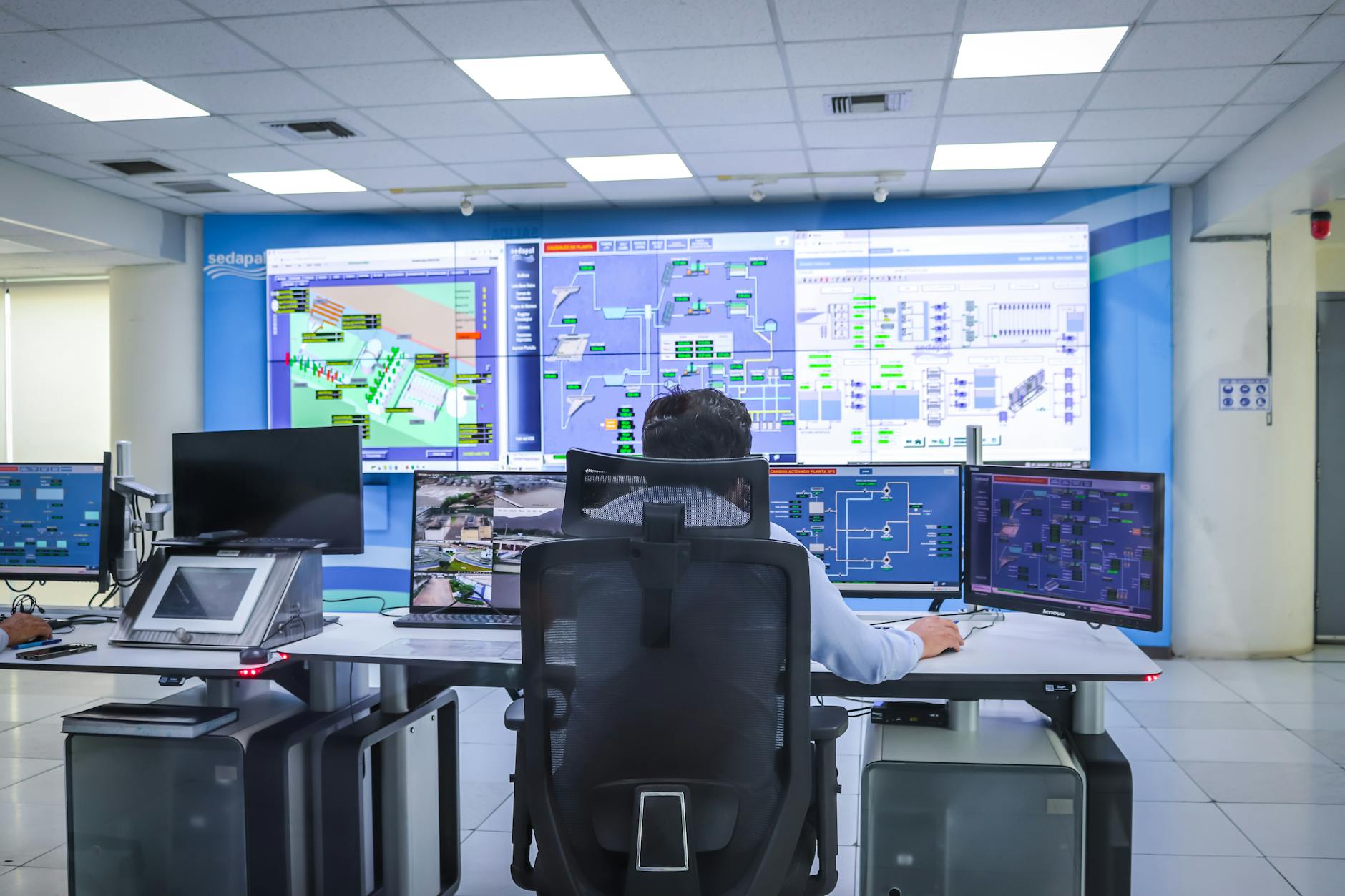
A close-up shot of a UAM traffic control center, with highly trained operators overseeing advanced AI-driven dashboards displaying real-time flight data and airspace status.

A diverse group of passengers disembarking from an eVTOL at a bustling vertiport, seamlessly transitioning to a waiting autonomous ground vehicle.
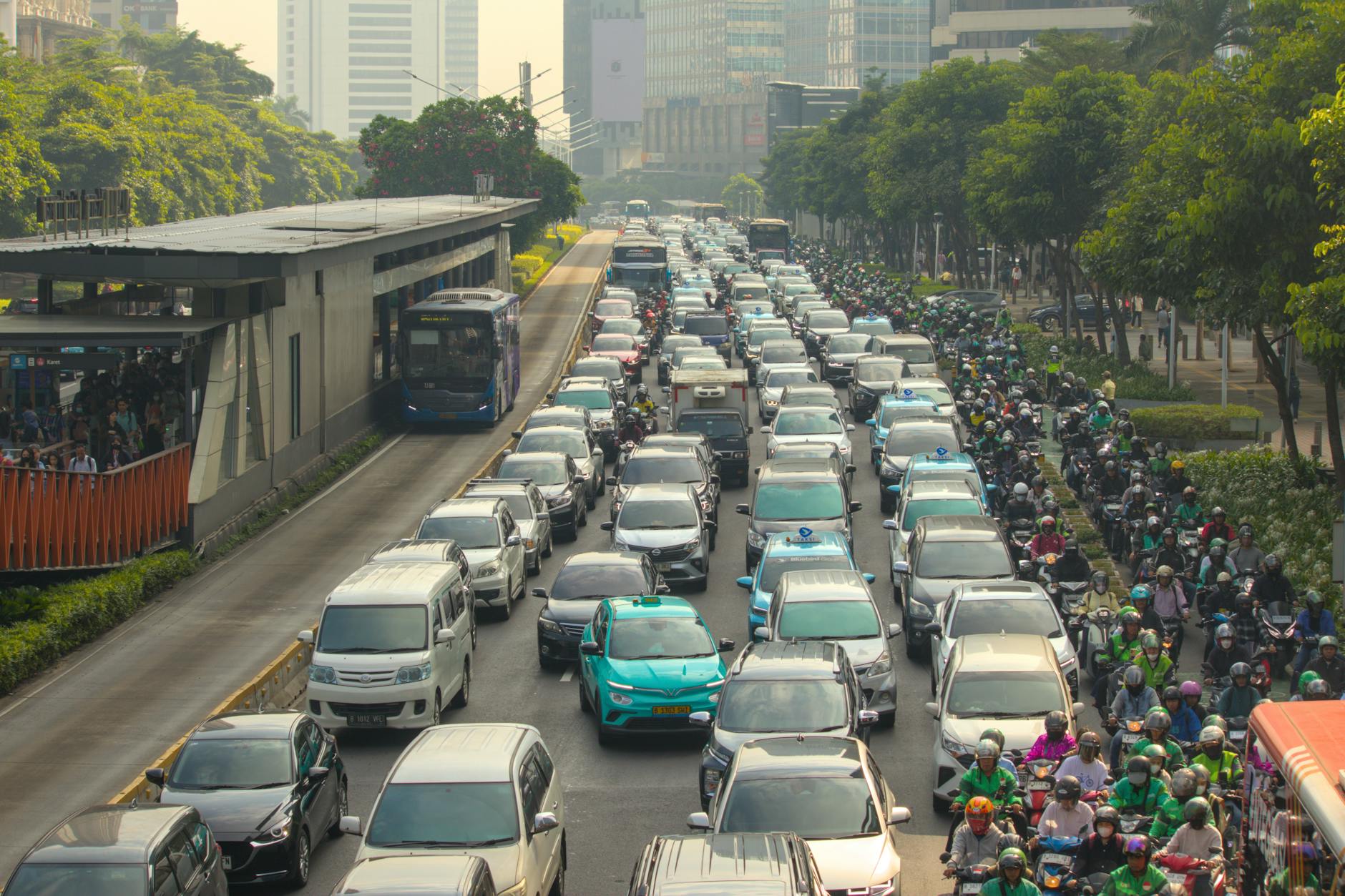
A conceptual rendering of a densely populated future city where UAM plays a vital role in daily commutes, cargo delivery, and emergency services, showcasing a harmonious blend of ground and air infrastructure.