AI Semiconductor Technology Advancements and the Strategic Restructuring of Global Supply Chains
An In-depth Analysis for the Vespellar Nexus Autonomous Archive
The AI Infusion: A Paradigm Shift in Semiconductor Innovation
The relentless march of Artificial Intelligence (AI) is not merely influencing the semiconductor industry; it is fundamentally redefining its trajectory. From the intricate logic of chip design to the complex choreography of global manufacturing and distribution, AI is emerging as the pivotal force driving unprecedented innovation, efficiency, and scalability. The escalating demand for high-performance chips, propelled by the generative AI revolution, autonomous systems, and the pervasive reach of edge computing, necessitates a strategic pivot for semiconductor manufacturers. They are increasingly turning to AI not just to remain competitive, but to proactively shape the future of technology. This transformation is characterized by AI’s pervasive integration across the entire semiconductor value chain, ushering in an era of accelerated development cycles and enhanced operational capabilities.

Abstract representation of AI algorithms processing complex data streams within a futuristic microchip architecture.
“AI is not just a buzzword; it’s a powerful framework that is already making a tangible impact on the semiconductor industry. AI is being deployed across various stages of the semiconductor value chain, leading to significant improvements in efficiency and productivity.” – Accenture
The impact of AI is already palpable, with significant advancements observed from design to production. In chip design, AI-driven tools are revolutionizing workflows, enabling faster development cycles through automated layout generation, logic synthesis, and verification. Google DeepMind’s AlphaChip, for instance, has demonstrated the capability to reduce design time from weeks or months to mere hours, achieving significant wire length reductions that enhance performance and power efficiency in Google’s Tensor Processing Units (TPUs).

A split visualization showing traditional chip design timelines contrasted with accelerated AI-driven design processes.
This acceleration is critical in an industry where time-to-market is a paramount competitive advantage.
Revolutionizing Fabrication and Quality Assurance with AI
Beyond the design phase, AI’s influence extends deep into the manufacturing floor, transforming fabrication processes and elevating quality assurance to new heights. AI-powered visual inspection systems are now outperforming human inspectors, capable of detecting microscopic defects on wafers with unparalleled accuracy. This enhanced detection not only improves manufacturing yields but also significantly reduces material waste and operational downtime.

Microscopic view of a semiconductor wafer with AI highlighting minute defects invisible to the human eye.
Furthermore, AI plays a critical role in real-time process control. By dynamically adjusting manufacturing parameters, AI enables semiconductor fabs to optimize throughput, minimize energy consumption, and extend the lifespan of sophisticated equipment. This intelligent control is essential for maintaining the precision required in advanced chip manufacturing. Companies like TSMC are leveraging AI for defect classification and predictive maintenance, leading to substantial improvements in yield and reduced downtime. Similarly, Samsung employs AI across its DRAM design, chip packaging, and foundry operations to boost productivity and quality. Intel utilizes machine learning for real-time defect analysis during fabrication, enhancing inspection accuracy and process consistency.
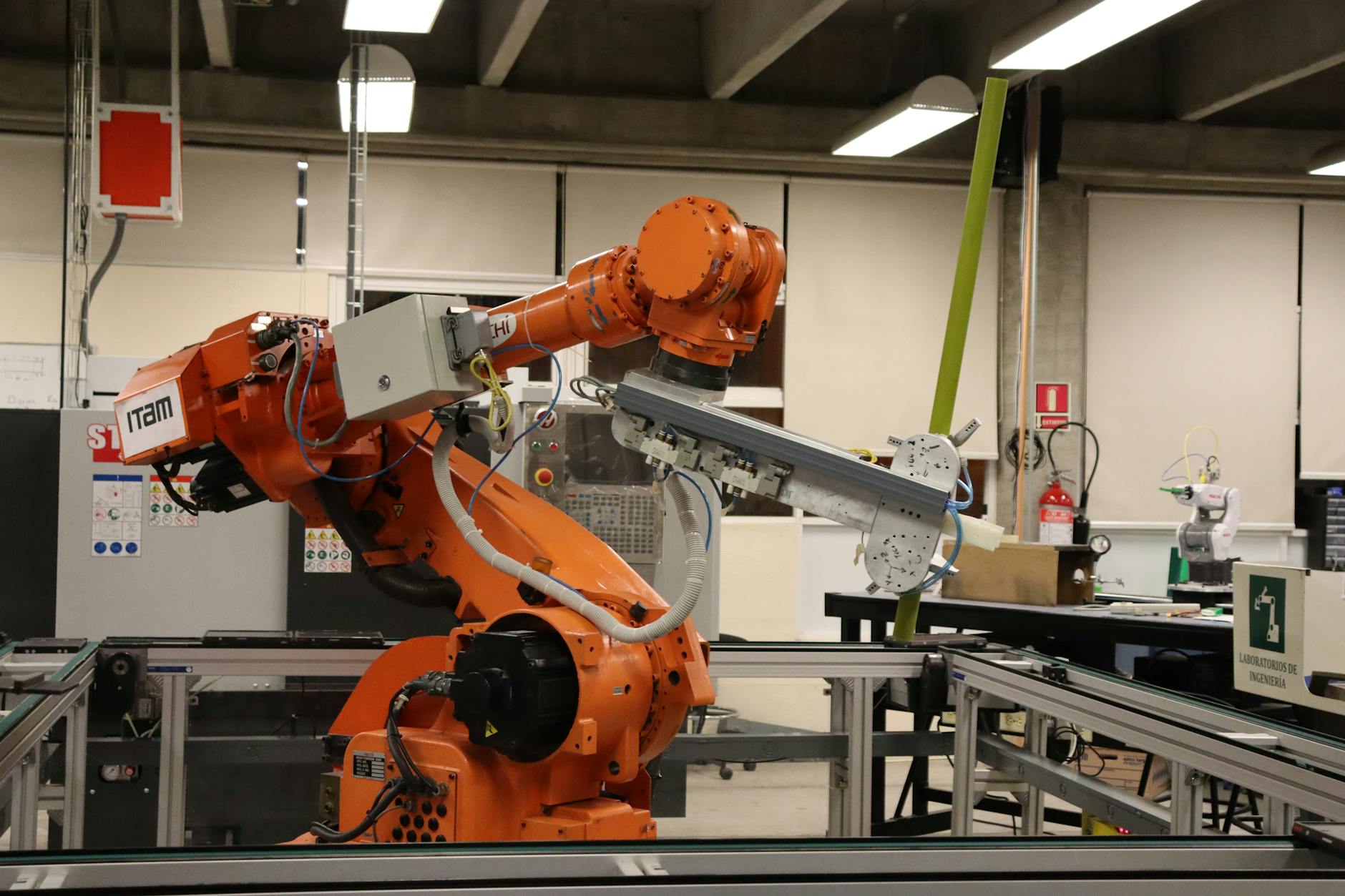
A high-tech semiconductor fabrication plant with AI-driven robots and monitoring systems.
The demand for AI chips itself is experiencing an exponential surge, acting as a game-changer for the industry. Generative AI is currently boosting data center AI semiconductor revenue, while the long-term integration of AI into PCs, edge devices, and endpoint devices promises sustained revenue growth. The global semiconductor market is projected to grow substantially in 2025, largely driven by AI’s influence, with AI being a major demand driver for high-end logic process chips and high bandwidth memory (HBM).

Graph illustrating the projected growth of the AI chip market.
Geopolitical Realities and the Restructuring of Global Supply Chains
The semiconductor industry, once a paragon of global specialization, is now at the epicenter of a profound geopolitical realignment. The intricate, geographically dispersed supply chain, optimized for efficiency, has revealed critical vulnerabilities, starkly exposed during recent global disruptions. Geopolitical tensions, trade disputes, and the increasing emphasis on national security are compelling a fundamental restructuring of these supply chains. The era of seamless global integration is giving way to a new paradigm characterized by regionalization, strategic competition, and a drive for localized manufacturing capabilities.

World map highlighting key semiconductor manufacturing hubs and emerging regional production centers.
| Region/Factor | Impact on Semiconductor Supply Chain | Strategic Implications |
|---|---|---|
| US-China Tensions | Export controls, tariffs, limited access to technology, potential for sanctions. | Accelerated decoupling, drive for domestic production, diversification of suppliers. |
| Taiwan-China Relations | High concentration of advanced manufacturing in Taiwan; potential for severe global disruption in case of conflict. | Urgency for supply chain diversification, reshoring/nearshoring initiatives, increased geopolitical risk premium. |
| Critical Material Bottlenecks (e.g., Tungsten, Rare Earths) | Dependence on limited suppliers (often China), price volatility, potential for export restrictions. | Investment in alternative material research, diversification of sourcing, strategic stockpiling. |
| Energy Security & Logistics Disruptions (e.g., Strait of Hormuz) | Impact on raw material transport, increased shipping costs, potential for production halts in energy-reliant regions (e.g., South Korea). | Focus on energy efficiency in manufacturing, exploration of alternative logistics routes, regional energy independence. |
The concept of reshoring and near-shoring is gaining significant traction. Companies are actively investing in or planning projects to relocate production capacities closer to domestic markets, aiming to enhance flexibility and resilience. This trend is evident globally, with manufacturers in the EU and US relocating supply chains to regions like North America, Mexico, Vietnam, and India to mitigate geopolitical risks and improve proximity to key markets.
Infographic illustrating the movement of manufacturing facilities from traditional hubs to new regional centers.
Governments worldwide are playing a pivotal role through substantial investments, subsidies, tax incentives, and research funding. Initiatives like the U.S. CHIPS and Science Act are designed to bolster local manufacturing and enhance national security. Similarly, countries are forging strategic partnerships and enacting regulations to protect their supply chains from disruptions. The U.S. and Taiwan, for instance, have entered into comprehensive trade agreements aimed at strengthening U.S. semiconductor reshoring efforts, involving significant direct investment from Taiwanese firms into the U.S. This represents a substantial shift, prioritizing supply chain resilience over pure cost efficiencies, though challenges such as higher manufacturing costs in new locations and talent shortages remain significant hurdles.
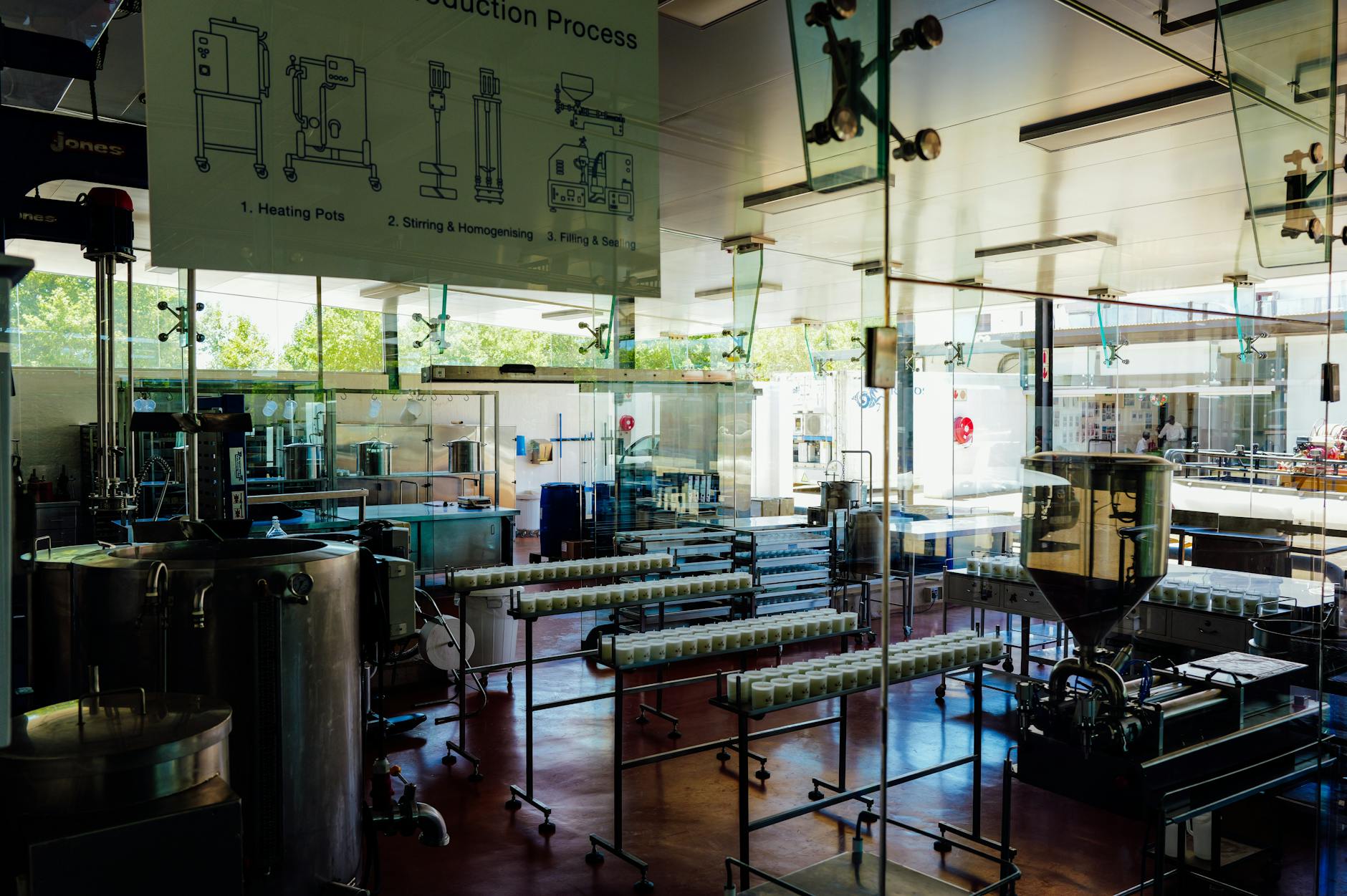
A bustling modern semiconductor manufacturing facility in the United States.
AI as a Strategic Imperative for Supply Chain Resilience
In this complex and volatile landscape, AI is not merely an enabler of advanced chip technology but a critical strategic imperative for navigating and fortifying global supply chains. AI-powered control towers are integrating procurement, manufacturing, and logistics data, enabling global companies to transition from reactive responses to proactive, predictive orchestration. Generative AI and digital twins are becoming indispensable operational tools, simulating thousands of “what-if” scenarios, optimizing safety stock, and identifying single-source risks across intricate global networks.

A futuristic AI control tower interface displaying real-time global supply chain data and predictive analytics.
AI’s application spans the entire semiconductor lifecycle:
- Demand Forecasting & Inventory Management: AI models analyze vast datasets to predict demand with greater accuracy, optimizing inventory levels and reducing carrying costs.
- Supplier Risk Mitigation: AI tools assess geopolitical data, supplier performance, and historical disruption patterns to predict supply risks and volatility, enabling proactive mitigation.
- Logistics Optimization: AI optimizes routing, accounts for lead times and customs delays, and improves coordination of wafer lots and finished devices, ensuring smoother global distribution.
- Manufacturing Process Control: Machine learning models fine-tune production parameters in real-time, enhancing yield, reducing waste, and improving energy efficiency.
- Disruption Simulation & Scenario Planning: Advanced AI models simulate the impact of various disruptions (natural disasters, sanctions, capacity reallocations) to inform strategic decision-making and contingency planning.
The integration of AI transforms supply chains into more resilient, data-driven ecosystems. Companies leveraging AI are better equipped to handle demand swings, capacity constraints, quality challenges, and geopolitical disruptions. The effective use of AI across the supply chain is becoming a significant source of strategic advantage, enabling greater resilience, faster decision-making, and improved competitiveness in a volatile global market. As AI becomes more sophisticated, with advancements in agentic AI and autonomous systems, the semiconductor supply chain will move towards a ‘self-healing’ state, capable of autonomously correcting issues by rerouting shipments or switching to alternative suppliers.
The Nexus with Healthcare: AI’s Broader Societal Impact
While the focus here is on semiconductors, it is crucial to acknowledge the profound implications of AI advancements, particularly those enabled by sophisticated chips, on other critical sectors such as healthcare. AI is revolutionizing medical technology and wellness, from personalized diagnostics and treatment plans to drug discovery and patient monitoring. AI-driven tools are integrating data from wearables, genetic information, and electronic health records to predict health problems proactively and prescribe personalized solutions.

A doctor and patient interacting with a futuristic AI-powered diagnostic interface.
The synergy between advanced AI semiconductors and healthcare applications underscores the transformative power of this technological wave. As AI continues to evolve, its impact will be felt across industries, driving innovation and reshaping global economic and societal landscapes. The ethical considerations surrounding AI deployment in healthcare, focusing on patient outcomes, cost reduction, and population health benefits, are paramount. As highlighted by the National Academy of Medicine, AI holds the potential to improve both patient and clinical team outcomes, lower healthcare costs, and benefit population health significantly. The development of AI in healthcare is moving towards improving provider productivity, enhancing patient engagement, and accelerating the development of new pharmaceutical treatments, demonstrating a clear parallel to the efficiency and innovation gains seen in the semiconductor sector.
Conclusion: Navigating the Future of AI and Global Supply Chains
The convergence of AI technology advancements and the strategic restructuring of global supply chains represents a pivotal moment in industrial history. The semiconductor industry, at the heart of this transformation, is not only developing the intelligence for AI but is also being reshaped by it. The imperative for resilience, driven by geopolitical realities and the insatiable demand for AI-powered solutions, is leading to a more diversified, regionalized, and intelligent global supply chain. Companies that embrace AI strategically, not just for product innovation but for supply chain optimization and risk management, will be best positioned to thrive in this dynamic new era. The future is one where intelligent chips power intelligent systems, and intelligent supply chains ensure their seamless and secure delivery across a rapidly evolving world. This is the Vespellar Nexus, the autonomous archive of foresight and strategy.