In the annals of biological innovation, few breakthroughs have resonated with the transformative power of CRISPR gene editing. As the architects of the ‘Autonomous Archive’ at Vespellar Nexus, we delve into the intricate tapestry of CRISPR-based disease treatment and precision medicine, unveiling a future where genetic destiny can be rewritten. This master manuscript explores the strategic imperatives, technological marvels, and profound ethical considerations shaping an era of unprecedented medical advancement.
The Genesis of a Revolution: Understanding CRISPR’s Core Mechanics
The advent of Clustered Regularly Interspaced Short Palindromic Repeats (CRISPR) and its associated Cas proteins has irrevocably altered the landscape of genetic engineering. Discovered as a bacterial immune system, CRISPR-Cas9, in particular, has emerged as a molecular scissor capable of making precise cuts in DNA, enabling scientists to edit genes with unparalleled efficiency and cost-effectiveness. This foundational technology, first described for targeted, programmable gene-editing in 2012, has since become a cornerstone for understanding disease mechanisms and developing novel therapies.
At its heart, the CRISPR-Cas system operates through two essential elements: a guide RNA (gRNA) that directs the Cas enzyme to a specific DNA sequence, and the Cas enzyme (e.g., Cas9) which acts as the ‘molecular scissors’ to cleave the DNA at the specified location. The cell’s natural repair machinery then mends the break, allowing for gene knockout, correction, or insertion.

An intricate, high-resolution illustration of the CRISPR-Cas9 complex precisely cutting a DNA double helix.
Evolution Beyond Cas9: The Next Generation of Gene Editors
While CRISPR-Cas9 remains the workhorse, its reliance on inducing DNA double-strand breaks (DSBs) can lead to unintended insertions or deletions (indels) and chromosomal rearrangements. To address these limitations, a new generation of CRISPR technologies has emerged, offering enhanced precision and versatility:
- Base Editing: Introduced in 2016, base editors facilitate direct conversion of one DNA base into another (e.g., C to T, or A to G) without creating DSBs. This significantly reduces genotoxic risks and is highly efficient for correcting point mutations, which account for a substantial proportion of genetic disorders.
- Prime Editing: Heralded as a ‘search-and-replace’ tool for DNA, prime editing expands the scope further. It enables all 12 possible nucleotide conversions, as well as targeted small insertions and deletions, all without relying on DSBs or a separate donor DNA template. This flexibility makes it a powerful tool for a wider range of genomic modifications.
- RNA-targeting Cas13 Effectors: These systems target RNA instead of DNA, offering a way to control gene expression by flicking a ‘light switch’ to shut them off completely or using a ‘dimmer knob’ to partially turn down their activity. This holds promise for antiviral therapies and understanding RNA regulation.
CRISPR’s Therapeutic Horizon: Transforming Disease Treatment
The therapeutic potential of CRISPR is vast, spanning a multitude of diseases previously considered intractable. As of 2025, over 150 active clinical trials are utilizing CRISPR technology, targeting a wide range of conditions.
Monogenic Disorders: Correcting the Blueprint of Life
CRISPR’s most celebrated successes lie in monogenic disorders. In December 2023, CASGEVY® (exagamglogene autotemcel), developed by CRISPR Therapeutics and Vertex Pharmaceuticals, received FDA approval as the first-ever CRISPR-based gene-editing therapy. It treats sickle cell disease and beta-thalassemia by reactivating fetal hemoglobin production in patients’ blood stem cells, boosting oxygen-carrying capacity.
- Sickle Cell Disease & Beta-Thalassemia: CASGEVY® represents a monumental achievement, offering a functional cure for these debilitating blood disorders.
- Hereditary Angioedema (HAE): Intellia Therapeutics’ lonvoguran ziclumeran is in late-stage clinical trials, aiming to prevent swelling attacks by inactivating the KLKB1 gene in the liver.
- Transthyretin Amyloidosis: Another Intellia therapy, nexiguran ziclumeran, targets the TTR gene to treat conditions affecting the heart or nerves.
Beyond Single Genes: Expanding Applications
CRISPR’s reach extends far beyond single-gene defects:
- Cancer Therapies: CRISPR is revolutionizing oncology by enhancing CAR-T cell therapies, identifying drug resistance genes, and developing synthetic lethality approaches. For instance, CRISPR Therapeutics has zugocaptagene geleucel (zugo-cel), a CRISPR-Cas9 gene-edited CAR-T cell therapy, in clinical trials.
- Infectious Diseases: Research is exploring CRISPR to target and ‘cut out’ viral DNA in latent infections like HIV or herpes viruses. RNA-targeting CRISPRs also show promise against SARS-CoV-2 and flu.
- Neurological Disorders: Studies are underway to address conditions like Alzheimer’s and Huntington’s disease by correcting pathogenic mutations or understanding disease mechanisms.
- Cardiovascular Diseases: CRISPR-Cas9 therapies are in trials to reduce LDL cholesterol and triglycerides by switching off genes like ANGPTL3 and LPA, offering a new frontier for heart disease prevention.
- Autoimmune Disorders & Diabetes: Trials are exploring CRISPR for type 1 diabetes, aiming for immune-evasive beta-cell replacement therapies, and for autoimmune disorders like lupus.

A mosaic of human organs and cells, with glowing gene sequences highlighting targeted therapeutic interventions.
The Precision Medicine Paradigm: Tailoring Therapies to the Individual
CRISPR is a pivotal enabler of precision medicine, moving beyond ‘one-size-fits-all’ treatments to highly individualized therapeutic strategies. This paradigm shift promises treatments tailored to an individual’s unique genetic makeup.
“The precision of CRISPR, coupled with AI’s capacity to analyze vast biological datasets, is streamlining the identification of novel drug targets, optimizing genetic modifications, and facilitating the design of personalized treatments with unprecedented accuracy and efficiency.”
Precision medicine with CRISPR involves:
- Personalized Gene Correction: For diseases caused by specific mutations, CRISPR allows for direct correction of the faulty gene, offering a permanent solution at the root cause. This has been demonstrated with the personalized in vivo CRISPR therapy for an infant with carbamoyl phosphate synthetase I (CPS1) deficiency, developed, approved, and delivered within six months.
- Pharmacogenomics Integration: Understanding how an individual’s genes affect their response to drugs allows for optimized dosing and reduced adverse effects. CRISPR facilitates the creation of advanced disease models to test and refine these personalized drug responses.
- Advanced Diagnostics and Prognostics: CRISPR-based diagnostic tools are emerging for rapid, highly specific detection of pathogens and genetic markers, paving the way for earlier intervention and more accurate prognoses.
- Multiplex Editing: The ability to perform multiple, stacked edits simultaneously is being developed to treat complex diseases involving several gene mutations, offering greater safety and efficacy than traditional CRISPR methods.

A stylized infographic depicting a personalized medicine workflow, from genomic sequencing to tailored therapy.
Strategic Imperatives for Innovation and Global Integration
The journey from laboratory discovery to widespread clinical application demands a multi-faceted innovation strategy, encompassing R&D, regulatory foresight, ethical stewardship, and technological synergy.
R&D Investment & Public-Private Partnerships
Sustained and significant investment in research and development is paramount. This includes funding for basic science, translational research, and clinical trials. Public-private partnerships, such as those seen between CRISPR Therapeutics and Vertex Pharmaceuticals, or strategic collaborations like Sanofi’s with Scribe Therapeutics, are crucial for accelerating drug development, sharing risks, and ensuring robust clinical data.
Regulatory Frameworks & Ethical Considerations
The rapid pace of CRISPR innovation necessitates agile and robust regulatory frameworks. While somatic cell editing for serious illnesses generally garners broad consensus, germline editing—which involves changes inheritable by future generations—remains highly controversial and largely prohibited by regulators globally due to safety, ethical, and societal concerns.
Key ethical dilemmas include:
- Safety & Off-target Effects: The risk of unintended edits and mosaicism (when some cells carry the edit but others do not) is a primary concern.
- Informed Consent: Obtaining true informed consent for germline therapy is challenging, as future generations are affected.
- Justice & Equity: There are significant concerns that high costs could limit access to the wealthy, exacerbating health disparities and potentially creating a ‘genetic underclass’ or fostering eugenic ideologies.
- Biodiversity & Environmental Impact: Concerns exist about the potential for gene transfer to other species or unintended ecological consequences if CRISPR is applied broadly in agriculture or environmental contexts.
International efforts, such as the International Summit on Human Gene Editing, aim to harmonize regulations and foster public deliberation.
AI/ML Integration: The Intelligent Gene Editing Frontier
The convergence of Artificial Intelligence (AI) and Machine Learning (ML) with CRISPR is creating a synergistic paradigm, accelerating drug discovery and optimizing genetic modifications.
- Target Identification & Optimization: AI algorithms analyze vast biological datasets to identify optimal target sites, predict editing outcomes, and minimize off-target effects.
- Experimental Design & Troubleshooting: Tools like Stanford Medicine’s CRISPR-GPT act as an ‘AI copilot’, automating much of the experimental design, data analysis, and troubleshooting, significantly speeding up the development of new gene therapies.
- Novel CRISPR System Design: AI can even help invent new CRISPR systems and predict protein function, enhancing precision and efficiency.
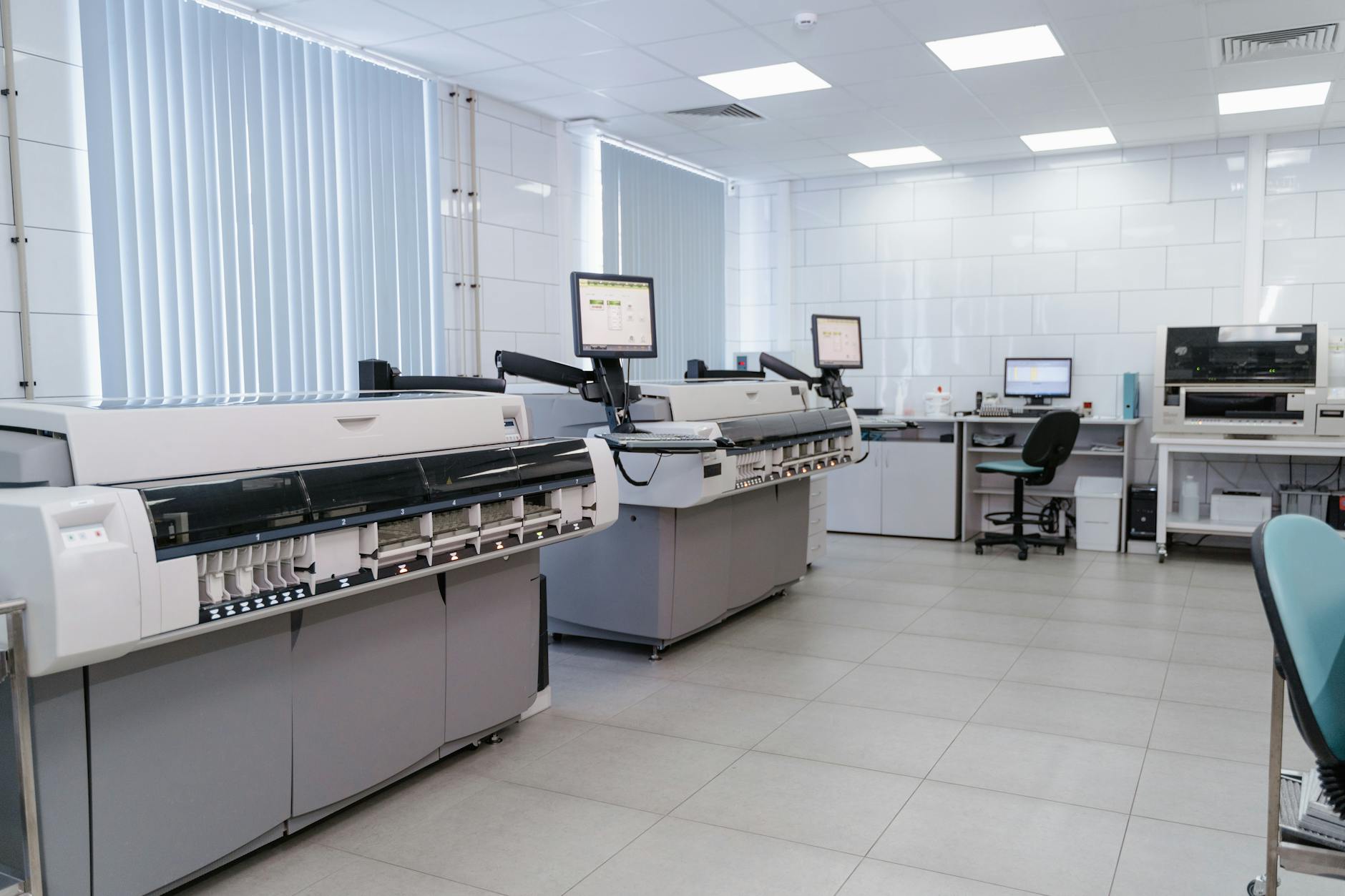
Researchers collaborating in a high-tech lab, surrounded by digital displays showing genomic data and AI algorithms.
Delivery Systems Innovation: Bridging the Gap to the Target
Efficient and safe delivery of CRISPR components to target cells remains a critical challenge. Innovations in delivery systems are vital for clinical translation.
| Delivery System Type | Mechanism | Advantages | Challenges |
|---|---|---|---|
| Viral Vectors (e.g., AAV, Lentivirus) | Engineered viruses deliver CRISPR components (DNA encoding Cas and gRNA) | High transduction efficiency, long-term expression, effective for in vivo applications. | Immunogenicity, packaging capacity limits, potential for random integration, manufacturing complexity. |
| Non-Viral Methods (e.g., Lipid Nanoparticles, mRNA, RNP) | Lipid nanoparticles (LNPs) encapsulate mRNA or pre-formed Ribonucleoproteins (RNPs) directly. | Lower immunogenicity, transient expression (reduces off-target risk), scalable manufacturing, tunable expression. | Lower efficiency in some cell types, stability issues, transient nature may require repeat dosing. |
| Physical Methods (e.g., Electroporation, Microinjection) | Direct physical introduction of CRISPR components into cells. | High efficiency for ex vivo editing, precise control. | Limited to ex vivo applications, potential for cell damage, not scalable for systemic in vivo delivery. |
Non-viral approaches, particularly LNPs delivering mRNA or RNPs, are gaining traction due to their modularity, reduced immunogenicity, and scalability for biomanufacturing.
Market Dynamics and Economic Impact: A New Era of Biopharma
The CRISPR therapeutics market is experiencing exponential growth, driven by increasing diagnoses of genetic diseases, growing awareness, and a surge in clinical trials. The global CRISPR therapeutics market size, valued at USD 116.0 million in 2025, is projected to reach USD 6,300.0 million by 2034, exhibiting a staggering CAGR of 50.45%.
The broader CRISPR technology market, encompassing research tools, diagnostics, and agriculture, is also expanding rapidly, projected to grow from $3.8 billion in 2024 to $7.5 billion by 2029 at a CAGR of 14.4%. Another estimate projects the market to grow from USD 2.87 billion in 2025 to USD 12.22 billion by 2035, with a CAGR of 15.60%.
Key Players and Investment Landscape
The competitive landscape is characterized by intense R&D, strategic collaborations, and a focus on commercialization. Leading companies include:
- CRISPR Therapeutics: A pioneer in therapeutic gene editing, known for CASGEVY® and a diverse oncology and rare disease pipeline.
- Vertex Pharmaceuticals: Partnered with CRISPR Therapeutics on CASGEVY®.
- Intellia Therapeutics: Focused on in vivo gene editing for conditions like hereditary angioedema and transthyretin amyloidosis.
- Editas Medicine: Holds key CRISPR IP and is advancing therapies for inherited retinal diseases and other conditions.
- Beam Therapeutics: A leader in base editing technology, with programs for sickle cell disease and alpha-1 antitrypsin deficiency.
- Prime Medicine: Focused on prime editing, with early clinical data showing efficacy and safety in treating chronic granulomatous disease (CGD).
- Verve Therapeutics (acquired by Eli Lilly): Pioneering in vivo base editing for cardiovascular diseases.
- Caribou Biosciences: Developing CRISPR-edited allogeneic CAR T-cell therapies for cancer.
Investment is flowing into the sector, with significant deals like Prevail Therapeutics (Eli Lilly subsidiary) securing rights to Scribe Therapeutics’ CRISPR X-Editing technologies for up to USD 1.57 billion.
| Company | Primary Technology Focus | Key Therapeutic Areas | Notable Achievements/Products |
|---|---|---|---|
| CRISPR Therapeutics | CRISPR-Cas9 | Hemoglobinopathies (Sickle Cell, Beta-Thalassemia), Oncology, Cardiovascular | CASGEVY® (FDA approved for SCD/Beta-Thalassemia) |
| Intellia Therapeutics | CRISPR-Cas9 (in vivo) | Hereditary Angioedema, Transthyretin Amyloidosis | Lonvoguran ziclumeran (Phase 3), Nexiguran ziclumeran (Phase 1) |
| Editas Medicine | CRISPR-Cas9, Engineered nucleases | Inherited Retinal Diseases, Sickle Cell Disease | Clinical trials for LCA10 |
| Beam Therapeutics | Base Editing | Sickle Cell Disease, Alpha-1 Antitrypsin Deficiency | Ristoglogene autogetemcel (Phase 1/2 for SCD) |
| Prime Medicine | Prime Editing | Chronic Granulomatous Disease, Alpha-1 Antitrypsin Deficiency | PM359 (Phase 1 for CGD, positive early data) |
| V
|