Harnessing the Power of AI-Driven Edge Computing for Real-Time Industrial Control and Optimization
In the relentless pursuit of operational excellence and unprecedented efficiency, industries worldwide are standing at the precipice of a transformative era. The convergence of Artificial Intelligence (AI) and Edge Computing is not merely an incremental advancement; it represents a paradigm shift, fundamentally redefining how control systems are architected and how industrial processes are optimized in real-time. This master manuscript delves into the intricate strategies, profound implications, and future trajectories of leveraging AI at the edge for industrial applications, presenting a comprehensive blueprint for businesses aiming to secure a dominant position in the autonomous future.
The Imperative for Real-Time Industrial Intelligence
Traditional industrial control systems, while robust, often grapple with latency issues inherent in centralized cloud architectures. Data collected from sensors and machinery must travel to a central server for processing and analysis, introducing delays that can be critical in dynamic industrial environments. This latency can hinder immediate decision-making, compromise safety protocols, and impede the fine-tuning of processes for optimal output. The demand for instantaneous insights and autonomous responses has never been more acute, driven by the increasing complexity of manufacturing, logistics, and critical infrastructure operations.
“The future of industrial control lies not in distant data centers, but in the intelligent processing power distributed at the very point of action.” – Vespellar Nexus Insights
AI-driven edge computing addresses this challenge head-on by bringing computational power and intelligence closer to the data source. This distributed intelligence enables real-time data processing, anomaly detection, predictive maintenance, and immediate control adjustments, all without the need for constant communication with a central cloud. This not only reduces latency but also enhances data security, reduces bandwidth costs, and improves system resilience.

A futuristic factory floor with robotic arms and AI interfaces, showcasing seamless human-robot collaboration and real-time data visualization on holographic displays.
Key Pillars of AI-Driven Edge Computing in Industry
The successful implementation of AI at the edge for industrial control and optimization rests on several foundational pillars:
1. Edge AI Hardware and Infrastructure
The physical foundation of edge AI lies in specialized hardware. This includes powerful yet energy-efficient processors, dedicated AI accelerators (like TPUs and GPUs), and robust sensor networks capable of capturing high-fidelity data. These edge devices must be designed to withstand harsh industrial environments, operate reliably, and manage the computational load of running sophisticated AI models locally.
2. Real-Time Data Acquisition and Preprocessing
The efficacy of any AI model is heavily dependent on the quality and relevance of the data it processes. At the edge, this involves sophisticated mechanisms for capturing data from a multitude of sources—sensors, cameras, PLCs, and other industrial equipment—and performing real-time preprocessing. This includes data cleaning, feature extraction, and normalization, ensuring that the AI algorithms receive data in an optimal format for analysis.
3. Edge AI Model Deployment and Inference
Deploying AI models to edge devices requires careful consideration of computational constraints, power consumption, and model size. Techniques such as model quantization, pruning, and knowledge distillation are employed to create lightweight yet powerful models capable of performing inference directly on edge hardware. This enables instantaneous decision-making and automated control actions.
4. Distributed AI and Federated Learning
In complex industrial ecosystems, a single edge device may not possess all the necessary intelligence. Distributed AI architectures allow multiple edge devices to collaborate, sharing insights and collectively optimizing performance. Federated learning, a privacy-preserving technique, enables models to be trained across multiple edge devices without centralizing sensitive data, thereby enhancing security and allowing for continuous learning from diverse operational environments.
5. Real-Time Control and Optimization Algorithms
At the heart of industrial application are the AI algorithms themselves. These range from advanced machine learning models for predictive maintenance and anomaly detection to reinforcement learning agents capable of dynamically adjusting control parameters for optimal performance. These algorithms must be designed for real-time execution, ensuring that control actions are taken within milliseconds to maintain system stability and efficiency.
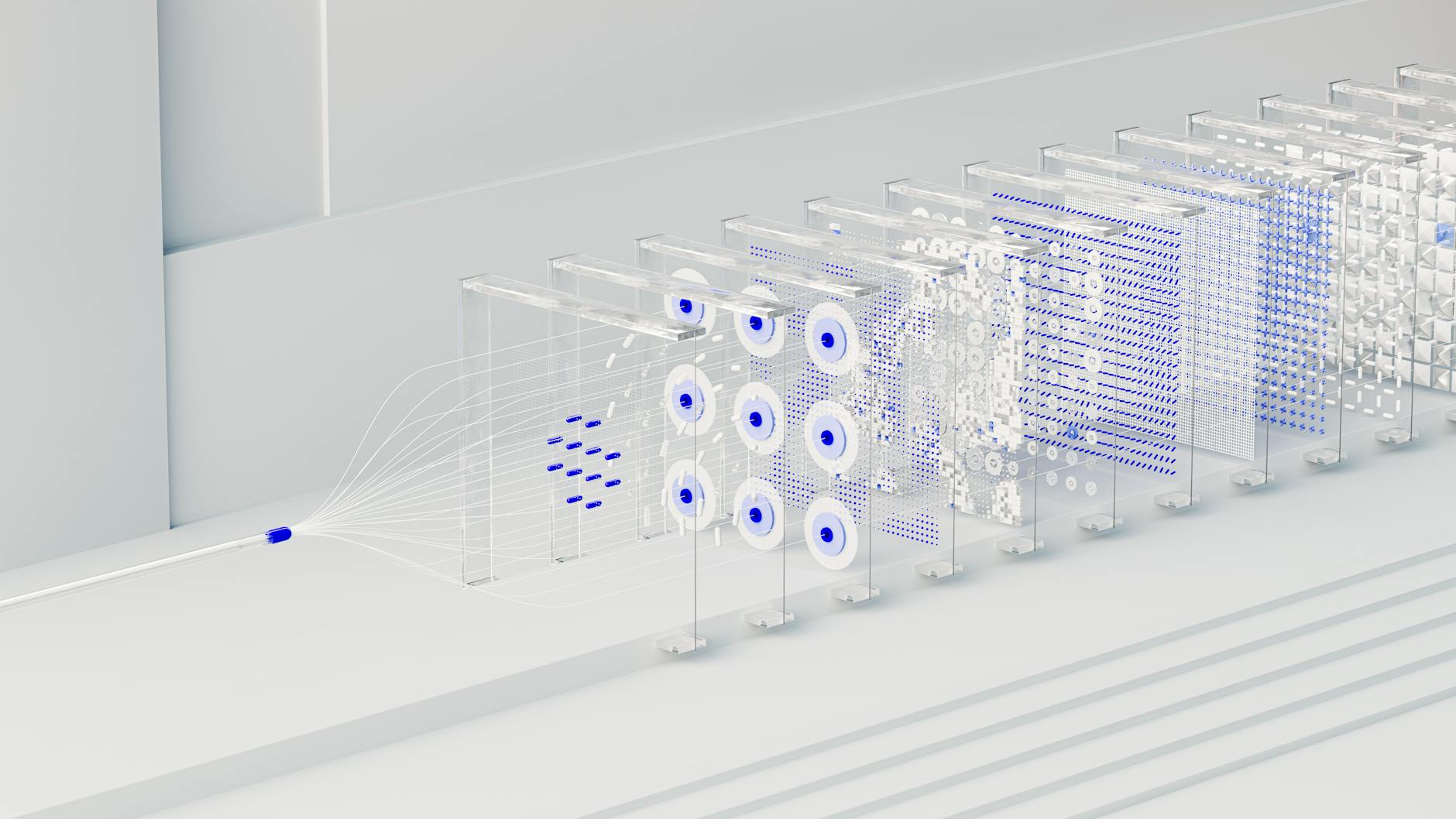
A network diagram illustrating distributed AI agents communicating between edge devices and a central cloud, highlighting data flow and processing at various nodes.
Case Studies: AI-Powered Edge Computing in Action
The theoretical framework of AI-driven edge computing is already yielding tangible results across various industrial sectors:
Case Study 1: Predictive Maintenance in Manufacturing
A global automotive manufacturer implemented an AI-powered edge computing solution on its assembly lines. Sensors embedded in critical machinery continuously monitor vibration, temperature, and power consumption. Edge devices analyze this data in real-time using machine learning models to predict potential equipment failures before they occur. This proactive approach has significantly reduced unplanned downtime, minimized maintenance costs, and extended the lifespan of machinery, leading to an estimated 15% increase in overall equipment effectiveness (OEE).
Case Study 2: Quality Control in Food and Beverage Production
In the food and beverage industry, maintaining consistent product quality is paramount. A leading beverage company deployed AI-enabled cameras and edge processing units on its bottling lines. These systems perform real-time visual inspection, identifying defects such as contamination, incorrect fill levels, or faulty sealing with high accuracy. Any deviation triggers an immediate alert or diverts the affected product, ensuring that only conforming products reach consumers and minimizing waste.
Case Study 3: Traffic Management and Optimization
Smart city initiatives are increasingly leveraging edge AI for intelligent traffic management. Cameras and sensors at intersections feed real-time traffic data to edge devices. AI algorithms analyze this data to dynamically adjust traffic light timings, optimize signal phasing, and predict traffic flow patterns. This not only reduces congestion and travel times but also improves fuel efficiency and reduces emissions.
| Benefit | Description | Impact |
|---|---|---|
| Reduced Latency | Real-time data processing and decision-making at the source. | Enables immediate response to critical events, improved safety. |
| Enhanced Efficiency | Dynamic optimization of processes based on real-time conditions. | Increased throughput, reduced waste, optimized resource utilization. |
| Improved Reliability | Predictive maintenance and anomaly detection minimize unplanned downtime. | Higher OEE, extended asset lifespan, reduced operational costs. |
| Increased Security | Local data processing reduces the attack surface and reliance on external networks. | Enhanced data privacy and protection of sensitive operational information. |
| Reduced Bandwidth Costs | Processing data locally minimizes the need to transmit large datasets to the cloud. | Significant cost savings, especially in remote or bandwidth-constrained environments. |
Architecting the Future: Strategic Imperatives and Challenges
While the potential of AI-driven edge computing is immense, its successful adoption requires a strategic approach and careful consideration of potential challenges:
1. Scalability and Interoperability
Industrial environments are dynamic and complex. Solutions must be scalable to accommodate growing data volumes and increasing numbers of edge devices. Furthermore, ensuring interoperability between diverse hardware, software, and legacy systems is crucial for seamless integration.
2. Cybersecurity at the Edge
Distributing intelligence to the edge also expands the potential attack surface. Robust cybersecurity measures, including secure boot, data encryption, access control, and intrusion detection systems, are paramount to protect edge devices and the data they process.
3. Talent and Skill Development
Implementing and managing AI-driven edge solutions requires a workforce with specialized skills in AI, machine learning, embedded systems, and cybersecurity. Investing in training and development programs is essential to bridge the skills gap.
4. Data Governance and Privacy
As more data is collected and processed at the edge, establishing clear data governance policies and ensuring compliance with privacy regulations becomes critical. Techniques like federated learning and differential privacy can play a significant role in mitigating these concerns.

A stylized graphic representing a secure, decentralized network of edge devices, with data flowing securely and efficiently.
5. Model Management and Lifecycle
AI models deployed at the edge need continuous monitoring, updating, and retraining to maintain their accuracy and effectiveness. Establishing a robust model lifecycle management framework is essential for long-term success.
The Vespellar Nexus Perspective: Autonomous Archives and Future-Proofing
At Vespellar Nexus, we envision a future where industrial intelligence is not only real-time but also permanently archived and accessible for continuous learning and auditing. Our approach to AI-driven edge computing is intrinsically linked to the concept of the ‘Autonomous Archive,’ ensuring that every processed insight, every optimized decision, and every learned pattern is immutably recorded. This not only provides a comprehensive historical record but also facilitates the development of more sophisticated, self-improving AI systems. Furthermore, our work in areas like post-quantum cryptography (as highlighted in Quantum Aegis) is crucial for architecting the transition to quantum-resistant security protocols, ensuring that these advanced industrial control systems remain secure against future threats.
“The Autonomous Archive is the bedrock of perpetual industrial evolution, ensuring that every byte of intelligence fuels future innovation.” – Vespellar Nexus Vision
By integrating AI at the edge, industries can unlock unprecedented levels of automation, efficiency, and responsiveness. This technology is not just about optimizing current operations; it’s about building resilient, adaptive, and intelligent industrial ecosystems capable of navigating the complexities of the 21st century and beyond. The journey towards this future is characterized by continuous innovation, strategic implementation, and a commitment to harnessing the full potential of distributed intelligence.
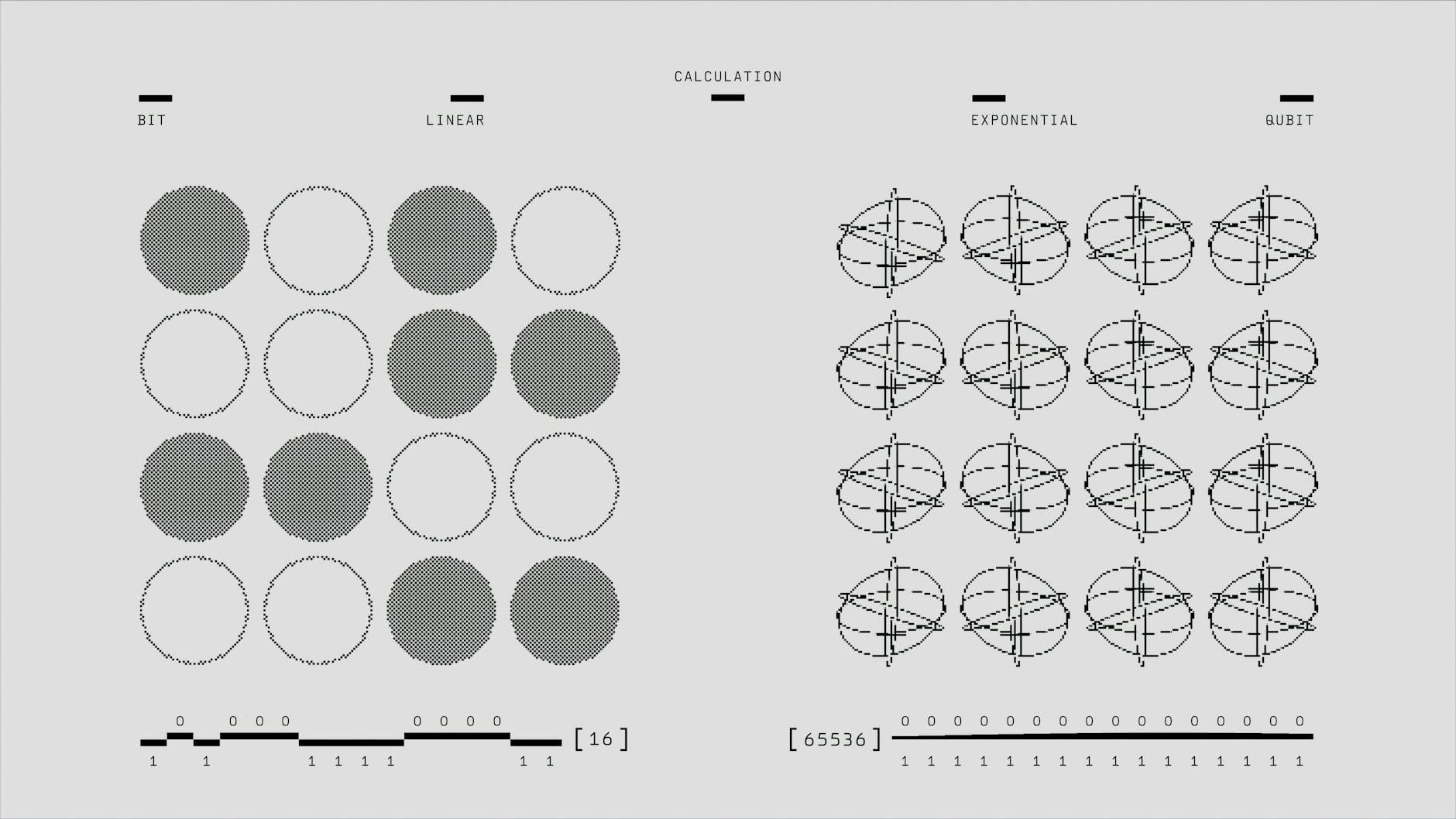
A conceptual visualization of an ‘Autonomous Archive’ storing vast amounts of industrial data and AI insights in a secure, quantum-resistant digital vault.
Conclusion: Embracing the Edge for Industrial Supremacy
The integration of AI-driven edge computing represents a pivotal moment for industries seeking to achieve peak performance and maintain a competitive edge. By decentralizing intelligence, enabling real-time decision-making, and optimizing processes at their source, businesses can unlock new levels of efficiency, reliability, and innovation. The strategic adoption of these technologies, coupled with a forward-thinking approach to data governance and security, will pave the way for a more intelligent, autonomous, and prosperous industrial future. The time to embrace the edge is now, transforming operational challenges into strategic advantages and architecting a legacy of industrial excellence.
A high-level, abstract representation of interconnected smart factories operating autonomously, powered by edge AI and global data networks.
A close-up shot of a sophisticated AI chip embedded within an industrial sensor, glowing with intellectual energy.
A split image showing a traditional factory on one side and a highly automated, AI-driven smart factory on the other, symbolizing the transformative power of edge AI.