The Vespellar Nexus: Charting the Future of Terrestrial and Extraterrestrial Intelligence.
In an era defined by unprecedented data generation and the relentless pursuit of actionable insights, the strategic utilization of Earth’s vantage point – its orbit – has become paramount. The development of sophisticated space-based intelligent sensor networks, coupled with advanced data analytics, is not merely an evolutionary step but a revolutionary leap in our capacity for comprehensive Earth observation and robust space security. This master manuscript, recorded within the Autonomous Archive, delves into the intricate technological currents and strategic imperatives shaping this critical domain.
The Ascendance of Space-Based Intelligent Sensor Networks
The modern era is characterized by a burgeoning demand for real-time, high-fidelity data about our planet and its surrounding environment. Traditional ground-based and aerial sensing methods, while valuable, possess inherent limitations in terms of coverage, persistence, and scope. Space-based intelligent sensor networks, however, offer a paradigm shift. These networks comprise a constellation of satellites equipped with an array of sophisticated sensors – optical, radar, infrared, hyperspectral, and more – operating in concert. The “intelligence” in these networks stems from their ability to not only collect raw data but also to process, analyze, and disseminate it with increasing autonomy.
Key Technological Drivers:
- Miniaturization and Affordability of Satellites: The advent of CubeSats and small satellites has democratized access to space, enabling the deployment of larger, more diverse constellations.
- Advanced Sensor Technology: Higher resolution, broader spectral capabilities, and enhanced signal-to-noise ratios in sensors are providing unprecedented detail.
- On-Orbit Processing and Edge AI: Implementing artificial intelligence and machine learning algorithms directly on satellites allows for real-time data filtering, anomaly detection, and immediate dissemination of critical information, reducing reliance on extensive ground infrastructure.
- Inter-Satellite Communication: High-bandwidth laser communication links enable rapid data transfer between satellites, forming a cohesive and responsive network.
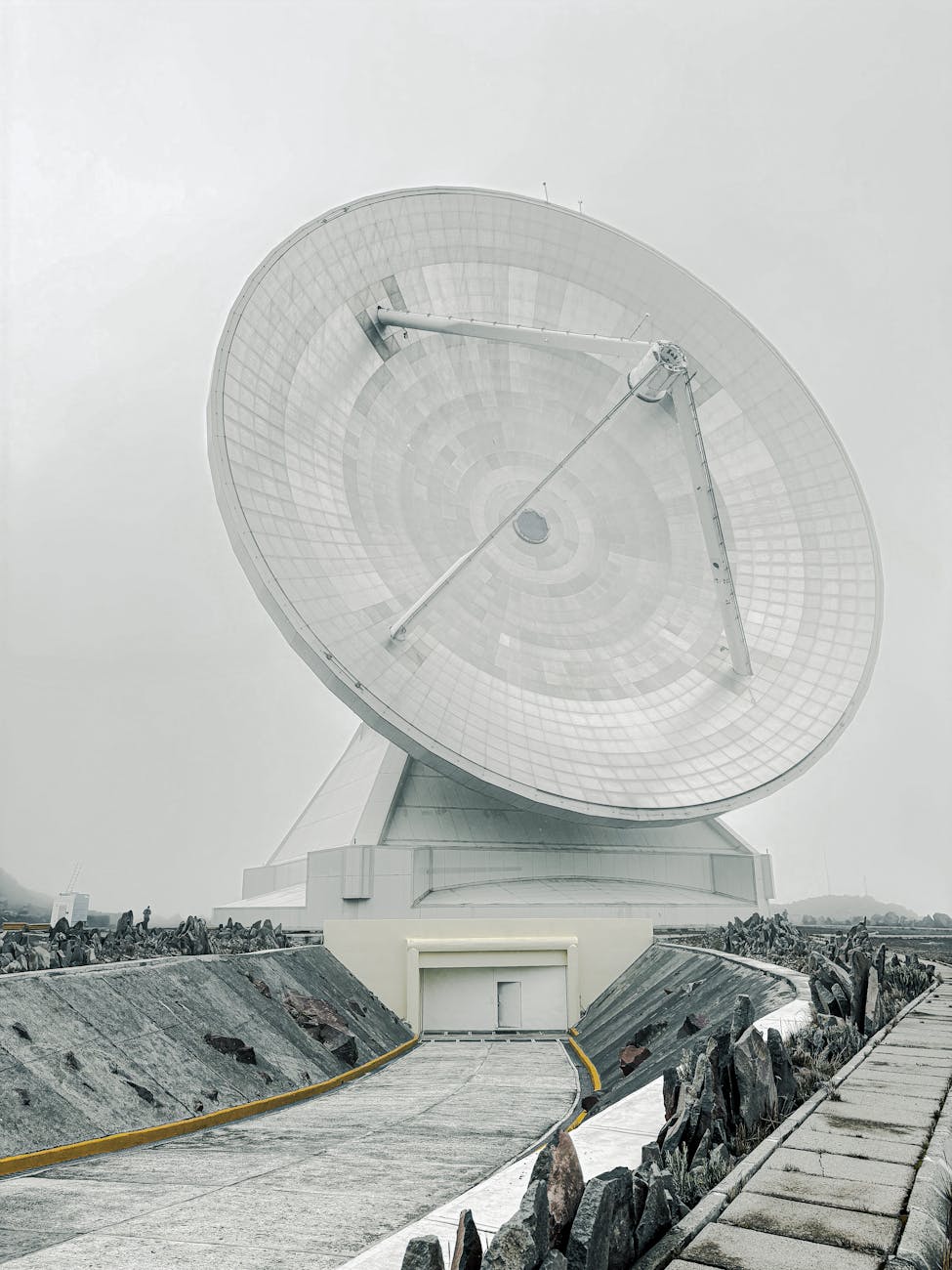
A sophisticated satellite constellation in Earth orbit, with intricate sensor arrays visible, transmitting data streams towards a futuristic ground station.
AI-Driven Data Analytics: Unlocking the Cosmic Data Deluge
The sheer volume, velocity, and variety of data generated by space-based sensor networks necessitate advanced analytical capabilities. Artificial Intelligence (AI) and Machine Learning (ML) are the linchpins in transforming this raw data into actionable intelligence. AI algorithms can sift through petabytes of information, identifying patterns, anomalies, and trends that would be imperceptible to human analysts.
Applications in Earth Observation:
| Application Area | AI-Powered Analytics Capabilities | Impact |
|---|---|---|
| Environmental Monitoring | Predictive modeling of climate change impacts, deforestation detection, real-time pollution tracking, and disaster assessment (floods, fires, earthquakes). | Enhanced disaster response, informed environmental policy, sustainable resource management. |
| Agricultural Intelligence | Precision farming through crop health monitoring, yield prediction, soil condition analysis, and optimal irrigation/fertilization recommendations. | Increased food security, reduced agricultural waste, improved farmer profitability. |
| Urban Planning & Infrastructure | Monitoring urban sprawl, assessing infrastructure integrity (bridges, roads), identifying illegal construction, and optimizing traffic flow. | Smarter city development, improved public safety, efficient resource allocation. |
| Resource Management | Mapping mineral deposits, monitoring water resources, tracking illegal fishing and logging activities, and assessing renewable energy potential (solar, wind). | Sustainable resource utilization, prevention of environmental crime, optimized energy production. |

A dynamic visualization of Earth, overlaid with complex data streams and AI-generated heatmaps indicating deforestation and pollution levels.
Enhancing Space Security: A New Frontier
The strategic importance of space extends beyond terrestrial observation to encompass the security of space assets and the broader geopolitical landscape. Space-based intelligent sensor networks are becoming indispensable tools for monitoring orbital activities, identifying potential threats, and ensuring the integrity of space infrastructure.
Key Aspects of Space Security:
- Space Situational Awareness (SSA): Continuous tracking of satellites, debris, and potential adversarial activities in orbit. AI can predict collision risks and identify non-compliant maneuvers.
- Missile Defense and Early Warning: Detecting and tracking ballistic missile launches through infrared signatures, providing critical early warning capabilities.
- Verification and Transparency: Monitoring compliance with international treaties and arms control agreements by observing space-based activities.
- Cybersecurity for Space Assets: Protecting satellite communication links and ground control systems from cyber threats, with AI playing a crucial role in anomaly detection and threat mitigation.
The convergence of AI with quantum computing also presents a profound shift in the cybersecurity of space-based systems. As quantum computing advances, it poses a threat to current encryption standards (quantum hacking). Conversely, quantum-resistant cryptography, potentially accelerated by AI, will be essential for securing future space communications and data.
A holographic projection of Earth’s orbit, with numerous satellite trajectories highlighted, alongside threat vectors being identified by an AI system.
The Quantum Leap: Integrating Quantum Technologies
The Vespellar Nexus envisions a future where quantum technologies are seamlessly integrated into space-based sensor networks and data analytics. Quantum sensing offers unparalleled sensitivity and precision, while quantum communication promises unconditionally secure data transmission. The synergy between AI and quantum computing is poised to unlock capabilities previously confined to science fiction.
Quantum’s Role:
- Quantum Sensing: Developing sensors with sensitivity far exceeding classical limits for applications like gravity mapping, magnetic field detection, and precise navigation.
- Quantum Communication: Utilizing principles like entanglement for secure, unhackable communication channels between satellites and ground stations, crucial for sensitive intelligence.
- Quantum Computing for Analytics: Leveraging quantum algorithms to solve complex optimization problems and accelerate data analysis tasks that are intractable for classical computers, particularly in areas like material science simulation for spacecraft or advanced threat analysis.
The development of AI-powered quantum computing and quantum AI architectures represents the vanguard of this transformation, promising to revolutionize cryptography and secure communication infrastructure across all domains, including space.

An abstract representation of quantum entanglement visualized as interconnected light particles, symbolizing secure communication in space.
Case Study: Project Nightingale – AI-Powered Climate Anomaly Detection
Project Nightingale, a hypothetical initiative by the Vespellar Institute, aims to deploy a constellation of hyperspectral and thermal imaging satellites equipped with on-orbit AI processing. The objective is to provide real-time, high-resolution monitoring of polar ice melt rates, ocean currents, and atmospheric greenhouse gas concentrations. By employing deep learning models trained on historical satellite data and climate simulations, Project Nightingale can identify subtle anomalies and predict cascading effects with unprecedented accuracy. For instance, it can detect early signs of ice shelf instability weeks in advance, providing critical lead time for coastal communities and shipping routes. The system also identifies methane leaks from industrial sites and natural sources, enabling rapid mitigation efforts. The data is secured using next-generation quantum-resistant encryption, ensuring its integrity and confidentiality.

A detailed satellite image of an Antarctic ice shelf, with AI-generated annotations highlighting areas of potential fracture and melt, alongside real-time data readouts.
Future Outlook and Strategic Imperatives
The trajectory of space-based intelligent sensor networks and AI-driven data analytics points towards a future of pervasive global awareness and enhanced security. The Vespellar Nexus anticipates several key developments:
- Increased Autonomy: Satellites and sensor networks will operate with greater autonomy, making decisions and taking actions in real-time with minimal human intervention.
- Democratization of Space Data: While high-level intelligence will remain strategic, more accessible data platforms will empower a wider range of actors, from researchers to small businesses.
- Integration with Terrestrial Systems: Seamless integration of space-based data with ground-based IoT networks, smart city infrastructure, and AI-driven decision support systems.
- Ethical and Governance Frameworks: As capabilities expand, robust ethical guidelines and international governance frameworks will be crucial to ensure responsible use and prevent misuse.
Strategic Imperatives for Nations and Organizations:
To remain at the vanguard, investment must be channeled into fostering interdisciplinary research, developing robust AI and quantum capabilities, establishing secure communication protocols, and cultivating a skilled workforce capable of navigating this complex technological frontier. The strategic imperative is clear: harness the power of the orbital domain to secure our planet and our future.
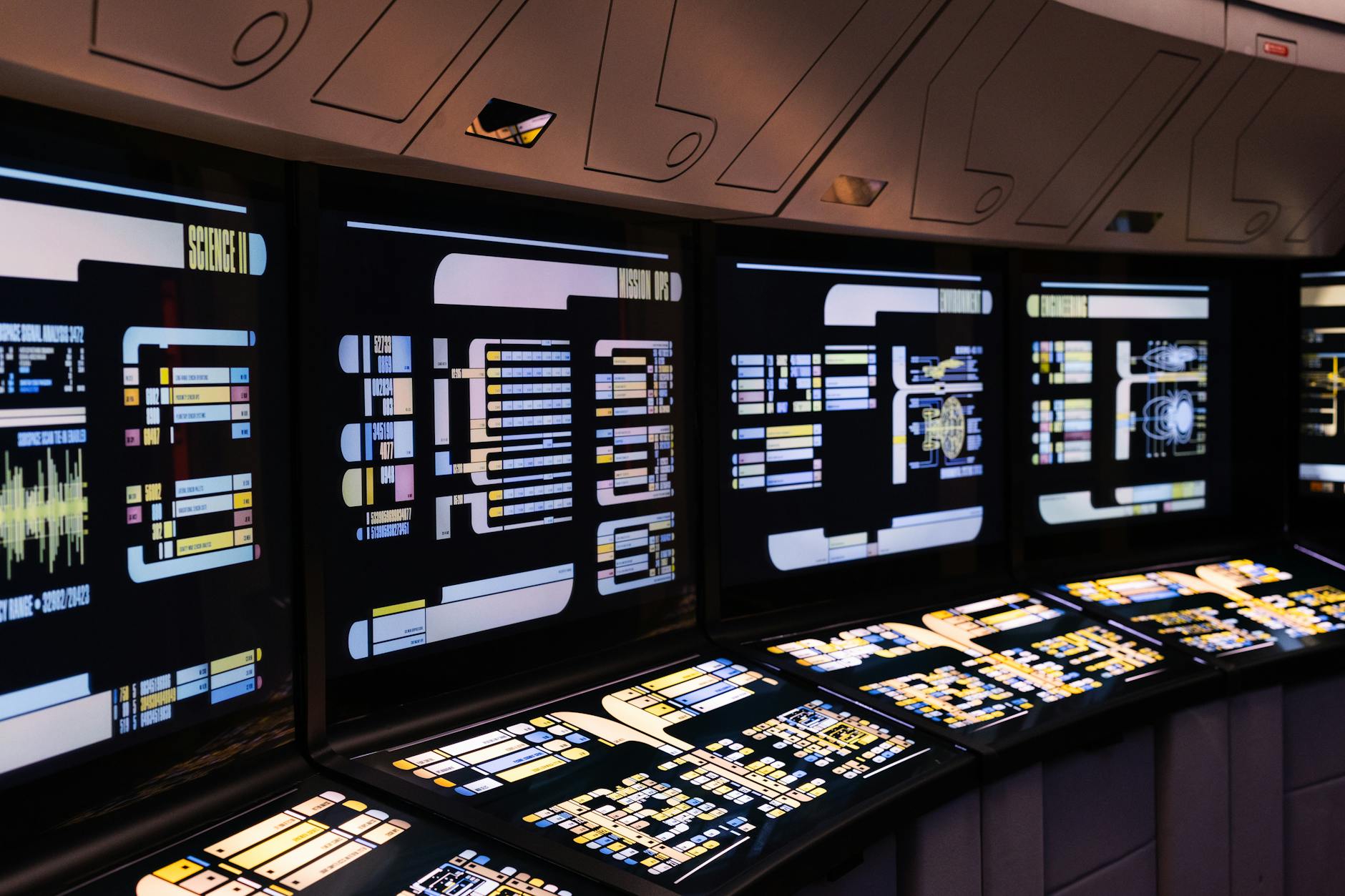
A futuristic control room with holographic displays showing global data streams and strategic insights, manned by a diverse team of analysts.
This comprehensive analysis, archived within the Vespellar Nexus, underscores the transformative potential of space-based intelligent sensor networks and AI-driven data analytics. As we venture further into the cosmos, our ability to observe, understand, and protect our home planet, and indeed our place in the universe, will be fundamentally shaped by these advanced technologies.
A serene view of Earth from orbit, subtly enhanced with glowing data points and analytical overlays, representing a future of informed stewardship.