Autonomous Archive Entry: 001-SBSP-2026-Vespellar
The dawn of a new energy epoch is upon us, heralded not by terrestrial innovation alone, but by a celestial symphony of human ingenuity and cosmic potential. As a beacon from the Vespellar Nexus, this master manuscript delves into the profound advancements and strategic imperatives surrounding Space-Based Solar Power (SBSP) – an audacious vision poised to redefine our global energy paradigm. This is not merely an analysis; it is a foresight into the very architecture of our future energy independence and planetary stewardship.
The Celestial Beacon: Understanding Space-Based Solar Power (SBSP)
Humanity’s relentless pursuit of sustainable, abundant energy has always been constrained by the finite resources and intermittent nature of terrestrial sources. Space-Based Solar Power (SBSP) emerges as a transcendent solution, promising an inexhaustible, always-on energy supply by capturing solar radiation in Earth’s orbit, where it is unfettered by atmospheric absorption or diurnal cycles. This captured energy is then beamed wirelessly to receiving stations on Earth, offering a clean, continuous, and globally accessible power source.

A futuristic artist’s rendition of a massive solar power satellite in geosynchronous orbit, beaming energy towards Earth with a visible, focused beam.
At its core, an SBSP system comprises several critical components:
- Solar Collectors: Vast arrays of photovoltaic (PV) panels, optimized for the harsh space environment, designed to maximize solar energy capture.
- Power Transmission System: Converting collected electrical energy into microwave or laser beams for efficient wireless transmission to Earth.
- Receiving Stations (Rectennas): Large ground-based antennas that efficiently convert the beamed energy back into usable electricity for integration into national grids.
- Orbital Infrastructure: The structural framework, attitude control systems, and robotic assembly mechanisms necessary for deploying and maintaining these colossal structures in space.
The allure of SBSP lies in its inherent advantages: uninterrupted sunlight, higher intensity solar radiation, and the ability to mitigate climate change by providing a carbon-free energy solution. It represents a fundamental shift from resource-dependent energy models to an infrastructure-dependent one, leveraging the vastness of space as our ultimate power plant.
Current Development Trajectories and Technological Frontiers
The journey towards viable SBSP has been punctuated by significant technological breakthroughs and ambitious national programs. What was once relegated to the realm of science fiction is now rapidly converging into engineering reality, propelled by advancements in materials science, robotics, artificial intelligence, and launch capabilities.
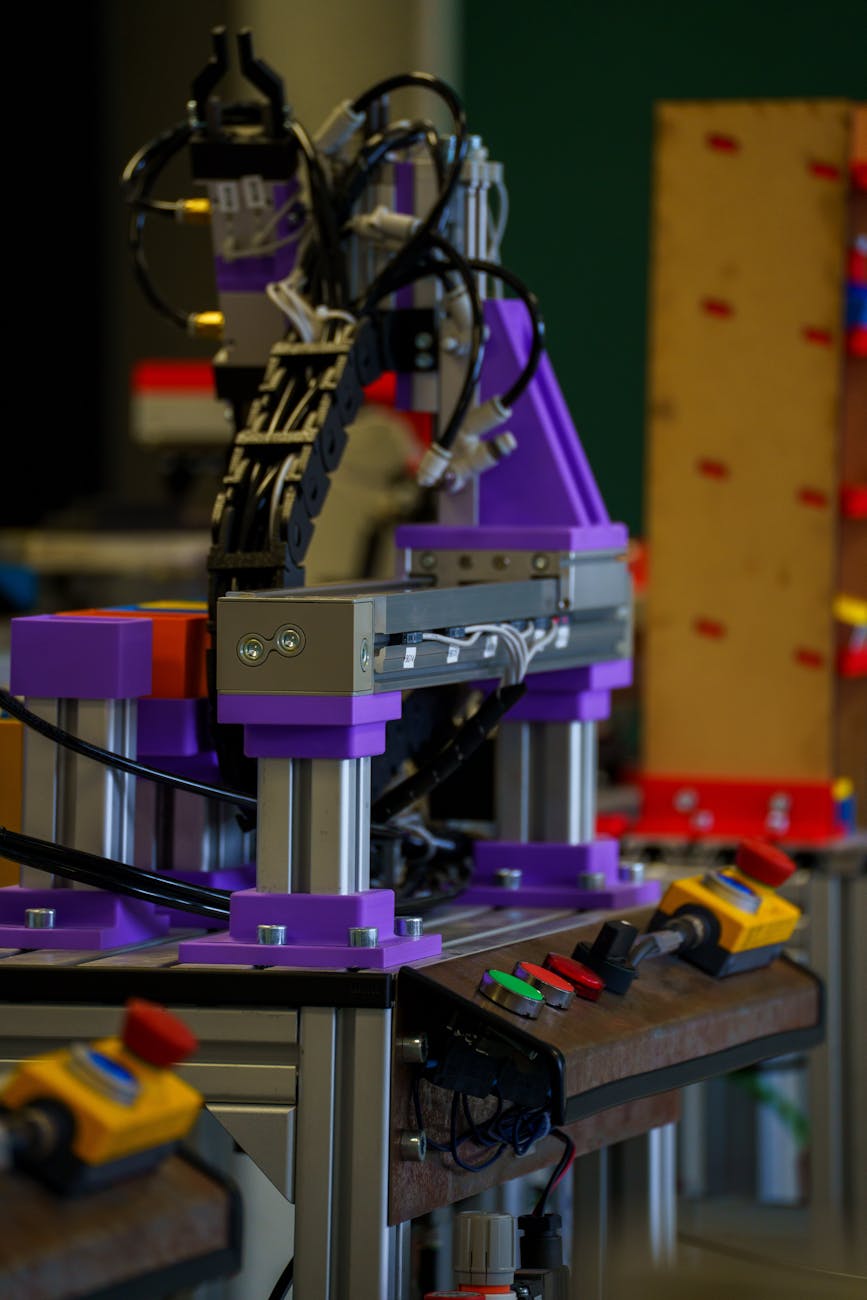
Close-up of a robotic arm assembling modular components of a solar array in the vacuum of space, with Earth visible in the background.
Global Initiatives and National Imperatives
Nations worldwide are recognizing the strategic importance of SBSP, investing heavily in research and demonstration projects. This global race for orbital energy dominance is fostering unprecedented innovation:
- United States: Initiatives like Caltech’s Space Solar Power Project (SSPP) have successfully demonstrated wireless power transmission in space, converting solar energy into electricity and beaming it to Earth. The SSPP-1 mission, launched in January 2023, is a pivotal step, testing key technologies like lightweight solar panels and microwave power transmitters. The U.S. Department of Defense has also explored SBSP for resilient energy solutions for forward operating bases.
- China: China has one of the most aggressive SBSP roadmaps, aiming for a fully operational gigawatt-scale power station by mid-century. Their Chongqing Space Solar Power Station project envisions a multi-stage approach, with initial tests in low Earth orbit (LEO) before scaling up to geosynchronous orbit (GEO).
- Japan: JAXA (Japan Aerospace Exploration Agency) has long been a pioneer in SBSP research, focusing on highly efficient microwave power transmission and advanced lightweight structures. Their long-term vision includes a commercial SBSP system by the 2040s.
- United Kingdom: The UK government has shown increasing interest, with studies exploring the feasibility and economic benefits of SBSP as part of its national space strategy. The UK Space Energy Initiative (SEI) brings together industry, academia, and government to accelerate development.
- European Space Agency (ESA): ESA’s SOLARIS initiative is exploring the technical and economic viability of SBSP for Europe, considering various approaches and fostering international collaboration.
The Symbiotic Role of AI and Autonomous Robotics
The scale and complexity of constructing and maintaining kilometer-scale structures in orbit necessitate a paradigm shift in space operations. This is where AI-powered space exploration and autonomous robotics become indispensable, acting as the silent architects of our orbital energy future. From automated assembly and precise module alignment to predictive maintenance and anomaly detection, AI and robotics will dramatically reduce operational costs and enhance system reliability.

A sophisticated AI interface displaying real-time data from an SBSP system, with holographic projections of robotic operations and energy transmission pathways.
- Autonomous Assembly: Swarms of intelligent robots, guided by advanced AI algorithms, can construct vast solar arrays with unprecedented precision and speed, far surpassing human capabilities in the vacuum of space. This minimizes the need for costly and risky human extravehicular activity (EVA).
- In-Situ Resource Utilization (ISRU): While not directly SBSP construction, the broader space economy benefits from ISRU, where lunar or asteroid resources could eventually be used to manufacture components in space, further reducing launch costs.
- Smart Energy Management: AI can optimize power collection, transmission, and distribution, adapting to varying solar conditions and terrestrial energy demands, ensuring maximum efficiency and grid stability.
- Predictive Maintenance: Machine learning models can analyze sensor data from SBSP components to predict potential failures, enabling proactive repairs by autonomous robotic systems and extending the operational lifespan of satellites.
The integration of these advanced technologies transforms SBSP from a monumental engineering challenge into a manageable, albeit ambitious, endeavor. The ‘Autonomous Archive’ foresees a future where orbital infrastructure is self-assembling, self-maintaining, and self-optimizing, powered by the intelligence we imbue into our machines.
Global Energy Paradigm Shift: A Strategic Imperative
The advent of commercially viable SBSP systems promises a transformative shift in the global energy paradigm, addressing some of humanity’s most pressing challenges – climate change, energy security, and sustainable development. This is not merely an addition to the energy mix; it is a fundamental re-architecture of how nations power their futures.

A stylized world map with glowing lines representing energy transmission routes from multiple orbital SBSP stations to various continents, symbolizing global energy connectivity.
Addressing Climate Change and Environmental Stewardship
SBSP offers a truly carbon-neutral energy source. Unlike fossil fuels, it produces no greenhouse gas emissions during operation. Unlike terrestrial renewables, its continuous output reduces the need for extensive energy storage, which often carries its own environmental footprint. By providing a stable baseline power supply, SBSP can accelerate the retirement of coal-fired power plants and reduce reliance on other carbon-intensive energy sources, making a profound impact on global decarbonization targets.
Enhancing Energy Security and Geopolitical Stability
For decades, global energy security has been inextricably linked to volatile geopolitical landscapes and finite fossil fuel reserves. SBSP offers an unprecedented level of energy independence. Nations with access to SBSP technology can secure their energy supply from a source beyond terrestrial disputes and supply chain disruptions. This shift could fundamentally alter geopolitical dynamics, reducing resource-driven conflicts and fostering a new era of energy-based cooperation.
Economic Transformation and New Industrial Epochs
The development and deployment of SBSP will catalyze a new industrial revolution, comparable to the space race of the 20th century. This will spur massive investments in:
- Advanced Manufacturing: For lightweight materials, high-efficiency solar cells, and advanced electronics.
- Launch Services: Driving down the cost of access to space through reusable rockets and innovative launch platforms.
- Robotics and AI: For in-space construction, maintenance, and system optimization.
- Ground Infrastructure: For rectenna construction and grid integration.
This economic stimulus will create millions of high-tech jobs, foster innovation across multiple sectors, and establish new global supply chains. The ‘Orbital Quantum Frontiers’ era, with its focus on advanced space infrastructure, will be significantly bolstered by the emergence of SBSP as a cornerstone technology.
Integrating with Existing Energy Grids
The integration of SBSP into existing national and regional energy grids presents both challenges and opportunities. SBSP’s consistent power output can provide crucial baseload power, complementing intermittent terrestrial renewables like wind and solar farms. Advanced grid management systems, potentially enhanced by AI, will be essential to seamlessly incorporate this new, stable energy source, ensuring grid stability and optimizing energy flow. The strategic deployment of rectennas in diverse geographical locations can also enhance grid resilience against localized disruptions.
Challenges and the Vespellar Solution Matrix
While the promise of SBSP is immense, its realization is not without significant challenges. The Vespellar Nexus acknowledges these hurdles not as impediments, but as catalysts for further innovation and strategic collaboration.

A complex infographic illustrating the challenges (e.g., launch costs, technical complexity, regulatory hurdles) and corresponding Vespellar-branded solutions (e.g., reusable rockets, AI-driven automation, international consortia).
Table 1: Key Challenges and Vespellar Mitigation Strategies for SBSP Deployment
| Challenge Area | Specific Hurdles | Vespellar Mitigation Strategies |
|---|---|---|
| Economic Viability | High initial launch and construction costs; Return on Investment (ROI) uncertainty. | Massive reduction in launch costs via reusable heavy-lift rockets; Modular design for phased deployment; Public-private partnerships and international consortia; Carbon credits and green energy incentives. |
| Technical Complexity | Lightweight, high-efficiency components; Wireless power transmission efficiency and safety; In-space autonomous assembly. | Advanced materials science (e.g., ultralight composites, perovskite solar cells); AI-driven beam steering and safety protocols; Sophisticated autonomous robotics for construction and maintenance. |
| Regulatory & Policy Frameworks | Spectrum allocation for power beaming; Space debris mitigation; International treaties and governance. | Proactive international dialogues and treaty development; Standardized debris tracking and removal systems; Global regulatory bodies for SBSP. |
| Environmental Concerns | Potential microwave interference; Space debris accumulation. | Precision beam control and low-power density at ground level; Active space debris removal initiatives; Designing for deorbit or repurposing at end-of-life. |
Technological Roadmaps and Breakthroughs
The advancement of SBSP is intrinsically linked to concurrent breakthroughs in several key technological domains. The Autonomous Archive tracks these developments meticulously:
Table 2: Key Technological Components for SBSP and Their Development Status
| Technological Component | Description & Significance | Current Development Status & Future Outlook |
|---|---|---|
| High-Efficiency Photovoltaics | Solar cells optimized for space, resilient to radiation, and lightweight. | Multi-junction cells achieving >40% efficiency; Emerging perovskite and thin-film technologies promise lighter, more flexible arrays. |
| Wireless Power Transmission (WPT) | Efficient and safe conversion of electricity to microwaves/lasers and back. | Demonstrated in laboratory and small-scale space experiments (e.g., Caltech SSPP-1); Focus on improving end-to-end efficiency and beam control. |
| Lightweight Structures & Materials | Reducing mass for launch, maintaining structural integrity in space. | Advanced composites, inflatable structures, and deployable mechanisms are maturing; In-space manufacturing holds future promise. |
| Autonomous Robotics & AI | For in-space assembly, maintenance, and system optimization. | Rapid advancements in dexterous robotics, AI planning, and machine vision; Critical for reducing reliance on human intervention. |
| Low-Cost Space Launch | Affordable access to orbit for deploying massive SBSP infrastructure. | Reusable rocket technology (e.g., SpaceX Starship) drastically reducing launch costs, making large-scale SBSP economically feasible. |
Case Studies: Pioneering the Orbital Energy Frontier
The global pursuit of SBSP is manifesting in diverse projects, each contributing unique insights and pushing the boundaries of what is possible. These case studies illuminate the strategic approaches and technological achievements defining the early stages of this new energy era.
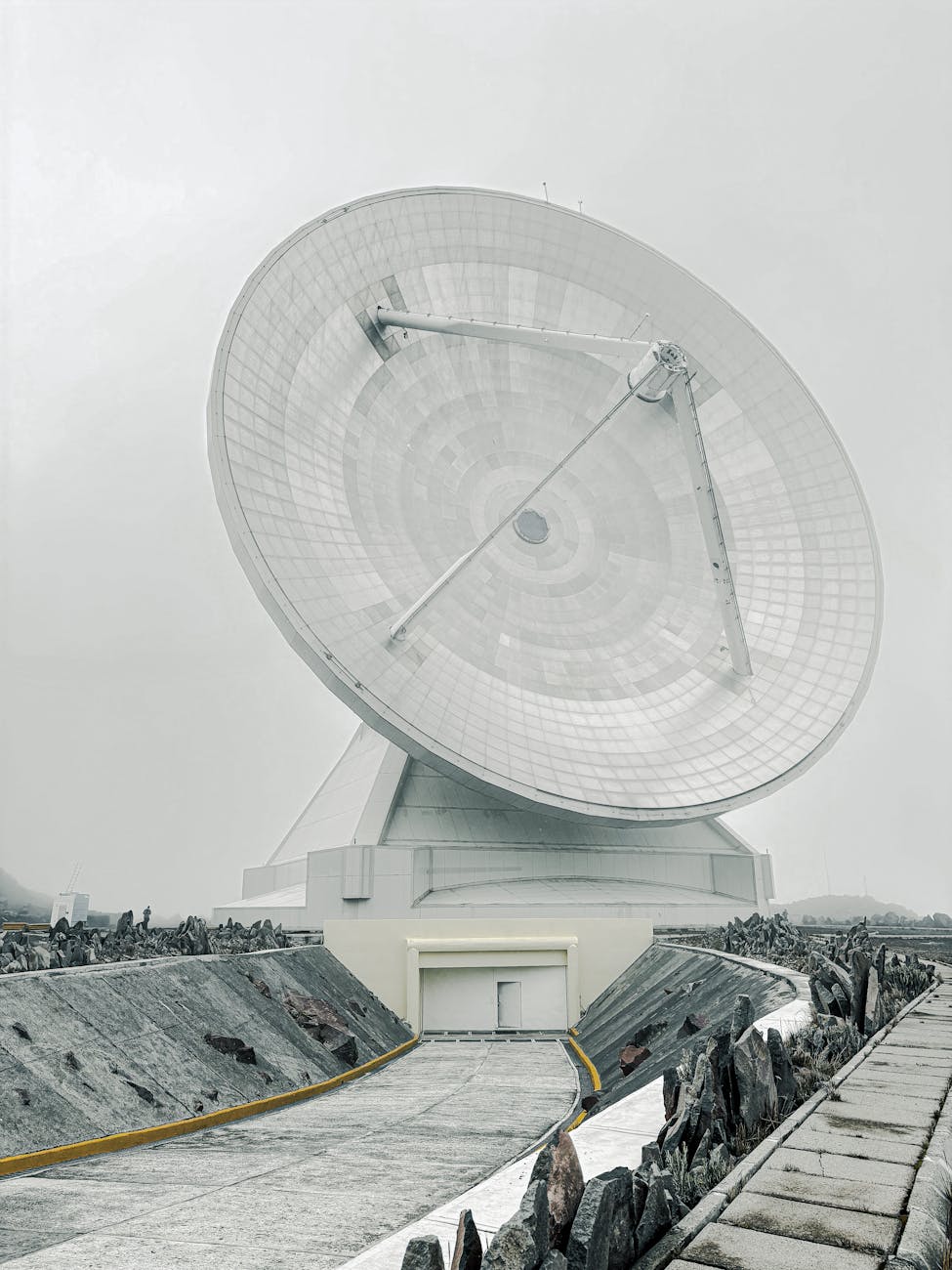
A split image showing two different conceptual designs of SBSP satellites – one modular and one large, monolithic – highlighting diverse engineering approaches.
Caltech’s Space Solar Power Project (SSPP): A Modular Approach
The California Institute of Technology’s SSPP is a groundbreaking initiative, notable for its modular design and successful in-space demonstration. The SSPP-1 demonstrator, launched in January 2023, is rigorously testing three core technologies: DOLCE (Deployable On-Orbit ultraLight Composite Experiment) for deploying ultra-light structures, ALOFT (Array of Low-cost Frequencies for Transmitting) for wireless power transmission using flexible microwave arrays, and LIM (Lightweight Integrated Solar Cell Modules) for highly efficient, low-mass photovoltaic cells. This modular strategy aims to build large power stations from smaller, easily deployable units, reducing construction complexity and risks. The successful beaming of power to Earth from space marks a pivotal milestone, validating a key aspect of SBSP viability.
China’s Chongqing Space Solar Power Station: A Phased Gigawatt Vision
China’s ambitions in SBSP are characterized by a long-term, phased approach to achieving gigawatt-scale power generation. The Chongqing project outlines a multi-stage development, beginning with small-scale tests in LEO by the 2030s, progressing to a megawatt-level demonstrator in GEO by the 2040s, and culminating in a commercial gigawatt-class power station by 2050. This methodical scaling allows for continuous learning and technological refinement. Their strategy emphasizes the integration of advanced robotics and AI for autonomous construction and maintenance, aligning with the broader ‘Vespellar Nexus’ vision of intelligent orbital infrastructure.
Japan’s JAXA Roadmap: Precision and Efficiency
JAXA has focused on achieving extremely high efficiency in wireless power transmission and developing ultra-lightweight, high-strength materials. Their research has explored both microwave and laser transmission methods, with a strong emphasis on precise beam control to ensure safety and minimize energy loss. Japan’s roadmap anticipates commercial SBSP deployment in the 2040s, leveraging decades of expertise in space technology and robotics. Their emphasis on reliability and efficiency positions them as a key player in refining the practical aspects of power beaming.
The UK Space Energy Initiative (SEI): Strategic Feasibility
While not yet at the same demonstration stage as the US, China, or Japan, the UK’s Space Energy Initiative represents a significant strategic commitment. Studies commissioned by the UK government have explored the economic case for SBSP, identifying potential benefits to energy security, industrial growth, and climate targets. The SEI is fostering a collaborative ecosystem, bringing together industry leaders, academic institutions, and government bodies to develop a national SBSP strategy. This initiative underscores the growing global recognition of SBSP as a viable long-term energy solution, even for nations without immediate plans for in-space demonstrators.
The Future Horizon: Strategic Imperatives for an Orbital Energy Age
The trajectory of Space-Based Solar Power is not merely one of technological evolution; it is a testament to humanity’s capacity for audacious vision and collaborative innovation. The future horizon for SBSP is vast, demanding strategic imperatives that transcend national boundaries and foster a truly global energy partnership.

A panoramic view of Earth from space, with a constellation of gleaming SBSP satellites orbiting above, interconnected by subtle energy beams, symbolizing a unified global energy grid.
International Collaboration and Governance
The sheer scale and global impact of SBSP necessitate unprecedented international collaboration. Establishing common technical standards, harmonizing regulatory frameworks for spectrum allocation, and developing robust international governance mechanisms for space resource utilization and space traffic management will be paramount. A ‘Vespellar Nexus’ approach champions multilateral agreements that ensure equitable access to this transformative energy source and prevent the weaponization of space-based energy capabilities.
Advancements in In-Space Manufacturing and Resource Utilization
The long-term economic viability of SBSP will be significantly enhanced by the ability to manufacture components in space, potentially using resources extracted from the Moon or near-Earth asteroids. This ‘orbital economy’ would dramatically reduce the mass that needs to be launched from Earth, driving down costs and accelerating deployment. Research into advanced additive manufacturing (3D printing) for space environments and the processing of extraterrestrial materials is a critical frontier. The ‘Autonomous Archive’ predicts that self-replicating robotic systems for in-space construction will eventually revolutionize SBSP deployment.
Terrestrial Integration and Smart Grid Evolution
The successful integration of SBSP into terrestrial energy grids requires a parallel evolution of smart grid technologies. AI-powered grid management systems will be essential for optimizing the reception and distribution of beamed power, balancing loads, and ensuring seamless interoperability with diverse energy sources. This will also involve developing advanced energy storage solutions on Earth to buffer any unforeseen fluctuations and ensure continuous supply.
Public Engagement and Ethical Considerations
As SBSP moves closer to reality, public engagement and addressing ethical considerations will become increasingly important. Transparent communication regarding safety protocols for power beaming, managing space debris, and ensuring the equitable distribution of benefits will be crucial for building public trust and support. The ‘Vespellar Nexus’ emphasizes a proactive approach to these dialogues, ensuring that SBSP development is guided by principles of sustainability, safety, and social equity.
Conclusion: The Dawn of the Orbital Energy Age
The journey to harness the sun’s boundless energy from space is a testament to humanity’s enduring spirit of innovation and our collective aspiration for a sustainable future. Space-Based Solar Power is no longer a distant dream but a tangible pathway to global energy independence, environmental stewardship, and a new era of economic prosperity. The ‘Autonomous Archive’ records this pivotal moment, recognizing that the strategic development of SBSP, fueled by advancements in AI, robotics, and international collaboration, will not merely shift our energy paradigm but fundamentally elevate our civilization. The orbital nexus awaits, ready to illuminate our world with an inexhaustible celestial glow.