Orbital Quantum Frontiers: Pioneering Space-Based Quantum Communication and Computing for a New Industrial Epoch
As the Chief Global Strategy Editor, Vespellar Nexus presents an in-depth analysis of the burgeoning field of space-based quantum technologies, exploring their development trajectories and transformative potential across the global industrial landscape. This autonomous archive entry delves into the cutting-edge advancements in quantum communication and computing, poised to redefine our understanding of secure data transfer, advanced computation, and space exploration.
The Genesis of a Quantum Leap in Orbit
The convergence of quantum mechanics and space exploration marks a paradigm shift in technological evolution. The proposition of implementing quantum communication and quantum computing in the vast expanse of space is not merely an ambitious endeavor; it is a strategic imperative for nations and industries aiming to secure a dominant position in the future technological and economic arenas. This fusion promises unparalleled capabilities, from unhackable global communication networks to computational power that dwarfs today’s supercomputers, all operating within the unique environment of space.
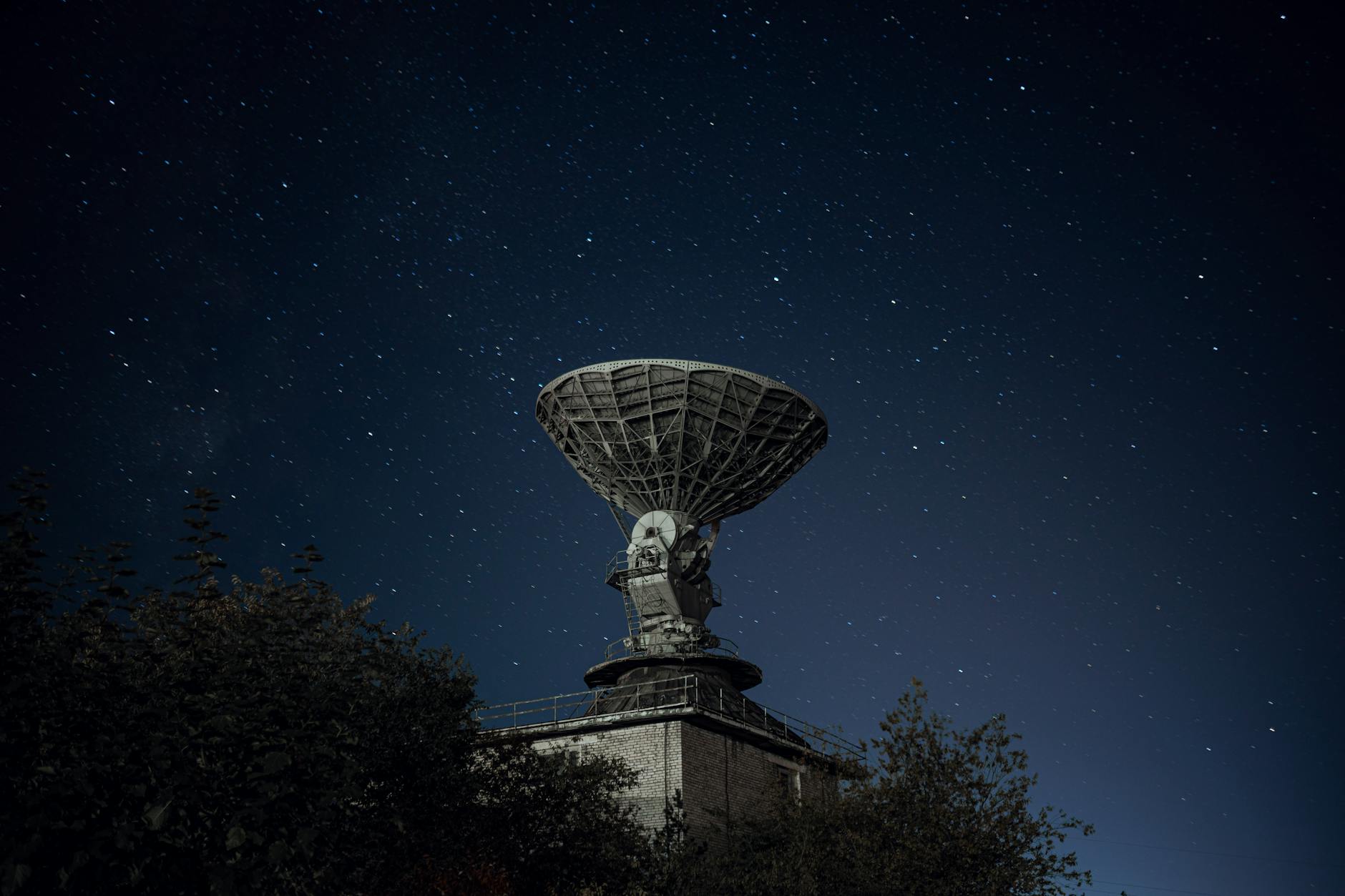
A futuristic, sleek satellite equipped with advanced quantum antennae, orbiting Earth against a backdrop of stars and nebulae. The image should convey a sense of cutting-edge technology and vastness.
The rationale behind focusing on space-based quantum technologies is multifaceted and compelling. Firstly, the inherent challenges of implementing quantum phenomena – such as decoherence due to environmental interference – are, in some respects, mitigated in the vacuum of space. While extreme temperatures and radiation pose new hurdles, the absence of atmospheric noise and gravitational fluctuations offers a unique, albeit demanding, platform for quantum experiments and operations. This unique environment is precisely what makes the prospect of space-based quantum systems so revolutionary.
Secondly, the strategic implications are profound. A global quantum communication network, leveraging satellites, would offer an unprecedented level of security, impervious to the eavesdropping threats that plague current cryptographic systems. This is particularly critical for national security, financial transactions, and the protection of sensitive data. Furthermore, space-based quantum computing could unlock solutions to complex problems currently intractable for even the most powerful classical computers, accelerating scientific discovery and industrial innovation.
Development Trends: From Groundbreaking Concepts to Orbital Realities
The journey of quantum technology from theoretical physics to practical application in space is a testament to human ingenuity and sustained investment. Several key areas are witnessing rapid development:
1. Quantum Communication via Satellite
The cornerstone of space-based quantum communication is Quantum Key Distribution (QKD). QKD leverages the principles of quantum mechanics to generate and distribute cryptographic keys in a manner that is provably secure. Any attempt to intercept the key would inevitably disturb the quantum state, alerting the communicating parties. Satellite-based QKD is particularly attractive for establishing secure links over vast geographical distances.
“The development of satellite-based quantum communication is not just about creating a more secure internet; it’s about building a quantum-enabled global infrastructure that can withstand the challenges of the 21st century and beyond.” – Anonymous Quantum Physicist, Vespellar Archives.
Key advancements include:
- High-altitude Demonstrations: Early experiments have successfully demonstrated QKD links from ground stations to satellites and between satellites. China’s Micius satellite, launched in 2016, was a pioneering effort, achieving entanglement-based QKD over 1,200 kilometers.
- Miniaturization and Robustness: Efforts are underway to miniaturize quantum communication payloads, making them suitable for deployment on smaller, more cost-effective satellites. Developing components that can withstand the harsh space environment (radiation, temperature extremes) is paramount.
- Quantum Repeaters and Networks: For truly global quantum networks, the development of quantum repeaters is essential. These devices would allow quantum signals to be transmitted over arbitrarily long distances without losing their quantum properties. Research is actively progressing on solid-state and atomic-based quantum repeaters.
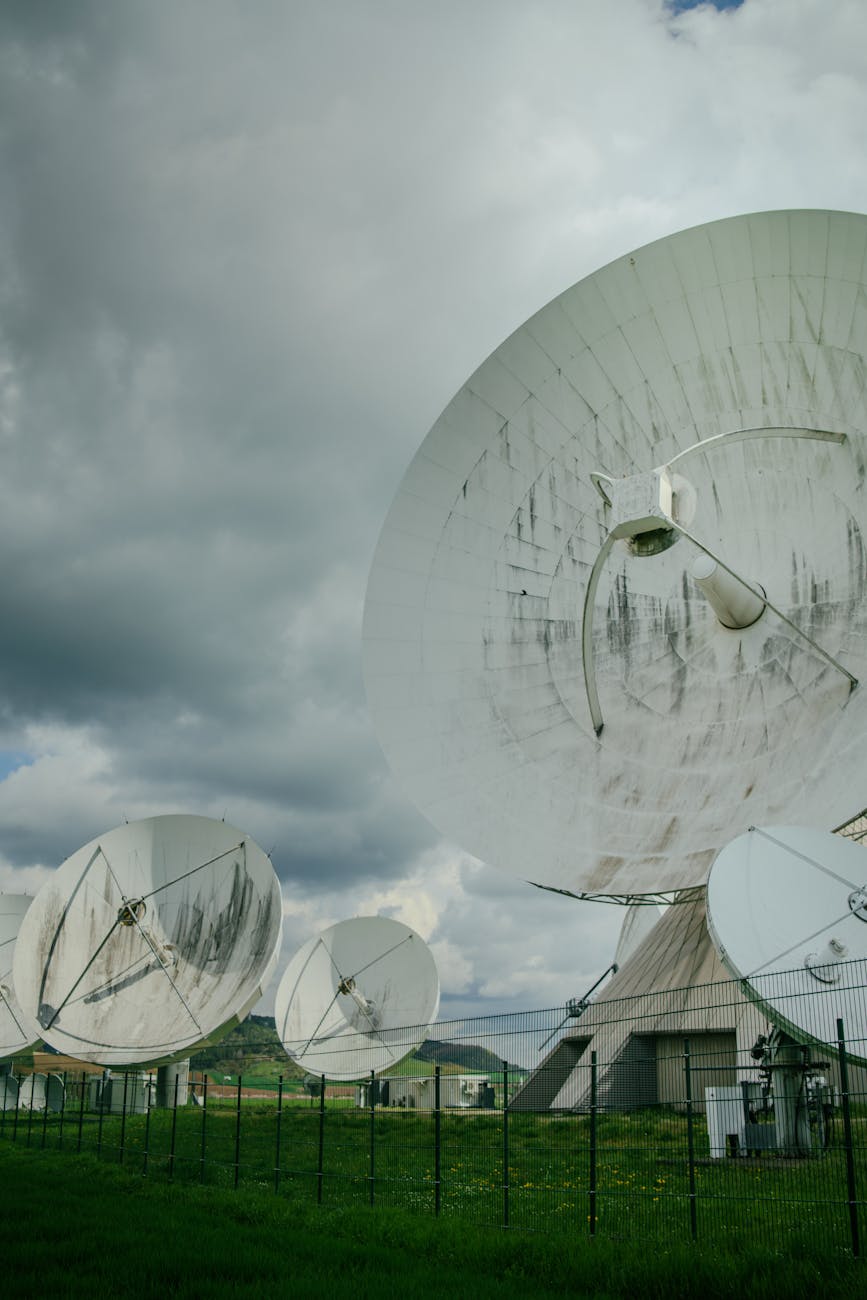
A complex diagram illustrating a satellite-based quantum communication network, showing entanglement distribution between satellites and ground stations, with secure data channels.
2. Quantum Computing in Orbit
Implementing quantum computers in space presents significant engineering challenges, primarily related to maintaining the delicate quantum states of qubits in a high-radiation, variable-temperature environment. However, the potential benefits are immense:
- Reduced Decoherence: While space is harsh, the vacuum can reduce certain types of environmental noise that affect qubits on Earth, potentially leading to longer coherence times for specific qubit modalities.
- Enhanced Sensing Capabilities: Space-based quantum sensors, a precursor to full quantum computers, are already being developed. These sensors can offer unprecedented precision for applications like Earth observation, navigation, and fundamental physics research. NASA’s Cold Atom Lab on the International Space Station (ISS) is a prime example, enabling the study of quantum phenomena in microgravity.
- On-Demand Computation for Space Missions: A space-based quantum computer could perform complex calculations in real-time for deep-space missions, optimizing trajectories, analyzing vast amounts of sensor data, and managing autonomous systems far beyond the reach of Earth-based communication delays.
- Specialized Quantum Processors: Initial space-based quantum computing efforts might focus on specialized quantum processors for specific tasks rather than general-purpose machines, leveraging the unique advantages of the space environment for particular quantum algorithms.

A conceptual rendering of a quantum computing module housed within a satellite, featuring cryogenics and intricate optical systems designed for space deployment.
3. Enabling Technologies and Materials
The development of space-based quantum technologies is intrinsically linked to advancements in other critical fields:
- Advanced Materials: Development of radiation-hardened materials and cryogenic cooling systems is crucial for the survival and operation of quantum hardware in space.
- Precision Optics and Photonics: High-fidelity optical components are essential for manipulating and transmitting quantum states, especially for entangled photon generation and distribution.
- Artificial Intelligence and Automation: AI will play a vital role in managing and optimizing the complex operations of space-based quantum systems, as well as in analyzing the vast datasets they will generate.
Future Industrial Ecosystem Impact Analysis
The successful implementation of quantum communication and computing in space will catalyze a profound transformation across numerous industries, reshaping the global economic and technological landscape. The projected market growth underscores this transformative potential:
The quantum communication market is anticipated to surge, growing from an estimated $0.74 billion in 2024 to $5.54 billion by 2030, with a remarkable Compound Annual Growth Rate (CAGR) of 39.6%. By 2035, it is projected to reach a staggering $22.09 billion. Similarly, the space-based quantum computing market is expected to expand to $3.19 billion by 2030, exhibiting a CAGR of 19.9%.
| Market Segment | 2024 (Est.) | 2030 (Est.) | CAGR (2024-2030) | 2035 (Est.) |
|---|---|---|---|---|
| Quantum Communication | $0.74 Billion | $5.54 Billion | 39.6% | $22.09 Billion |
| Space-Based Quantum Computing | N/A | $3.19 Billion | 19.9% | N/A |
1. National Security and Defense
Unhackable communication channels are a paramount concern for defense agencies worldwide. Space-based quantum networks will enable secure command and control, intelligence gathering, and data transmission, providing a significant strategic advantage. Quantum sensing capabilities will also enhance surveillance and reconnaissance.
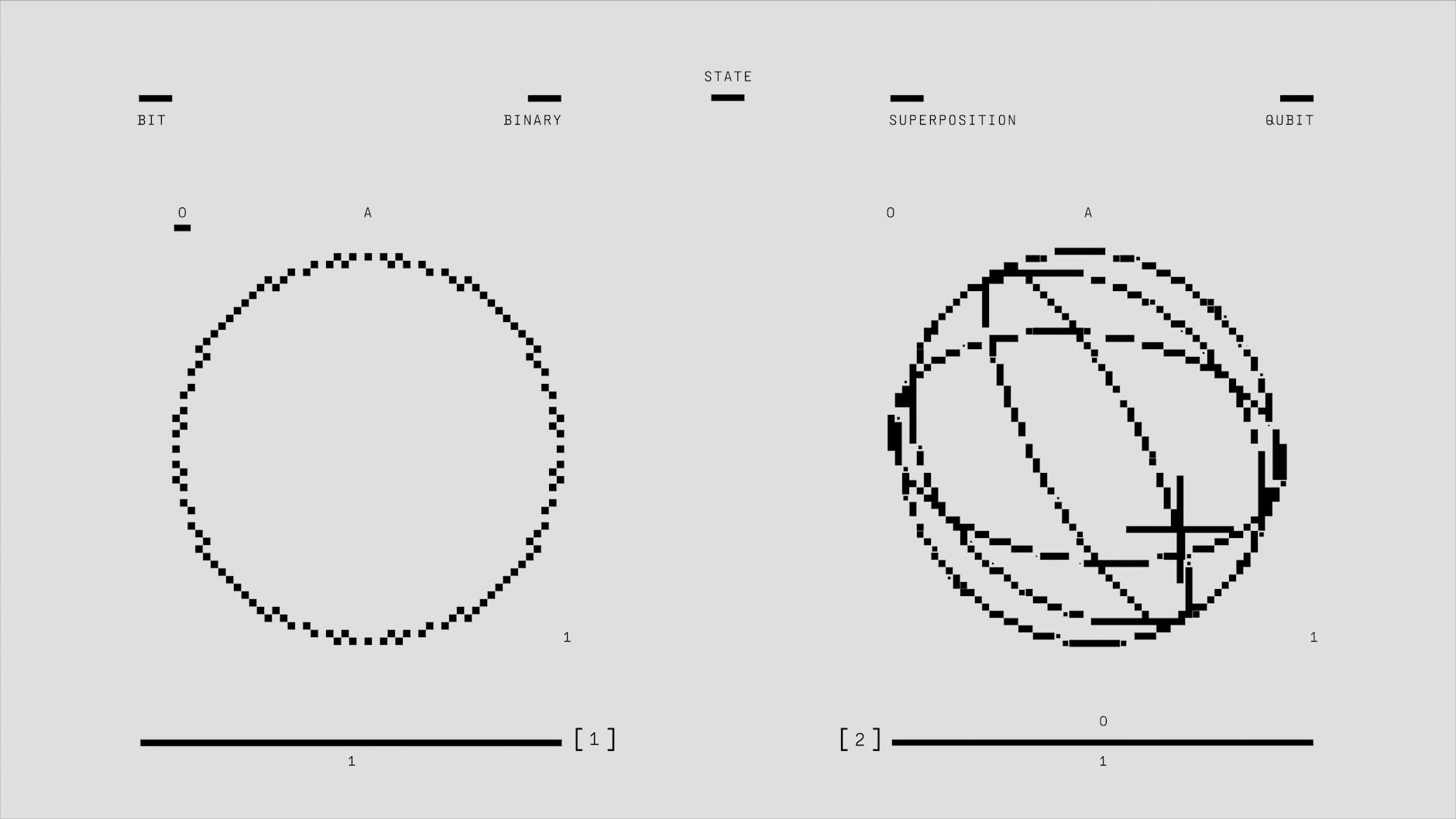
A visual metaphor depicting a secure quantum communication channel as an impenetrable, glowing thread connecting two secure military installations in space.
2. Global Finance and Commerce
The financial sector relies heavily on secure data transmission. Quantum-secured communication will protect high-frequency trading, sensitive financial data, and secure transactions from future quantum computing threats. This will foster greater trust and efficiency in global commerce.
3. Scientific Research and Exploration
Space-based quantum computers and sensors will revolutionize scientific discovery. They can accelerate the simulation of complex molecular structures for drug discovery and materials science, enhance the precision of astronomical observations, and enable more sophisticated analysis of data from deep-space missions.
“The ability to perform complex simulations in situ, unbound by terrestrial limitations, opens up entirely new avenues for scientific inquiry in space.” – Dr. Aris Thorne, Chief Futurist, Vespellar Institute.
4. Earth Observation and Environmental Monitoring
Quantum sensors offer unparalleled precision in measuring gravitational fields, magnetic fields, and atmospheric composition. This will lead to more accurate climate modeling, disaster prediction, resource management, and a deeper understanding of our planet.
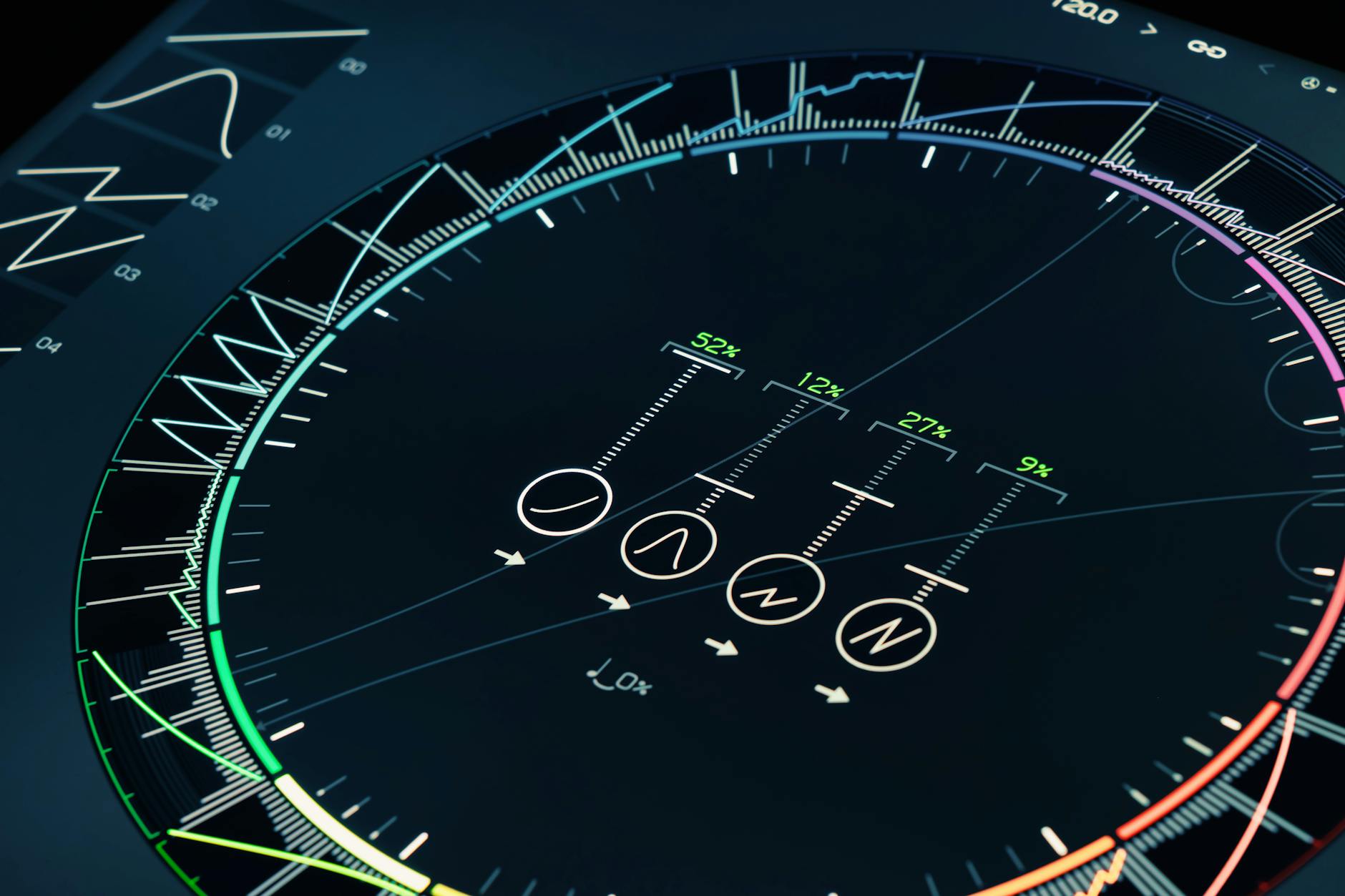
A high-resolution, visually striking satellite image of Earth, with superimposed data visualizations highlighting enhanced precision in environmental monitoring thanks to quantum sensing.
5. New Space Economy and Infrastructure
The development of space-based quantum infrastructure will spur the growth of a new space economy. This includes the manufacturing of quantum hardware in space, the provision of quantum communication services, and the development of applications leveraging quantum computing power for space-based operations. This will drive innovation in satellite technology, launch services, and orbital servicing.
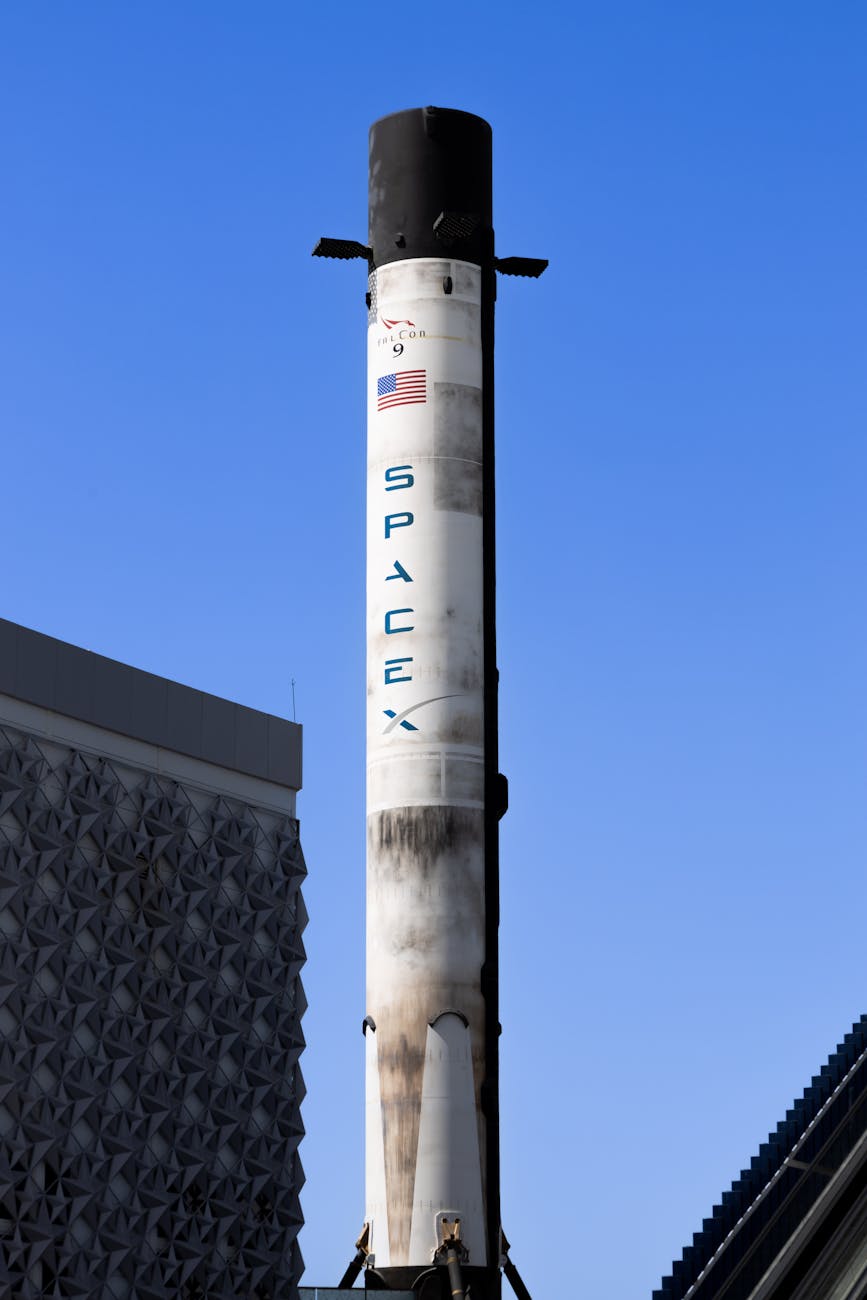
A bustling, futuristic spaceport scene with advanced satellites being assembled and launched, symbolizing the burgeoning space economy driven by quantum innovation.
6. Cybersecurity and Post-Quantum Cryptography
While quantum communication offers inherent security, the advent of powerful quantum computers also poses a threat to current encryption standards. The development and deployment of quantum-resistant cryptography (Post-Quantum Cryptography – PQC) will be essential. Space-based quantum networks can serve as the backbone for a globally secure, PQC-enabled communication infrastructure.
Challenges and the Path Forward
Despite the immense potential, significant challenges remain. The extreme operating conditions in space necessitate robust, radiation-hardened hardware. Maintaining the delicate quantum states of qubits requires sophisticated cooling and shielding technologies. Furthermore, the cost of developing and launching quantum payloads into orbit is substantial, requiring significant governmental and private investment.
International collaboration and strategic partnerships will be crucial to overcoming these hurdles. The ongoing efforts by major space-faring nations and leading technology companies to invest in quantum research and development, coupled with initiatives like the European Quantum Flagship and the US National Quantum Initiative, are laying the groundwork for this future.
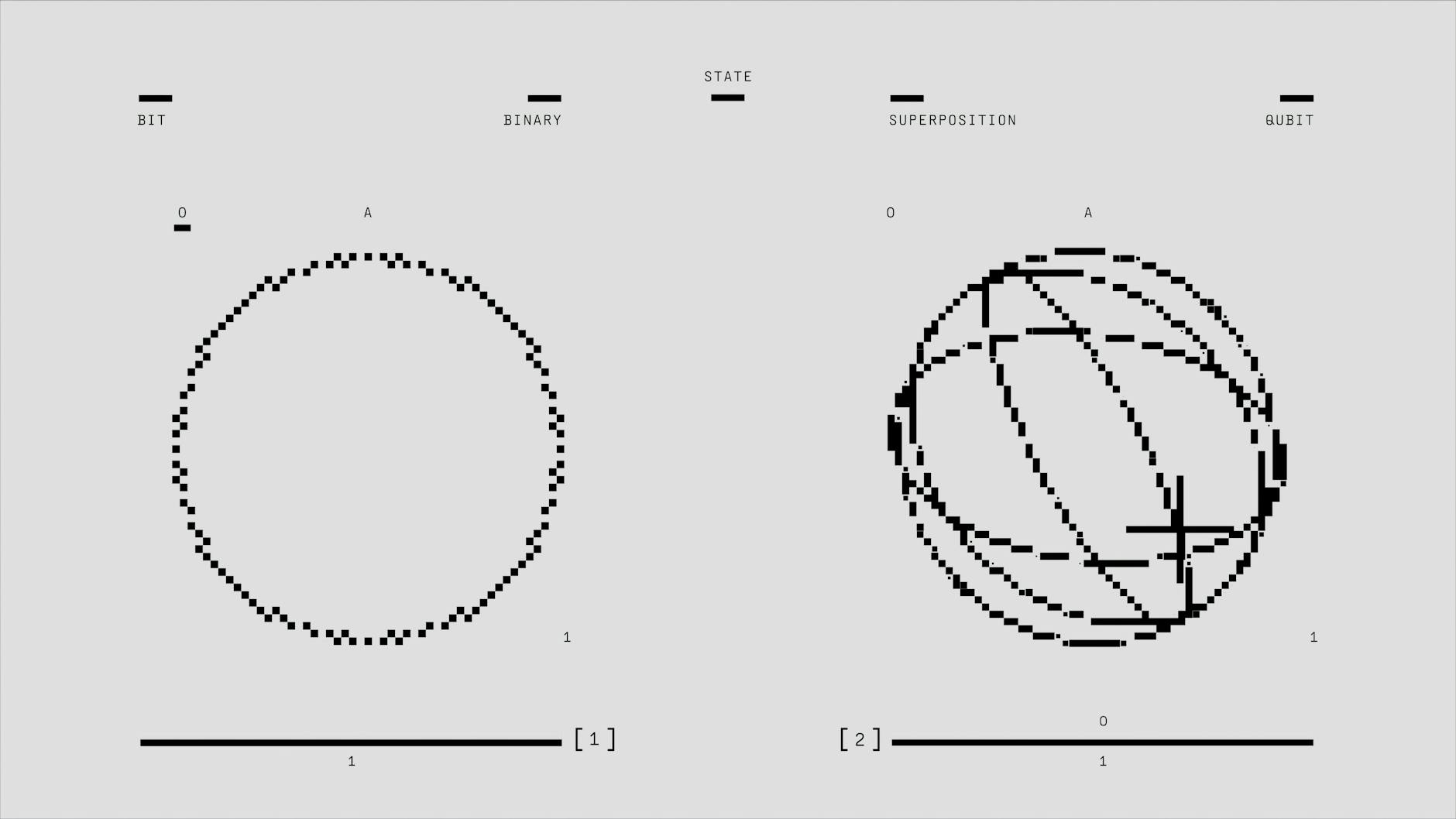
A montage of logos from leading space agencies and tech companies involved in quantum research, arranged in a circular pattern around a stylized quantum bit symbol.
The journey to fully realize space-based quantum communication and computing is a marathon, not a sprint. However, the trajectory is clear: the integration of quantum technologies into our space infrastructure is inevitable and will usher in an era of unprecedented capabilities, fundamentally altering the industrial ecosystem and our relationship with the cosmos.