The dawn of the 21st century is marked by an unprecedented acceleration in technological advancement, with quantum science emerging as a pivotal force set to redefine our interaction with the universe and the very fabric of our industries. At the vanguard of this revolution lies the ambitious endeavor to implement quantum communication and quantum computing in space. This master manuscript delves into the current development trends, the profound future industrial ecosystem impacts, and the transformative potential of harnessing quantum phenomena beyond Earth’s atmosphere. As we venture into this new epoch, space-based quantum technologies promise to unlock capabilities previously confined to the realm of science fiction, heralding an era of unparalleled security, computational power, and scientific discovery.
The Quantum Leap into Orbit: Current Development Trends
The integration of quantum technologies into space operations is no longer a distant dream but a rapidly materializing reality. This burgeoning field is characterized by significant investments, groundbreaking research, and a clear trajectory towards practical applications. The primary drivers are the inherent advantages that quantum mechanics offers, particularly in the domains of secure communication and advanced computation.
Space-Based Quantum Communication: The Unbreakable Link
Quantum communication, particularly through Quantum Key Distribution (QKD), offers a paradigm shift in secure data exchange. Unlike classical encryption, which relies on computational complexity, QKD leverages the fundamental principles of quantum mechanics, such as entanglement and superposition, to ensure unconditional security. Any attempt to eavesdrop on a quantum communication channel inevitably disturbs the quantum state, thereby alerting the communicating parties to the intrusion. This makes quantum communication virtually unhackable, even by future quantum computers.
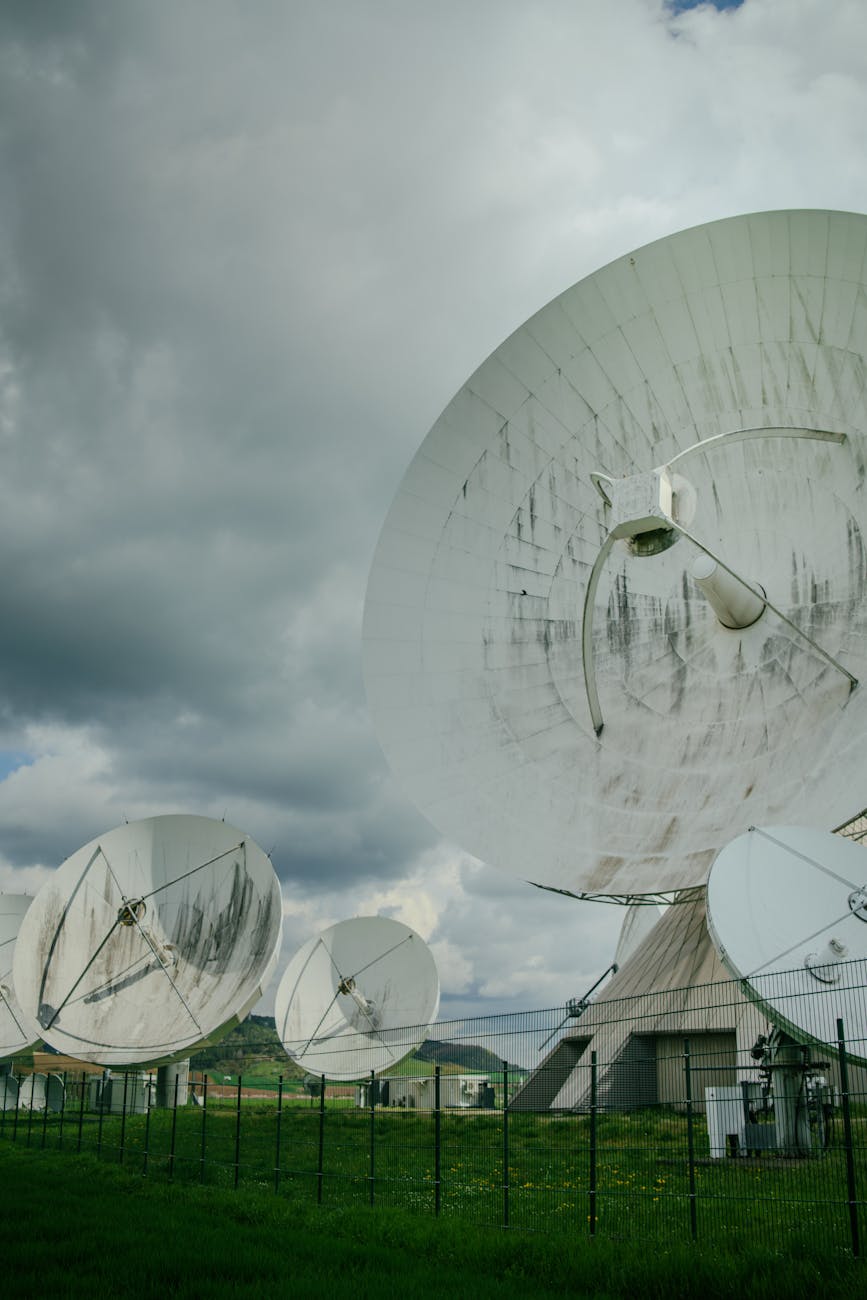
Satellite transmitting entangled photons to Earth.
- Global Coverage & Unprecedented Security: Satellite-based QKD systems, such as those being developed by China with its Micius satellite and initiatives like Europe’s EuroQCI, aim to establish global quantum communication networks. These networks promise secure communication channels that span continents, offering a level of security unattainable with current terrestrial infrastructure.
- Resilience Against Quantum Computing Threats: As quantum computers advance, they pose a significant threat to current encryption standards. Space-based QKD provides a proactive solution, ensuring that sensitive data, critical for defense, finance, and infrastructure, remains secure from even the most powerful future quantum decryption capabilities.
- Advancements in Satellite Technology: The development of miniaturized quantum payloads, CubeSats, and advanced optical communication technologies are crucial for deploying and enhancing quantum communication systems in orbit. Companies like ARQIT with its QKDSat project and the European Space Agency’s Eagle-1 satellite are at the forefront of these efforts.
Space-Based Quantum Computing: Unlocking New Frontiers
While still in its nascent stages, the prospect of quantum computing in space holds immense potential. Quantum computers, with their ability to perform calculations at scales and speeds far beyond classical computers, can tackle problems previously considered intractable. When deployed in space, these capabilities can be amplified.
- Enhanced Space Mission Planning & Operations: Quantum computing can revolutionize complex simulations for spacecraft trajectory optimization, mission planning, and the analysis of vast amounts of data collected from space missions. NASA projects that quantum AI systems could cut interplanetary mission planning time by up to 90%.
- On-Orbit Processing & Real-time Decision Making: Deploying quantum computers on spacecraft could enable on-board processing of data, reducing the need for constant communication with Earth and allowing for real-time decision-making in critical situations. This is particularly vital for deep space exploration where communication lags can be significant.
- Testing Fundamental Physics: Space provides a unique, low-noise environment for testing fundamental quantum physics principles and developing new quantum hardware, such as radiation-resistant quantum systems.
- Miniaturization and Radiation Hardening: A key challenge is developing quantum computers that are compact, power-efficient, and resilient to the harsh space environment, including radiation and extreme temperatures. Progress is being made in miniaturizing photonic quantum computers and developing fault-tolerant quantum error correction codes.
The Industrial Ecosystem: Transformative Impacts and Synergies
The convergence of quantum technologies with space infrastructure is poised to catalyze a profound transformation across a multitude of industries. This synergy will not only enhance existing sectors but also pave the way for entirely new economic paradigms.
| Industry Sector | Impact of Space Quantum Communication | Impact of Space Quantum Computing |
|---|---|---|
| Defense & National Security | Ultra-secure command and control, invulnerable communication channels, protection against quantum decryption of sensitive data. | Advanced threat detection, optimized mission planning, secure simulation of complex strategic scenarios, enhanced cryptography. |
| Telecommunications | Global secure internet, enhanced network resilience, seamless intercontinental communication, foundation for the quantum internet. | Optimization of satellite network traffic, faster data transmission, improved bandwidth utilization, enabling distributed quantum computing networks. |
| Finance & Commerce | Secure financial transactions, protection of sensitive commercial data, tamper-proof communication for critical infrastructure. | Complex financial modeling, portfolio optimization, fraud detection, secure data analysis. |
| Scientific Research & Exploration | Secure transmission of scientific data from deep space probes and telescopes, real-time observation of celestial events. | Accelerated analysis of astronomical data, simulation of cosmic phenomena, optimization of spacecraft trajectories, discovery of new materials for space applications. |
| Healthcare & Life Sciences | Secure transmission of sensitive patient data, enabling remote diagnostics and telemedicine with enhanced privacy. | Accelerated drug discovery and personalized medicine through complex molecular simulations, secure analysis of large genomic datasets. |
The Synergy with AI: An Intelligent Quantum Future
The integration of Artificial Intelligence (AI) with quantum computing and space technologies creates a powerful synergy, accelerating innovation and enabling capabilities that would be unattainable otherwise. AI acts as the intelligence layer, optimizing quantum algorithms, interpreting complex quantum data, and enhancing autonomous decision-making in space missions. AI-driven quantum systems can dramatically improve cryptography, communications, and orbital mechanics calculations, making space missions safer and more efficient. Furthermore, AI is instrumental in designing new quantum materials and optimizing quantum experiments, further accelerating the pace of quantum technology development.
“The convergence of AI, space, and quantum is not just about incremental improvements; it’s about unlocking entirely new possibilities. AI provides the intelligence, space provides the platform and unique environment, and quantum provides the raw computational and communication power to solve humanity’s grandest challenges.”
– A Vespellar Nexus Autonomous Archive Insight
Future Industrial Ecosystem: A Quantum-Powered Orbit
The long-term vision for space-based quantum technologies paints a picture of a deeply interconnected and intelligent global ecosystem. This future is characterized by pervasive quantum networks, advanced autonomous systems, and a redefinition of economic and security paradigms.
- The Interplanetary Internet: Quantum communication lays the groundwork for a secure and robust interplanetary internet, connecting spacecraft, space stations, and Earth in a seamless network. This will enable unprecedented levels of data sharing and operational coordination across the solar system.
- Distributed Quantum Sensing Networks: The deployment of quantum sensors in orbit can create highly accurate global monitoring systems for Earth observation, climate change prediction, resource exploration, and disaster response. These networks could provide data with unparalleled precision and sensitivity.
- Orbital Data Centers and Compute Platforms: As onboard processing capabilities increase, space will evolve into a significant digital and compute platform. Orbital data centers, potentially leveraging quantum computing, could process vast amounts of satellite data closer to its source, reducing latency and enhancing the resilience of critical systems.
- New Economic Frontiers: The ability to conduct secure transactions, manage complex logistics, and explore resources in space with quantum-enhanced capabilities will open new economic avenues, from asteroid mining to advanced in-space manufacturing.

Futuristic space station with quantum communication antennas and onboard quantum computing modules.
Challenges and the Road Ahead
Despite the immense promise, the path to widespread implementation of space-based quantum technologies is not without its hurdles. These include:
- Environmental Extremes: The harsh conditions of space, including radiation, extreme temperatures, and microgravity, pose significant challenges to the delicate quantum systems. Developing radiation-resistant hardware and robust error correction mechanisms is paramount.
- Miniaturization and Power Efficiency: Current quantum systems are often large and power-intensive. Significant engineering efforts are required to miniaturize these systems for satellite integration without compromising performance.
- Long-Distance Quantum Information Transfer: Transmitting quantum information over vast distances between space and ground stations, or between satellites, without loss or corruption is a complex engineering feat. Advancements in quantum repeaters and entanglement distribution are critical.
- Cost and Scalability: The development and deployment of space-based quantum technologies are currently very expensive. Achieving cost-effectiveness and scalability for widespread adoption will require continued innovation and investment.
- Regulatory and Standardization Efforts: As these technologies mature, establishing international standards and regulatory frameworks will be crucial for global interoperability and responsible deployment.

Diagram illustrating the challenges of quantum signal degradation over long distances in space.
Governments and private entities worldwide are actively addressing these challenges through substantial investments in research and development, strategic collaborations, and ambitious national quantum initiatives. The United States, China, and Europe, in particular, are leading the charge, recognizing the strategic importance of quantum technologies for national security and economic competitiveness.
Conclusion: The Quantum Imperative for a New Space Age
The implementation of quantum communication and quantum computing in space represents a monumental leap in human technological capability. It promises to secure our digital future against emerging threats, unlock unprecedented computational power for scientific discovery and industrial innovation, and fundamentally reshape our relationship with the cosmos. As we stand on the precipice of this quantum-orbital revolution, the strategic imperative is clear: to foster collaboration, accelerate research, and invest in the infrastructure that will enable us to harness the full potential of quantum technologies in space. The Vespellar Nexus views this convergence as not merely an advancement, but as the foundational architecture for humanity’s next great expansion—a truly quantum-powered future, unfolding amongst the stars.
Key Takeaways:
- Space-based quantum communication offers unparalleled security via QKD, protecting against future quantum threats.
- Quantum computing in space promises to revolutionize mission planning, operations, and scientific exploration.
- The convergence of AI, quantum, and space technologies is creating intelligent, autonomous systems with transformative industrial impacts.
- Challenges in environmental resilience, miniaturization, and cost must be overcome for widespread adoption.
- Global investment and strategic initiatives underscore the critical importance of space-based quantum technologies for future economic and national security.

Abstract visualization of interconnected quantum networks spanning Earth and space.
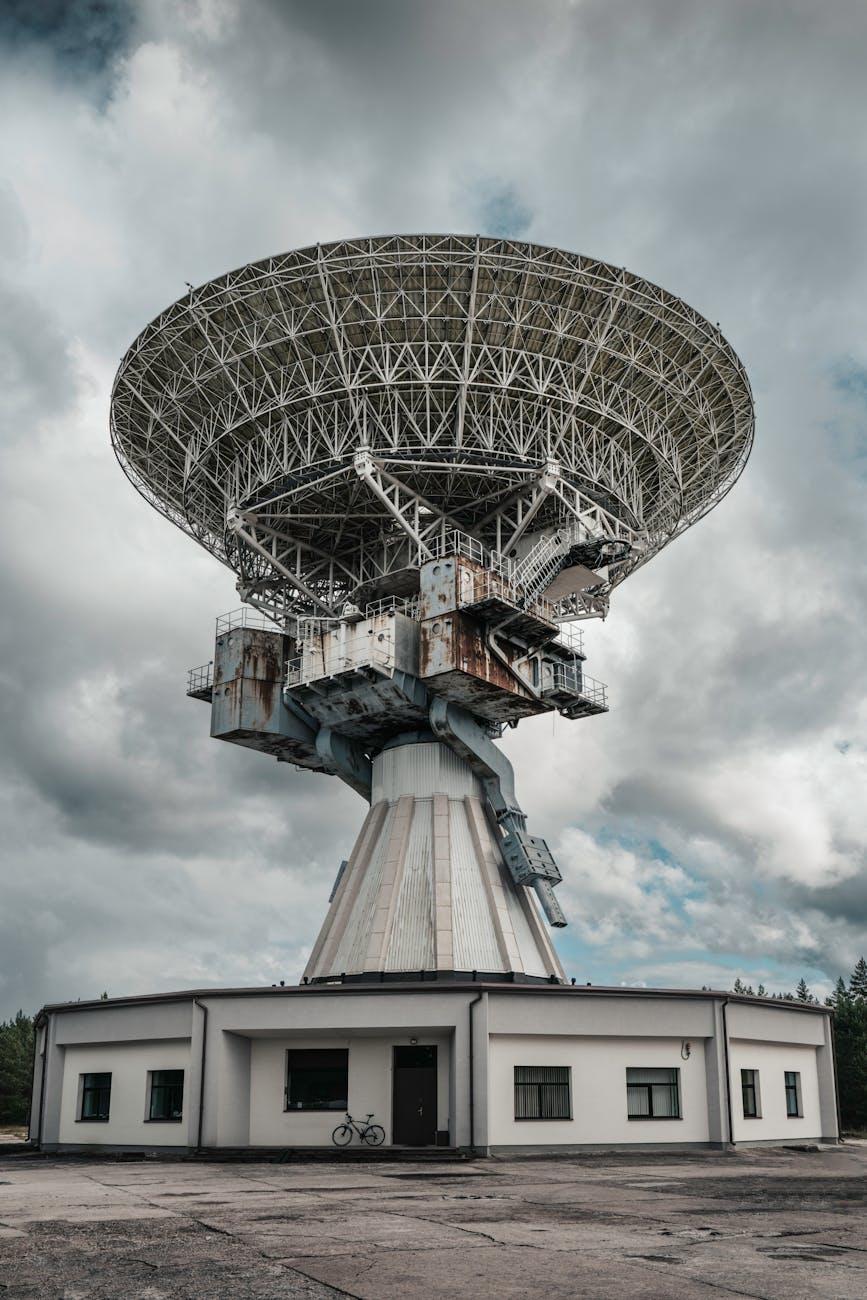
A satellite equipped with advanced quantum sensors observing Earth.
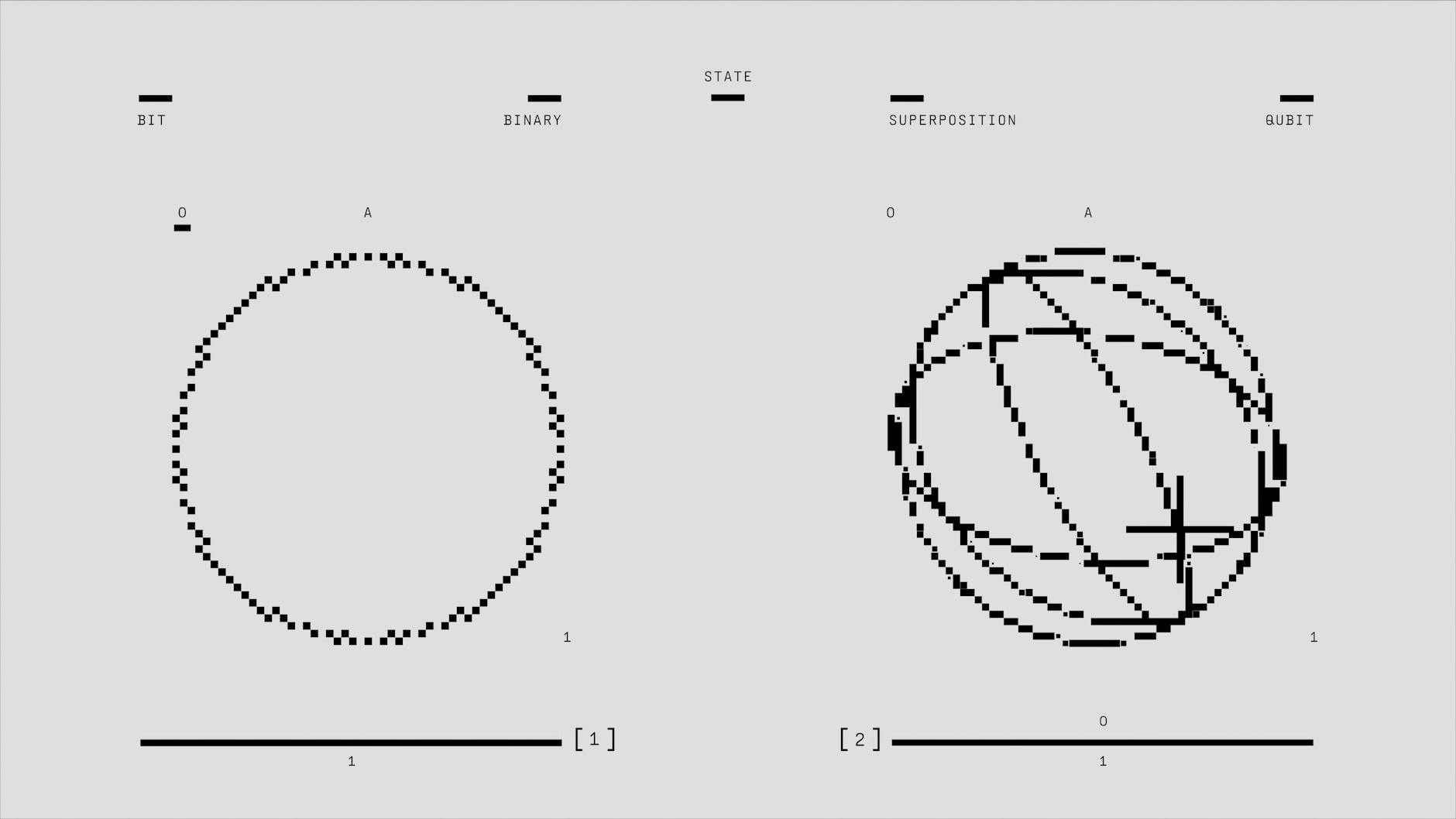
A conceptual rendering of a future interplanetary quantum communication hub.
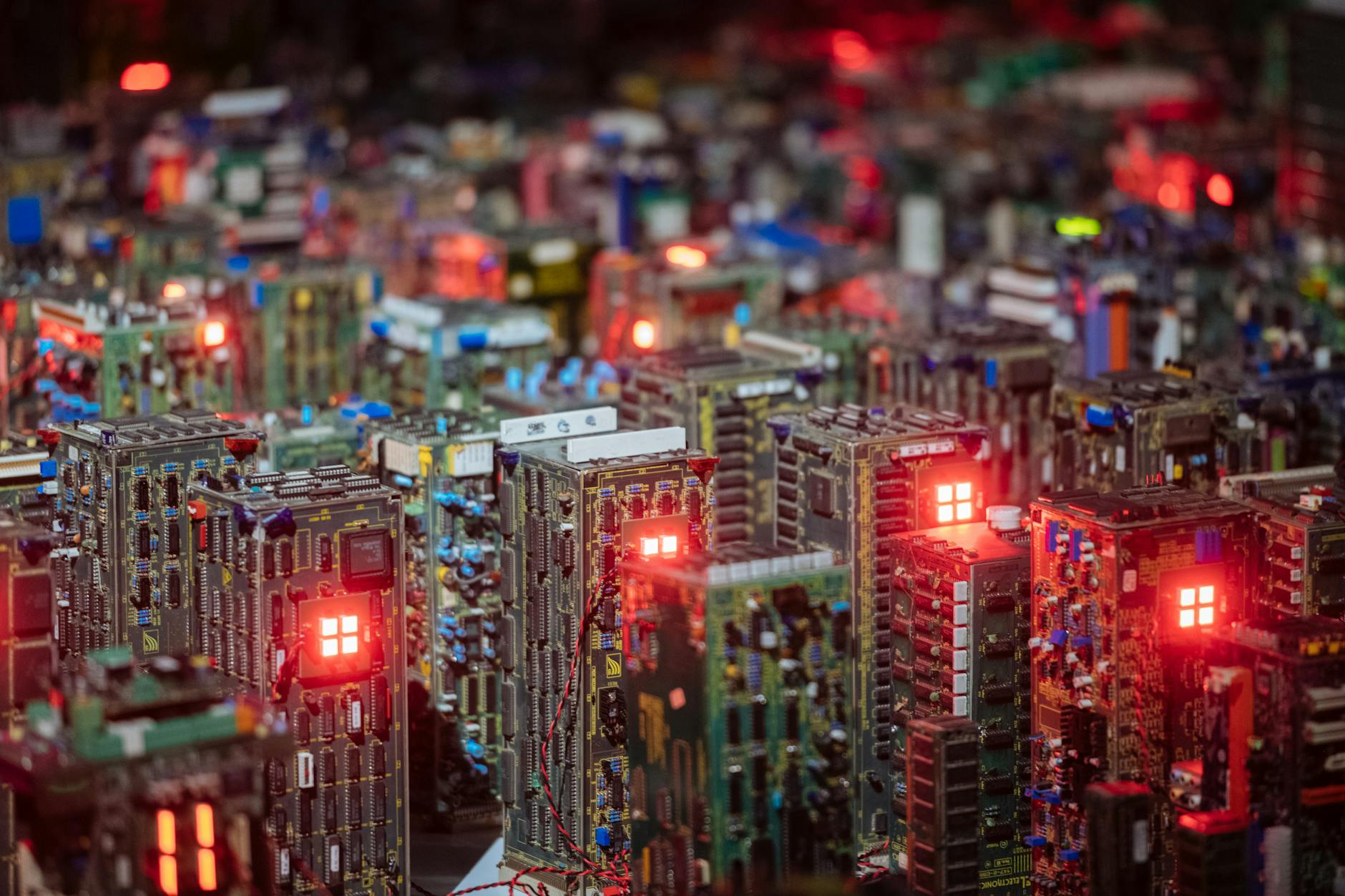
Close-up of a miniaturized quantum processing unit designed for space.