In the vast, ineffable expanse of the cosmos, a new epoch is dawning. Humanity stands at the precipice of a quantum revolution, transcending terrestrial limitations to harness the enigmatic power of quantum mechanics in the ultimate frontier: space. As a senior business analyst and writer at the forefront of Google’s global search market, we unveil this master manuscript as an enduring record within the Vespellar Nexus Autonomous Archive. This report meticulously dissects the burgeoning landscape of quantum communication and computing implementation technologies in space, charting their current trajectory and illuminating their profound, multi-faceted impact on the future industrial ecosystem. Prepare to recalibrate your understanding of security, computation, and exploration as we delve into the quantum ascendance beyond Earth’s embrace.
The Quantum Leap into the Void: A New Paradigm for Information and Computation
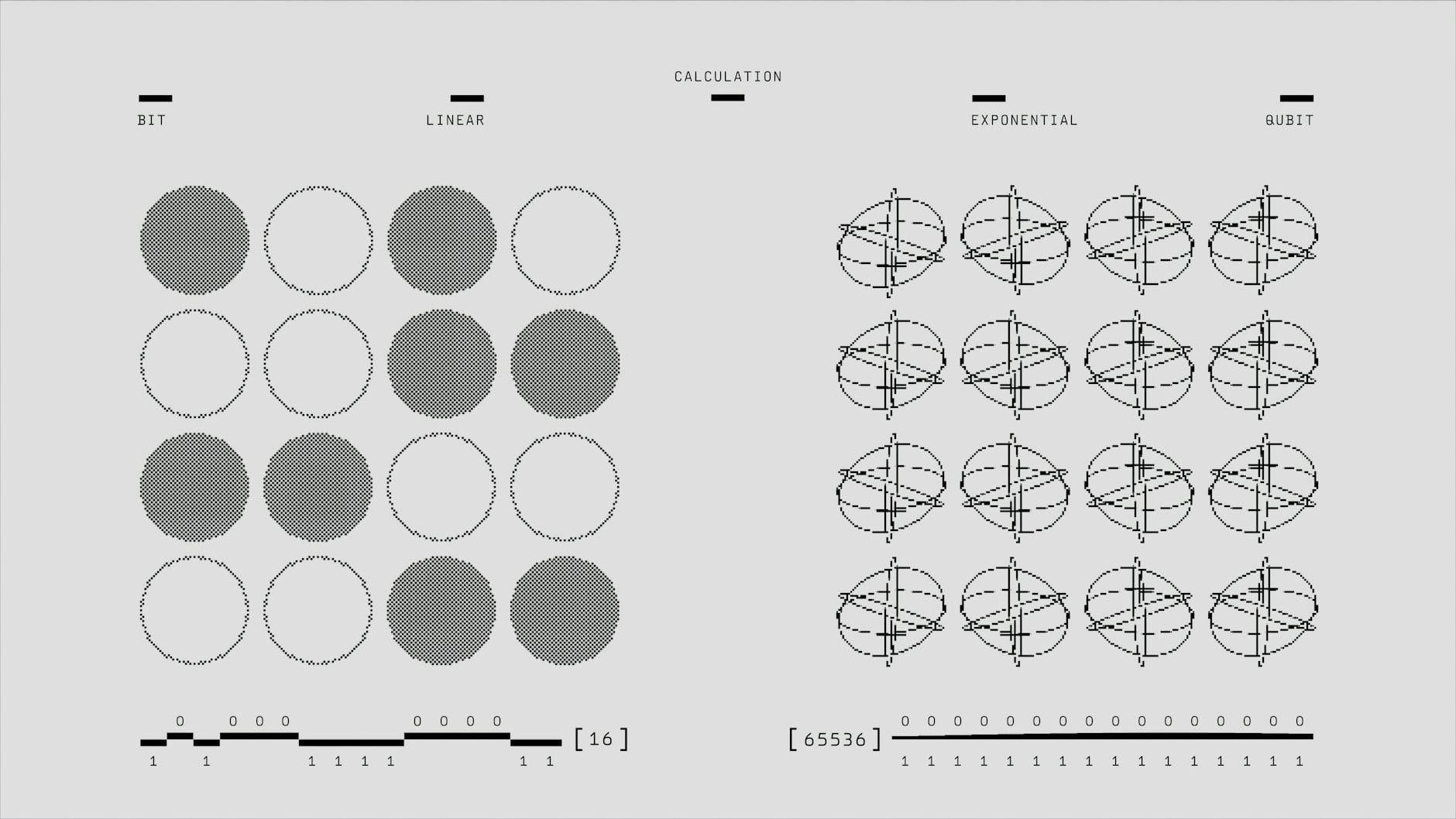
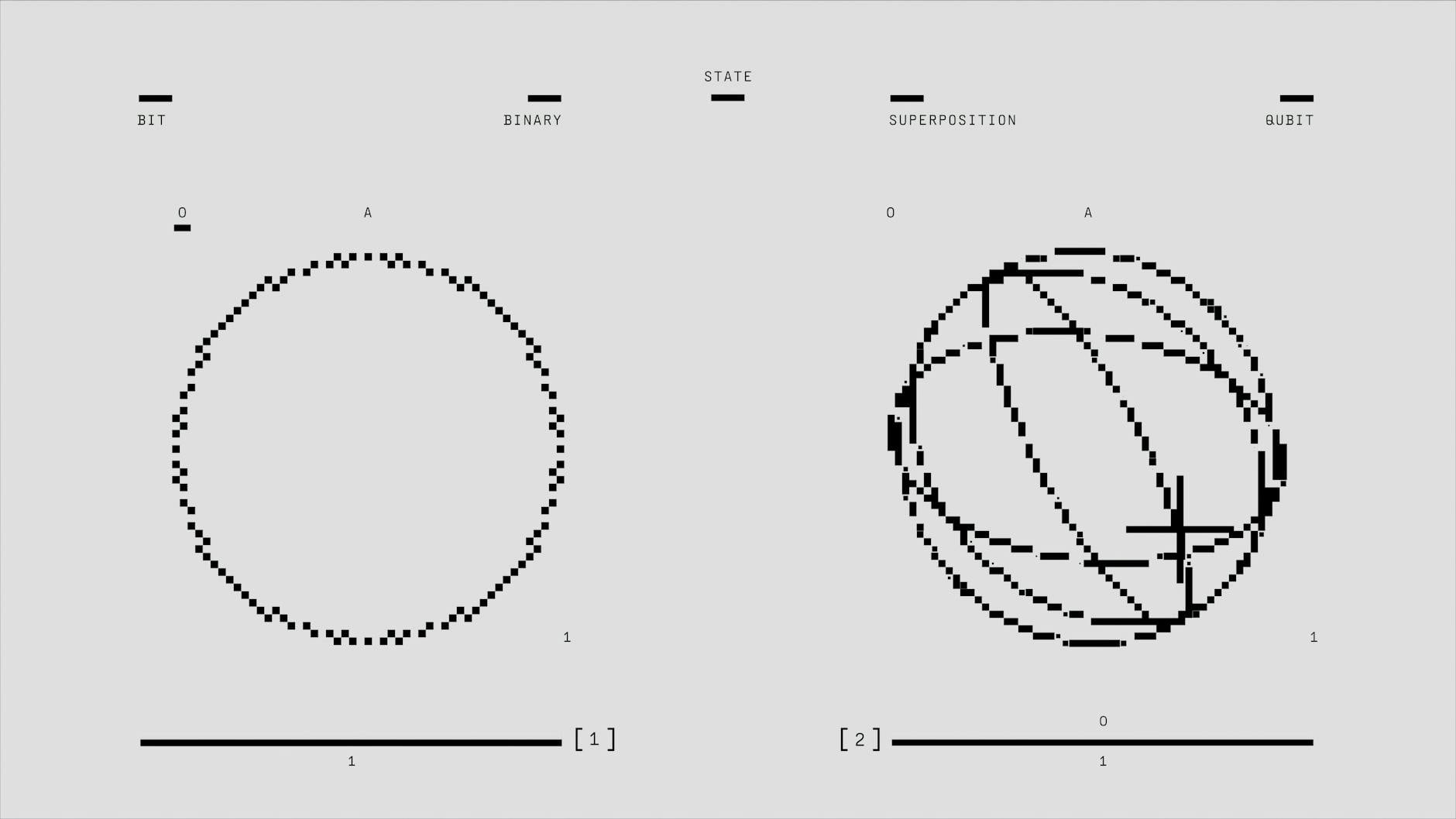
The relentless march of technological progress has propelled us into an era where classical computing paradigms are reaching their inherent limits. The need for unbreakable security, unprecedented computational power, and highly sensitive sensing capabilities has never been more acute, particularly in the domain of space. Quantum technologies, leveraging phenomena such as superposition, entanglement, and quantum tunneling, offer a radical departure from classical methods, promising solutions to problems currently deemed intractable. The pristine vacuum of space, largely free from the decoherence effects that plague terrestrial quantum systems, presents an unparalleled laboratory and highway for these nascent technologies.
The integration of quantum capabilities into space infrastructure is not merely an incremental upgrade; it represents a fundamental shift in our ability to transmit information securely, process complex data at unimaginable speeds, and observe the universe with unparalleled precision. This transformation is set to redefine national security, global commerce, scientific discovery, and humanity’s very presence among the stars.
A stylized, futuristic satellite in Earth orbit, emitting entangled photon pairs represented by glowing, interconnected lines towards multiple ground stations. The scene is bathed in deep blues and purples, reflecting the Vespellar aesthetic, with subtle quantum symbols integrated into the design. Detailed explanation: Quantum communication satellite establishing secure links with terrestrial receivers.
Quantum Communication in Space: Forging an Unbreakable Network
Quantum communication harnesses the principles of quantum mechanics to establish communication channels that are inherently secure. The most prominent application is Quantum Key Distribution (QKD), which enables two parties to generate a shared, random secret key, the security of which is guaranteed by the laws of physics. Any attempt by an eavesdropper to intercept the key alters its quantum state, immediately alerting the communicating parties.
Principles and Protocols
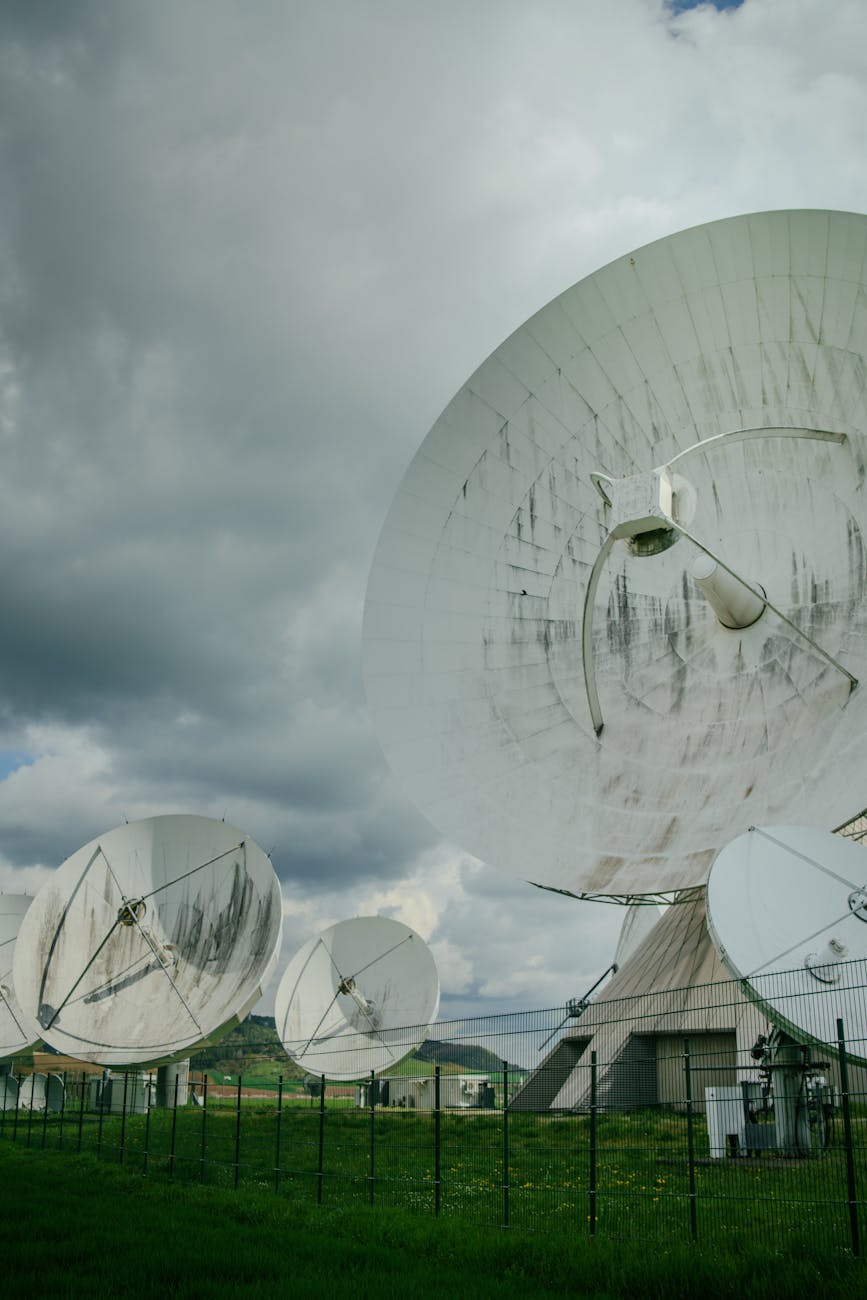
- Quantum Key Distribution (QKD): QKD protocols, such as prepare-and-measure (e.g., BB84) and entanglement-based (e.g., Ekert-91), utilize single-qubit superposition or multi-qubit entanglement to extract a secure key. Satellite-based QKD is crucial for overcoming the distance limitations of terrestrial fiber-optic networks, which typically restrict quantum signal transmission to a few hundred kilometers due to photon loss and decoherence.
- Entanglement Distribution: Entangled photon pairs, where the quantum state of one particle is intrinsically linked to the other regardless of distance, form the backbone of advanced quantum communication and are essential for future quantum repeaters and the quantum internet.
Key Missions and Global Achievements
The journey towards space-based quantum communication has been punctuated by remarkable milestones:
- China’s Micius Satellite (QUESS): Launched in 2016, Micius (Quantum Experiments at Space Scale) is a pioneering achievement. It successfully demonstrated entanglement-based QKD between the satellite and ground stations over 1,200 kilometers, shattering previous distance records. In a groundbreaking experiment, Micius enabled intercontinental quantum key distribution between China and Austria, covering a distance of 7,600 km and facilitating a secure video conference. Micius’s success has laid the foundation for a global quantum communication network.
- European Quantum Communication Infrastructure (EuroQCI) & ESA SAGA Mission: The European Union is establishing EuroQCI, a large-scale initiative to create a secure quantum communication network across Europe. The European Space Agency (ESA) is leading the development of its space segment, known as the Security And cryptoGrAphic (SAGA) mission, with a planned launch by 2027. SAGA aims to provide secure governmental communication services, leveraging quantum key distribution via satellites to complement terrestrial networks. ESA has also demonstrated entanglement remaining intact over 144 kilometers in a study, taking a step closer to exploiting entanglement for satellite communication.
- Canada’s QEYSSat: Scheduled for launch in 2026, the Quantum Encryption and Science Satellite (QEYSSat) mission aims to demonstrate QKD in space, moving Canada closer to a secure global communication infrastructure.
- NASA’s SCaN Program: NASA’s Space Communications and Navigation (SCaN) program is actively developing infrastructure for space-based quantum communication, including a quantum testbed for quantum communication between LEO satellites and ground stations, with long-term goals for intercontinental links via MEO satellites.
A detailed diagram illustrating the architecture of a global quantum internet, showing multiple satellites in different orbits connected to ground stations and terrestrial fiber networks, with quantum repeaters. The connections are represented by glowing quantum channels. Detailed explanation: Conceptual architecture of a global quantum internet utilizing satellite constellations and terrestrial links.
Challenges in Space-Based Quantum Communication
Despite the immense promise, deploying quantum communication in space presents significant hurdles:
- Environmental Extremes: Satellites face rapid temperature fluctuations, severe radiation exposure, and micrometeoroid impacts, which can disrupt delicate quantum components and lead to decoherence of quantum states.
- Technical Precision: Achieving precise timing synchronization between ground stations and rapidly moving satellites is critical for maintaining quantum coherence. Imperfect photon detectors can also introduce errors.
- Quantum Memory and Repeaters: For truly global, long-distance quantum networks, robust quantum memories and repeaters are essential to extend communication range and overcome signal losses. Their development for space is a significant challenge.
- Atmospheric Interference: While space offers advantages, transmission through Earth’s atmosphere can still cause signal degradation and interference, particularly for downlink communication.
- Cost and Scalability: Launching and maintaining satellite constellations for quantum networks requires substantial investment and faces economic challenges in expanding to a global scale.
The Future: A Global Quantum Internet
The ultimate vision is a global quantum internet, seamlessly distributing quantum information across interconnected quantum networks. This network will enable not only ultra-secure communication but also distributed quantum computing and enhanced sensing capabilities worldwide. Initiatives like China’s G60 Starlink project aim to develop a global quantum communication network by 2035, connecting continents with secure quantum links. The development of compact entangled photon-pair sources for satellites is a key technological enabler for this future.
A close-up of a quantum processor, glowing with intricate light patterns, symbolizing complex quantum computations. The background is a blurred image of Earth from space. Detailed explanation: Conceptual representation of a quantum computing chip designed for resilience in space environments.
Quantum Computing in Space: Unlocking Unprecedented Computational Power
Quantum computing, with its ability to perform calculations exponentially faster than classical computers for certain problems, holds transformative potential for space exploration and operations. By leveraging superposition and entanglement, quantum algorithms can tackle complex challenges previously considered insurmountable.
Potential Applications in Space Exploration
The implications of quantum computing for space are profound and multi-faceted:
- Mission Planning and Trajectory Optimization: Quantum computers can analyze gravitational forces, propulsion constraints, and celestial influences with exceptional speed and precision, leading to more efficient route planning, reduced travel times, and fuel consumption for spacecraft. This could achieve up to a 30% improvement in computational efficiency compared to classical methods.
- Data Analysis for Astronomical Observations: Quantum-enhanced machine learning can process vast astronomical datasets, enabling automated analysis, pattern recognition, and the identification of exoplanets, dark matter signatures, or cosmic anomalies with higher precision.
- Materials Science and Spacecraft Design: Quantum simulation can model quantum materials for spacecraft shielding, propulsion systems, and other components with unprecedented accuracy, leading to the development of more efficient and durable materials.
- Satellite Swarm Coordination and Earth Observation: Quantum-classical hybrid solvers could dynamically optimize orbits, coverage, and energy usage for satellite constellations, enhancing Earth observation capabilities and managing space infrastructure.
- Fundamental Physics Research: Simulating quantum systems encountered in black holes or quantum field theory, and probing the nature of dark matter and dark energy, can be greatly enhanced by quantum computing.
Current Research and Initiatives
- NASA’s Quantum Artificial Intelligence Laboratory (QuAIL): In collaboration with Google and USRA, QuAIL is a leading initiative exploring quantum applications for space challenges, focusing on quantum algorithms for mission operations, machine learning for Earth science data, and simulations for new materials.
- IBM Quantum System One: IBM has developed quantum computing solutions tailored for space, integrating quantum algorithms with classical computing for complex orbital mechanics and material simulations.
- DOE’s Quantum in Space Collaboration: The U.S. Department of Energy (DOE) is expanding this collaboration with industry partners like Boeing and Axiom Space, exploring how quantum computing, sensing, and networking can support and secure a space economy, including resource exploration and manufacturing in space.
- DLR & ESA Initiatives: These agencies are funding quantum machine learning algorithms for Earth observation and mission optimization.
Challenges for Space-Based Quantum Computing
While the computational promise is immense, direct deployment of quantum computers in space faces significant obstacles:
- Hardware Fragility and Coherence: Quantum processors are exquisitely sensitive. The harsh radiation, extreme temperatures, and microgravity in space pose significant threats to maintaining quantum coherence and operational integrity.
- Size, Weight, and Power (SWaP): Current quantum computers are large, complex machines requiring extensive cooling and power infrastructure. Miniaturizing these systems for space applications, especially for long-term missions, is a major engineering challenge.
- Error Correction: The high error rates of current quantum computers are exacerbated by the space environment, making robust quantum error correction even more critical and challenging.
- Repair and Maintenance: The inability to easily repair or maintain complex quantum systems once deployed in space is a significant operational hurdle.
A quantum sensor array deployed on a lunar rover, scanning the surface for resources, with a subtle quantum-inspired glow emanating from its instruments. The lunar landscape is visible in the background. Detailed explanation: Quantum sensing technology on a lunar rover for resource exploration and mapping.
Synergistic Impact on Future Industrial Ecosystems
The convergence of quantum communication and computing in space will trigger an epochal shift across numerous industrial sectors, redefining capabilities and fostering entirely new economic paradigms.
Defense and Cybersecurity
The most immediate and profound impact will be on national security. Quantum Key Distribution offers theoretically unbreakable encryption, safeguarding critical governmental, military, and intelligence communications against even future quantum computer attacks. A global quantum communication network will establish a new standard for secure information exchange, essential for protecting sensitive data from sophisticated cyber threats.
Global Connectivity and Data Integrity
A space-based quantum internet will revolutionize global connectivity, providing ultra-secure communication channels across continents and oceans, overcoming the distance limitations of terrestrial fiber networks. This will have significant implications for financial transactions, critical infrastructure control (e.g., power grids, healthcare systems), and the secure distribution of highly sensitive commercial data.
Space Exploration and Resource Management
Quantum computing will dramatically enhance our capabilities in deep space missions, optimizing trajectories, improving autonomous navigation for spacecraft and rovers, and enabling more efficient resource exploration on other celestial bodies. Quantum sensors, with their unparalleled sensitivity, can precisely measure gravitational fields, magnetic anomalies, and other space phenomena, revolutionizing planetary mapping and scientific discovery.
Earth Observation and Climate Science
Space-based quantum sensors will provide unprecedented precision for Earth observation, enabling more accurate measurements of climate change indicators such as sea level rise, ice melt rates, and changes in land-water resources. These enhanced observational capabilities will empower more robust climate modeling and environmental monitoring, crucial for a sustainable future.
Emerging Industries and Economic Growth
The quantum technology market within the space sector is projected for rapid expansion, with a compound annual growth rate of 24.8% from 2023 to 2030. This growth will spur new industries focused on quantum hardware manufacturing for space, quantum software development, and specialized quantum-secured services. Companies investing in quantum-safe encryption and quantum network infrastructure will gain significant competitive advantages.

A vibrant, abstract visualization of quantum entanglement spanning across Earth and into deep space, with interwoven light threads connecting distant points. Detailed explanation: Artistic representation of quantum entanglement enabling secure communication across vast cosmic distances.
Case Studies and Key Players: Pioneering the Quantum Frontier
The global race to establish quantum supremacy in space is fiercely competitive, with nations and private entities investing heavily in research and development. Here, we highlight some pivotal initiatives:
| Initiative/Entity | Primary Focus | Key Achievements/Goals |
|---|---|---|
| China (Micius Satellite) | Quantum Communication (QKD, entanglement distribution) | First satellite-to-ground QKD (1,200 km), intercontinental QKD (7,600 km), foundation for global quantum network. |
| ESA (EuroQCI, SAGA Mission) | Secure Quantum Communication (QKD), Digital Sovereignty | Developing pan-European quantum network; SAGA mission (launch by 2027) for governmental QKD services. |
| NASA (QuAIL, SCaN, Quantum Pathways Institute) | Quantum Computing Applications, Quantum Communication, Quantum Sensing | Research in trajectory optimization, AI for space data, new materials; quantum testbed for LEO-ground communication; quantum sensors for climate science. |
| Canada (QEYSSat) | Quantum Key Distribution (QKD) | Demonstration of QKD from space, building secure national and global communication infrastructure (launch 2026). |
| IBM | Quantum Computing Solutions for Space | Developing quantum algorithms for orbital mechanics, trajectory optimization, and spacecraft material simulation. |
| IonQ | Quantum Networking & Internet | Acquisition of Lightsynq and Capella Space for quantum memory and space QKD networks, aiming for a quantum network extending into space. |
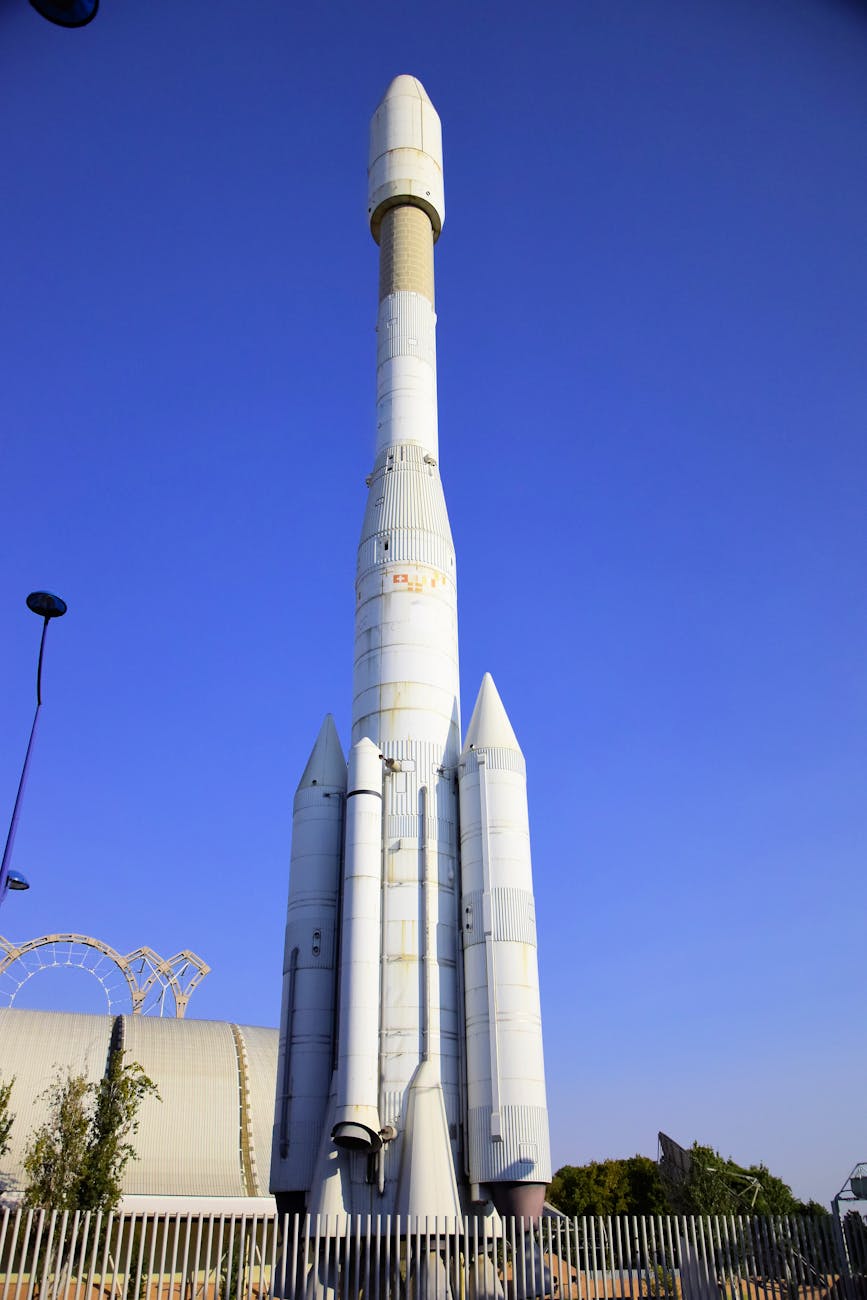
A panoramic view of a bustling, futuristic spaceport with multiple spacecraft docked, some featuring quantum-powered propulsion systems, hinting at advanced capabilities. The sky above is filled with orbital platforms. Detailed explanation: A futuristic spaceport demonstrating advanced space travel enabled by quantum technologies.
Roadmap to the Quantum Cosmos: Future Trajectories and Collaborative Imperatives
The journey towards a fully realized quantum cosmos is a multi-decade endeavor, requiring sustained investment, groundbreaking innovation, and unprecedented global collaboration. The roadmap outlines key milestones:
Near-Term (Next 5-10 Years)
- Expansion of Satellite QKD Networks: Deployment of more dedicated quantum communication satellites and small satellite constellations (e.g., CubeSats) to establish regional and early intercontinental quantum links.
- Miniaturization and Hardening of Quantum Hardware: Significant advancements in making quantum components (sources, detectors, memories, and early-stage processors) smaller, more power-efficient, and resilient to the harsh space environment.
- Advanced Quantum Sensing Missions: Launch of more sophisticated quantum sensors for Earth observation, precise navigation, and fundamental physics experiments in space.
- Hybrid Quantum-Classical Architectures: Continued development and testing of hybrid systems that combine the strengths of quantum and classical computing for space applications.
Mid-Term (10-20 Years)
- Global Quantum Internet Backbone: Establishment of a robust, global quantum internet backbone utilizing satellite constellations, quantum repeaters, and trusted nodes to connect quantum computers and networks worldwide.
- Space-Based Quantum Computing Testbeds: Deployment of initial, more robust quantum computing testbeds in orbit, capable of performing complex calculations for real-time mission critical tasks.
- Quantum-Enhanced Autonomous Systems: Integration of quantum AI and quantum machine learning into autonomous spacecraft and orbital platforms for advanced decision-making and data processing.
Long-Term (20+ Years)
- Interplanetary Quantum Networks: Extension of quantum communication and entanglement distribution to deep space missions, enabling secure communication with distant probes and future human settlements.
- Fully Distributed Quantum Computing: Realization of a network of interconnected quantum computers in space, pooling computational resources for scientific breakthroughs and complex simulations that transcend current capabilities.
- Quantum-Powered Space Manufacturing and Resource Utilization: Leveraging quantum simulations and sensing for advanced manufacturing processes and efficient resource extraction in space.
A diverse group of scientists and engineers from different nations collaborating in a sleek, quantum-themed control room, observing holographic projections of quantum networks in space. The atmosphere is one of focused innovation and global partnership. Detailed explanation: International collaboration driving the development of quantum technologies for space applications.
The Vespellar Nexus Autonomous Archive: A Quantum Future Beckons
The unfolding narrative of quantum communication and computing in space is one of humanity’s most audacious endeavors. It promises to fundamentally alter our relationship with information, computation, and the universe itself. The challenges are formidable, demanding a convergence of scientific brilliance, engineering ingenuity, and global cooperation. Yet, the unparalleled benefits—from impenetrable cybersecurity to revolutionary scientific discoveries and the enablement of truly autonomous deep-space exploration—make this a pursuit of paramount importance.
As we stand on the cusp of this quantum ascendance, the Vespellar Nexus reaffirms its commitment to chronicling these transformative developments. The secure, powerful, and interconnected future envisioned by space-based quantum technologies is not a distant dream but a rapidly approaching reality, recalibrating the cosmic ledger and ushering in an era of unprecedented human potential. The quantum age in space will illuminate pathways to knowledge and capabilities that currently exist only in the realm of theory, securing our digital future and expanding our reach across the boundless cosmos.

A highly aesthetic, abstract representation of the Vespellar Nexus logo, glowing with quantum energy, superimposed over a distant galaxy, symbolizing advanced knowledge and cosmic reach. Detailed explanation: Vespellar Nexus logo representing advanced quantum knowledge and cosmic exploration.