The landscape of healthcare is undergoing a profound metamorphosis, driven by the relentless pursuit of innovative solutions to combat intractable diseases and repair damaged tissues. At the vanguard of this revolution are stem cell and organoid technologies, promising a future where once-incurable conditions are met with unprecedented therapeutic strategies.
Regenerative medicine, a field dedicated to restoring the function of diseased or damaged organs and tissues, is no longer a distant aspiration but a rapidly unfolding reality. Central to this paradigm shift are stem cells, with their remarkable capacity for self-renewal and differentiation into various cell types, and organoids, sophisticated 3D in vitro models that recapitulate the architecture and function of human organs.
The Unfolding Potential of Stem Cell Therapies
Stem cell therapy (SCT) has emerged as a frontier in regenerative medicine, offering a therapeutic tool to treat or prevent diseases by leveraging the inherent healing capabilities of human stem cells. These cells, including embryonic stem cells (ESCs), induced pluripotent stem cells (iPSCs), and adult stem cells (ASCs), possess the extraordinary ability to regenerate or repair damaged body tissues and congenital defects. The historical milestones in SCT, beginning with hematopoietic stem cell transplantation (HSCT) in 1956 for leukemia, underscore decades of progress. Today, SCT is being explored for a wide array of intractable diseases, from neurological disorders like Parkinson’s and Alzheimer’s to diabetes, retinal degenerative disorders, and even COVID-19 infections.
Induced pluripotent stem cells (iPSCs), in particular, offer a promising avenue by reprogramming adult cells to an embryonic-like pluripotent state, thereby mitigating the ethical concerns associated with ESCs while retaining therapeutic potential. Advances in nanotechnology and biomaterials are also refining targeted stem cell delivery, enhancing treatment efficacy and reducing risks. Furthermore, the integration of 3D bioprinting with stem cells is paving the way for the creation of bioengineered organs and tissues, moving closer to the vision of growing new organs or repairing damaged ones.
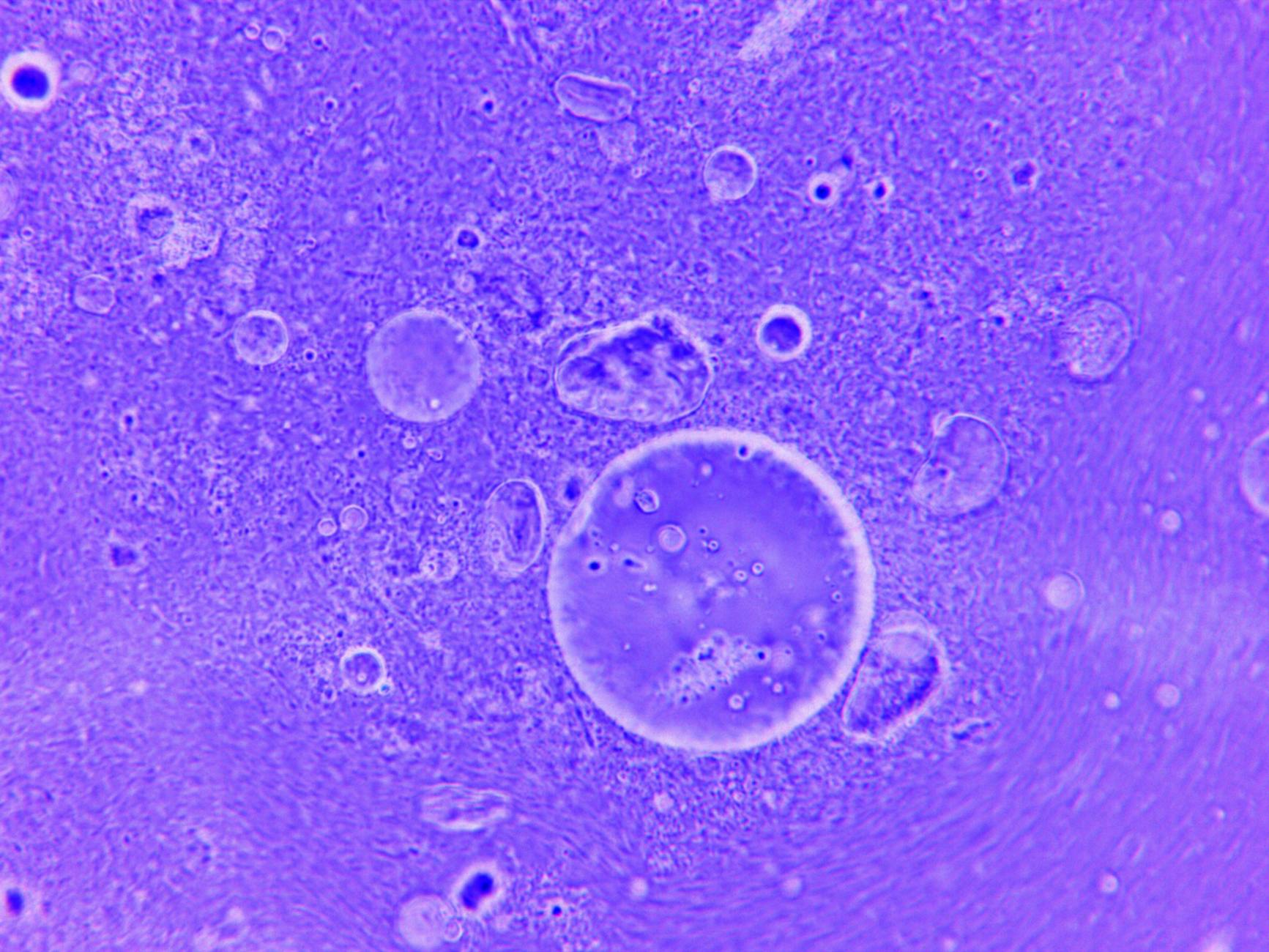
A high-resolution microscopic image showcasing various types of human stem cells, highlighting their unique morphology and potential for differentiation. The image should convey a sense of scientific wonder and the intricate nature of cellular biology.
Organoids: Miniaturized Organs Revolutionizing Research and Therapy
Organoids, described as miniaturized, self-organizing 3D tissue cultures derived from stem cells or progenitor cells, are revolutionizing biomedical research. These remarkable structures mimic key anatomical and functional features of native human tissues, offering a more physiologically relevant model than traditional 2D cell cultures or animal models. Their applications span disease modeling, developmental studies, drug discovery, and regenerative medicine.
The ability to generate organoids from patient-derived cells is a cornerstone of personalized medicine. By testing drugs and therapies directly on these patient-specific organoids, clinicians can predict treatment responses with greater accuracy, increasing the likelihood of prescribing efficient therapies. This approach is particularly impactful in understanding disease pathology, such as in inflammatory bowel disease, and in developing personalized cancer treatments. Tumor organoids, for instance, derived from patient tumor samples, are proving invaluable for studying cancer heterogeneity, the tumor microenvironment, and responses to various therapies, leading some to herald them as “the future of cancer research.”
| Organoid Type | Applications | Significance |
|---|---|---|
| Brain Organoids | Studying neurodevelopment, neurological disorders (e.g., Alzheimer’s, Parkinson’s), and drug neurotoxicity. | Mimic key features of the developing human brain, offering insights into complex neural processes. |
| Intestinal Organoids | Modeling gastrointestinal diseases (e.g., IBD, colorectal cancer), studying gut microbiota, and drug absorption. | Recapitulate the structure and function of the intestinal epithelium, crucial for digestive health research. |
| Liver Organoids | Drug metabolism and toxicity testing, modeling liver diseases (e.g., hepatitis), and detoxification pathways. | Provide a more accurate in vitro model for assessing drug efficacy and safety in liver function. |
| Tumor Organoids | Personalized cancer therapy, drug screening, understanding tumor heterogeneity and microenvironment. | Replicate patient tumors in vitro, enabling tailored treatment strategies and accelerating cancer research. |

A vibrant, multi-colored illustration of various organoids (brain, gut, liver, tumor) in a petri dish, showcasing their intricate 3D structures and diverse cellular compositions.
Strategies for Tackling Intractable Diseases
The convergence of stem cell and organoid technologies offers powerful strategies for addressing diseases that have long eluded effective treatment. Stem cell therapies are being developed to reboot immune systems for conditions like multiple sclerosis, regenerate heart tissue after myocardial infarction, and repair damaged neural tissue for spinal cord injuries and neurodegenerative diseases. The potential to halt disease progression or even reverse neurological damage is a testament to the transformative power of these approaches.
Organoids serve as sophisticated platforms for modeling these complex diseases in vitro. By replicating the pathophysiology of conditions such as cystic fibrosis, cancer, and neurodegenerative disorders, organoids allow researchers to dissect disease mechanisms, identify novel drug targets, and test therapeutic interventions with unprecedented precision. For instance, patient-derived organoids can predict drug responses, guiding personalized treatment decisions and minimizing the trial-and-error often associated with conventional medicine.
The future of regenerative medicine lies in its ability to move beyond symptom management to root-cause resolution, offering genuine restoration of function and hope for millions.

A conceptual graphic illustrating the process of using organoids for personalized medicine, showing patient cells being cultured into organoids, then used for drug screening to determine the most effective treatment.
Navigating the Challenges and Ethical Considerations
Despite the immense promise, the field of regenerative medicine faces significant challenges. Manufacturing consistency, contamination control, and ensuring the long-term genotypic and phenotypic stability of stem cells are critical hurdles in therapeutic translation. Post-transplant stem cell distribution and the potential for teratoma formation require careful monitoring and robust safety evaluation protocols. Furthermore, the high cost of stem cell therapies and the infrastructure required for their development pose accessibility challenges, particularly for developing nations.
Ethical considerations are paramount. Debates surrounding the use of embryonic stem cells, informed consent, patient safety, and equitable access to these advanced therapies require careful navigation. The advent of iPSCs has alleviated some ethical concerns, but ongoing discussions about consent, cloning, and the potential for misuse persist. Transparency in research, clinical trials, and pricing is essential to foster trust and accountability.

A visual representation of the ethical considerations in regenerative medicine, perhaps depicting a balanced scale with ‘Innovation’ on one side and ‘Safety & Ethics’ on the other, with question marks symbolizing ongoing debates.
The Regulatory and Commercial Landscape
The rapid advancement of regenerative medicine necessitates robust and adaptive regulatory frameworks. Agencies worldwide are working to establish guidelines for the approval of cell therapies, gene therapies, and tissue-engineered products. The Regenerative Medicine Advanced Therapy (RMAT) designation in the U.S. aims to expedite the development and review of promising regenerative therapies. However, the global regulatory landscape remains diverse, presenting challenges for international harmonization. Compliance with evolving regulations, including those for human cells, tissues, and cellular therapy products (HCT/Ps), is crucial for clinics and manufacturers.
The market for organoid technology is experiencing substantial growth, projected to reach billions of dollars in the coming years. This expansion is fueled by increasing applications in drug discovery, personalized medicine, and disease modeling, as well as a growing emphasis on reducing animal testing. North America currently leads the market, with Asia-Pacific showing the fastest growth. Collaboration between research institutions and pharmaceutical companies is accelerating innovation, particularly in liver organoids for drug toxicity screening and tumor organoids for personalized cancer therapy.
| Key Challenge | Description | Mitigation Strategies |
|---|---|---|
| Manufacturing & Standardization | Ensuring consistent quality and safety of cell products. | Development of standardized protocols, stringent quality control measures, and regulatory oversight. |
| Immunogenicity & Rejection | The body’s immune system attacking transplanted cells. | Utilizing autologous stem cells (patient’s own), developing immunomodulatory strategies, and engineering less immunogenic cells. |
| Tumorigenicity & Safety | Risk of uncontrolled cell proliferation leading to tumor formation. | Rigorous preclinical testing, monitoring cell behavior post-transplantation, and using cells with lower tumorigenic potential (e.g., ASCs). |
| Ethical Concerns | Debates over cell sources, consent, and equitable access. | Adherence to ethical guidelines, transparency in research and clinical practices, and promoting equitable access to therapies. |
| Cost & Accessibility | High expenses limiting patient access to advanced therapies. | Streamlining manufacturing processes, exploring cost-effective technologies, and advocating for policy changes to improve accessibility. |
A complex flowchart visually outlining the regulatory pathways for regenerative medicine products, from initial research and development to clinical trials and market approval, highlighting key agencies and designations.
The Future Horizon: Precision, Personalization, and Prevention
The trajectory of regenerative medicine is undeniably towards a future defined by precision, personalization, and proactive prevention. Stem cell and organoid technologies are not merely tools for treating existing diseases; they are foundational pillars for a new era of healthcare. This era promises treatments tailored to an individual’s unique genetic makeup, lifestyle, and disease profile, moving away from the one-size-fits-all approach. The integration of artificial intelligence (AI) and machine learning will further accelerate drug discovery, optimize treatment planning, and enhance the predictive capabilities of organoid models.
As we stand on the precipice of these transformative advancements, the collaboration among scientists, clinicians, ethicists, regulators, and patients will be paramount. By fostering an environment of responsible innovation, open dialogue, and unwavering commitment to ethical principles, we can fully harness the power of stem cells and organoids to unlock unprecedented healing and redefine the boundaries of human health for generations to come.

An aspirational, futuristic image depicting a diverse group of people interacting with advanced medical technology, symbolizing the personalized and accessible nature of future regenerative medicine.
A detailed infographic summarizing the key applications of stem cells and organoids in regenerative medicine, including disease treatment, drug development, and tissue engineering.

A conceptual rendering of a bio-engineered organ grown from stem cells, showcasing its intricate vascularization and cellular organization, representing the ultimate goal of regenerative medicine.