Reversing Aging and Extending Healthspan: AI-Driven Synthetic Biology, Gene Circuit Design, and Cellular Reprogramming
In the relentless pursuit of human longevity and vitality, the convergence of artificial intelligence (AI) and synthetic biology heralds a new era of transformative possibilities. This master manuscript, archived within the Vespellar Nexus, delves into the profound strategies for reversing aging and extending healthspan, with a particular focus on the intricate design of gene circuits and the sophisticated art of cellular reprogramming. We stand at the precipice of a biological revolution, where computational power meets biological ingenuity to unlock the secrets of cellular rejuvenation.
“The future of aging is not a passive decline, but an active engineering challenge. AI and synthetic biology are the blueprints and tools for this grand endeavor.”
The Biological Imperative: Understanding and Counteracting Aging
The aging process, a complex tapestry of cellular damage, genetic mutations, and functional decline, has long been considered an inevitable biological fate. However, recent scientific breakthroughs, amplified by the power of AI, are challenging this paradigm. Aging is now understood not merely as a consequence of time, but as a dynamic biological program that can potentially be modulated, slowed, and even reversed. Key hallmarks of aging include genomic instability, telomere attrition, epigenetic alterations, loss of proteostasis, deregulated nutrient sensing, mitochondrial dysfunction, cellular senescence, stem cell exhaustion, and altered intercellular communication. Addressing these hallmarks is paramount to extending not just lifespan, but more critically, healthspan – the period of life spent in good health, free from chronic disease and disability.
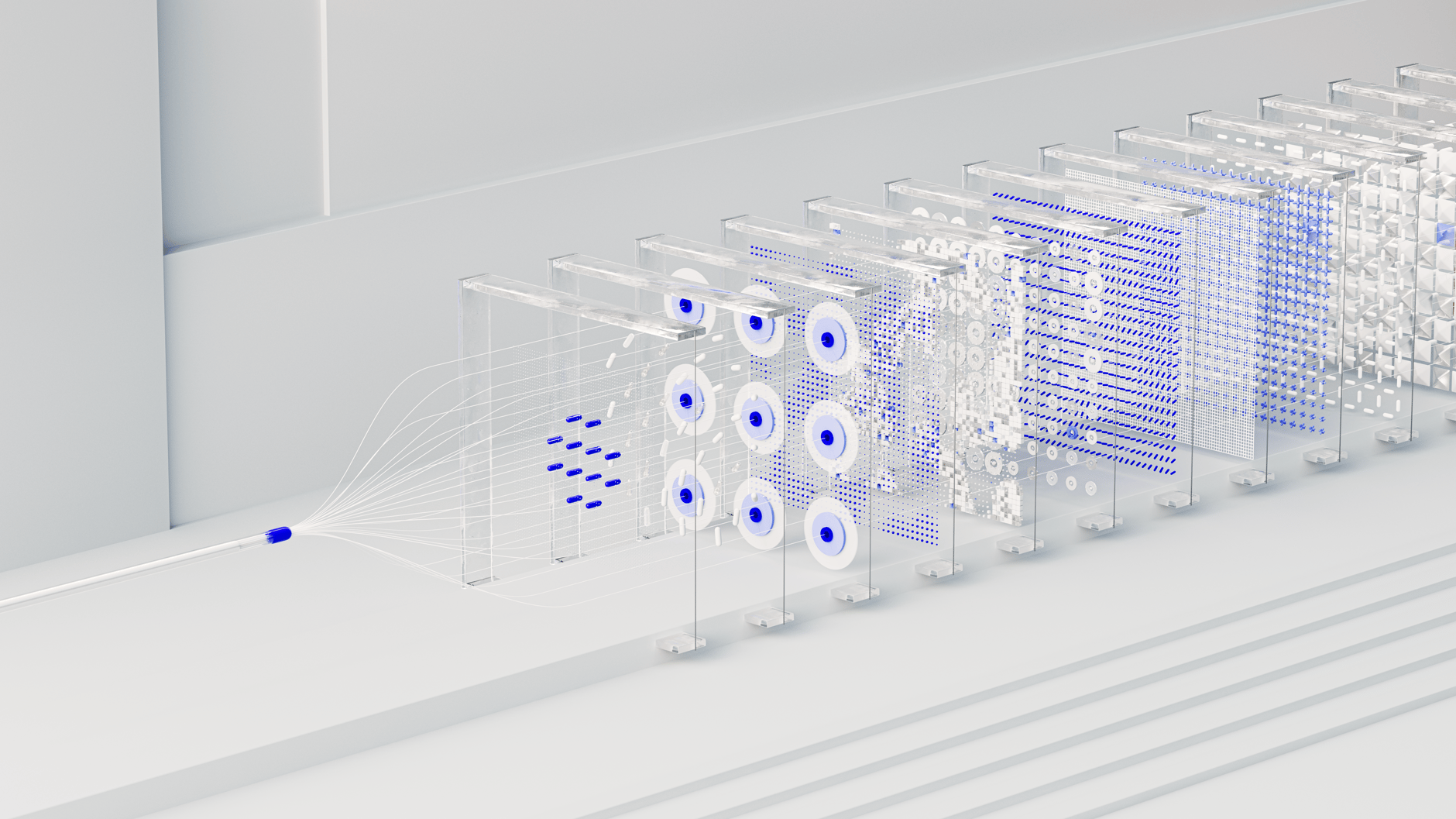
A futuristic laboratory setting with holographic displays showing complex DNA structures and AI algorithms, symbolizing the intersection of biology and artificial intelligence in aging research.
AI as the Architect: Designing Gene Circuits for Cellular Control
Synthetic biology, the discipline of designing and constructing novel biological parts, devices, and systems, is revolutionizing our approach to cellular engineering. At its core lies the concept of gene circuits – engineered genetic networks that can sense cellular states and respond with predictable outputs. AI plays an indispensable role in this domain, moving beyond traditional trial-and-error methods to predictive and generative design. AI algorithms can analyze vast biological datasets to identify optimal gene sequences, regulatory elements, and network topologies for specific cellular functions. This includes designing circuits that can:
- Detect and neutralize senescent cells.
- Restore telomere length.
- Correct epigenetic errors.
- Enhance protein folding and degradation pathways.
- Modulate metabolic pathways for improved cellular efficiency.
The ability of AI to simulate complex biological interactions and predict circuit behavior before experimental implementation significantly accelerates the discovery and development process. This predictive power is crucial for engineering robust and reliable genetic interventions that can safely and effectively target the aging process at a molecular level.
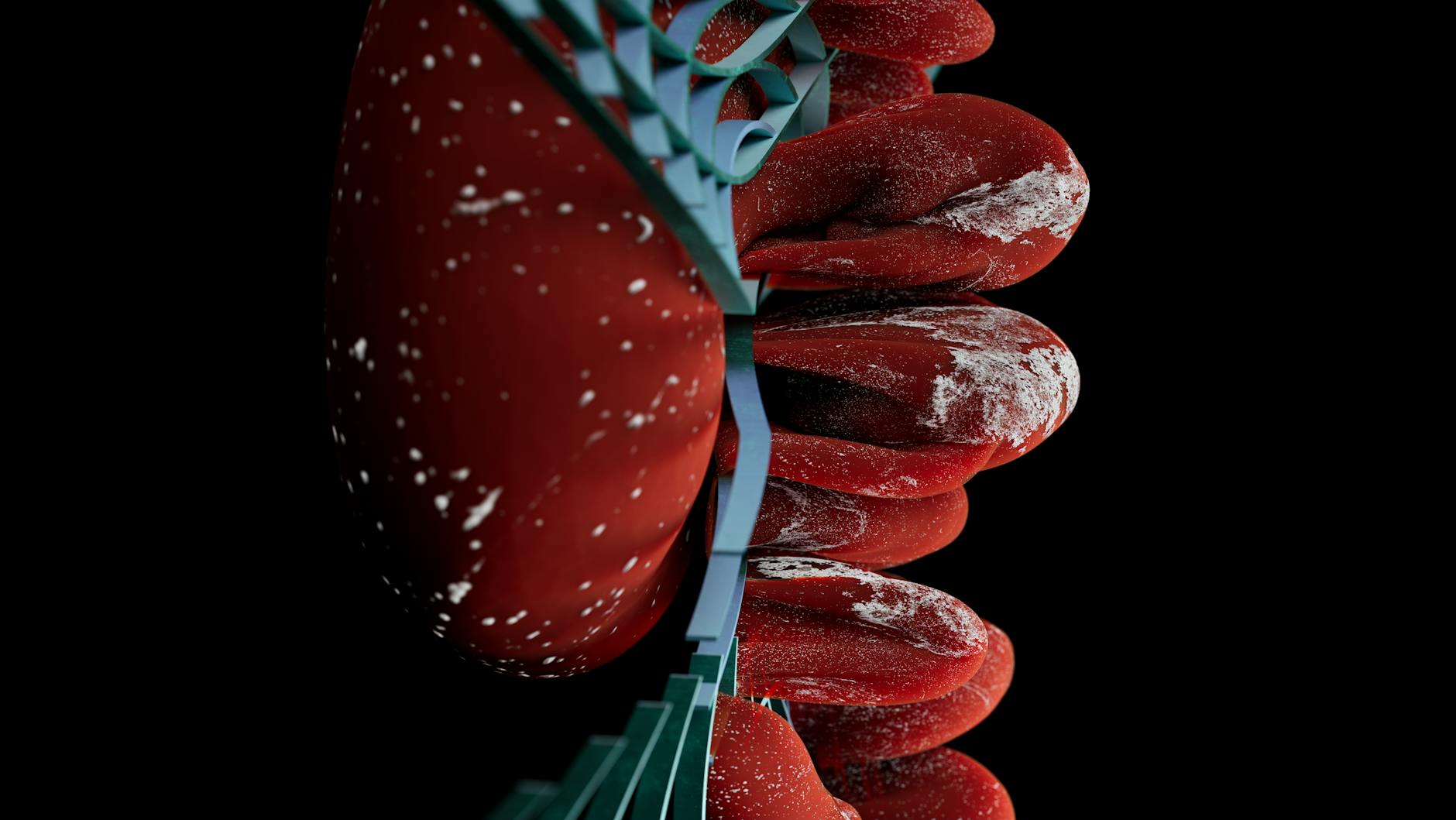
An intricate 3D visualization of a synthetic gene circuit, with nodes representing genes and edges representing regulatory interactions, highlighted by AI-generated optimal pathways.
Cellular Reprogramming: Rewinding the Biological Clock
Cellular reprogramming, particularly induced pluripotent stem cell (iPSC) technology, offers a powerful avenue for reversing cellular age. By introducing specific transcription factors (e.g., Yamanaka factors), somatic cells can be reverted to a pluripotent state, essentially resetting their developmental clock. While complete dedifferentiation has risks, partial reprogramming, which aims to rejuvenate cells without erasing their identity, shows immense promise. AI is instrumental in identifying the optimal combination and timing of reprogramming factors, as well as predicting the epigenetic landscape changes associated with this process.
Case Study: AI-Guided Partial Reprogramming for Tissue Rejuvenation
A hypothetical case study illustrates the potential. Researchers at a leading bio-innovation lab utilized an AI platform to analyze epigenetic markers in aging muscle tissue. The AI identified a unique cocktail of transcription factors and a precise temporal delivery schedule that induced partial reprogramming in aged myoblasts. In vitro experiments demonstrated a significant restoration of mitochondrial function, improved satellite cell activity, and enhanced regenerative capacity in the reprogrammed cells. Subsequent in vivo studies in aged animal models showed accelerated muscle repair and improved physical performance, suggesting a tangible reversal of age-related decline at the cellular and tissue level. This level of precision would be unattainable without AI-driven analysis and design.
| Hallmark of Aging | Description | AI-Synthetic Biology Strategy |
|---|---|---|
| Genomic Instability | Accumulation of DNA damage. | AI-designed gene circuits for enhanced DNA repair enzymes. |
| Telomere Attrition | Shortening of chromosome ends. | AI-optimized telomerase activation circuits. |
| Epigenetic Alterations | Changes in gene expression without DNA sequence modification. | AI-guided epigenetic modifiers and reprogramming factors. |
| Cellular Senescence | Irreversible cell cycle arrest. | AI-identified targets for senolytic therapies and engineered senescent cell clearance. |
| Mitochondrial Dysfunction | Impaired cellular energy production. | AI-designed gene circuits to boost mitochondrial biogenesis and function. |
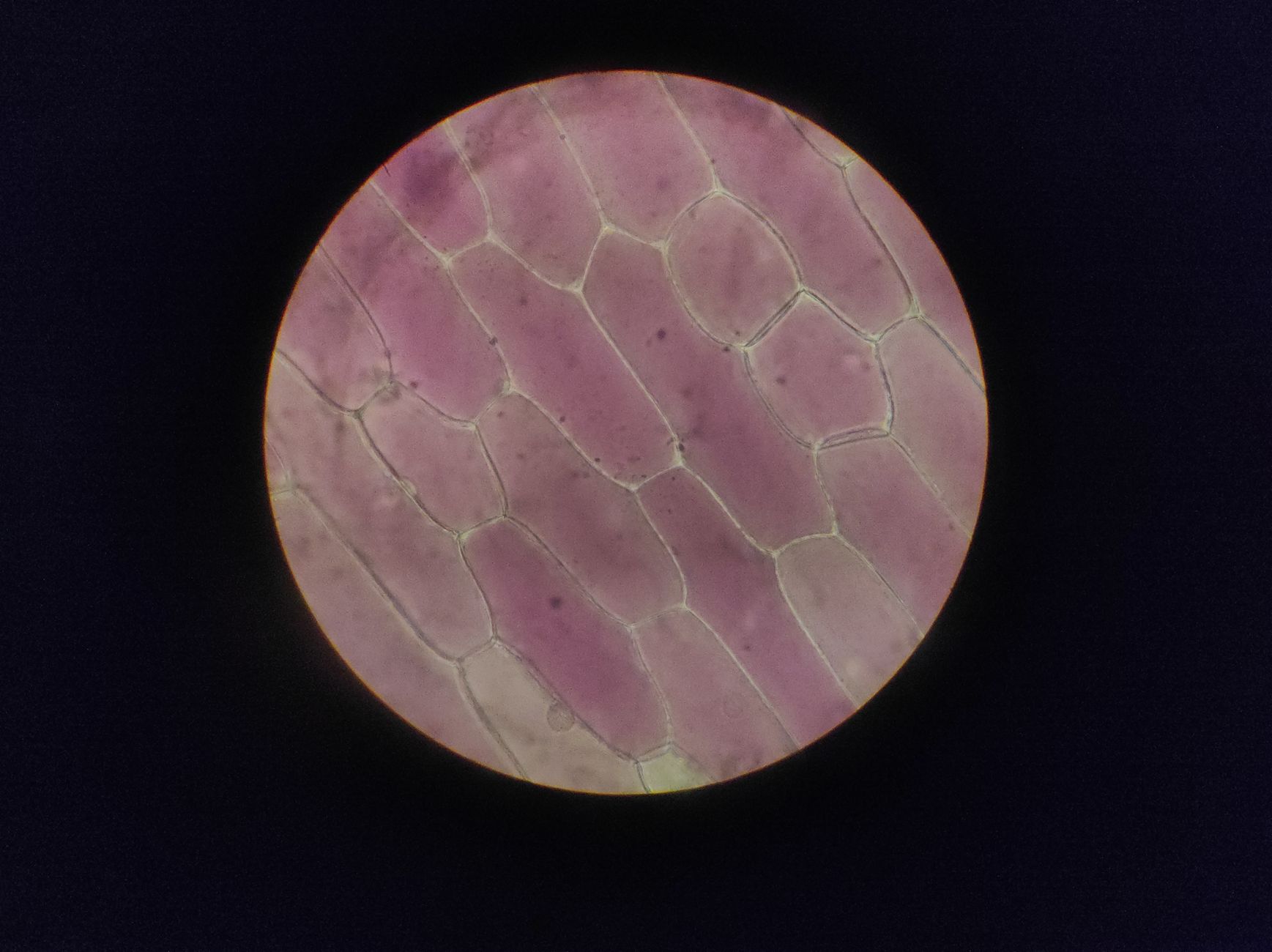
A comparative microscopic view of aged cells versus rejuvenated cells after partial reprogramming, showing differences in mitochondrial activity and cellular morphology.
The Vespellar Nexus Perspective: A Futuristic Outlook
From the perspective of the Vespellar Nexus, the integration of AI and synthetic biology for age reversal represents a paradigm shift, akin to the foundational advancements in sustainable aviation fuels or AI-driven agricultural innovation. This is not merely about extending life, but about enhancing the quality of life throughout an extended duration. The development of sophisticated gene circuits and precise cellular reprogramming techniques, guided by AI, promises to unlock unprecedented levels of human health and vitality. This field demands a multidisciplinary approach, integrating expertise from molecular biology, genetics, computer science, and bioengineering. The ethical considerations and regulatory frameworks surrounding these powerful technologies will also be critical as we navigate this frontier.

A symbolic representation of a human silhouette with glowing, revitalized cellular structures within, illustrating the concept of internal biological rejuvenation.
Challenges and Future Directions
Despite the immense potential, significant challenges remain. Ensuring the safety and specificity of gene circuits, preventing off-target effects in cellular reprogramming, and scaling these interventions for widespread application are critical hurdles. Furthermore, understanding the long-term consequences of manipulating fundamental biological processes like aging requires rigorous and extended research. The development of sophisticated computational models, powered by AI, will be essential for predicting and mitigating potential risks. Future research will likely focus on:
- Developing more precise and controllable gene editing and delivery systems.
- Creating AI platforms capable of simulating entire cellular and organismal aging processes.
- Investigating the interplay between genetics, environment, and lifestyle in modulating aging.
- Establishing robust ethical guidelines and regulatory pathways for advanced biotechnologies.
The journey towards mastering the biology of aging is complex, but with AI-driven synthetic biology, we are equipped with the most powerful tools ever conceived to embark on this transformative quest.

A futuristic city skyline at dawn, with subtle holographic overlays of biological data, symbolizing a future where enhanced human health powers societal progress.
Conclusion: Engineering a Healthier Tomorrow
The quest to reverse aging and extend healthspan is no longer the realm of science fiction. AI-powered synthetic biology, through ingenious gene circuit design and advanced cellular reprogramming, offers a tangible pathway to a future where aging is a manageable biological process, not an inevitable decline. As we continue to archive and analyze these advancements within the Vespellar Nexus, it becomes clear that we are on the cusp of fundamentally redefining human potential and well-being. The strategic application of AI in unraveling and engineering biological systems represents one of humanity’s most significant endeavors, promising a future of extended vitality and enhanced quality of life for generations to come.

A diverse group of healthy, active elderly individuals engaged in various activities, representing the successful extension of human healthspan.

A final, abstract visual representing the interconnectedness of AI, biology, and human longevity, rendered in a premium, futuristic style.