Introduction
Cybersecurity has become a paramount concern for individuals, businesses, and governments as we navigate the complexities of the digital age. The increasing sophistication of cyber threats has prompted the development of innovative defense strategies, among which AI-based autonomous defense systems and Zero Trust Architecture (ZTA) integration have emerged as groundbreaking approaches. This report delves into the realm of AI-powered autonomous cybersecurity, exploring its synergies with ZTA and the transformative impact on the future of threat response.
| Technology | Description |
|---|---|
| AI-Based Autonomous Defense | Utilizes artificial intelligence to detect, analyze, and respond to cyber threats in real-time, enhancing the speed and efficacy of cybersecurity measures. |
| Zero Trust Architecture (ZTA) | A security model that assumes all users and devices, whether inside or outside an organization’s network, are potential threats and must be verified and validated before being granted access. |
The Evolution of Cyber Threats and the Need for Advanced Defense
Cyber threats have evolved significantly, from simple viruses and malware to sophisticated, AI-driven attacks that can evade traditional security measures. The rise of the Internet of Things (IoT), cloud computing, and increased connectivity has expanded the attack surface, making it challenging for conventional security systems to keep pace.

Cybersecurity threats evolving over time
AI in Cybersecurity: The Autonomous Defense Dimension
- Predictive Analytics: AI algorithms analyze patterns and anomalies in network traffic to predict potential attacks, enabling proactive measures.
- Real-Time Response: Autonomous systems can respond to threats in real-time, significantly reducing the gap between detection and mitigation.
- Continuous Learning: AI systems learn from experiences, adapting to new threats and improving their detection and response capabilities.
Integrating AI with Zero Trust Architecture (ZTA)
The integration of AI-based autonomous defense systems with ZTA represents a paradigm shift in cybersecurity. By assuming that all interactions with the network are potential threats, ZTA ensures that every user and device is authenticated, authorized, and continuously validated. AI enhances this process by providing real-time risk assessments and adaptive policy enforcement.
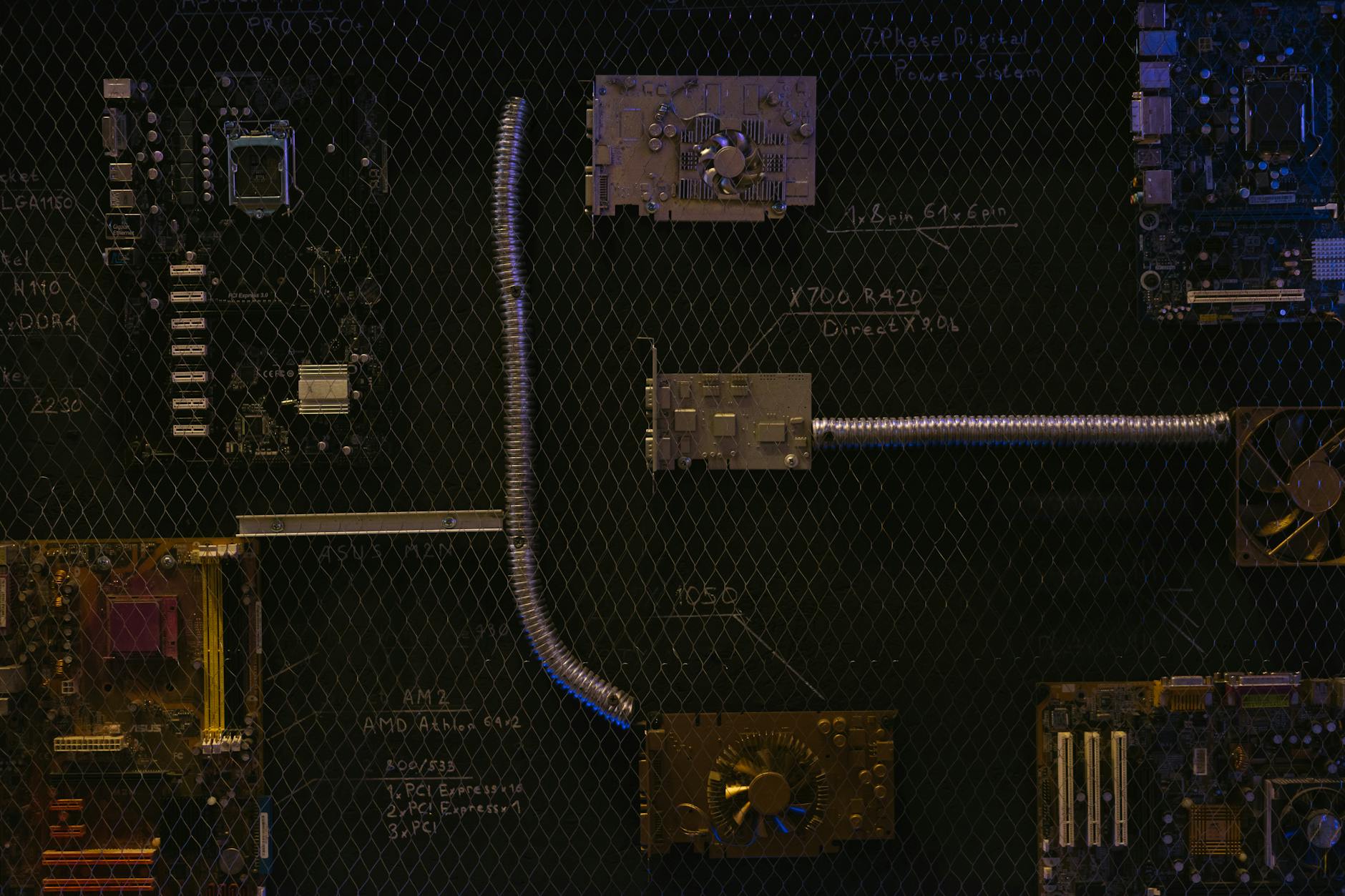
Diagram illustrating the integration of AI and ZTA
Benefits of AI-ZTA Integration
The convergence of AI-powered autonomous defense and ZTA offers unparalleled security benefits, including enhanced threat detection, improved incident response, and reduced risk through continuous validation and monitoring of network interactions.
| Benefit | Description |
|---|---|
| Enhanced Threat Detection | Achieved through AI-driven predictive analytics and real-time monitoring. |
| Improved Incident Response | Enabled by autonomous systems that can respond swiftly and effectively to detected threats. |
| Reduced Risk | Resulting from the continuous validation and monitoring of all network interactions based on least privilege access. |
Case Study: Implementing AI-Based Autonomous Defense and ZTA
A leading financial institution successfully integrated AI-powered autonomous defense systems with ZTA, resulting in a significant reduction in cybersecurity incidents and improvement in response times. The institution reported enhanced security posture and compliance with regulatory requirements.
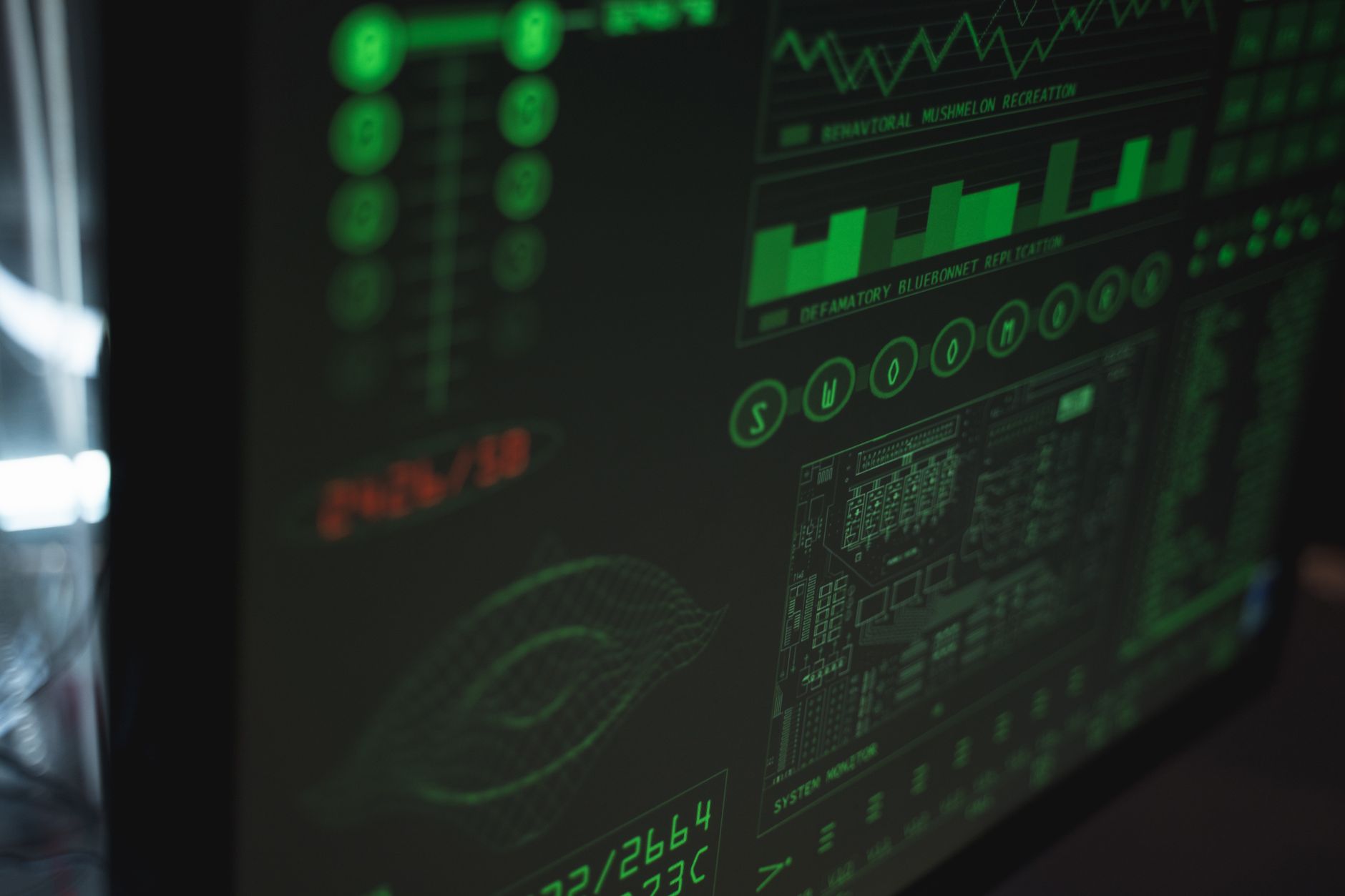
Financial institution’s cybersecurity dashboard
Future Outlook and Challenges
The future of cybersecurity will be shaped by the continued evolution of AI and ZTA. However, challenges such as data privacy, ethical AI use, and the need for skilled cybersecurity professionals must be addressed. Continued investment in AI-powered autonomous defense and ZTA will be crucial for staying ahead of emerging threats.

Future cybersecurity landscape
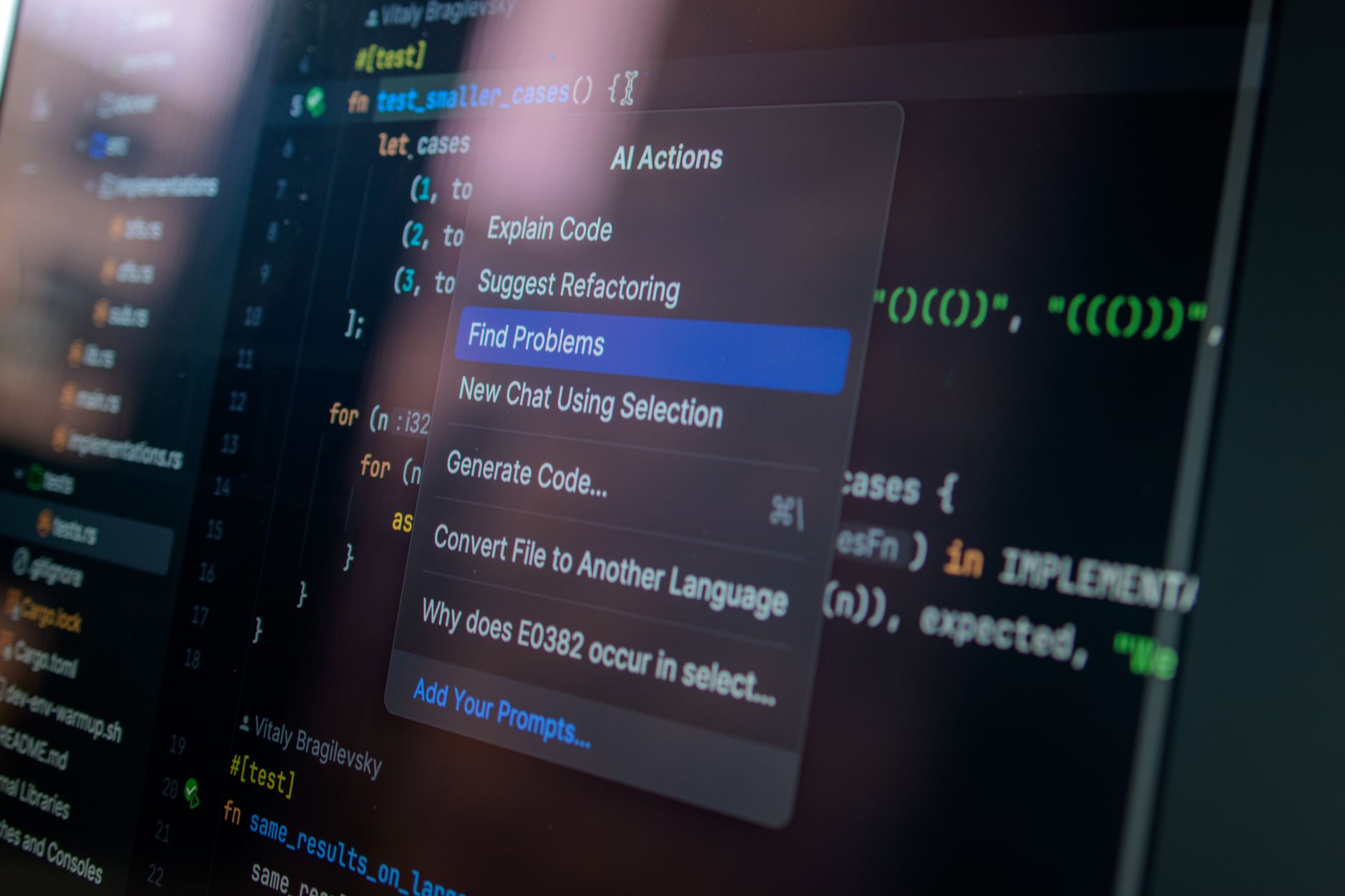
Ethical considerations in AI development

Skilled cybersecurity professionals in demand
Conclusion
In conclusion, the integration of AI-based autonomous defense systems and ZTA represents a revolutionary approach to cybersecurity. As the landscape of cyber threats continues to evolve, the adoption of these technologies will be pivotal in enhancing security postures and protecting against sophisticated attacks.
Integrated AI and ZTA logo