The future of health is deeply personal, intricately woven into the unique tapestry of our genetic code and the bustling microbial ecosystems within us. As we stand on the precipice of a new era in wellness, Artificial Intelligence (AI) is emerging as the indispensable architect, orchestrating a symphony of data to unlock unprecedented levels of personalized nutrition and health management.
This master manuscript delves into the transformative strategy of integrating AI-driven analysis of genomics and the microbiome to forge hyper-personalized nutrition and wellness platforms. We will explore the scientific underpinnings, the technological advancements, and the strategic imperatives that are set to redefine our approach to health, moving beyond the one-size-fits-all model to a future where wellness is as unique as our own DNA.
The Convergence of Data: Genomics, Microbiome, and AI
Our bodies are complex ecosystems, influenced by a myriad of factors. Two of the most profound and interconnected are our genomic blueprint and our microbiome. Genomics, the study of our genes, provides the foundational map of our inherited predispositions, metabolic pathways, and potential susceptibilities. It dictates how we process nutrients, respond to environmental factors, and even our inherent risk for certain diseases.
Complementing this genetic information is the microbiome – the vast community of bacteria, fungi, viruses, and other microorganisms residing within and on us, particularly in the gut. This intricate ecosystem, often referred to as our “second genome,” plays a critical role in digestion, nutrient absorption, immune function, and even mental well-being. The interplay between our genes and our microbiome is dynamic and profound, influencing everything from our energy levels to our susceptibility to chronic conditions.
However, the sheer volume and complexity of data generated by genomic and microbiome analyses have historically presented a significant challenge. This is where Artificial Intelligence (AI) steps in as the ultimate synthesizer. AI, with its advanced machine learning (ML) and deep learning (DL) capabilities, can process, analyze, and interpret these massive, multi-omic datasets with unparalleled speed and accuracy. By identifying intricate patterns and correlations that would be invisible to human analysis, AI bridges the gap between raw biological data and actionable health insights.

A futuristic visualization of interconnected data streams representing genomics, microbiome, and AI algorithms, converging on a human silhouette.
Strategic Pillars for an AI-Driven Personalized Health Platform
Building a truly revolutionary personalized nutrition and wellness platform requires a multi-faceted strategic approach. The Vespellar Nexus Core Branding emphasizes a holistic integration of technology, science, and user-centric design.
1. Comprehensive Data Integration and Analysis
The foundation of any hyper-personalized platform is the ability to integrate and analyze diverse data streams. This includes:
- Genomic Data: Whole genome sequencing (WGS) and whole exome sequencing (WES) to identify genetic variations influencing metabolism, nutrient response, and disease predisposition.
- Microbiome Data: Metagenomic sequencing of gut, skin, and other microbial communities to understand their composition, function, and impact on health.
- Phenotypic and Lifestyle Data: Information gathered from wearable sensors (e.g., continuous glucose monitors, activity trackers), dietary logs, medical history, and self-reported lifestyle factors.
- Biomarker Data: Analysis of blood markers, proteomic data, and other physiological indicators to provide a real-time snapshot of an individual’s health status.
AI algorithms are crucial for harmonizing these disparate data types, creating a unified, dynamic profile for each individual. This integration allows for a more profound understanding of how genetic predispositions interact with environmental factors and microbial influences.
2. Predictive Modeling for Proactive Health Management
Leveraging AI, these platforms can move beyond reactive health management to proactive intervention. Predictive models can:
- Forecast Disease Risk: Identify individuals at higher risk for specific conditions based on their unique genomic and microbiome profiles, enabling early preventative measures.
- Predict Nutrient Responsiveness: Determine how an individual will metabolize and respond to different nutrients, foods, and supplements, optimizing dietary recommendations.
- Anticipate Drug Interactions: Utilize pharmacogenomic data to predict an individual’s response to medications, minimizing adverse drug reactions and optimizing therapeutic efficacy.
This predictive power transforms healthcare from a treatment-focused model to a prevention- and optimization-focused one.
3. Hyper-Personalized Nutrition and Wellness Interventions
The ultimate output of this data-driven ecosystem is hyper-personalized recommendations. These are not generic diet plans but dynamic, adaptive strategies that evolve with the individual.
Dynamic Meal Planning and Nutritional Guidance
AI can generate meal plans that are precisely tailored to an individual’s genetic makeup, microbiome composition, metabolic needs, and even real-time physiological data. These plans can adapt based on daily activity levels, sleep patterns, and stress responses, ensuring optimal nutrient intake and gut health support.

A split image showing a detailed genomic map on one side and a vibrant, diverse microbiome visualization on the other, with AI algorithms connecting them to personalized meal suggestions.
Targeted Supplementation and Probiotic Recommendations
Based on detailed microbiome analysis, AI can recommend specific prebiotics, probiotics, and supplements designed to restore balance, enhance nutrient absorption, and support targeted health outcomes. This moves beyond generalized recommendations to precision interventions.
Personalized Therapeutic Strategies
In the realm of medicine, this integration is revolutionizing treatment. AI can identify novel biomarkers, stratify patients for clinical trials, and predict treatment responses, leading to more effective and safer therapies. Pharmacogenomic insights, amplified by AI, ensure that patients receive the right drug at the right dose, minimizing side effects and maximizing efficacy.
Case Studies: Real-World Impact and Future Trajectories
The application of AI in genomics and microbiome analysis is not theoretical; it is actively shaping the future of health management.
| Application Area | AI’s Role | Impact |
|---|---|---|
| Personalized Nutrition Platforms | Analyzes genomic, microbiome, and lifestyle data to create dynamic meal plans and supplement recommendations. | Improved metabolic health, weight management, gut health, and chronic disease prevention. |
| Pharmacogenomics & Precision Medicine | Predicts drug response based on genetic profiles, optimizes dosages, and identifies novel drug targets. | Enhanced drug efficacy, reduced adverse drug reactions, and accelerated drug discovery. |
| Biomarker Discovery for Disease Diagnosis | Identifies complex patterns in multi-omic data for early disease detection and prognosis. | Earlier diagnosis, improved patient stratification for clinical trials, and more targeted therapies. |
The insights gleaned from these integrated analyses are not confined to nutrition. They extend to areas like autonomous robotic surgery, where AI enhances precision and decision-making, and autonomous underwater vehicles (AUVs), where AI enables sophisticated navigation and data collection in complex marine environments. While seemingly disparate, these applications underscore a common theme: AI’s power to process complex, multi-dimensional data for autonomous, optimized decision-making.
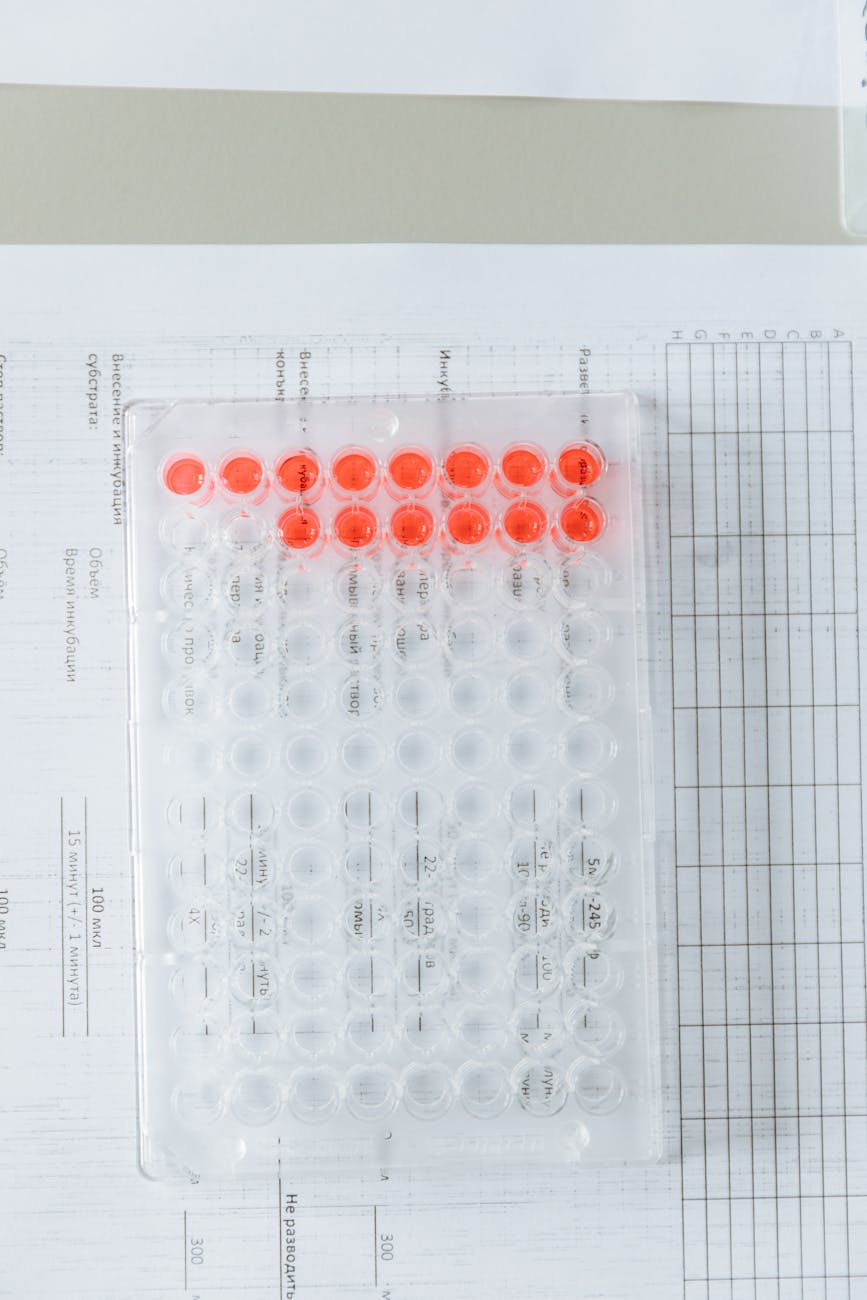
A schematic illustrating the flow of data from individual biological samples (genomic DNA, microbiome sample) through AI processing to personalized health recommendations (nutrition, medication, wellness plans).
Challenges and the Path Forward
Despite the immense potential, several challenges must be addressed to fully realize the vision of AI-driven personalized health:
- Data Privacy and Security: Handling sensitive genomic and health data requires robust ethical frameworks and advanced security measures.
- Algorithmic Bias and Generalizability: Ensuring AI models are trained on diverse datasets to avoid bias and are generalizable across different populations is critical.
- Regulatory Hurdles: Establishing clear regulatory pathways for AI-driven health technologies is essential for widespread clinical adoption.
- Clinician and Patient Trust: Building trust through transparency, explainability of AI models, and comprehensive education for both healthcare providers and patients is paramount.
- Interoperability: Seamless integration of AI platforms with existing healthcare infrastructure and electronic health records is necessary.
The Vespellar Nexus vision embraces these challenges not as obstacles, but as opportunities for innovation. By fostering collaboration between researchers, clinicians, technology developers, and regulatory bodies, we can navigate these complexities and unlock the full potential of AI in revolutionizing health.
The integration of AI with genomics and microbiome analysis represents a quantum leap in our ability to understand and influence human health. It moves us from a population-based approach to a truly individual one, empowering each person with the knowledge and tools to achieve optimal well-being. This is not merely the future of healthcare; it is the future of humanity.

A diverse group of individuals engaging with a futuristic health interface, showcasing personalized wellness dashboards and recommendations.
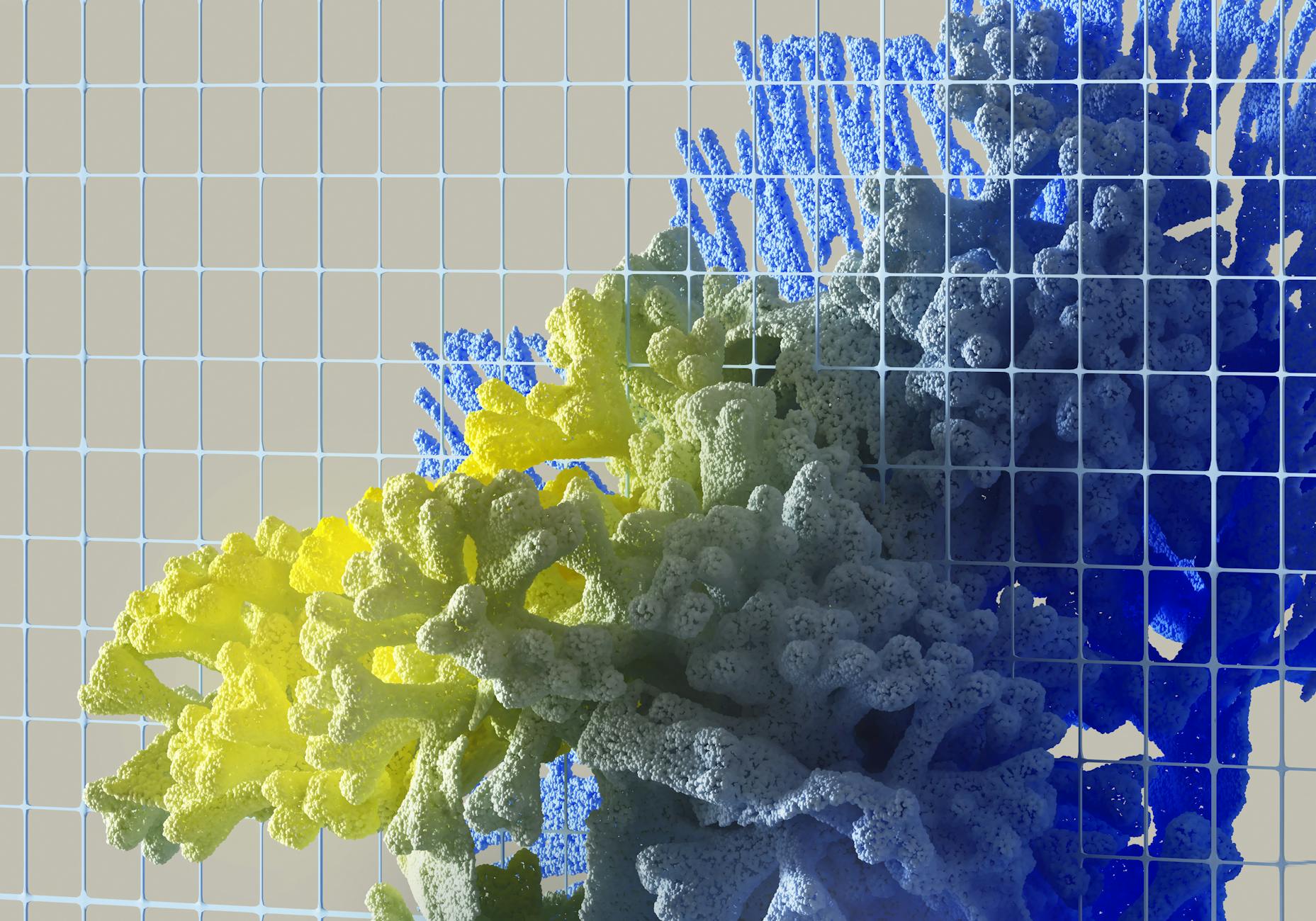
A microscopic view of diverse gut bacteria, transitioning into a digital representation of AI analyzing complex patterns.

A stylized depiction of a DNA helix intertwined with a branching microbial network, illuminated by an AI-generated glow.