Introduction to Organ-on-a-Chip Technology
Organ-on-a-chip technology has emerged as a groundbreaking innovation in the field of healthcare, enabling the creation of microfluidic devices that mimic the structure and function of human organs. This technology has the potential to revolutionize the way we develop new drugs, test their efficacy, and understand the complexities of human biology.
| Organ-on-a-Chip Benefits | Description |
|---|---|
| Improved Drug Development | Organ-on-a-chip technology allows for more accurate and efficient testing of new drugs, reducing the need for animal testing and accelerating the development process. |
| Enhanced Precision Medicine | By mimicking the specific conditions of individual patients, organ-on-a-chip technology enables the development of personalized treatment plans tailored to each patient’s unique needs. |
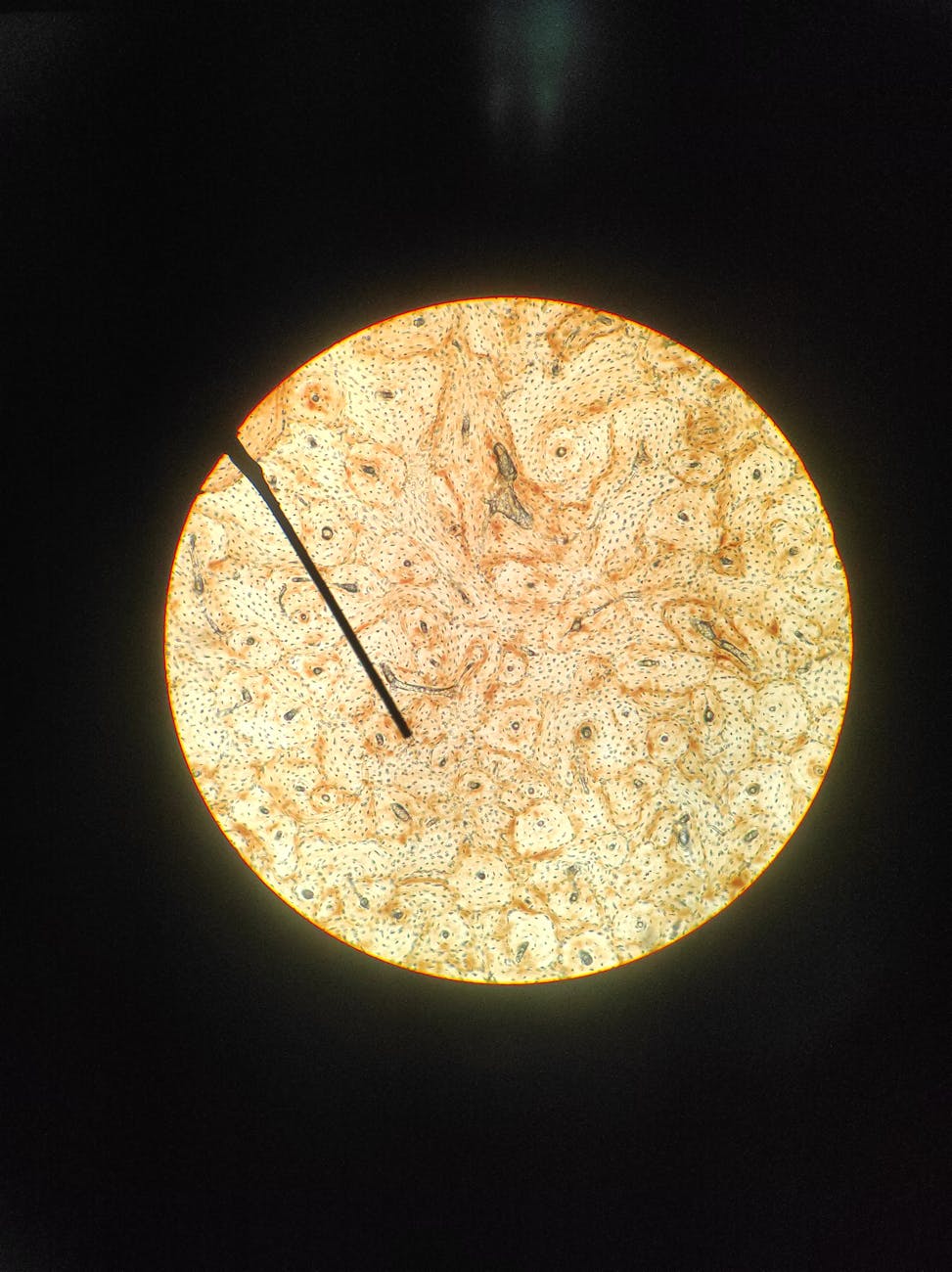
A microscopic view of an organ-on-a-chip device
Architecting the Autonomous Archive: Secure Data Utilization and Governance
As the amount of data generated by organ-on-a-chip technology continues to grow, it is essential to develop secure and efficient methods for storing, processing, and analyzing this data. The autonomous archive, a concept that utilizes privacy-enhancing technologies such as homomorphic encryption and federated learning, offers a promising solution for managing this data while maintaining patient confidentiality and security.
- Homomorphic Encryption: Enables computations to be performed on encrypted data, ensuring that sensitive information remains protected.
- Federated Learning: Allows for the sharing of machine learning models across different institutions and organizations, promoting collaboration and accelerating discovery.

An illustration of the autonomous archive concept
Organoid Chip Technology: A New Era for Drug Discovery and Precision Medicine
Organoid chip technology, a subset of organ-on-a-chip technology, focuses on the development of microfluidic devices that mimic the structure and function of specific organs, such as the liver or kidney. This technology has the potential to significantly improve our understanding of human biology and disease, enabling the development of more effective treatments and therapies.
| Organoid Chip Applications | Description |
|---|---|
| Drug Development | Organoid chip technology enables the testing of new drugs in a more accurate and efficient manner, reducing the risk of adverse reactions and improving patient outcomes. |
| Personalized Medicine | By mimicking the specific conditions of individual patients, organoid chip technology enables the development of personalized treatment plans tailored to each patient’s unique needs. |
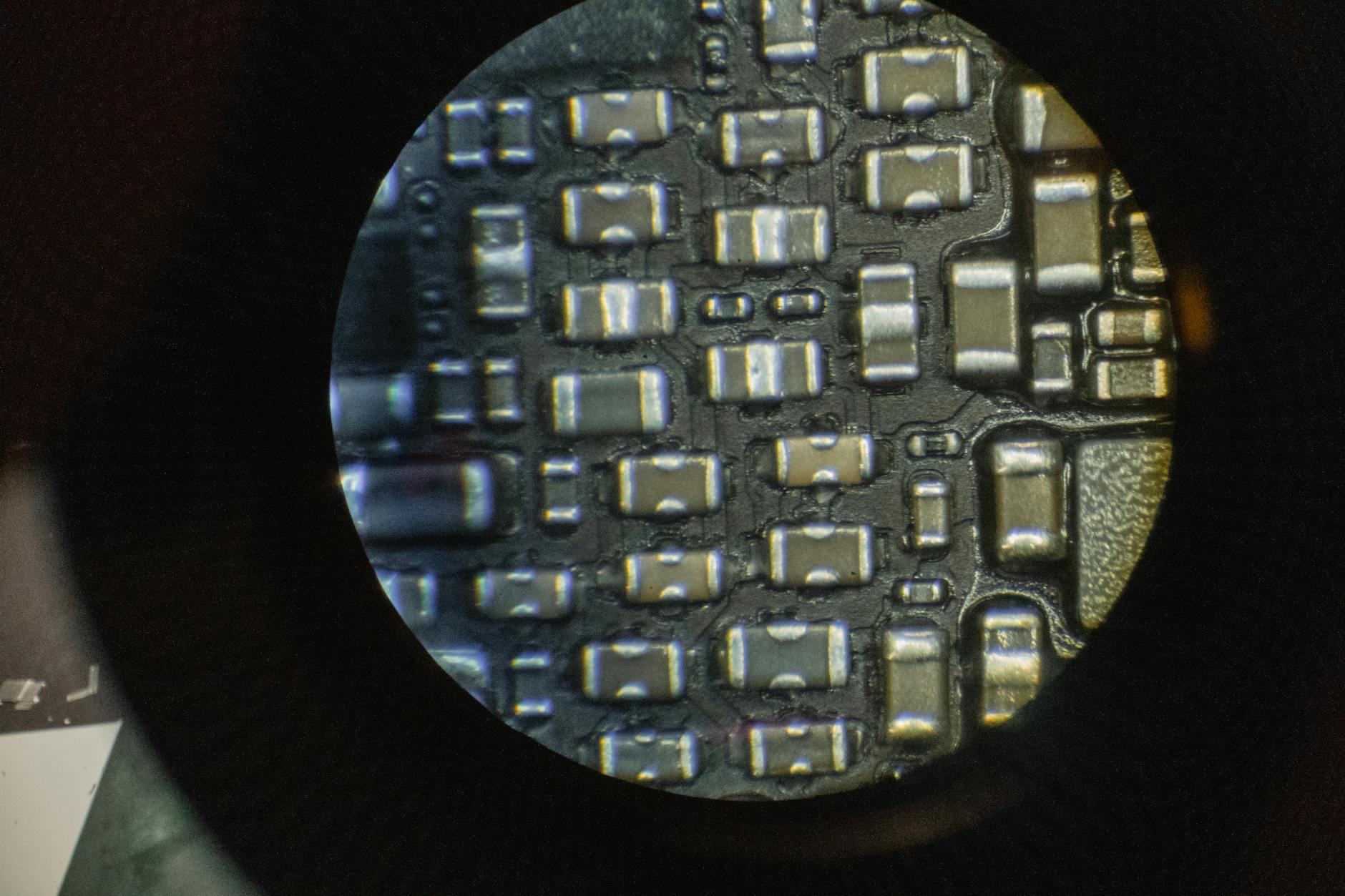
A microscopic view of an organoid chip device
Harnessing the Power of Space-Based Solar Power
As the world continues to grapple with the challenges of climate change and energy sustainability, space-based solar power has emerged as a promising solution. By harnessing the infinite power of the sun, space-based solar power systems have the potential to provide a clean and reliable source of energy, reducing our reliance on fossil fuels and mitigating the impact of climate change.

An illustration of a space-based solar power system
Autonomous Decision Making: AI Agent Systems and Business Process Innovation
Artificial intelligence (AI) has the potential to revolutionize the way we make decisions, enabling businesses to operate more efficiently and effectively. AI agent systems, which utilize machine learning algorithms and natural language processing, can automate complex decision-making processes, freeing up human resources for more strategic and creative tasks.

An illustration of an AI agent system

A graph showing the growth of AI adoption in business

A photo of a business leader using an AI-powered decision-making tool
Conclusion
In conclusion, organ-on-a-chip technology, organoid chip technology, and space-based solar power are just a few examples of the innovative solutions that are transforming the healthcare and energy sectors. As we continue to push the boundaries of what is possible, it is essential that we prioritize security, sustainability, and social responsibility, ensuring that these technologies benefit humanity as a whole.

A futuristic illustration of a city powered by space-based solar energy